
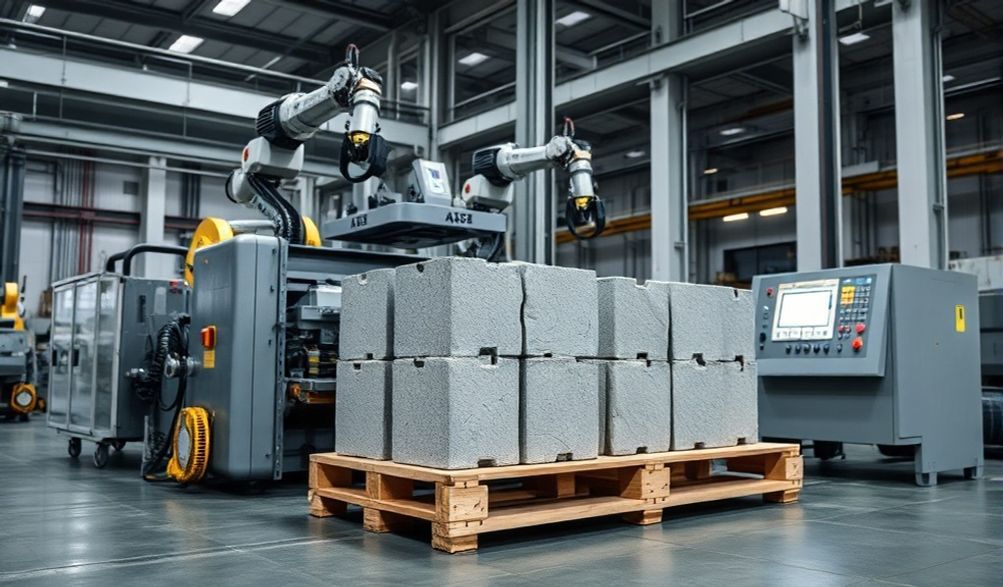
Hagahaaga Ugu Wanaagsan ee Xulashada Iibiyaha Mashruuca Blookada Iibka Kulaylka Sanadka 2026
Qaybaha dhismaha caalamiga ah iyo dhismaha hore ee la dhajiyey ma ayna u kordhinayn oo keliya; waxay si xawli leh u horumareysaa. Laga soo bilaabo magaalooyinka caqliga leh ilaa guryaha waara, baahida loo qabo buraashada tayo sare leh, labada darbi, iyo labada isku xirxira ayaa aan weligii hore ugu sarreeyn. Dhulkaas, makiinadaada ma ahan hanti oo keliya; waa xidhidda aasaasiga ah ee wax soo saarkaaga, faa'iidada, iyo kalsoonida tartanka.
Hase ahaatee, khalad aad u qaali ah ayaa sugaya ganacsato badan oo hanad badan iyo maamuliye mashruuc: khaladka qiimaha badan ee doorashada shuraakada qalabka aan sax ahayn. Sheekooyinka makiinado ku fashilaya bilaha gudahood, taageero farsamo oo aan weligood dhicin, iyo kharashyo qarsoon oo dhimaya faa'iidooyinka, si naxdilsan, ayaa aad u caadi ah. Doorashada iibiyaha iyadoo lagu salaynayo buroshaar qurux badan ama qiimaha ugu hooseeya ayaa dhibaato weyn ku noqon kartaa hawlihii dhammaanteed.
Hadaan ku turjumid, waa khariidad awood leh oo qorsheysan. Waxaan ka sii bixi doonnaa suuq-geynta farsamooyinka sare ee caadiga ah, si aan u siinno hab buuxda oo khabiir ku talinayo, si loo baaro oo loo xusho mid aamin ah oo run ah.iibka kulul ee alaabta loo adeegsayo baabuurta.Waxaan soo koobnay sanado taagnaan ah oo ganacsi, falanqeyn farsamo, iyo aragtiyo ka soo ururinta, hadafka ayaa ah inaan kuu awood siino inaad sameyso maalgelin muddo dheer oo kalsooni leh, macluumaad ku dhisan, oo faa'iido leh ganacsigaaga.
Waxa "Iibka Kulul" Ugu Jirta Makinadaha Block-ka?
Suuqyada khadka ah ee firfircooni iyo buugaagada alaab-qeybiyeyaasha, "iibka kulul" waa calaamad caalami ah. Laakiin maxay u taagan tahay? Ma waa tilmaam dhab ah oo ku tusaysa waxqabad sare iyo doorashada suuqa, mise kaliya erey ganacsi oo madhan? Kala saarista farqiga waa tallaabadaada koowaad ee muhiimka ah.
Fahamka Suuqyada Suugaanta iyo Hadafka Suuqgeynta
Qalabka tooska ah ee "caansan" si gaar ah waa mid ku habboon baahiyaha soo socda iyo mustaqbalka ee warshadaha. Caannimadiisu waxay ka dhalan tahay qiime dhab ah, oo aan ahayn keliya wacyi gelinta firfircoon.
- Dhaqdhaqaaqyada Rasmiga ah ee Dalabka:Raadi makiinado ay bixiyaanwaxtarka tamarta(waajiga maaliyadeed ee socodka ee muddada dheer ee la dhimay), horumarsanawtomaatidhoos u shaqo iyo khaladaadka insaankaisku-dheellitir(soo saarista noocyada block-ka badan iyadoo la isbeddelayo qaababka degdegga ah). Makiinadaha loogu talagalaydareere dhimistaoo lagu dhisayqaybaha adagsidoo kale si dabiici ah u kor u kacaan.
- Calaamadaha Digniin ah ee Hype: Be skeptical if “hot sale” is the primary selling point without substantial backing. A supplier who cannot detail maxaa a model is popular, provide performance data, or show a track record of installations may be using the term as a hollow catchphrase. True market leaders are defined by features and results, not just labels.
Key Features Driving Demand in Today’s Market
The “hot” machines of 2026 are defined by a blend of smart technology, robust design, and comprehensive support. When evaluating, prioritize these features:
- Intelligent Automation: Modern profitable operations rely on Programmable Logic Controller (PLC) systems. These ensure consistent product quality, precise operation, and easier troubleshooting. Touch-screen interfaces are becoming standard.
- Multi-Functional & Quick-Change Systems: The ability to produce hollow blocks, solid blocks, pavers, and curbstones on one machine maximizes your market adaptability. Look for suppliers with engineered quick-mold-change systems to minimize downtime.
- The Support Behind the Steel: Today, a machine’s value is inextricably linked to the after-sales service and parts ecosystem that supports it. A “hot sale” model from a reputable supplier means readily available spare parts, detailed manuals, and accessible technical knowledge.
Essential Criteria for Evaluating a Block Machine Supplier
Moving from product features to partner evaluation is where the real due diligence begins. Your supplier is a long-term partner. Assess them across these four critical dimensions.
Manufacturer Reputation and History
A company’s past is a reliable predictor of your future with them.
- Diiwaanka Taariikhda Research their years in business. A decade or more of operation often indicates stability and accumulated experience. Look for their presence at major international industry exhibitions (like bauma or BIBM), which signals serious industry engagement.
- Xaqiijinta Warshadaha: Whenever possible, arrange a factory visit. For overseas suppliers, insist on a comprehensive virtual tour. This allows you to see welding quality, assembly lines, and quality control processes firsthand.
- Shahaadada: Valid international certifications (like ISO 9001 for quality management and CE for European market safety standards) are non-negotiable baselines. They demonstrate a commitment to standardized manufacturing processes.
Technical Expertise and Product Quality
The engineering prowess behind the machine determines its lifespan and performance.
- Assess the Team: Inquire about the size and experience of the R&D and engineering team. Do they have mechanical, hydraulic, and electrical specialists? A strong team can also assist with future customizations.
- Qalabka Qaarkood Specifically ask about the steel grade used for molds and core components. High-wear parts should be made from hardened, high-chromium steel for longevity. Request material certification if available.
- Request Proof: Ask for product test reports, vibration analysis data, or energy consumption metrics. A confident supplier will have this documentation. Also, ask for high-resolution videos of the machine in operation under full load.
Comprehensive After-Sales Support
This is the single most critical differentiator between a vendor and a true partner.
- Breakdown of Services: Ensure the offering includes:
- On-site installation supervision by a factory engineer.
- Comprehensive operator and maintenance training.
- Clear, fair warranty terms (typically 12 months for the whole machine, longer for key components).
- A local or well-established spare parts depot to ensure swift delivery.
- Response Time: Ask pointed questions: “What is your guaranteed response time for a technical support query?” and “How are spare parts shipped for urgent breakdowns?”
Transparent Pricing and Value Proposition
The cheapest quote is often the most expensive long-term investment.
- Qiimaha Guud ee La Iska Leeyahay (TCO): Calculate beyond the invoice. Include estimated costs for energy consumption, routine maintenance parts, potential downtime, and training. A slightly more expensive, robust, and efficient machine often has a lower TCO.
- Quote Clarity: Compare what is included in the price (FOB/CIF costs, insurance, basic toolset, initial spare parts package). A transparent supplier provides a detailed, itemized quotation.
A Step-by-Step Process to Source Your Ideal Supplier
Turn these criteria into an actionable, step-by-step sourcing strategy.
Step 1: Define Your Precise Business Requirements
You cannot find the right solution without knowing your exact problem. Document:
* Lahaanshooyinka loo baahan yahay: Blocks per hour/shift (e.g., 5,000 standard blocks per 8-hour shift).
* Product Mix: Specific block types, sizes, and desired finishes.
* Heerka Automationka: Fully automatic, semi-automatic, or manual?
* Site Constraints: Available space, power supply (voltage/phase), and local raw material (aggregate) characteristics.
Step 2: Create a Longlist and Conduct Initial Screening
- Where to Look: Use reputable global B2B platforms (like Alibaba.com’s Verified Suppliers), industry-specific directories, and referrals from trade associations. Note which suppliers are consistently featured.
- Initial Filters: Apply immediate filters: valid ISO/CE certifications, a product range that matches your needs, and prompt, professional, and technically proficient communication in your initial inquiries.
Step 3: Deep Dive Evaluation and Due Diligence
- Detailed RFQ: Send a structured Request for Quotation. It should demand technical specifications, a detailed commercial offer, a list of included services, and references.
- Hubi Tixraacyada: Request contact information for 2-3 past clients in your region or a similar climate. Call them. Ask about machine performance, reliability, and the quality of after-sales support.
- Third-Party Inspection: For large orders, consider hiring a third-party inspection company (like SGS or Bureau Veritas) for a Pre-Shipment Inspection (PSI). They verify quality, quantity, and function before payment.
Step 4: Negotiation and Final Decision
- Contract Focus: Pay close attention to:
- Payment Terms (e.g., 30% deposit, 70% against copy of Bill of Lading).
- Delivery Schedule with a defined penalty clause for delays.
- Warranty Activation (starts upon installation, not shipment).
- Scope of After-sales Support in explicit detail.
- Final Checklist: Before signing, confirm you have: all technical drawings, a finalized spare parts list, training curriculum, and all previous communication in writing.
Red Flags: How to Spot an Unreliable Supplier
Protect yourself by recognizing these common warning signs:
* Vague Technical Knowledge: Inability to answer detailed questions about hydraulic pressure, cycle time, or control systems.
* No Verifiable Proof: Lack of factory videos, refusal to provide client references, or only offering stock photos.
* Pressure & Pricing: Use of high-pressure sales tactics or a price that seems too good to be true (often indicating substandard materials or hidden costs).
* Ghost Support: No clear plan for installation, training, or spare parts supply. The conversation ends at the sale.
Su'aalaha Inta Badan La Is Weydiiyo (FAQ)
Q1: Is it better to buy from a manufacturer or a local dealer?
A: It depends. Manufacturers typically offer better pricing, direct technical knowledge, and customization options. Authorized local dealers provide faster on-ground service, local parts inventory, and may handle import logistics. Assess the manufacturer’s direct support strength in your region versus the dealer’s reputation and technical capability.
Q2: What is the typical lead time for a hot sale block machine?
A: For standard models, expect 30 to 60 days after order confirmation. For highly customized or large, fully automatic production lines, lead times can extend to 90-120 days. A reliable supplier provides a realistic, written production schedule with progress updates.
Q3: Can I get a customized machine for my specific block design?
A: Reputable suppliers with strong R&D departments often offer mold customization as a standard service. Customizing the machine’s core parameters (pressure, vibration) is more complex. Discuss your specific design early, provide detailed drawings, and get all customization costs, drawings, and timelines in a formal addendum to the contract.
Q4: What are the most important spare parts to keep in stock?
A: Your supplier should provide a recommended critical spare parts list. This almost always includes high-wear items like mold liners, seal kits for hydraulic cylinders, vibration motor bearings, and specific electrical components (like proximity sensors). Stock based on your projected usage and local delivery times.
Q5: How do I verify the supplier’s past project claims?
A: Go beyond the testimonial page. Ask for specific project case studies with contactable clients. Request to see production videos from the client’s factory, not staged marketing clips. Search for the supplier’s name on independent industry forums and review their transaction history and feedback on B2B platforms.
Gabagabo
Finding the right hot sale block machine supplier is a strategic decision that extends far beyond comparing price tags on a website. It is an investment in a partnership that will directly impact your operational efficiency, product quality, and bottom line for years to come.
The core takeaway is this: In 2026, true value is defined not by a “hot sale” sticker, but by demonstrable expertise, transparent operations, and an unwavering commitment to after-sales support. The most reliable suppliers act as partners, invested in your success. They have the authoritative standing in the industry, proven by a history of successful global projects and satisfied clients.
Use this guide as your actionable checklist. Conduct thorough due diligence, ask the hard questions, and prioritize suppliers who demonstrate a customer-centric, long-term approach. Your future productivity and ROI depend on the foundation you build today.
Ready to start your search? Begin by defining your requirements, then reach out to shortlisted suppliers with the informed, detailed inquiries outlined here. Your ideal partner is waiting for a professional like you.
<