1. Hordhac
Brick press machines are the backbone of modern brick production—delivering precision, efficiency, and scalability for B2B customers across construction, infrastructure, and building material sectors. For distributors, distributors, and purchasers, these machines represent a foundational product category with universal demand, as bricks remain one of the most widely used construction materials globally. Unlike specialized interlocking or material-specific brick machines, brick press machines are versatile workhorses engineered to compact diverse raw materials (concrete, clay, soil-cement, recycled aggregates) into standard or custom brick shapes—from solid blocks to hollow pavers.
2. Jirka
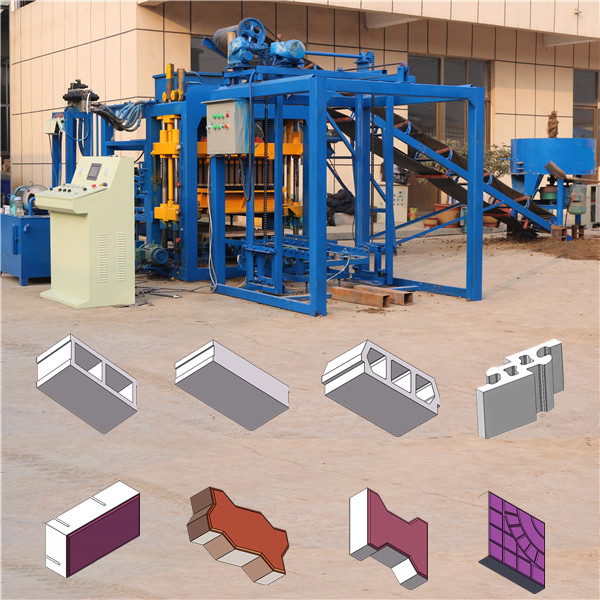
2.1 Core Engineering and Machine Types of Brick Press Machines
Brick press machines are designed around the principle of mechanical or hydraulic compaction—applying pressure to raw materials to densify them into durable bricks. Their engineering varies by scale, power source, and compaction method, with each type optimized for specific production volumes and material requirements. Understanding these variations is critical for distributors to match customers with the right machine.
2.1.1 Key Structural Components of Brick Press Machines
Regardless of type, all brick press machines share core components that ensure compaction precision and durability:
- Qaabka iyo Saldhigga: Constructed from heavy-gauge carbon steel (8-12 mm thick) with reinforced cross-members to withstand compaction pressures ranging from 15-50 MPa. The base features anti-vibration pads and anchor points to stabilize the machine during operation, preventing misalignment and ensuring brick dimensional accuracy. Frames range in size from compact (1.5×1.2×1.8 meters) for manual machines to industrial-grade (3.5×2.5×3.0 meters) for automatic models, weighing 300 kg to 3,000 kg.
- Qaabka Isku-dhafka: The heart of the machine, responsible for applying pressure to raw materials. Two primary compaction systems dominate the B2B market:
- Mechanical (Eccentric Shaft): Uses a rotating eccentric shaft connected to compaction plates to generate pressure. Ideal for small to medium-scale production (100-400 bricks/hour) and solid brick production. Mechanical machines are cost-effective, easy to maintain, and suitable for clay or concrete mixes.
- Hydraulic: Uses hydraulic cylinders to deliver high, uniform pressure (25-50 MPa). Hydraulic systems are more versatile, handling hollow bricks, perforated bricks, and diverse materials (including recycled aggregates). They offer variable pressure control, making them ideal for medium to large-scale production (300-1,500 bricks/hour).
- Qaybinta Qalabka: Interchangeable molds determine brick shape, size, and texture. Molds are CNC-machined from hardened steel (HRC 55-60) to ensure dimensional accuracy (±0.5 mm) and resistance to abrasive materials. Standard mold sizes include 200x100x60 mm (solid brick), 250x125x80 mm (hollow block), and 300x300x100 mm (paver), with custom molds available for specialized designs. Mold life ranges from 20,000-50,000 cycles, depending on material abrasiveness.
- Feeding System: Delivers raw materials to the mold uniformly—critical for consistent brick density. Feeding systems include:
- Manual Hopper: For small-scale machines, requiring operator to load material.
- Vibratory Feeder: For semi-automatic machines, using vibration to distribute material evenly.
- Automatic Conveyor: For industrial machines, integrating with mixers to deliver a continuous supply of material.
- Demolding and Ejection System: Safely removes compacted bricks from the mold without damage. Systems range from manual lever ejection (small machines) to hydraulic plates or conveyor belts (large machines), with some models including brick stacking mechanisms to reduce labor.
2.1.2 Classification of Brick Press Machines by Scale and Automation
Brick press machines are categorized into three primary types based on production volume and automation level—each targeting distinct B2B customer segments:
- Manual Brick Press Machines:
- Design: Compact, lever-operated machines with mechanical compaction. No electricity required, relying on human force (amplified by levers) to generate 15-20 MPa pressure.
- Qaybinta Wax Soo Saarida: 50-150 bricks/hour.
- Key Features: Low cost, portability (weight <300 kg), easy to operate and maintain. Suitable for small brick yards, rural construction, or DIY projects.
- Material Compatibility: Clay, soil-cement, and low-density concrete mixes.
- B2B Use Case: Ideal for micro-entrepreneurs, rural contractors, or regions with limited power access.
- Semi-Automatic Brick Press Machines:
- Design: Hydraulic or mechanical compaction with automated feeding and demolding. Requires 5-10 HP electric motor or diesel engine (for off-grid use).
- Qaybinta Wax Soo Saarida: 200-600 bricks/hour.
- Key Features: Balanced cost and efficiency, modular mold compatibility, and operator-friendly controls. Most models include vibratory feeding and hydraulic ejection.
- Material Compatibility: Concrete, clay, soil-cement, recycled aggregates, and hollow brick mixes.
- B2B Use Case: Medium-sized brick yards, construction firms with on-site production needs, or government affordable housing projects.
- Automatic Brick Press Machines:
- Design: Industrial-grade machines with hydraulic compaction, PLC (Programmable Logic Controller) controls, and full automation (feeding, compaction, demolding, stacking). Integrated with mixers and curing systems for continuous production.
- Qaybinta Wax Soo Saarida: 600-1,500+ bricks/hour.
- Key Features: High precision, scalability, and minimal labor requirements. Equipped with sensors for quality control (e.g., pressure monitoring, dimensional accuracy checks).
- Material Compatibility: All materials (concrete, clay, recycled aggregates, fly ash mixes) and brick types (solid, hollow, perforated, interlocking).
- B2B Use Case: Large brick manufacturing plants, industrial construction projects, or building material suppliers with high-volume demand.
2.1.3 Material Compatibility and Production Workflow
Brick press machines are versatile, supporting a wide range of raw materials to meet B2B customer needs across construction applications:
- Common Materials:
- Laami: Sand, gravel, cement (10-15%), and water (8-12% moisture). Produces high-strength bricks (10-25 MPa) for load-bearing walls and infrastructure.
- Dhoobo: Natural clay with 15-20% moisture. Requires drying and firing (for traditional clay bricks) or air-curing (for unfired clay bricks with binders).
- Soil-Cement: Local soil (60-80%), sand (10-20%), cement (5-10%), and water (12-18% moisture). Low-cost, sustainable option for affordable housing (strength 4-8 MPa).
- Recycled Aggregates: Crushed concrete, brick fragments, or industrial byproducts (fly ash, slag) mixed with cement. Eco-friendly alternative with strength 8-12 MPa.
- Standard Production Workflow:
- Material Preparation: Raw materials are mixed to the correct ratio (e.g., concrete: 60% sand, 25% gravel, 15% cement) and moisture content (varies by material).
- Cunista: Material is loaded into the machine’s hopper and distributed to the mold via the feeding system.
- Cufis: Pressure is applied (15-50 MPa) to densify the material into the brick shape. Vibratory compaction (40-60 Hz) may be used to enhance density.
- Demolding: The brick is ejected from the mold using mechanical or hydraulic force.
- Daweynta: Bricks are cured to achieve full strength—air-drying (7-28 days for concrete/soil-cement) or firing (800-1,000°C for clay bricks).
2.2 B2B Value Propositions: Driving Demand for Brick Press Machines
Brick press machines offer compelling value propositions for B2B customers, combining cost efficiency, versatility, and scalability—key decision drivers for brick manufacturers, construction firms, and government agencies.
2.2.1 Cost Savings and Profitability for B2B Customers
Brick press machines deliver significant cost advantages over manual brick production or outsourcing, improving profit margins for B2B buyers:
- Reduced Labor Costs: Automatic and semi-automatic machines reduce labor requirements by 50-80% compared to manual brick making. A semi-automatic machine producing 400 bricks/hour requires 2-3 operators, while manual production of the same volume needs 8-10 workers. This translates to $1,000-$2,000 monthly labor savings for medium-scale operations.
- Lower Material Waste: Precision compaction and uniform feeding reduce material waste to <2%, compared to 10-15% for manual production. For a brick yard producing 1 million bricks/year, this saves $5,000-$10,000 in raw material costs annually.
- Scalability and Economies of Scale: As production volume increases, the cost per brick decreases. Automatic machines producing 1,000+ bricks/hour achieve a cost per brick of $0.05-$0.10, compared to $0.15-$0.20 for manual production. This allows B2B customers to compete on price while maintaining profitability.
- On-Site Production Savings: Construction firms using semi-automatic machines for on-site brick production eliminate transportation costs ($0.03-$0.08 per brick) and delivery delays, reducing project costs by 10-15%.
2.2.2 Versatility and Adaptability to Market Needs
Brick press machines’ ability to handle diverse materials and produce multiple brick types makes them highly attractive to B2B customers operating in dynamic construction markets:
- Material Flexibility: Customers can switch between concrete, clay, soil-cement, or recycled aggregates based on market demand and material availability. For example, a brick yard can produce high-margin concrete pavers in urban areas and low-cost soil-cement bricks for rural affordable housing projects.
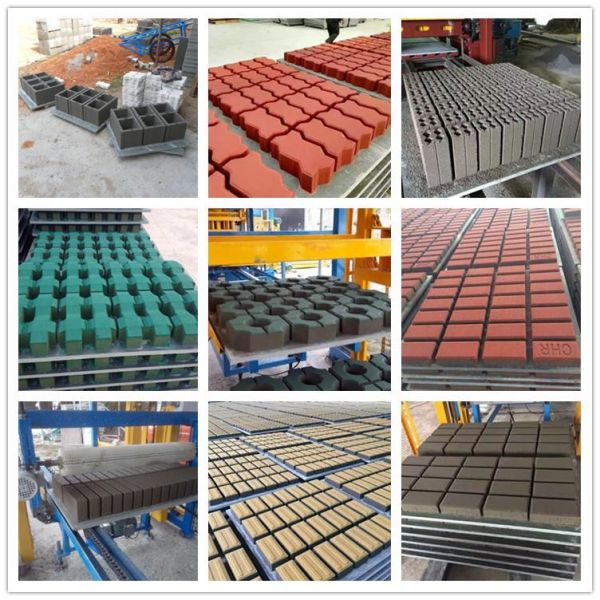
- Brick Type Versatility: Interchangeable molds allow production of solid bricks, hollow blocks, perforated bricks, pavers, and custom shapes. This enables B2B customers to diversify their product lines and cater to niche markets (e.g., decorative pavers for landscaping, hollow blocks for energy-efficient walls).
- Adaptability to Local Standards: Machines can be configured to produce bricks meeting regional building codes (e.g., ASTM C62 in the US, IS 1077 in India, EN 771-3 in the EU) by adjusting compaction pressure, material mix, and brick dimensions. This reduces market entry barriers for B2B customers expanding to new regions.
2.2.3 Durability and Low Total Cost of Ownership
Brick press machines are built for industrial use, offering long lifespans and low maintenance costs—critical for B2B customers seeking reliable, long-term investments:
- Machine Lifespan: Manual machines last 5-8 years, semi-automatic machines 8-12 years, and automatic machines 12-15 years with proper maintenance. This longevity ensures a return on investment (ROI) of 1-3 years for most B2B customers.
- Low Maintenance Requirements: Routine maintenance (lubrication, mold cleaning, filter replacement) costs 3-5% of the machine’s purchase price annually. Mechanical machines have fewer moving parts, reducing maintenance costs by 20-30% compared to hydraulic models.
- Spare Parts Availability: Common spare parts (molds, hydraulic seals, compaction plates) are widely available globally, minimizing downtime. Most manufacturers offer 1-2 year warranties on critical components, further reducing risk for B2B customers.
2.2.4 Sustainability and Compliance with Green Regulations
Modern brick press machines align with global sustainability trends, helping B2B customers meet environmental regulations and capture green market opportunities:
- Recycled Material Compatibility: Machines can process recycled aggregates (crushed concrete, brick fragments) and industrial byproducts (fly ash, slag), diverting waste from landfills and reducing reliance on virgin materials. This helps customers qualify for green building certifications (LEED, BREEAM) and tax incentives.
- Energy Efficiency: Newer models feature energy-efficient motors and hydraulic systems, reducing energy consumption by 15-25% compared to older machines. Automatic machines with PLC controls optimize compaction cycles to minimize energy use.
- Reduced Carbon Footprint: On-site production eliminates transportation-related emissions, while recycled material use reduces carbon emissions by 30-40% compared to virgin material production. This is a key selling point for government projects and eco-conscious developers.
2.3 Target B2B Customer Segments and Market Positioning
Brick press machines appeal to distinct B2B segments, each with unique procurement drivers and needs. Distributors who tailor their positioning to these segments can maximize sales and long-term partnerships.
2.3.1 Brick Manufacturers and Building Material Suppliers
This is the largest B2B segment, consisting of established brick yards and building material distributors looking to expand production capacity or diversify product lines:
- Procurement Drivers: Production efficiency, product diversification, and cost reduction.
- Needs: Semi-automatic or automatic machines with high production capacity (400-1,500 bricks/hour), modular mold compatibility, and reliable after-sales support. Require machines that can handle multiple materials and brick types.
- Market Regions: Industrial zones in China, India, US, EU, and Southeast Asia (where construction demand is high).
- Positioning Strategy: Emphasize scalability, low cost per brick, and product diversification opportunities. Offer turnkey solutions including machine installation, mold customization, and operator training. Provide case studies of brick manufacturers who increased production by 50% and reduced costs by 30% after adopting automatic machines.
2.3.2 Large Construction Firms and Infrastructure Contractors
Construction companies handling commercial, industrial, and government projects form a high-value segment:
- Procurement Drivers: On-site production efficiency, cost savings, and project timeline adherence.
- Needs: Semi-automatic machines (200-600 bricks/hour) that are portable, easy to operate, and compatible with on-site material sources. Require machines that can produce bricks meeting project-specific specifications (strength, size).
- Market Regions: Urban centers with active construction (Dubai, Singapore, Mumbai, Houston, Berlin) and infrastructure development hubs.
- Positioning Strategy: Highlight on-site production savings (transportation, labor), faster project completion, and quality control. Offer rental or lease-to-own options to reduce upfront capital expenditure. Provide on-site technical support during project execution and mold customization for project-specific brick sizes.
2.3.3 Government Agencies and Public Works Departments
Government bodies implementing affordable housing, rural development, and infrastructure projects are key institutional buyers:
- Procurement Drivers: Cost efficiency, sustainability compliance, and job creation.
- Needs: Durable, low-cost semi-automatic machines (200-400 bricks/hour) that are easy to maintain and operate by local workers. Require machines that can produce low-cost bricks for affordable housing or rural construction.
- Market Regions: Developing countries with active affordable housing initiatives (India, Brazil, Indonesia, Nigeria) and rural development programs.
- Positioning Strategy: Align with government sustainability goals and affordable housing mandates. Emphasize low cost per brick, job creation (local operation and maintenance), and compliance with local building codes. Provide technical documentation including brick strength tests and environmental impact reports. Partner with local distributors to bid on government tenders and participate in public-private partnership (PPP) projects.
2.3.4 Micro-Entrepreneurs and Small Brick Yards
Small-scale brick makers and micro-entrepreneurs form a growing segment, particularly in developing countries:
- Procurement Drivers: Low upfront cost, ease of operation, and portability.
- Needs: Manual or small semi-automatic machines (50-200 bricks/hour) with low power requirements (or no electricity) and minimal maintenance. Require affordable machines that can start small and scale as business grows.
- Market Regions: Rural areas and small towns in India, Africa, Southeast Asia, and Latin America.
- Positioning Strategy: Emphasize affordability, simplicity, and quick ROI (6-12 months for manual machines). Offer flexible payment terms, basic training, and local spare parts availability. Highlight success stories of micro-entrepreneurs who started with a manual machine and expanded to semi-automatic production within 2-3 years.
2.4 B2B Procurement and Distribution Strategies for Success
For distributors and purchasers, successful B2B procurement and distribution of brick press machines require strategic focus on quality, reliability, and long-term partnership building.
2.4.1 Sourcing Reliable Manufacturers (For Distributors)
Selecting a manufacturer with a proven track record in brick press machine production is critical to avoiding costly quality issues:
- Manufacturer Evaluation Criteria:
- Experience: Minimum 5 years of specialized brick press machine production (not general construction equipment). Request references from 3+ B2B customers in your target region.
- Certifications: ISO 9001 (quality), ISO 14001 (environmental), and compliance with local safety standards (CE, OSHA, CCC).
- Technical Capabilities: In-house mold design (CNC machining), testing facilities for brick strength and density, and after-sales support infrastructure.
- Quality Control: Conduct factory audits to verify:
- Frame rigidity and material quality (steel thickness, weld strength).
- Mold precision (dimensional accuracy, surface finish).
- Compaction pressure consistency (calibration certificates).
- Negotiation Levers:
- Minimum Order Quantity (MOQ): Negotiate MOQs of 3-5 machines for wholesale pricing (10-20% discount).
- Spare Parts: Secure a 2-year spare parts supply (molds, hydraulic seals, compaction plates) at discounted rates.
- Training and Support: Demand free on-site installation, operator training, and 1-year warranty on mechanical/electrical components.
2.4.2 Pricing and Margin Optimization (For Distributors)
B2B pricing requires balancing competitiveness with profitability, considering the value-added nature of brick press machines:
- Cost Structure Breakdown:
- Manufacturer Price (FOB/CIF): $2,000-$50,000 USD (manual to automatic).
- Shipping and Import Duties: 10-40% of CIF value (varies by country; research duty exemptions for construction equipment).
- Local Costs: Installation ($500-$3,000), training ($300-$1,500), and storage ($300-$1,000).
- Pricing Strategy:
- Manual Machines: $3,000-$6,000 USD (30-40% markup).
- Semi-Automatic Machines: $8,000-$25,000 USD (35-50% markup).
- Automatic Machines: $25,000-$80,000 USD (40-60% markup).
- Bulk Orders (5+ machines): 10-15% discount to secure institutional customers.
- Value-Added Services: Charge $1,000-$3,000 for custom mold design, $500-$1,500 for operator training, and $1,000-$2,500 for annual maintenance contracts.
- Margin Protection: Highlight the long-term cost savings and ROI for B2B customers to justify machine costs. Position machines as a capital investment with a payback period of 1-3 years, rather than an expense.
2.4.3 B2B Distribution Channel Optimization
Reach target B2B segments through channels that align with their procurement processes:
- Direct Sales Teams: Hire industry-experienced sales representatives to target large brick manufacturers, construction firms, and government agencies. Equip teams with technical brochures, ROI calculators, and on-site demonstration kits. Conduct live demonstrations at customer facilities to showcase machine performance.
- Industrial Trade Shows: Participate in sector-specific trade shows (Bauma, CONEXPO, Infratech, Big5) to showcase machines and network with B2B buyers. Host live demonstrations of brick production and distribute case studies and technical documentation.
- Partnerships with Complementary B2B Providers: Collaborate with:
- Building material suppliers to bundle machine sales with raw material supply contracts.
- Construction equipment rental companies to offer machine rentals for short-term projects.
- Local distributors in target regions to expand reach and provide local support (critical for government projects and rural customers).
- Digital Marketing for B2B Lead Generation: Invest in:
- LinkedIn advertising targeting construction managers, procurement directors, and small business owners.
- Content marketing (whitepapers on brick production efficiency, case studies, ROI calculators) to generate qualified leads.
- Search engine optimization (SEO) for keywords like “brick press machine,” “automatic brick making equipment,” and “concrete block press.”
2.4.4 After-Sales Support and B2B Customer Retention
B2B customers prioritize reliable after-sales support—critical for long-term loyalty and repeat business:
- Technical Support: Establish a dedicated B2B support team (phone, email, video call) available 24/7 for critical issues. For international customers, provide support in local languages and partner with local technicians for on-site repairs.
- Training Programs: Offer hands-on training for operators and maintenance staff (1-3 days) covering:
- Machine operation and safety.
- Material mix optimization.
- Basic troubleshooting and maintenance.
- Spare Parts Logistics: Maintain a local inventory of high-wear parts (molds, hydraulic seals, compaction plates) to reduce delivery time to 2-3 days. For remote regions, partner with local industrial supply distributors to stock spare parts.
- Loyalty Programs: Offer repeat customers:
- 5-10% discount on machine upgrades or additional units.
- Free annual maintenance checks.
- Priority access to new features or mold designs.
3. Conclusion
Brick press machines are a foundational B2B product category—driving efficiency, profitability, and sustainability in the global construction industry. For distributors, distributors, and purchasers, these machines offer a unique opportunity to capitalize on universal demand for bricks while meeting the evolving needs of B2B customers across segments. By understanding the core engineering, machine types, and B2B value propositions of brick press machines, distributors can position themselves as trusted partners for brick manufacturers, construction firms, government agencies, and micro-entrepreneurs—delivering not just equipment, but comprehensive solutions that drive growth and profitability.
The future of brick press machines is poised for significant growth, fueled by urbanization, infrastructure development, and sustainability trends. Technological advancements (e.g., IoT-enabled monitoring, energy-efficient systems, recycled material optimization) will further enhance their value proposition, creating new opportunities for B2B professionals who stay ahead of market trends. For purchasers, brick press machines offer a long-term, reliable investment that improves operational efficiency, reduces costs, and aligns with environmental goals. For distributors, they represent a chance to build profitable, scalable businesses in a $10 trillion construction market. In a B2B landscape where reliability, versatility, and cost-efficiency are paramount, brick press machines are more than just equipment—they are a strategic tool for building a more efficient, sustainable, and profitable construction ecosystem.
4. FAQ
4.1 What is the production capacity and ROI of a brick press machine?
- Qaybinta Wax Soo Saarida:
- Manual: 50-150 bricks/hour.
- Semi-Automatic: 200-600 bricks/hour.
- Automatic: 600-1,500+ bricks/hour.
- ROI:
- Manual Machines: 6-12 months (small-scale operations, low upfront cost).
- Semi-Automatic Machines: 12-24 months (medium-scale brick yards or construction firms).
- Automatic Machines: 18-36 months (large brick manufacturers, high-volume production).ROI is driven by:
- Production cost per brick: $0.05-$0.20 (varies by machine type and material).
- Selling price per brick: $0.10-$0.35 (varies by region and brick type).
- Labor and material savings compared to manual production or outsourcing.
4.2 What materials can be used in a brick press machine?
Brick press machines support a wide range of materials, including:
- Laami: Sand, gravel, cement (10-15%), and water (8-12% moisture). Produces high-strength bricks (10-25 MPa) for load-bearing walls and infrastructure.
- Dhoobo: Natural clay with 15-20% moisture. Requires air-drying or firing (800-1,000°C) for durability.
- Soil-Cement: Local soil (60-80%), sand (10-20%), cement (5-10%), and water (12-18% moisture). Low-cost option for affordable housing (strength 4-8 MPa).
- Recycled Aggregates: Crushed concrete, brick fragments, or industrial byproducts (fly ash, slag) mixed with cement. Eco-friendly alternative (strength 8-12 MPa).
- Custom Mixes: Machines can be adjusted to handle specialized mixes (e.g., lightweight aggregates for insulation, pigments for colored bricks).
4.3 What types of bricks can a brick press machine produce?
Brick press machines can produce multiple brick types by changing molds:
- Solid Bricks: Standard 200x100x60 mm or 250x125x80 mm bricks for load-bearing walls.
- Baloogyo Dhulul: Bricks with 20-50% void space for energy efficiency and reduced weight (used in non-load-bearing walls or partitions).
- Perforated Bricks: Bricks with small holes (8-12 mm) for thermal insulation and soundproofing.
- Pavers: Large bricks (300x300x100 mm or custom sizes) for driveways, patios, and walkways.
- Custom Shapes: Decorative bricks, interlocking bricks, or project-specific shapes (via custom molds).
4.4 What maintenance is required for a brick press machine?
Maintenance requirements vary by machine type but are generally moderate:
- Daily Maintenance:
- Clean molds to remove material residue (use compressed air or non-abrasive tools).
- Check hydraulic fluid levels (for hydraulic machines) or lubricate moving parts (for mechanical machines).
- Inspect feeding system for clogs or wear.
- Weekly Maintenance:
- Calibrate compaction pressure to ensure consistent brick density.
- Inspect mold for wear or damage (replace if needed).
- Clean filters (hydraulic, air) to prevent system damage.
- Monthly Maintenance:
- Test electrical connections and safety features (emergency stop, overload protection).
- Verify brick dimensional accuracy (using calipers) and adjust mold alignment if needed.
- Annual Maintenance:
- Replace worn parts (mold inserts, hydraulic seals, compaction plates).
- Overhaul hydraulic pumps or mechanical compaction systems (for older machines).
- Conduct a full machine calibration by a certified technician.Annual maintenance costs are 3-5% of the machine’s purchase price.
4.5 What power and utility requirements are needed for operation?
Power and utility needs vary by machine type:
- Manual Machines: No electricity—operated via lever or hand crank. Requires no water or additional utilities.
- Semi-Automatic Machines:
- Power: 5-10 HP electric motor (220/380V, single/three-phase) or 10-15 HP diesel engine (for off-grid use).
- Water: 50-80 L/min (for mix preparation and mold cleaning).
- Compressed Air: 0.6-0.8 MPa (for mold cleaning, optional).
- Automatic Machines:
- Power: 15-25 HP electric motor (3-phase, 380V).
- Water: 100-150 L/min (mix preparation, cleaning).
- Compressed Air: 0.6-0.8 MPa (mold cleaning, conveyor operation).
- Optional: Steam boiler for accelerated curing (for large-scale production).
4.6 How does the cost of a brick press machine compare to manual brick production?
Brick press machines offer significant long-term cost savings compared to manual production:
| Production Method | Upfront Cost | Labor Requirements (1,000 Bricks) | Material Waste | Cost per Brick |
|---|---|---|---|---|
| Manual | $0-$500 | 8-10 hours (8-10 workers) | 10-15% | $0.15-$0.20 |
| Nus-awtomaatig ah | $8,000-$25,000 | 2-3 hours (2-3 workers) | <2% | $0.08-$0.12 |
| Awtoomaatik | $25,000-$80,000 | 1-2 hours (1-2 workers) | <1% | $0.05-$0.08 |
| While brick press machines have higher upfront costs, the lower labor and material costs result in a payback period of 1-3 years for most B2B customers. |
4.7 Can brick press machines produce custom brick sizes or shapes?
Yes—brick press machines use interchangeable, custom-machined molds to produce:
- Custom Sizes: Any size from small pavers (100x100x50 mm) to large blocks (500x250x200 mm) to meet project-specific needs.
- Custom Shapes: Decorative bricks (curved, textured, or branded), interlocking bricks, or specialized shapes for infrastructure projects (e.g., retaining wall blocks).
- Custom Features: Perforations of different sizes, hollow cores with specific patterns, or colored bricks (via pigmented mixes).Custom mold design costs $1,000-$5,000 USD per set, with lead times of 2-4 weeks. Most manufacturers offer mold exchange programs to reduce downtime when switching between designs.
4.8 What is the lifespan of a brick press machine and its molds?
- Machine Lifespan:
- Manual Machines: 5-8 years (with proper maintenance).
- Semi-Automatic Machines: 8-12 years.
- Automatic Machines: 12-15 years.Lifespan can be extended by 20-30% with regular maintenance and timely replacement of worn parts.
- Mold Lifespan: 20,000-50,000 cycles (equivalent to 20-50 million bricks) for standard steel molds:
- Solid brick molds: 40,000-50,000 cycles.
- Hollow or perforated brick molds: 20,000-30,000 cycles (due to more complex design and higher wear).
- Replaceable mold inserts: Extend mold life by 30-40% (cost-effective vs. full mold replacement).Manufacturers typically offer a 1-year warranty on machine components and a 6-month warranty on molds, with optional extended warranties available for B2B customers.