Securing the Supply Chain for Production Integrity
For the brick manufacturer, the procurement of raw materials is the essential first link in a value chain that culminates in a durable, specification-grade product. The quality, consistency, and cost of clay, aggregates, cement, and additives directly determine the operational efficiency, product performance, and profitability of the entire enterprise.
Body: A Strategic Framework for Building a Robust Raw Material Network
The goal is to move beyond finding vendors to cultivating strategic supply partners who contribute to your operational success. This process is systematic, multi-faceted, and continuous.
1. Defining Material Specifications and Requirements
Clarity internally precedes success externally. You cannot source effectively without precise specifications.
1.1. Technical and Quality Parameters
- Core Material Definition: For each raw material, define the exact chemical, physical, and performance characteristics required. This is not generic.
- Clay/Shale: Plasticity Index (Atterberg Limits), chemical composition (silica, alumina, iron oxide content), shrinkage, and firing color.
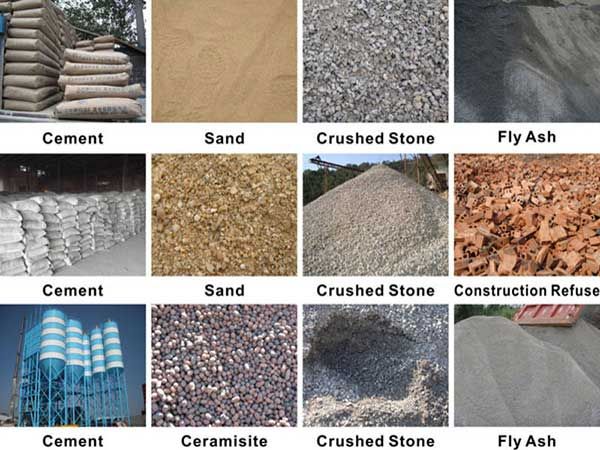
- Aggregates (Sand, Stone Dust, Grog): Particle size distribution (gradation), clay content, silt content, hardness, and chemical inertness.
- Simento: Type (I, II, III), strength grade, and setting time characteristics.
- Additives: Specific chemical composition and performance criteria (e.g., plasticizers, air-entraining agents, pigments).
- Establish Tolerances: Define acceptable ranges for each parameter. This forms the objective basis for supplier evaluation and quality control upon delivery.
1.2. Commercial and Logistical Requirements
- Volume and Frequency: Project annual consumption, monthly needs, and delivery frequency (daily, weekly, bulk).
- Packaging and Delivery: Required form (bulk tanker, bulk hopper, 50lb bags, super sacks), delivery vehicle specifications, and on-site offloading requirements.
- Cost Structure: Target price ranges, understanding market drivers, and preferred payment terms.
2. The Supplier Discovery and Evaluation Process
A proactive, multi-channel approach is essential to identify and vet potential partners.
2.1. Sourcing Channels and Methods
- Industry Networks and Trade Associations: Engage with national and regional associations for construction materials, mining, or concrete industries. Attend their trade shows and conferences, which are prime venues for meeting established suppliers.
- Online Industrial Directories and B2B Platforms: Utilize global and regional platforms like Thomasnet, Kompass, or industry-specific portals. These allow filtered searches by material type, location, and company capability.
- Geological Surveys and Mining Reports: Government geological departments publish data on local mineral deposits (clay, shale, sand pits). This can lead to discovering local mining or quarrying operations.
- Peer Referrals and Industry Intelligence: Consult with other manufacturers (non-competing, if possible), equipment suppliers, or technical consultants. Their experiential knowledge is invaluable.
- Local Scouting and Development: For key materials like clay or sand, physically scouting regions known for deposits and contacting local landholders or small-scale operators can uncover sources.
2.2. The Multi-Stage Supplier Evaluation
Potential suppliers must be rigorously assessed across several dimensions.
- Stage 1: Capability Assessment
- Technical Capability: Can they consistently meet your material specifications? Do they have a quality control lab? Request a detailed product data sheet and certificate of analysis for a current batch.
- Production & Supply Capacity: Do they have the reserves and production throughput to meet your volume demands now and as you grow? Can they handle surge requirements?
- Financial Health: A credit check or financial review is prudent to ensure they are a stable, long-term partner unlikely to cease operations unexpectedly.
- Stage 2: Operational and Commercial Alignment
- Logistics and Location: Proximity to your plant is a major cost and risk factor. Evaluate their fleet capability, lead times, and reliability.
- Cost Competitiveness and Structure: Obtain detailed quotes. Analyze the total delivered cost, not just the unit price. Are their pricing models (e.g., quarterly contracts, spot pricing) aligned with your needs?
- Responsiveness and Communication: Gauge their professionalism during the inquiry process. Are they responsive, knowledgeable, and solution-oriented?
- Stage 3: Sustainability and Risk Profile
- La Xidhiidhida Xeerarka Do they operate with necessary permits (mining, environmental)? A supplier facing regulatory action is a major supply chain risk.
- Sustainability Practices: Increasingly important for your own environmental profile. Do they engage in land reclamation? Are their operations energy-efficient? This can be a differentiator.
- Contingency Planning: What is their business continuity plan? Do they have backup power, multiple production lines, or alternative reserves?
3. Building and Managing Strategic Supplier Relationships
Securing a supplier is the beginning, not the end. The relationship must be actively managed.
3.1. Formalizing the Partnership
- Contracts and Agreements: Move beyond purchase orders. Establish a master supply agreement that outlines: specifications, quality acceptance/rejection procedures, delivery terms (Incoterms), liability, force majeure, conflict resolution, and periodic price review mechanisms.
- Joint Development: For critical materials like clay, work with the supplier on blending or slight modifications to optimize performance in your specific process.
3.2. Incoming Quality Control (IQC) and Performance Management
- Robust IQC Protocol: Every delivery must be subject to a defined inspection and testing routine. This could range from a visual check and certificate review to full laboratory testing for key parameters. Maintain a “hold” policy until materials are approved.
- Performance Scorecarding: Track key supplier KPIs: On-Time In-Full (OTIF) delivery rate, quality acceptance rate, incident frequency (e.g., contaminated loads), and responsiveness. Conduct regular business reviews to discuss performance, cost, and future planning.
3.3. Risk Mitigation through Supply Base Optimization
- The Dual-Source Strategy: For any mission-critical raw material (especially cement and primary aggregates), qualifying at least two suppliers is a fundamental risk mitigation strategy. It protects against disruptions due to breakdowns, labor issues, or logistical problems at a single source.
- Safety Stock and Inventory Management: Maintain strategic buffer stock for critical materials based on lead times and risk assessment. This smooths out supply variability.
- Market Intelligence: Stay informed about broader market trends affecting your key materials—energy costs affecting cement, transportation fuel surcharges, environmental policies affecting mining.
The Commercial Partner’s Perspective on Supplier Networks
For a distributor, the robustness of a manufacturer’s raw material supply chain is a direct indicator of their reliability. Key questions to ask a manufacturing partner include:
- “Who are your primary suppliers for key materials, and how long have you worked with them?”
- “What is your strategy for managing supply risk and price volatility for materials like cement?”
- “How do you verify the quality of incoming raw materials?”
The answers reveal the depth of their strategic planning and their commitment to product consistency.
Conclusion: Sourcing as a Strategic Competency
In brick manufacturing, you are not just processing materials; you are essentially transforming the inherent qualities of your raw inputs into a new product. Therefore, the selection and management of suppliers is a core strategic competency that determines your ultimate market position.
A haphazard sourcing approach leads to production variability, unplanned downtime, and compromised product quality, eroding customer trust and margin. Conversely, a strategic, relationship-based sourcing strategy builds a competitive moat. It ensures consistent quality, provides leverage in cost negotiations, and builds a resilient buffer against market shocks.
The investment in thorough supplier discovery, rigorous qualification, and active relationship management pays exponential dividends in operational smoothness, brand reputation, and long-term profitability. For the astute business leader, the supply chain is not a backend function but a frontline strategic asset, as vital as the production machine itself. By mastering the art and science of sourcing, you secure not just materials, but the very foundation of your business’s future.
FAQ
Q1: Should we prioritize local suppliers even if their price is slightly higher?
A: In most cases, yes, for bulk materials. The “total landed cost” of local supply is often lower when factoring in reduced transportation fees, lower fuel surcharge volatility, and faster, more flexible delivery. The non-cost advantages are even more compelling: shorter supply lines reduce risk, communication is easier, and building a closer collaborative relationship is more feasible. A slightly higher unit price can be a worthy investment in supply chain resilience and responsiveness.
Q2: How do we handle the sourcing of specialty materials or pigments for colored bricks?
A: Specialty materials require a different approach. Here, technical expertise and consistency are paramount over location.
- Go Direct to Manufacturers: For high-quality, consistent pigments (usually synthetic metal oxides), source directly from established chemical manufacturers rather than through intermediaries.
- Demand Extensive Technical Data: Require detailed lightfastness, weathering, and chemical compatibility data.
- Secure Long-Term Agreements: Given their specialized nature and lower volumes, secure supply through annual contracts to guarantee availability and price stability. Dual-sourcing might be difficult, so holding higher safety stock is prudent.
Q3: What are the red flags during the initial evaluation of a potential raw material supplier?
A: Be cautious if a supplier:
- Cannot or Will Not Provide Specification Sheets or Test Data.
- Has No Quality Control Process or Laboratory. (They are selling a natural material “as-is” with no consistency management).
- Is Evasive About Their Reserves or Long-Term Supply Capability.
- Has Poor Communication or Unprofessional Documentation.
- Offers a Price Significantly Below Market Average without a clear, justifiable reason (e.g., proximity). This can indicate inferior quality or unsustainable practices.
- Has Known Regulatory Non-Compliance Issues.
Q4: How can we negotiate better terms with large, dominant suppliers (e.g., cement companies)?
A: Leverage is key when facing a large supplier.
- Consolidate Volume: Negotiate based on your total annual volume across all plants or potential future growth.
- Highlight Your Strategic Value: Position yourself as a stable, long-term, reliable partner in a specific region.
- Explore Logistics Options: Sometimes, arranging your own transport (if you have the capability) can give you access to a lower ex-works price.
- Benchmark and Be Prepared to Walk Away: Have credible alternatives (other cement brands or terminals) to strengthen your negotiating position. Focus on the total value of the partnership, not just price.
Q5: Is it ever advisable to vertically integrate and own our own source (e.g., a clay pit or quarry)?
A: Vertical integration is a major strategic decision with high capital commitment. It is advisable only when:
- Supply is Highly Uncertain or Monopolized in your region.
- You Have Very Large, Long-Term Volume Needs that justify the investment.
- The Material is Central to Your Product’s Unique Identity (e.g., a specific clay giving a unique color).
- You Have the Geological Expertise and Capital to acquire, permit, and operate a mining/extraction site.
For most manufacturers, the capital, regulatory burden, and operational complexity of running a mine are prohibitive. A strategic long-term lease or supply agreement with a dedicated supplier is often the more efficient and lower-risk path.