
Sida loo Doorto Warshadda Mashiinka Sameynta Lebdhaha: Hagaha Iibsiga Dhammaystiran
Hordhac
Doorashada mashiinka samaynta lebenku waa maalgashi rasmi ah oo muhiim ah, laakiin xulashada warshadda saxda ah ee laga iibsado ayaa ah go'aanka si dhab ah u go'aamiya mustaqbalka mashruucaaga. Go'aankan kaliya ayaa maamula kharashka hore ee aad bixinaysid, laakiin sidoo kale waxay saameeyaa wax soo saarkaaga muddada dheer, hufnaanta shaqada, iyo ugu dambayn, faa'iidadaada. La shaqaynta alaab-qeybiyaha qaldan waxay u horseedi kartaa joogsi aan dhammaad lahayn, kharashyada qaybaha beddelka ah ee aad u sarreeya, iyo mashiin aan waligii gaarin karti loo ballanqaaday.
Hagahani waxa uu ku dhisan yahay aasaas khibrad shaqo oo xirfadeed, falanqayn farsamo, iyo khibrad wadajir ah oo laga helay qiimeynta alaab-qeybiyeyaal badan oo caalami ah. Ujeedadeennu waxa weeye in aan kaaga gudubno isbarbardhigga liiska qiimaha ee fudud. Waxaan kugu qalabayn doonaa qaab dhammaystiran oo qeexan oo ku salaysan xaqiiqo si aad u qiimeyso kalsoonida warshadda, habboonaanta mashiinka, iyo qiimaha dhabta ah ee shuraakada muddada dheer.
Ka gudubista suuqa caalamiga ah ee ka buuxa balanqaadyo kala duwan oo tayada ah waxay noqon kartaa mid culus. Qoraalkan ayaa kaa caawin doona inaad ka gudubto buuqa. Waxaan u kala qaadaynaa qiimeynta afar tiir oo muhiim ah:Waxaa loo tarjumi karaa sidan: "Aqoonsiga Warshadda, Mashiinka & Teknolojiyadda, Nidaamka Taageerada, iyo Shuruudaha Ganacsiga."Ugu dambeyntii, waxaad si dhab ah u ogaan doontaa waxa la raadinayo, su'aalaha la weydiinayo, iyo sida loo gaaro go'aan kalsooni leh oo xog-ogaal ah.
1. Qiimaynta Shahaadada iyo Sumcadda Warshadda (Aasaaska Kalsoonida)
Before you even look at a machine, you must vet the entity building it. The factory’s reputation is your first and most crucial line of defense against risk.
Years in Business and Industry Specialization
Longevity in manufacturing is often a strong indicator of stability and evolved expertise.
* A factory that has weathered market cycles has likely refined its processes, improved its designs, and built a more reliable supply chain.
* Crucially, seek out factories that specialize in brick and block making machinery. A specialist will have deeper, more focused R&D, understand nuanced production challenges, and offer more relevant technical support than a general heavy equipment manufacturer.
Verifiable Certifications and Quality Standards
Certifications are not just plaques on the wall; they are evidence of a systematic approach to quality.
* ISO 9001: This is the gold standard for Quality Management Systems. It indicates the factory has documented processes to ensure consistency and continuous improvement.
* Calaamadda CE: For sales into Europe, this is mandatory. It signifies the product meets EU safety, health, and environmental protection requirements. For non-EU buyers, it still demonstrates a commitment to recognized safety standards.
* Look beyond the certificates. Ask about their in-house quality control (QC) processes at each production stage and their system for material traceability. Where do they source their steel plate?
Investigating Global Presence and Client Portfolio
A genuine export history is a powerful credibility signal.
* Don’t just accept a claim of “exporting to 80 countries.” Ask for specific evidence, such as copies of past shipping documents (with client details redacted) to your region or similar destinations.
* A diverse client portfolio—spanning different continents, climates, and project scales (from small block yards to large automated plants)—shows adaptability and proven performance.
* Critical Caution: Distinguish between sales volume and successful installations. A factory can sell many machines but have a poor track record of them running successfully. This leads us to the most powerful tool: references.
2. Assessing Machine Technology and Manufacturing Capability
Once the factory passes the credibility check, it’s time to scrutinize its product and production prowess. This is where your technical due diligence begins.
Core Machine Specifications vs. Your Project Requirements
The “best” machine is the one that perfectly matches your specific needs. A detailed comparison is essential.
* Create a checklist of your non-negotiable requirements:
* Qalabka Asalka Are you using clay, concrete (vibrated or hydraulic press), or fly ash?
* Wax Soo Saarka Required output per shift (e.g., bricks per hour).
* Nooca Lebiska & Cabbirka Standard blocks, pavers, interlocking bricks, special shapes?
* Heerka Automationka: Manual, semi-automatic, or fully automatic with robotic handling?
* Ilaha Korantada Electric, diesel, or hybrid?
* Discuss isku-dheellitir. Can the machine be easily adapted with different molds to produce new products in the future, protecting your investment?
Factory Tour and Production Process Audit
If possible, visit the factory. It is the most revealing step. If travel isn’t feasible, insist on a live, guided video tour—not a pre-recorded promotional clip.
During the tour, observe:
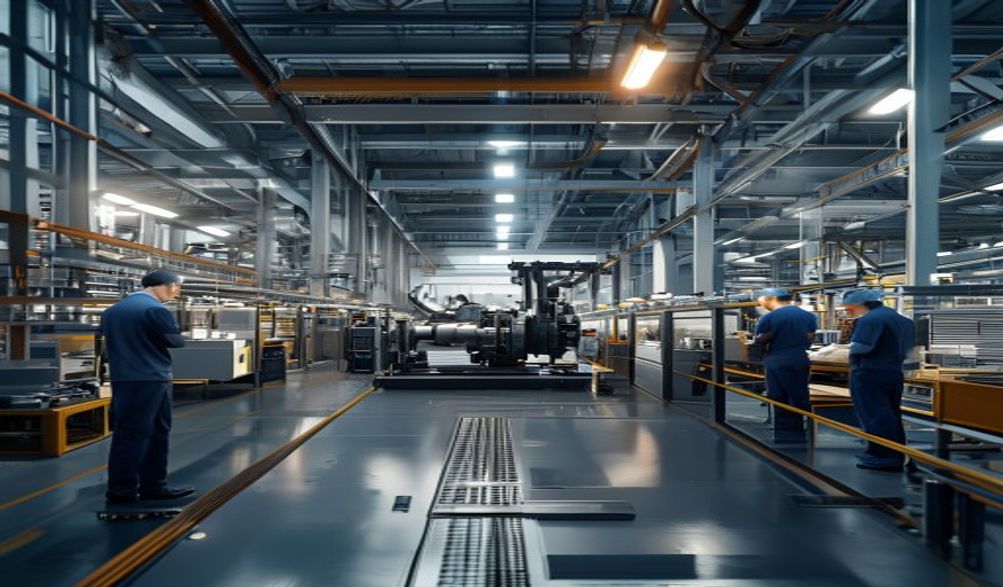
* Workshop Organization: Is it clean, orderly, and safe? Chaos on the floor often translates to chaos in quality.
* Welding Quality: Look for smooth, consistent welds. Poor welding is a major point of future structural failure.
* Paint & Surface Treatment: Is it properly sandblasted before painting? A good paint job prevents rust and indicates care.
* Assembly Precision: Check the alignment of components and the general fit and finish.
* Su'aalaha Muhiimka ah ee La Is Weydiiyo:
* “Who supplies your critical components (hydraulic pumps, PLC systems, electrical parts)?”
* “Can I see your quality inspection reports for these components?”
* “What is your testing protocol for a finished machine before shipment?”
Innovation, R&D, and Customization Ability
The construction industry evolves. Partner with a factory that evolves with it.
* Signs of a progressive manufacturer include an in-house engineering and R&D team, a portfolio of patents, and regular updates to their machine models.
* Customization capability is a major differentiator. Can they modify a standard design to fit your unique raw material or space constraints? A factory willing to engineer solutions is a true partner, not just a vendor.
3. Analyzing the After-Sales Support and Service Ecosystem
The machine will eventually need service. The quality of the factory’s support determines your cost of downtime. This is where the true cost of a “cheap” machine is revealed.
Warranty Terms, Spare Parts Policy, and Logistics
Read the warranty document with a magnifying glass.
* Coverage: What is included? Typically, it covers manufacturing defects in workmanship and materials. What is explicitly excluded (wear parts, misuse)?
* Duration & Response: Is it 12 months from shipment or commissioning? What is the guaranteed response time for a technical issue?
* Qaybaha Geynta: This is critical. Ask for a spare parts price list upfront. Evaluate:
* Availability: Are common wear parts kept in stock?
* Logistics: How quickly can they ship parts to your port? Do they have experience with customs clearance in your country?
Technical Training and Installation Supervision
Your operators must know how to run and maintain the machine.
* Training: Does the price include comprehensive training? Will it be conducted at their factory, at your site, or via video? A proper training manual (in your language) is a must.
* Isku-dhajinta & Ka-qaybgalka: Will the factory send engineers to supervise installation, calibrate the machine, and ensure it produces quality bricks from day one? Understand if this service is included or is an additional, vital cost.
Availability of Local or Regional Service Agents
This is a game-changer.
* A factory with a dedicated service agent or partner in your region or country means drastically faster response times for troubleshooting, spare parts delivery, and on-site repairs.
* It demonstrates the factory’s long-term commitment to supporting its clients in your market.
4. Navigating Commercial Terms and Final Decision Factors
With the technical and support analysis complete, you must now navigate the commercial agreement with clear eyes.
Understanding the True Cost: From FOB to CIF
The quoted machine price is just the beginning. You must understand Total Landed Cost.
* FOB (Bilaash Ku Dhoofinta Dhoofinta) Price at the factory’s port. You are responsible for all shipping, insurance, and destination costs.
* CIF (Cost, Insurance, Freight): Price includes shipping and insurance to your nearest port. You handle port clearance and inland transport.
* Full Breakdown: A professional factory will help you build a full cost model, including:
* Machine Price
* Sea/Air Freight & Insurance
* Import Duties & Taxes
* Inland Transportation to Site
* Installation & Commissioning Costs
* Cost of Foundation & Utilities Hookup
* Remember: The lowest FOB price can lead to the highest total cost of ownership when you factor in poor reliability and expensive, slow support.
Communication and Professionalism
Your sales and technical communication during the inquiry phase is a preview of future service.
* Are they responsive, patient, and transparent?
* Do their engineers communicate clearly and knowledgeably, or do they evade specific technical questions?
* Professionalism in this stage strongly correlates with professionalism after the sale.
The Final Checklist Before Signing a Contract
Do not proceed until you can check these boxes:
* [ ] Factory credentials and references have been independently verified.
* [ ] A detailed, signed Technical Agreement annexes the contract, specifying all machine specs, performance guarantees, and acceptance criteria.
* [ ] Payment terms are clear and secure (e.g., 30% deposit, 70% against copy of Bill of Lading, or using a Letter of Credit).
* [ ] Warranty documentation is explicit and comprehensive.
* [ ] Spare parts policy and price list are received and acknowledged.
* [ ] Training and installation plans are documented, with responsibilities and costs clarified.
* [ ] All Incoterms (FOB/CIF/etc.) and delivery timelines are mutually understood.
Su'aalaha Inta Badan La Is Weydiiyo (FAQ)
Q: What is the most important factor when choosing a brick machine factory?
A: While price is a consideration, the most critical factor is the factory’s proven reliability and its after-sales support structure. A slightly more expensive machine from a reputable supplier with strong support will save immense money, time, and stress from downtime in the long run.
Q: How can I verify a factory’s overseas project references?
A: Request specific project details: country, client company name, machine model, and installation date. Ask for permission to contact 2-3 references directly. Alternatively, ask for detailed case studies or video testimonials from these clients. Be highly skeptical of factories that only provide vague, unverifiable claims.
Q: Is it necessary to visit the factory in person?
A: It is highly recommended and often worth the investment. A physical inspection reveals the factory’s true manufacturing capability, quality culture, and scale. If travel is impossible, insist on a live, interactive video tour of the entire production facility, guided by a senior engineer.
Q: What’s the difference between a CE certificate and ISO certification?
A: Calaamadda CE is a mandatory safety conformity mark for products sold in the European Economic Area, indicating it meets EU health, safety, and environmental standards. ISO 9001 is a voluntary international standard for Quality Management Systems, focusing on the factory’s processes to ensure consistent quality and customer satisfaction. Both are valuable but address different aspects.
Q: Should I choose the factory offering the longest warranty?
A: Warranty length is less important than warranty coverage, clarity, and enforceability. A clear, comprehensive 12-month warranty is far better than a vague 5-year warranty that excludes almost everything. Scrutinize what parts and labor are included, the claim process, and the guaranteed response time.
Gabagabo
Choosing the right brick making machine factory is a multi-dimensional analysis that balances credentials, technology, support, and commercial clarity. It is a due diligence process that, when done thoroughly, becomes your best risk mitigation strategy.
Invest the time upfront. Use the structured pillars in this guide—Credentials, Technology, Support, Commercial Terms—as your evaluation framework. Shortlist 3-5 factories that pass the initial credibility check, then engage them in detailed technical and commercial discussions.
Remember, your goal is not just to buy a machine. It is to initiate a professional partnership that will support your business for the next decade. The right factory will make you feel confident in that partnership from the very first interaction.
Call to Action: Use this guide as your definitive checklist. As you navigate the selection process, if you encounter specific scenarios or need help evaluating particular claims from suppliers, consider this resource your starting point. Making an informed choice is the first step toward a productive and profitable brick-making operation.
<