
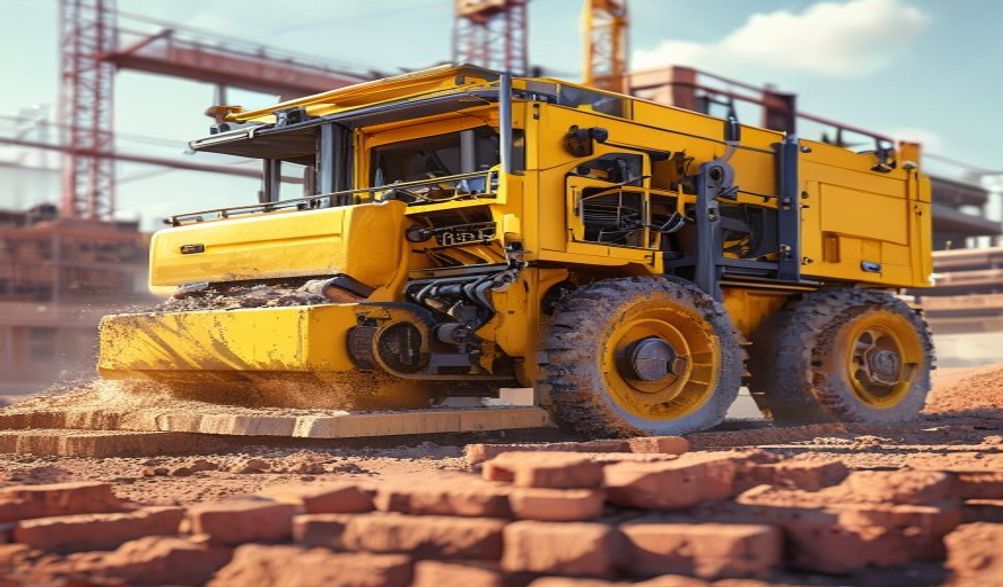
How to Choose a Diesel Brick Making Machine: A 2026 Buyer’s Guide
Hordhac
Selecting the right diesel brick making machine isn’t just a purchase; it’s a pivotal investment in the success of your construction project or manufacturing business. The correct choice directly translates to cost-efficiency, reliable output, and long-term growth. A poor choice, however, can lead to crippling downtime, ballooning operational costs, and failed project deadlines.
This comprehensive guide is distilled from years of industry experience, deep technical analysis, and real-world operational feedback. We understand you’re likely a contractor, a small-to-medium enterprise owner, or a project manager seeking a robust, off-grid solution for producing high-quality bricks, blocks, or pavers.
By the end of this article, you will master the key specifications to compare, the critical questions to ask suppliers, and the common pitfalls to avoid. You’ll have a clear, actionable framework for how to choose a diesel brick making machine with confidence, ensuring your investment becomes a cornerstone of your productivity.
Understanding Diesel Brick Making Machines: Capabilities and Applications
Before diving into specifications, it’s crucial to understand where diesel-powered machines excel and why they might be the optimal solution for your specific needs.
How Diesel-Powered Machines Differ from Electric & Hydraulic Models
Diesel brick machines occupy a unique and vital niche in the construction equipment landscape. Their core advantage lies in power independence.
- Fuel Efficiency & High Torque: Diesel engines are renowned for their high torque output at low RPMs. This makes them exceptionally efficient at powering through dense, heavy raw material mixes (like soil-cement or high-density concrete) without straining. They deliver consistent power where it’s needed most.
- Off-Grid Operation: This is the primary differentiator. Unlike electric models, a diesel brick making machine requires no grid connection. This makes it the undisputed champion for remote job sites, rural areas with unreliable electricity, or regions where setting up temporary power is prohibitively expensive or complex.
- Ruggedness and Simplicity: Generally built with robust components to withstand harsh site conditions, diesel machines often have a mechanical simplicity that favors durability and easier field maintenance compared to some complex fully-electric systems.
Common Projects Suited for Diesel Brick Machines
These machines are not a one-size-fits-all solution, but they are ideal for:
* Large-Scale Housing Projects: Especially in developing regions or new township developments where infrastructure is still being established.
* Road & Infrastructure Construction: Perfect for on-site production of interlocking pavers, curbstones, and drainage blocks.
* Perimeter Walls and Fencing: Efficiently producing hollow blocks for compound walls directly at the construction site.
* Industrial Flooring and Pavements: Manufacturing heavy-duty paving blocks for warehouses, parking lots, and public spaces.
7 Critical Factors to Consider When Choosing Your Machine
This section forms the core of your decision-making process. Evaluating each factor against your specific needs is non-negotiable.
1. Production Capacity & Output Requirements
Capacity is the first number you must define. It’s the difference between meeting deadlines and falling behind.
- Analyze Real Output: Don’t just look at the “bricks per hour” in ideal conditions. Ask for the realistic output per 8-hour shift for the specific brick type you need. Is it 1,500 bricks or 8,000? A machine rated for 5,000 hollow blocks per day is a vastly different asset than one for 20,000 solid bricks.
- U Qiyaaskaaga Ku Habboon: A small contractor building a few homes has different needs than a block yard supplying an entire city. Over-capacity wastes capital; under-capacity loses contracts and money.
2. Brick Type, Size, and Mold Compatibility
Your machine must produce the product your market demands.
- Kala Duwanaanta Alaabta Can it produce only solid bricks, or also hollow blocks, interlocking pavers, kerbstones, and designer blocks? Your future business flexibility may depend on this.
- Nidaamka Qalabka Qoriyaha This is critical. How are molds changed? Is it a quick-change system, or a labor-intensive process? Does the manufacturer offer a wide range of standard and customizable mold options? The ability to switch products quickly is a significant competitive advantage.
3. Machine Durability and Build Quality
This factor determines your machine’s lifespan and total cost of ownership. A cheap machine is often the most expensive in the long run.
- Materials Matter: Inspect the quality of steel used in the frame, vibration table, and mold carriage. High-grade, thick steel resists warping and fatigue.
- Welding and Finishing: Look for clean, consistent welds (not spotty or uneven) and proper rust-prevention treatment like sandblasting and painting.
- Component Brands: Recognizable, reputable brands for critical wear parts (bearings, seals, hydraulic pumps if applicable) indicate a manufacturer that prioritizes longevity.
4. Diesel Engine Specifications and Fuel Efficiency
The engine is the heart of the machine. Its reliability dictates your operational uptime.
- Horsepower (HP) & Brand: Ensure the engine HP is adequate for the machine’s designed load. Brands like Deutz, Perkins, Cummins, or Yanmar carry a premium for proven reliability and global service networks. Reputable Chinese brands (e.g., Weichai) can offer good value but require more diligent vetting.
- Cooling System: Is it air-cooled or water-cooled? Water-cooled engines generally maintain more stable temperatures under continuous heavy load, which is crucial for 8-12 hour production shifts.
- Fuel Consumption: Ask for specific fuel consumption data (e.g., liters per hour under load). A slightly more expensive but fuel-efficient engine can save thousands in operational costs over a few years.
5. Automation Level: Manual, Semi-Automatic, Fully Automatic
This choice balances initial investment with labor costs and output speed.
- Buugga Tilmaamaha: Lowest cost, highest labor intensity. Operator manually feeds material, operates controls, and removes bricks. Suitable for very small-scale or intermittent production.
- Nus-awtomaatiga ah: The sweet spot for many businesses. The machine automates the critical compaction and vibration cycles. Operators feed material and remove finished bricks. Offers excellent balance of output, cost, and flexibility.
- Oo Dhammeeyso: Highest output and consistency, lowest direct labor. Features automatic feeding, molding, stacking, and sometimes palletizing. Requires a significantly higher initial investment and more stable, high-volume raw material feed.
6. After-Sales Support and Service Availability
This is arguably the most critical factor and a major differentiator between suppliers. A machine without support is a future paperweight.
- Comprehensive Warranty: What is covered (parts, labor)? For how long (e.g., 12 months)? What are the claim procedures?
- La Helitaanka Qaybaha Gadaal Does the supplier stock a comprehensive inventory of wear parts (mold liners, springs, bearings)? What is the lead time for ordering?
- Taageerada Tekniko Is phone or online support available? Will they provide detailed operation and maintenance manuals?
- Training: Does the purchase include on-site installation and operator training? Proper training prevents misuse and early breakdowns.
7. Budget: Initial Cost vs. Long-Term Operational Cost
Look beyond the sticker price to the Qiimaha Guud ee La Iska Leeyahay (TCO).
- TCO Calculation Includes:
- Purchase Price & Shipping
- Fuel Consumption (Projected over 1-3 years)
- Routine Maintenance (Oil, filters, grease)
- Wear Parts Replacement (Molds, liners, bearings)
- Labor Costs
- The False Economy: A machine that is 30% cheaper but consumes 40% more fuel and breaks down twice a year will cost you far more in the long run. Invest in quality and support.
Step-by-Step Selection Process
Follow this methodical approach to navigate the purchasing journey.
Step 1: Conduct a Thorough Needs Assessment
Document your exact requirements: target daily output, brick types, raw materials (clay, soil, cement mix), site location (and power availability), available workforce, and budget range.
Step 2: Research and Shortlist Reputable Manufacturers
Use B2B platforms, industry directories, and trade references. Vet manufacturers based on:
* Years in business and operational history.
* Client portfolio and verifiable project photos/videos.
* Relevant certifications (ISO, CE marking for certain components).
* Physical factory presence (be wary of pure trading companies with no manufacturing control).
Step 3: Request and Compare Detailed Quotations
A professional quote should be a detailed document, not just a price on an email. Your checklist:
* Complete technical specifications.
* Detailed scope of supply (what is and isn’t included).
* Clear warranty terms and conditions.
* Delivery timeline and Incoterms (FOB, CIF, etc.) defining shipping responsibilities.
* Breakdown of optional extras and spare part kits.
Step 4: Seek References and Watch Machine Demos
This is your due diligence phase.
* Ask for References: Request contact information for 2-3 clients in a similar region/application. Call them. Ask about machine performance, fuel use, and after-sales service.
* Demand a Demo: Insist on a live video demonstration showing the machine producing the brick type you need. Failing that, detailed, unedited videos from the factory floor are essential.
Step 5: Finalize Logistics and Support Agreements
Before payment, ensure all agreements are in writing:
* Final proforma invoice with all agreed terms.
* Warranty certificate.
* Agreement on installation & commissioning support (if included).
* Details on shipping documentation and customs clearance assistance.
Common Mistakes to Avoid When Buying
Learning from others’ errors can save you immense frustration and capital.
- Prioritizing Price Over Quality and Support: The cheapest offer is almost always the most expensive long-term solution.
- Overestimating or Underestimating Production Needs: Buying an oversized machine ties up capital; an undersized machine fails to meet demand. Stick to your needs assessment.
- Neglecting to Test the Machine or Verify Supplier Claims: Never buy based on brochures alone. The demo and reference checks are your most powerful tools.
- Not Planning for Raw Material Compatibility: The machine must be suited to your local soil, clay, or cement mix. Provide your raw material sample to the manufacturer for testing their machine’s compatibility.
Su'aalaha Inta Badan La Is Weydiiyo (FAQ)
Q1: What is the average fuel consumption of a diesel brick making machine?
A: Consumption varies widely based on engine size and load. A typical machine with a 20-30 HP engine may use 2.5 to 4.5 liters of diesel per hour under full production load. Always request specific data from the manufacturer for your target model.
Q2: Can a diesel brick machine use different types of raw materials?
A: Yes, most are versatile. They can work with clay, soil, cement-stabilized earth, fly ash, and even certain concrete mixes. The key is the moisture content and mix consistency. The material must be properly prepared to ensure optimal compaction and brick strength.
Q3: How much maintenance does a diesel brick machine require?
A: Regular maintenance is essential for longevity.
* Daily: Check engine oil and coolant levels, clean the machine.
* Weekly: Lubricate all moving points (bearings, guide rails), check for loose bolts.
* Monthly/Per Hours: Change engine oil and filters, inspect mold liners and vibration components for wear.
Q4: What is the typical warranty period, and what does it cover?
A: A reputable manufacturer typically offers a 12-month warranty against manufacturing defects. It should cover parts replacement. Crucially, understand what is excluded—usually wear parts (like mold liners), damage from improper operation, or lack of maintenance.
Q5: Are there reputable diesel brick machine manufacturers you recommend?
A: Rather than endorsing a single brand, we advise you to evaluate manufacturers against these criteria: minimum 10+ years in business, ISO quality management certification, a transparent client list, ability to provide live demos, and a clear global or regional service network. Focus on suppliers who act as long-term partners, not just sellers.
Gabagabo
Choosing the right diesel brick making machine hinges on a disciplined analysis of seven critical factors—from production capacity and engine specs to the non-negotiable element of after-sales support. By following the step-by-step selection process and avoiding common pitfalls, you transform a complex purchase into a strategic investment.
Remember, this machine will be a core asset for years to come. The time and diligence you invest in research and supplier vetting now will pay dividends in reliability, profitability, and peace of mind.
Ready to discuss your specific project needs? Contact our industry specialists for a personalized consultation and a detailed quote tailored to your requirements.
Download our free comprehensive checklist for inspecting and evaluating a diesel brick making machine before purchase to ensure you cover every critical point.
Our guidance is built on a foundation of practical expertise, with the singular goal of empowering you to make a confident, informed decision that fuels your success.
<