
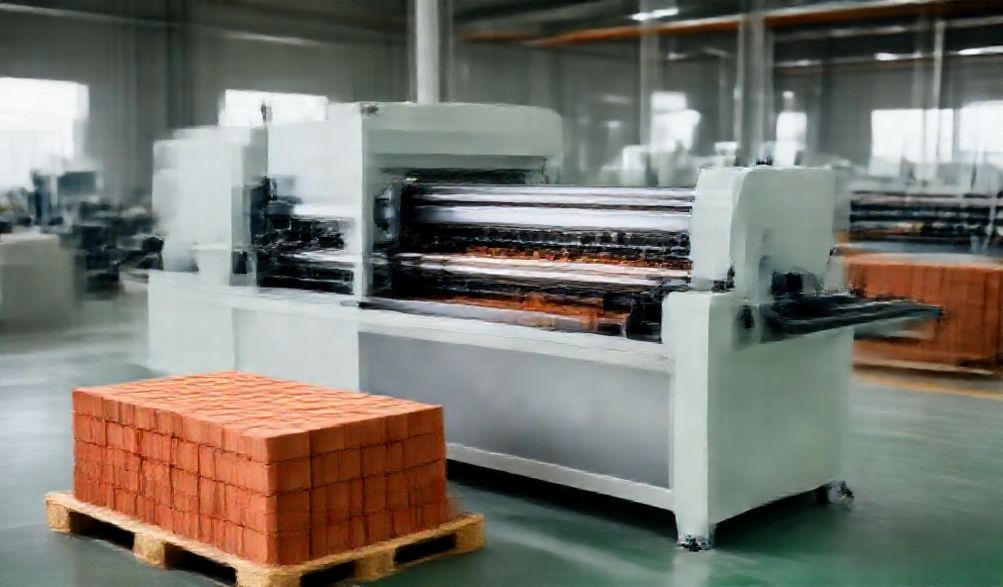
Guud ahaan Qoraalka Ku Saabsan Warshadaha Yaryar ee Makinada Loo Sameeyo Lebi ee Shiinaha (2026)
Hordhac
Warshada dhismaha caalamku waxay ku tiirsan tahay waxsoosaarka iyo qiimo jaban. Laga bilaabo mashruucyada waaweyn ee dhismaha mashaakilda ilaa horumarinta guryaha ee bulshada ku dhisantay, baahida loo qabo qalab dhismeed lagu kalsoonaan karo oo qiimo jaban waa mid caalami ah. Dhinaca ugu muhiimsan ee baahidan waxaa ku jira qalab muhiim ah: makiinada yar ee sameynta libaaxa. Oo marka dunidu ay ka soo saartaa qalabkan, waddan kaliya ayaa ah isha lagu sameeyo - waa Shiinaha.
Ganacsatada, shirkadaha dhismaha, iyo ururada aan dowli ahayn ee adduunka oo dhan, fursadda ay ka soo saaraan Shiinaha waa fursad aad u wanaagsan iyo caqabad halis ah. Tirada kala duwan ee la heli karo ayaa yaab leh. Raadinta internetka ee fudud ayaa muujinaysa kunno ka badan iibsadayaal, mid kasta oo ballan qaadayaa tayada ugu fiican, qiimaha ugu jaban, iyo adeegga ugu aamin ah. Sidee baad ugu dhaqaaqi kartaa dhulkaas adag? Sidee baad u kala saari kartaa warshad lagu kalsoon yahay oo tayo leh iyo dhexdhexaad ama, ka sii xun, hawlo aan la aamin karin?
Halkan waa hagahaaga dhammaystiran. Waxaan ka saaraynaa isku dheg-dhegga si aan u siino falanqeyn cad, oo hage ah, oo ku saabsan warshadaha Soomaaliya ee soo saarista makiinadaha yar ee dhisidda lebi. Waxaad si cad u fahmi doontaa kooxaha warshadeed, waxaad baran doontaa sida loo kala saaro noocyada warshadaha kala duwan, waxaadna bartaa talaabo-talaabo loo maro hubinta iibiyeyaasha. Aragtidayada waxaa ku dhisay sanado badan oo khibrad toos ah, tijaabiyo warshadeed, iyo falanqeyn hababka ganacsiga adduunka. Tani waxaad u aragtaa tallaabadaadii ugu horreysay ee aad ku tustaan iskaashiga iibinta oo guul iyo faa'iido leh.
Fahanka Dhismaha Warshadaha China ee Makinadaha Lebiska
Awoodda wax soo saarka ee Shiinuhu ma mid khaldana ah; waxaa loo qaybiyay gobollada khaas ah ee warshadaha. Qalabka la isticmaalo in lagu sameeyo lebiska, goobahaas ayaa ah fursadaaga hore ee istaraatiijiyadeed. Gobol kasta wuxuu kor u qaaday awoodo, silsilado iyo khibrado gaar ah muddo dhowr sano.
Xarumaha iyo Kooxaha Waaweyn ee Warshadaha
- Fujian Province (Quanzhou): Often called the “Brick Machine Capital of China,” Quanzhou is the epicenter for fully automatic and high-end block making machines. Factories here are known for advanced technology, strong R&D focus, and exporting to demanding markets like Europe and North America. If you’re looking for a sophisticated, automated production line, this is your primary target.
- Gobolka Shandong: This region is a powerhouse for heavy-duty industrial machinery. Shandong factories excel in producing robust, high-output machines suitable for large-scale production. They are particularly strong in stationary plant equipment and machines designed for cement-based products.
- Gobolka Guangdong A hub for all manufacturing, Guangdong offers a wide mix. You’ll find factories producing semi-automatic and fully automatic machines, often with a focus on export-friendly design and packaging. The proximity to major ports like Shenzhen and Guangzhou makes logistics exceptionally efficient.
- Henan Province: This inland cluster is highly competitive on price and specializes in smaller, manual, and semi-automatic machines, as well as mobile brick making machines. It’s an excellent source for affordable, entry-level equipment suitable for small businesses or startups in developing markets.
Types of Factories: From OEMs to Trading Companies
Not all “factories” are created equal. Understanding the business model of your supplier is critical.
-
Original Equipment Manufacturers (OEMs):
- What they are: These are the actual manufacturers. They design, engineer, and build the machines on their own production floors.
- Faa'iidooyinka: Lower costs (no middleman), greater potential for customization, direct control over quality, and deeper technical knowledge.
- How to Identify: Look for extensive workshop videos, details about their R&D team, and ownership of patents or proprietary technology. They will speak in detail about production processes, not just sales.
-
Shirkadaha Ganacsiga:
- What they are: Intermediaries that source products from various factories and sell them to international buyers.
- Faaiidooyinka: Easier communication (often have fluent English staff), can consolidate orders from multiple factories, handle export documentation.
- Laba. Added markup on prices, potentially less technical expertise on specific machine details, less control over production quality and timelines. A trading company’s reliability is only as good as the factory they use.
-
Integrated Exporters:
- These are OEMs that have developed strong, in-house international sales and service departments. They offer the best of both worlds: manufacturing control with export-ready service. They are often the most reliable partners for first-time importers.
How to Identify and Vet Reputable Factories
Due diligence is non-negotiable. This process protects your investment and ensures long-term success.
Essential Factory Credentials and Certifications
Legitimate factories will proudly display their credentials. Key documents to request include:
- Business License: The basic legal document. Verify the company name, registered capital, and scope of business align with manufacturing machinery.
- ISO 9001 Certification: An international standard for Quality Management Systems. It indicates the factory has structured processes for consistent quality.
- CE Marking (for EU markets): This is a mandatory conformity mark for machines sold in the European Economic Area. It signifies the product meets EU safety, health, and environmental requirements. Fiiro gaar ah: A “CE Certificate” from a Chinese agency is not the same as EU compliance. Ask for the test reports from a notified body.
- Other Certifications: Depending on your market, look for other marks like SAA (Australia), GOST (Russia), or SONCAP (Nigeria).
Verification Tip: Don’t just accept scanned copies. You can often verify business licenses on Chinese government portals or ask for a video call where they show the original certificates in their office.
Due Diligence Checklist for Buyers
Follow this actionable checklist to separate the best from the rest.
-
Online Verification:
- On B2B platforms like Alibaba, check their “Gold Supplier” tenure. Longer is generally better.
- Analyze their transaction history and read both positive and negative reviews carefully.
- Assess the quality of their storefront: detailed specifications, real workshop photos (not stock images), and professional videos.
-
Factory Audit (Virtual/Physical):
- Request a live video tour. A reputable factory will readily agree.
- What to look for: Organized production lines, active welding and assembly stations, quality control checkpoints, a clean raw material storage area, and a dedicated R&D or testing area.
- Ask to see their quality control sheet for finished machines.
-
Requesting and Evaluating Samples:
- For machinery, a “sample” often means a performance video of the exact model you’re interested in, producing bricks from the raw materials you plan to use.
- Request a video that shows the full cycle: feeding, compression, ejection, and stacking. Listen to the machine’s sound and observe its stability.
- If feasible, visiting to test the machine yourself is the gold standard.
-
Checking References and Past Projects:
- Ask for 2-3 references from clients in your region or a similar industry.
- Request case studies or project photos/videos showing their machines installed and operating at a customer’s site.
- Check if they have an active YouTube channel or social media showcasing real-world applications.
Key Considerations When Sourcing Small Brick Making Machines
Choosing the right partner is half the battle. The other half is specifying the right machine for your needs.
Machine Specifications and Technology
-
Types of Machines:
- Buugga Tilmaamaha: Low-cost, low-output, entirely human-powered. Ideal for very small-scale or community projects.
- Nus-awtomaatiga ah: A balance of price and output. Some processes (like mixing, feeding) are manual, while compression and ejection are powered.
- Oo Dhammeeyso: High-output machines with automated material feeding, compression, ejection, and stacking. Require a higher investment but offer the best efficiency and consistency.
- Mashinooyinka Block-ka Mobilada: Mounted on a trailer, these can be moved between job sites. Perfect for producing bricks directly where they will be used.
-
Furahaaha Muhiimsan:
- Soo saar Measured in bricks per hour or per 8-hour shift. Be realistic about your needs.
- Nooca Korontada: Electric (clean, consistent), Diesel (for sites without grid power), or Hybrid.
- Brick Size & Type: Ensure the machine can produce the specific brick size (e.g., hollow block, solid block, interlocking brick) you need.
- Qaybaha Aasaasiga ah: Inquire about the brand of the nidaamka hydraulics (the heart of the machine), the material and hardness of the qashin, the thickness of the steel in the frame, and the sophistication of the Nidaamka kontoroolka ee PLC.
Quality vs. Cost: Finding the Right Balance
The initial price tag is just one part of the Total Cost of Ownership.
- Cost Structure: A machine’s price reflects material quality (steel grade), component brands (imported vs. local hydraulics), labor, and the factory’s investment in R&D and testing.
- The “Cheapest Option” Trap: A machine that is 20% cheaper often uses inferior steel, low-grade hydraulic seals, and poorly machined moulds. This leads to frequent breakdowns, high maintenance costs, inconsistent brick quality, and costly downtime. It becomes the most expensive option over 2-3 years.
- Setting a Realistic Budget: Invest in a machine built to last. Your budget should account for a robust machine from a reputable factory that includes a solid warranty and after-sales support, not just the lowest possible FOB price.
After-Sales Service and Support
This is where great factories distinguish themselves from the crowd.
- Documentation: Insist on a comprehensive English manual, a detailed parts catalog with diagrams, and clear installation guides.
- Warranty: Standard warranties range from 1 to 2 years for key components like the hydraulic system and frame. Understand exactly what is covered (parts, labor, shipping) and what is considered “wear and tear.”
- Spare Parts & Support: Confirm that spare parts (like moulds, seals, filters) are available and can be shipped quickly. Determine their technical support model: is it via WhatsApp/Email, remote video diagnosis, or do they have agents in your region for on-site service?
The Procurement and Logistics Process
From Inquiry to Shipping: A Step-by-Step Guide
- Inquiry & RFQ: Send a detailed Request for Quotation. Specify machine type, desired output, brick dimensions, raw materials, and power requirements.
- Proforma Invoice (PI): The supplier will issue a PI detailing price, payment terms, delivery time, and specifications. This is your key negotiating document.
- Payment Terms: Common methods are T/T (Telegraphic Transfer), with a 30% deposit and 70% before shipment, or L/C (Letter of Credit) for larger, higher-risk orders.
- Production & Inspection: Agree on a production timeline. Schedule a Pre-Shipment Inspection (PSI) either by a third-party inspector or via detailed video before the machine is crated.
Navigating Logistics: Incoterms and Shipping
- Understanding Incoterms:
- EXW (Ka soo bixinta Warshadeed): You own the goods at the factory gate. You arrange and pay for all shipping, insurance, and customs. Maximum control, maximum complexity.
- FOB (Bilaash Ku Dhoofinta Dhoofinta) The factory delivers and loads the machine onto the ship at the Chinese port. You take over from there, handling sea freight and destination port costs. The most common and balanced term.
- CIF (Cost, Insurance & Freight): The factory pays for the machine, insurance, and freight to your nearest port. Simpler for you, but you have less control over the shipping process and may pay a premium.
- Shipping Method: For small brick making machines, sea freight (LCL or FCL) is almost always the most cost-effective. Air freight is prohibitively expensive for such heavy, bulky items.
FAQ Section
Q1: What is the average lead time for a small brick making machine from China?
From order confirmation to shipment, lead times typically range from 20 to 45 days, depending on the machine’s complexity, customization level, and the factory’s current order book. Always confirm this in writing before payment.
Q2: Can Chinese factories customize machines for specific brick types or raw materials?
Yes, reputable OEMs excel at customization. You can request modifications for unique brick shapes/sizes, specific raw material mixes (like high fly ash or clay content), or special features like color feeding systems. Customization will affect the price and lead time.
Q3: What are the most common payment methods, and which is safest for the buyer?
T/T with a 30% deposit and 70% balance against copy of shipping documents is standard. For new relationships or large orders, an L/C (Letter of Credit) provides more security as payment is contingent on the bank verifying shipping documents. Avoid 100% upfront payments.
Q4: How do I handle machine installation and operator training?
Most factories provide detailed installation manuals and video guides. Many also offer remote video installation support. For a fee, some factories can send an engineer to your site. Operator training is usually done via detailed video tutorials and remote guidance. Clarify the level of support included in your price.
Q5: What are the hidden costs I should be aware of besides the machine price?
Budget for: International bank transfer fees, export customs clearance in China (if not on CIF), sea freight and insurance, import duties and taxes in your country, customs broker fees, and inland transportation from your port to your site.
Q6: How can I protect myself from scams or low-quality suppliers?
Follow the vetting process in this guide. Be wary of prices significantly below market average, suppliers who avoid video calls or factory tours, and those who pressure for 100% upfront payment. Always start with a small order or sample if possible. Use secure payment methods and consider third-party inspection services.
Gabagabo
Sourcing a small brick making machine from China is a significant step toward building a profitable and sustainable business. The path to success is clear: begin by understanding the specialized manufacturing clusters, diligently vet factories by looking beyond the website to their credentials and production floor, and prioritize a balance of quality and comprehensive after-sales support over the allure of the lowest price. Finally, master the logistics terms to ensure a smooth journey from the factory to your site.
Remember, this is not just a transaction; it’s the beginning of a partnership. The time and effort you invest in thorough due diligence today will pay dividends for years to come in the form of reliable equipment, consistent production, and a trustworthy supplier relationship. Use this guide as your actionable checklist. Forge your partnership with confidence, and lay the foundation for your success, one brick at a time.
<