
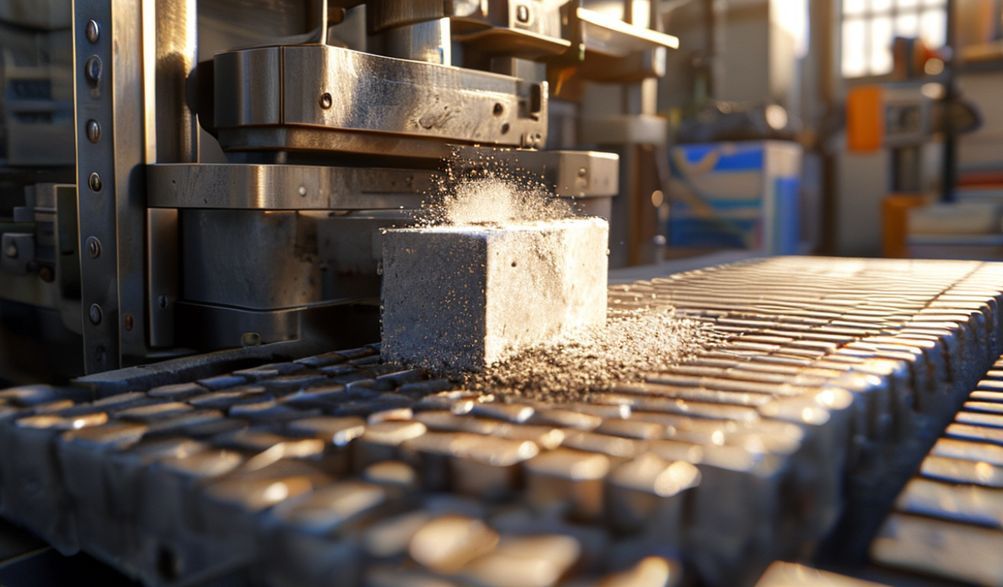
Дастури олии мошини сохтани хишти: Намудҳо, Фоидаҳо ва Чӣ гуна интихоб кардан
Муқаддима
Иштиёи ҷаҳонӣ ба хишт бепоён аст. Ҳамчун устувори сохтмон, ҳар сол миллиардҳо хишт барои сохтани хонаҳо, идораҳо ва инфраструктура гузошта мешаванд. Барои асрҳо, ин талабот тавассути кори дастии сахт ва ранҷовар—раванди суст, нобаробар ва гарон—таъмин мешуд. Имрӯз, инқилоби ором ин саноати асосро аз нав ташкил медиҳад. Омадани замони муосир...Машинаи сохтани хиштусули истеҳсоли хиштро табдил дода, аз талоши ҳунармандӣ ба дақиқати муҳандисӣ интиқол медиҳад.
Мушкилоти усулҳои анъанавӣ равшан аст: сифати нопайдо, баланд шудани хароҷоти меҳнат, таъсири ҷисмонӣ ба коргарон ва қобилияти ҳаҷмгузорӣ. Барои соҳибкорон, созандагон ё истеҳсолкунандагоне, ки мехоҳанд ба истеҳсоли хишт дохил шаванд ё онро беҳтар созанд, гуногунии зиёди мошинҳои дастрас метавонад боиси саргармӣ шавад. Чӣ тавр шумо таҷҳизоти дурустро барои эҳтиёҷоти мушаххас, модда ва буҷаи худ интихоб мекунед?
Ин ҷост, ки фаҳмиши комил азмашинаҳои сохтаи хиштмешинаҳои кофисозӣ ба воситаи асосии арзандаи шумо табдил меёбанд. Ин дастгоҳҳо танҳо восита нестанд; онҳо системаҳои мутамарказе ҳастанд, ки барои таъмини устуворӣ, андозагирӣ ва фоидаоварӣ тарҳрезӣ шудаанд. Ин дастур ҳамчун манбаи бетағйир ва мутахассиси шумо хидмат мекунад. Мо технологияи асосиро равшан мекунем, намудҳои гуногуни дастгоҳҳоро таҳлил мекунем ва чорчӯбаи амалиро барои интихоб пешниҳод мекунем — ҳамааш аз рӯи дониши соҳавӣ ва фаҳмиши техникӣ.
By the end of this article, you will have a clear roadmap. You will learn about the various types of brick making machines, their key benefits, the critical factors for choosing the right one, essential operational insights, and answers to the most pressing FAQs. Let’s build a solid foundation of knowledge.
Understanding Bricks Made Machines: Core Technology & Process
Before investing, it’s crucial to understand what you’re buying and how it works. A brick making machine is more than a press; it’s a system engineered to automate and perfect a complex process.
What is a Brick Making Machine? (A Clear Definition)
A brick making machine is a mechanized device that automates the process of molding raw materials—such as clay, concrete (cement-sand-aggregate), or fly ash—into precise, uniform bricks, blocks, or pavers. Its primary function is to replace the variable pressure and form of human labor with consistent, measurable mechanical force. This ensures every single output unit meets exact dimensional and strength specifications. In contrast to manual methods, where output and quality depend entirely on the skill and stamina of the laborer, a machine delivers repeatable performance, turning raw material into a standardized commercial product with minimal human intervention.
Принсипи асосии кор: Аз Маводди Хом то Хишти Тайёр
While designs vary, the core process for most stationary brick making machines follows a logical sequence:
- Хӯрок додан Pre-mixed raw material (with the correct moisture content) is loaded into the machine’s hopper, a large holding container.
- Mixing/Proportioning: Inside the machine, the material may be further homogenized to ensure an even consistency before molding.
- Фишурдан/Қолибкунӣ: This is the heart of the process. The material is fed into a mold cavity. A high-pressure ram—often hydraulic—compresses the material with immense force (measured in tons). This compaction removes air pockets and densely packs the particles together, which is critical for the brick’s final strength.
- Хориҷ кардан: The newly formed, compacted brick is mechanically pushed out of the mold onto a pallet, conveyor belt, or curing rack.
- Даво/Хушк кардан: The green (unfired) brick is then moved to a curing area. For concrete blocks, this involves controlled moisture curing for several days to achieve full strength. For clay bricks, this stage involves drying followed by firing in a kiln.
Қисмҳои асосии мошини стандартӣ
Understanding these components helps in evaluating machine quality and troubleshooting:
* Ҳоппер: The entry point for raw materials. Its size dictates how often it needs refilling.
* Миксер: An integrated or separate unit that ensures water and raw materials are uniformly blended.
* Mold/Dies: The interchangeable tool that defines the brick’s shape, size, and pattern (e.g., solid, hollow, interlocking). High-quality, hardened steel molds are essential for longevity and finish.
* Hydraulic System & Press: The power unit. It consists of a pump, cylinders, and valves that generate the precise high pressure needed for compaction. The system’s tonnage is a key specification.
* Панели идоракунӣ: Houses the electrical controls, from simple buttons on manual machines to programmable logic controllers (PLCs) on automatic models that manage the entire cycle.
Types of Bricks Made Machines: Finding the Right Fit
The “right” machine is the one that aligns perfectly with your production goals, budget, and raw materials. Here’s how the market categorizes them.
By Operation: Manual, Semi-Automatic, and Fully Automatic Machines
- Дастгоҳҳои дастӣ: Operated primarily by hand levers or flywheels. They are low-cost, require no power, and are ideal for very small-scale projects, rural areas, or startups testing the market.
- Натиҷа: Low (e.g., 500-1,000 bricks per 8-hour day).
- Меҳнат: High. Requires constant physical effort.
- Машинаҳои ним-автоматӣ: Use an electric or diesel engine to power the compaction (hydraulic or vibratory) and some feeding/ejection functions. The operator feeds material and removes finished bricks, but the core pressing is automated.
- Натиҷа: Medium (e.g., 1,500-4,000 bricks per day).
- Меҳнат: Moderate. A good balance of automation and affordability for small to medium businesses.
- Машинаҳои пурра автоматӣ: Computer-controlled production lines. They automate feeding, mixing, pressing, ejection, stacking, and sometimes pallet handling. Often feature multiple mold cavities.
- Натиҷа: High to Very High (e.g., 10,000 to 50,000+ bricks per 8-hour shift).
- Меҳнат: Low. Requires only supervisory and maintenance staff. Represents a significant capital investment with the fastest ROI at scale.
By Brick Type: Clay, Concrete (Cement), and Fly Ash Brick Machines
The raw material dictates specific machine designs.
* Дастгоҳҳои хишти гилӣ: Designed to handle plastic clay. They often use an extrusion process where clay is forced through a die to form a continuous column, which is then wire-cut into individual bricks before drying and firing. Some also use hydraulic pressing for specific products.
* Машинаҳои хишти бетонӣ (Сементӣ): The most common type. They use vibration combined with high pressure to compact the semi-dry concrete mix. These are ideal for producing solid, hollow, and paving blocks. Strength is achieved through cement hydration during curing, not firing.
* Машинаҳои хишти хоки парвозии ҳавопаймоӣ: Specifically engineered to use fly ash (a coal combustion byproduct), lime, gypsum, and a small amount of sand. They often use high-pressure hydraulic pressing and steam curing to create a strong, eco-friendly brick. This is a key technology for sustainable construction.
By Production Process: Static Press, Mobile Plant, and Extrusion Machines
- Машинаҳои фишори статикӣ: The standard factory model. The machine is fixed, and materials/bricks are moved to and from it. Offers the highest pressures and best quality control for concrete and fly ash bricks.
- Mobile Brick Plants: Mounted on a trailer, these machines can be moved directly to a construction site. They produce bricks on-site using local soil (for CEBs – Compressed Earth Blocks) or aggregates, drastically reducing transport costs. Perfect for remote projects.
- Extrusion Machines: Primarily for clay. As described, they extrude a continuous clay column. Excellent for high-volume production of standard-shaped clay bricks but less versatile for creating different block types in one machine.
Top Benefits of Investing in a Brick Making Machine
The shift from manual to mechanized production isn’t just about speed; it’s a strategic upgrade with multifaceted returns.
Unmatched Consistency & Superior Quality Control
Every brick produced is identical in dimensions (length, width, height), which simplifies construction and reduces mortar use. The controlled, high-pressure compaction ensures uniform density and compressive strength, meeting or exceeding standards like ASTM C90 for concrete blocks. This consistency builds trust with clients and reduces reject rates.
Dramatically Increased Production Speed & Output
Compare a manual laborer producing 300-500 bricks per day to a mid-range semi-automatic machine producing 2,500. A single fully automatic line can outperform a small army of manual workers. This scalability allows you to take on larger contracts and meet tight deadlines reliably.
Significant Long-Term Cost Reduction & ROI
While the initial investment is higher, the long-term economics are compelling:
* Самараҳои меҳнатӣ: One machine operated by 2-3 people can replace 15-20 manual laborers.
* Самарабахшии Маводӣ: Precise mixing and compaction reduce raw material waste.
* Reduced Wastage: Lower breakage and rejection rates mean more sellable product from the same input.
For serious businesses, the return on investment (ROI) period typically ranges from 1 to 3 years, after which the profit margin expands significantly.
Versatility in Brick Design and Specification
With a set of interchangeable molds, a single machine can produce a catalog of products: standard building bricks, hollow blocks for insulation, decorative paving stones, interlocking blocks for retaining walls, and specialty shapes. This allows you to diversify your product line and respond to market trends without major new investments.
Enhanced Worker Safety and Ergonomic Operation
Mechanization removes the most hazardous and strenuous tasks: constant heavy lifting, repetitive stress injuries from molding, and exposure to excessive dust. Modern machines incorporate safety guards, emergency stops, and ergonomic designs, creating a safer, more sustainable work environment.
Critical Factors for Choosing Your Bricks Made Machine
Making an informed choice requires a clear assessment of your own situation. Use this checklist.
Assessing Your Production Requirements: Scale & Output
Be realistic. Calculate your current brick needs and project growth for the next 3-5 years. Are you supplying a personal project, a local market, or aiming for large-scale commercial supply? Your required output (bricks per hour/day) is the primary driver for choosing between manual, semi-automatic, and automatic models. Never buy less capacity than you need, but avoid over-investing in a giant machine you can’t keep busy.
Raw Material Availability: Clay, Cement, or Fly Ash?
Your local context is king. Survey the cost and availability of key materials.
* Is quality clay abundant and cheap? → Look at clay brick or CEB machines.
* Is cement affordable and sand readily available? → A concrete block machine is your best bet.
* Are you near a thermal power plant with fly ash disposal issues? → A fly ash brick machine offers a low-cost raw material and a “green” product angle.
Choose the machine that leverages your most economical local resource.
Power Source: Electric, Diesel, or Hybrid Models
- Электрикӣ: Cleaner, quieter, and lower operating cost per hour. Requires reliable grid connection or a large generator.
- Дизелӣ: Offers complete independence from the power grid. Ideal for remote locations or areas with frequent outages. Higher fuel costs and maintenance.
- Гибридӣ: Provides flexibility to switch between power sources based on availability and cost.
Муҳимтарин тарҳҳои мошиниро тафтиш кунед
Don’t just look at the price tag; examine the specs sheet:
* Вақти даврӣ: How many seconds for one press cycle? Faster cycles mean higher output.
* Pressure Force (Tons): Higher tonnage generally produces denser, stronger bricks.
* Танзими қолиб: Can you easily source additional mold designs? Is the mold changeover process simple?
* Сатрҳои автоматӣ: Does it include automatic feeders, stackers, or palletizers? This directly impacts your labor costs.
* Сифати сохтмон: Inspect the thickness of steel frames, the quality of hydraulic seals, and the reputation of branded components (e.g., Siemens controls, Rexroth hydraulics).
Supplier Evaluation: Reputation, Service, and Warranty
Ин ҷо он ҷоестэътимоднокии is paramount. A machine is a long-term asset.
* Manufacturer Reputation: Research how long they’ve been in business. Look for customer testimonials and case studies.
* After-Sales Service Network: Do they have trained technicians in your region? What is their average response time for breakdowns? Downtime is lost revenue.
* Warranty & Spare Parts: A comprehensive warranty (1-2 years minimum) on critical parts is essential. Ensure spare parts are readily available and not prohibitively expensive.
* Насб ва омӯзиш: Does the purchase include proper machine installation and operator training? This is often overlooked but critical for success.
Operational Insights and Best Practices
Owning the machine is step one. Operating it efficiently and safely is what delivers the ROI.
Site Preparation and Machine Installation
- Фазо: Allocate enough space for the machine, raw material storage, mixing area, curing yard, and finished product storage. Plan for material flow.
- Foundation: Most stationary machines require a solid, level concrete foundation to absorb vibration and prevent misalignment. Follow the manufacturer’s specifications exactly.
- Utilities: Ensure your site has the required power supply (voltage, phase) and access to water for mixing.
Routine Maintenance Checklist for Longevity
A well-maintained machine lasts decades. Neglect leads to costly breakdowns.
* Daily: Clean the machine thoroughly, especially the mold and hopper. Check hydraulic oil levels and for any leaks. Lubricate all moving parts as per the manual.
* Weekly: Inspect mold wear, check belt tensions, and tighten any loose bolts or fittings.
* Monthly: Change hydraulic oil filters, inspect electrical connections, and perform a full system check.
Troubleshooting Common Operational Issues
- Bricks Sticking in Mold: Usually caused by a worn mold, insufficient release agent, or overly wet mix.
- Poor Compaction/Weak Bricks: Check hydraulic pressure, cycle time, and the moisture content of your raw material mix.
- Hydraulic Leaks: Identify the source (hose, seal, fitting) and replace immediately. Never operate with a leak.
Ensuring Operator Safety: Essential Protocols
- Mandatory Safety Gear: Steel-toe boots, safety glasses, gloves, and hearing protection.
- Lockout-Tagout (LOTO): A strict procedure to ensure the machine is powered off and cannot be restarted during maintenance or clearing jams.
- Training: No one should operate the machine without thorough training on its controls and safety systems.
Frequently Asked Questions (FAQ)
Q1: What is the average cost range for a bricks made machine?
A: Costs vary enormously. A small manual machine can start from a few thousand dollars. Semi-automatic models typically range from $10,000 to $50,000. Large, fully automatic production lines can cost from $80,000 to over $500,000. Always get detailed quotes based on your required specifications and remember to factor in shipping, installation, and initial spare parts.
Q2: Can one machine produce different types and sizes of bricks?
A: Yes, absolutely. This is a key advantage. By purchasing interchangeable molds, a single machine can produce various brick sizes, hollow blocks, paving stones, and more. However, changing molds requires time (from 30 minutes to a few hours) and skill, so it’s most efficient for batch production of one product type at a time.
Q3: What is the typical payback period for such an investment?
A: The payback period depends on scale, local brick prices, operational efficiency, and machine utilization. For a well-run small to medium operation, a period of 18 to 36 months is common. High-volume automated plants with strong market demand can see ROI in under 12 months. A detailed business plan with local cost and price data is essential for an accurate projection.
Q4: How important is after-sales service and technical support?
A: It is critically important, often more so than a slight difference in initial price. A machine breakdown can halt your entire revenue stream. Choose a supplier with a proven track record of responsive technical support, available spare parts inventory, and service personnel who can assist remotely or on-site. This support is your insurance policy against prolonged downtime.
Q5: Are there eco-friendly or sustainable brick making machines?
A: Yes, this is a growing segment. Machines that produce хиштҳои хоки парвозии ангиштёБлокҳои Замини Фешурда (БЗФ) are inherently sustainable. Fly ash bricks utilize an industrial waste product, reducing landfill. CEB machines use locally sourced, non-stabilized or lightly stabilized soil, minimizing the carbon footprint associated with cement production and transportation. These machines allow you to build a “green” brand.
Conclusion
Интихоби дурустМашинаи сохтани хишт is a pivotal decision that hinges on a clear understanding of your own production needs, material constraints, and growth ambitions. We’ve explored the core technology, from hydraulic presses to extrusion systems, and broken down the machine landscape by operation, brick type, and process. The benefits—from unwavering quality and soaring output to long-term cost savings—are compelling for anyone serious about brick production.
Remember, the cheapest machine is rarely the most cost-effective in the long run. Your goal should be total value: a robust machine from a reputable supplier, backed by strong after-sales service and technical support, that is perfectly matched to your raw materials and output targets. This guide has aimed to provide the trustworthy, expert knowledge you need to navigate this important investment with confidence.
Ready to take the next step? Begin by quantifying your exact production requirements and sourcing detailed quotations from several reputable manufacturers. Ask probing questions about service, warranties, and spare parts. With diligent research, you can select the machine that will become the reliable, profitable engine of your brick-making operation for years to come.
<