
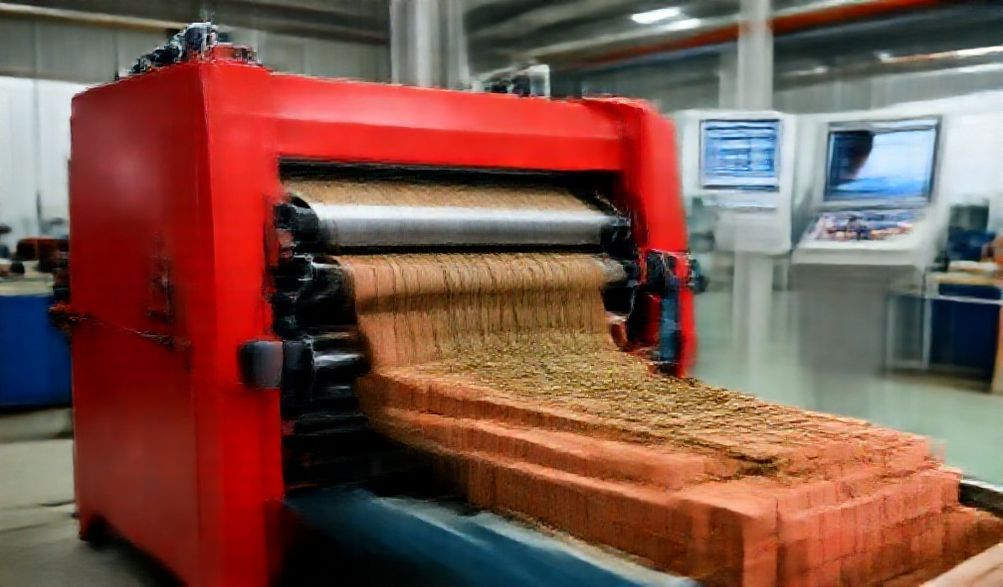
Роҳбарии ниҳоӣ ба мошинҳои автоматии хиштсозии гил: Самаранокӣ, Арзиш ва Чӣ тавр интихоб кардан
Муқаддима
Саноати сохтмони ҷаҳонӣ миқдори зиёди1,5 триллион хишти солонаталаб, ки аз урбанизатсияи бефосила ва рушди инфрасохтор бармеояд. Барои даҳсолаҳо, қонеъ кардани ин талаб ба истифодаи танӯрҳои меҳнатталаби офтобӣ ё равандҳои дастии қолабкунӣ вобаста буд, ки аз ноустуворӣ, партови зиёд ва фишори ҷисмонӣ ранҷ мебурд. Ин модели анъанавӣ таҳти фишор дучори шикаст мешавад ва эҳтиёҷоти ҳатмӣ ба самаранокӣ, сифат ва миқёспазириро ба вуҷуд меорад. Ҳалли табдилдиҳанда ворид мешавад:Хоки автоматикии хиштсозӣ.
Ин мӯъҷизаи муосир истеҳсоли хиштро барои амалиёти ҳама андоза, аз стартапҳои умедбахш то заводҳои муқарраршудаи саноатӣ, инқилоб мекунад. Бо автоматикунонии тамоми раванд аз гили хом то маҳсулоти бастабандӣ ва тайёр, он нотавонҳои аслии гузаштаро ҳал мекунад. Ин дастури ҳамаҷониба ҳамчун манбаи муайянкунандаи шумо тарроҳӣ шудааст. Дар асоси фаҳмишҳои саноатӣ, таҳлили техникӣ ва дониши амалии оператсионӣ сохта шуда, он шуморо бо иттилооти зарурӣ барои қабули қарори сармоягузории боваринок ва огоҳона муҷаҳҳаз мекунад. Новобаста аз он ки шумо бори аввал автоматикунониро меомӯзед ё тиҷорати мавҷудаи худро васеъ мекунед, фаҳмидани ҷузъиётиХоки автоматикии хиштсозӣаввалин қадам ба сӯи ояндаи пурдаромадтар ва устувортар мебошад.
Мошини автоматии хиштсозии гилӣ чист? (Таърифи технология)
Мошини автоматии сохтани хишти гилӣ як системаи механикии якҷоя мебошад, ки барои табдил додани гил ё хоки хом ба хиштҳои тайёри зиччи баланд бо дахолати камтарини инсонӣ тарҳрезӣ шудааст. Он ҳар як қадами истеҳсоли анъанавии хишт — омехтакунӣ, қолабкунӣ, буридани ва ҷойгиркуниро бо хати истеҳсолии ҳамоҳангшудаи автоматӣ иваз мекунад. Натиҷа як пешравии бузург дар ҳосилнокӣ, ҳамворагӣ ва назорати амалиётӣ мебошад.
Компонентҳои асосӣ ва чӣ гуна кор мекунад
Мошин ҳамчун як воҳиди ҳамоҳанг амал мекунад ва ҳар як ҷузъ нақши муҳим дорад.
- Хӯрокдиҳанда ва нақлиётчии гилГили хом мунтазам ба система ворид карда мешавад, аксар вақт тавассути ҳоппер ва тасмаи интиқолдиханда, ки таъмини устуворро ба механизми асосӣ кафолат медиҳад.
- Ҳуҷраи омехтакунӣ ва ҳавоҷудокунӣ:Дар ин ҷо, гил бо миқдори муайяни об омехта карда мешавад. Аз нигоҳи муҳим, бисёр мошинҳои пешрафта як ҷузъи назоратиэкструдери беҳвои холигоҳӣИн ҷузъ халтаҳои ҳаворо аз омехтаи гил тоза мекунад, ки зичӣ, қувват ва муқовимати хиштро ба обу ҳаво ба таври назаррас зиёд мекунад.
- Системаи экструзия ва қолабсозӣ: The homogenized, de-aired clay is then forced through a mold (or die) of the desired shape under high pressure. This creates a continuous column of clay with the precise profile of the final brick (solid, hollow, etc.).
- Automatic Cutting System: As the clay column exits the mold, an automated cutting device—using wires or blades—slices it into individual bricks of exact, uniform dimensions.
- Stacking & Transfer System: Robotic arms, lifters, or conveyor belts automatically collect the green (unfired) bricks and stack them onto pallets or carts for transport to the drying yard and kiln.
- Панели идоракунии PLC: The brain of the operation. This Programmable Logic Controller allows operators to set parameters, monitor the entire process, diagnose issues, and ensure consistent, repeatable production cycles.
Ҳусусиятҳои асосии бартарӣ нисбат ба усулҳои анъанавӣ
- Натиҷаҳои зиёдшудаи ҳайратангез: Produce thousands of uniform bricks per hour, compared to a few hundred with manual labor.
- Беҳамтонии устувор: Every brick has identical dimensions, density, and finish, leading to higher-quality construction and less on-site waste.
- Labor Cost & Strain Reduction: A single semi-automatic line may need 3-5 operators; a fully automatic plant might require only 2-3 for monitoring, drastically cutting labor costs and eliminating back-breaking work.
- Самарабахшии Маводӣ: Precise control over the extrusion and cutting process minimizes clay waste, optimizing raw material use.
- Бисёрҷиҳати маҳсулот: By simply changing the mold, one machine can produce a range of products—solid bricks, hollow blocks, perforated bricks, or pavers—allowing you to adapt to market demands.
Types of Clay Automatic Brick Making Machines
Not all automatic machines are the same. They are categorized by their level of automation, output capacity, and product type.
Classification by Automation Level
- Машинаҳои ним-автоматӣ: Ideal for entry-level automation. Key processes like extrusion and cutting are automated, but tasks like feeding raw material or removing and stacking bricks may require manual intervention. They offer a balance between cost and productivity increase.
- Машинаҳои пурра автоматӣ: Represent the pinnacle of efficiency. From feeding raw clay to palletizing finished bricks, the entire process is automated via integrated conveyors and robotic handlers. They require a higher initial investment but deliver the lowest operational cost per brick and maximum output.
Classification by Production Output
- Small-Scale Machines: Perfect for startups, rural projects, or local builders. Production capacities typically range from 1,000 to 5,000 bricks per hour (BPH). They are more compact and require less capital.
- Medium-Scale Machines: Suited for growing businesses and dedicated brick manufacturing units. Capacities range from 5,000 to 15,000 BPH. They offer a robust balance of output and investment.
- Large-Scale Industrial Plants: Designed for high-volume production, often exceeding 20,000 BPH. These are complete, custom-engineered factories with integrated clay preparation, automated handling, and tunnel kilns.
Classification by Brick Type Produced
- Solid Brick Machines: Produce dense, high-strength bricks for foundational and load-bearing work.
- Hollow Brick Machines: Create bricks with cavities, offering advantages in thermal insulation, reduced weight, and material savings. Highly popular in modern construction.
- Perforated Brick Machines: Produce bricks with small, patterned holes, excellent for ventilation and lighter structures.
- Paver & Special Shape Machines: Utilize specialized molds to produce interlocking pavers, landscaping blocks, and decorative architectural elements.
Омилҳои муҳиме, ки пеш аз харид бояд ба назар гирифт
A successful purchase hinges on thorough self-assessment and technical due diligence.
Assessing Your Needs: Production Capacity & Brick Type
- Ҳисоб кардани натиҷаи лозимӣ Analyze your current sales, project pipeline, and growth goals. Calculate your average daily brick requirement. Choose a machine whose capacity exceeds this by 20-30% to allow for growth and maintenance downtime.
- Define Your Product Mix: Research your local market. Is there higher demand for hollow blocks for housing or solid bricks for infrastructure? Your primary product will dictate the necessary mold type and machine pressure specifications.
Machine Specifications and Features Deep Dive
- Motor Power & Energy Consumption: Higher horsepower (HP) motors handle tougher clay and higher outputs but consume more electricity. Seek an efficient balance. Inquire about the machine’s kW/hour consumption at full load.
- Системаи гидравликӣ: This is the muscle. A reliable, high-pressure hydraulic system ensures consistent brick density and smooth operation. Ask about the brand of pumps and valves—reputable components mean fewer breakdowns.
- Mold & Wear Parts Quality: The mold and cutting wires are consumable parts. Insist on molds made from hardened, chromed steel for longevity. Understand the cost and local availability of replacement parts.
- Системи идоракунӣ A user-friendly PLC touchscreen is invaluable for operators. It should allow easy adjustment of cutting length, pressure, and speed, and provide basic fault diagnostics.
Clay Preparation Requirements
The machine is only as good as the raw material fed into it. Clay preparation is non-negotiable.
- Clay Quality: The clay must be reasonably free of stones, organic matter, and oversized lumps. Consistent moisture content is critical for smooth extrusion.
- Таҷҳизоти ёрирасон: Budget for and plan the installation of:
- A clay crusherёdisintegrator to break down raw material.
- A double-shaft mixer to homogenize clay and water.
- Feeding conveyors to link the preparation area to the main machine.
Cost Analysis and Return on Investment (ROI)
Viewing the machine as a capital investment with a clear ROI is essential.
Breaking Down the Investment
- Machine Purchase Price: This varies widely ($15,000 to $200,000+) based on automation level, capacity, and manufacturer origin. Get detailed, itemized quotations.
- Shipping, Installation & Commissioning: Factor in international freight, customs duties, and the cost of a technician to install and commission the machine on-site.
- Ancillary Equipment & Setup: Don’t forget the cost of clay preparation machinery, a solid concrete foundation, and electrical/utility hookups.
Operational Costs vs. Savings
- Costs: Regular expenses include electricity, routine maintenance, spare parts (wires, molds, hydraulic oil), and a small skilled labor wage.
- Savings: These are where the machine shines:
- Самараҳои меҳнатӣ: Reducing a 20-person manual team to a 3-person automated crew.
- Material Savings: 5-10% less clay waste due to precision.
- Quality Premium: Consistent, high-quality bricks can command a better market price and reduce rejection rates.
Calculating Your Potential ROI
Simplified ROI Framework:
- Total Annual Savings: (Labor Cost Saved + Material Cost Saved + Quality Revenue Increase)
- Total Annual Operational Cost: (Power + Maintenance + Spare Parts + New Labor Cost)
- Annual Net Profit: (Step 1 – Step 2)
- ROI Period (Years): (Total Machine + Setup Investment) / (Annual Net Profit)
Дар ин ҷо, тарҷумаи матн ба забони тоҷикӣ оварда шудааст. If your total investment is $50,000 and your annual net profit from the machine is $25,000, your payback period is 2 years. After that, the profit significantly contributes to your bottom line. High utilization and efficient operation dramatically accelerate ROI.
Installation, Operation, and Maintenance Best Practices
Protect your investment with proper setup and care.
Site Preparation and Proper Installation
- Foundation: Pour a level, reinforced concrete foundation as per the manufacturer’s drawings. This absorbs vibration and prevents misalignment.
- Фазо: Ensure ample space for the machine, clay storage, drying area, and material flow. Include room for safe operator movement and maintenance access.
- Utilities: Guarantee a stable, adequately rated power supply and access to water for clay mixing.
Training Operators for Safety and Efficiency
Never operate the machine with untrained personnel. Insist on comprehensive training from your supplier, covering:
* Safe startup and shutdown procedures.
* Daily operation and parameter adjustments.
* Basic troubleshooting and safety lock-out protocols.
Essential Routine Maintenance Schedule
- Daily: Clean the machine, check hydraulic oil levels and for leaks, inspect cutting wires, and lubricate guide rails.
- Weekly: Tighten all bolts and nuts (vibration can loosen them), check electrical connections, and clean sensors.
- Monthly: Inspect molds for wear, change hydraulic filters as recommended, and perform a full system check.
- Keep a Log: Document all maintenance and part replacements to predict future needs.
FAQ: Your Questions About Clay Automatic Brick Machines Answered
Q1: What is the average production capacity of a standard automatic brick machine?
There’s no single “standard.” Small machines start around 2,000 BPH, medium-capacity models range from 8,000-12,000 BPH, and large industrial lines can exceed 25,000 BPH. Your needs define the standard.
Q2: Can these machines use different types of soil or clay?
Yes, but with conditions. The machine can process various clays and shale. However, the soil must be properly prepared (crushed, screened, and mixed) to a consistent plasticity. Extremely sandy or gravelly soil may not be suitable without additive binders.
Q3: How much manpower is required to operate a fully automatic machine?
Typically, 2-3 people: one to monitor the control panel and ensure clay supply, and others to manage the stacking/palletizing output and perform quality checks.
Q4: What is the typical lead time and warranty for such machinery?
Lead times vary from 30 days for standard models to 90+ days for large custom plants. A reputable manufacturer should offer a 12-month warranty on core parts, excluding wear items like cutting wires.
Q5: Are there financing options available for these machines?
Many established manufacturers and their local dealers offer financing plans or can guide you to equipment financing partners. Bank loans for productive machinery are also a common route.
Q6: How do I find a reliable supplier or manufacturer?
* Look for companies with a long track record (10+ years).
* Request and actually contact client references, preferably in a similar region.
* Ask for detailed videos of their machine running in a real factory.
* Verify their after-sales service network and spare parts availability in your country.
* If feasible, visit their factory or a local installation.
Conclusion: Building a Sustainable and Profitable Future
The transition to a Хоки автоматикии хиштсозӣ is more than an equipment upgrade; it’s a strategic decision to future-proof your business. It systematically addresses the core challenges of quality, cost, and scale, transforming brick production from an artisanal craft into a modern, efficient manufacturing process.
Use this guide as the foundation for your research. Move forward with due diligence: obtain multiple quotations, scrutinize technical specifications, and insist on speaking to existing customers. The right machine is a partner for growth for decades to come. The industry continues to evolve with trends like IoT-based machine monitoring for predictive maintenance and even more energy-efficient drives.
Take the next step. Contact reputable manufacturers with your specific production requirements and request a detailed proposal. The path to higher efficiency, superior quality, and greater profitability begins with a single, informed decision.
<