
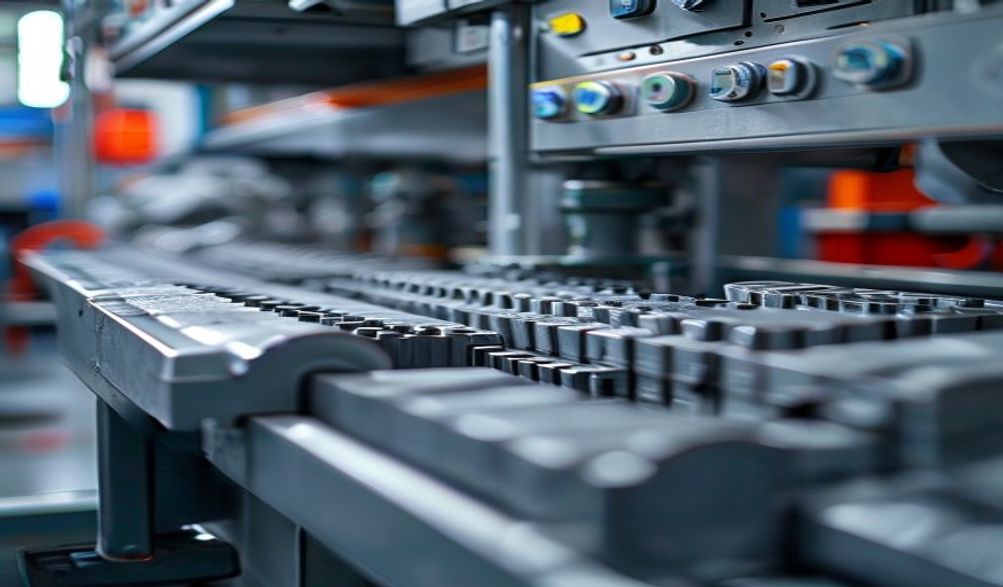
Чӣ тавр интихоб кардани мошини хиштсозии чинӣ: Роҳнамои ниҳоии харидор
Муқаддима
Саноати глобалии сохтмон дар асоси самаранокӣ ва дастрасии нарх амал мекунад. Дар маркази лоиҳаҳои бешумор, аз хонаҳои оддӣ то инфрасохтори баланд, як блоки асосии сохтмонӣ ҷойгир аст: хишт. Барои қонеъ кардани ин талаботи пайваста, сохтмончиён ва соҳибкорон дар саросари ҷаҳон ба як қудрати истеҳсолӣ — Чин муроҷиат мекунанд. Чин ҳамчун пешвои ҷаҳонии тавлиди мошинҳои сохтмонӣ, маҷмӯи беҳамтои мошинҳои хиштсозӣ бо нархҳои рақобатпазир пешниҳод мекунад.
Аммо, роҳ ёфтан дар ин бозори бузург ва мураккаб пур аз мушкилиҳост. Ҷустуҷӯи зуд дар интернет ҳазорҳо таъминкунанда, хусусиятҳои техникии саргардонкунанда ва доираи нархҳои даҳшатнокро ошкор мекунад. Интихоби мошини нодуруст на танҳо як нокомии хурд аст; он метавонад ба талафоти фоҷиавии сармоя, таъхирҳои ночизи истеҳсолӣ ва сифати пасти маҳсулот, ки обрӯи шуморо хароб мекунад, оварда расонад.
Ин дастур, қутбнамои стратегии шумост. Он на танҳо феҳристи хусусиятҳо, балки чаҳорчӯбаи мукаммали қадам ба қадам мебошад, ки бар асоси таҳлили соҳавӣ, фаҳмиши амиқи техникӣ ва таҷрибаҳои собитшудаи хариди байналмилалӣ сохта шудааст. Мо садоҳои нолозимро рафъ карда, шуморо бо донише муҷаҳҳаз месозем, ки барои қабули қарори огоҳона ва боэътимод, ки лоиҳаи шуморо ба сӯи муваффақият мебарад. Аз ҷое сар кунем, ки ҳама қарорҳои оқилона оғоз мешаванд: аз талаботи худи шумо.
Фаҳмидани Талаботи Лоиҳаи Шумо: Асоси Интихоби Шумо
Пеш аз он ки ба ягон каталоги мошинҳо нигоҳ кунед, бояд ба даруни худ нигаред. Пурифтихортарин ва гаронтарин мошин агар ба воқеияти амалиётии шумо мувофиқат накунад, сармоягузории баде аст. Ин қадами асосӣ харидорони ботаҷрибаро аз онҳое, ки ноумед мешаванд, ҷудо мекунад.
Баҳодиҳии ҳаҷми истеҳсолот ва миқёс
Талаботи шумо муҳаррики асосии интихоби мошин мебошад. Арзёбии дақиқ шуморо аз сармоягузории кам дар мошини ноқобил ё сармоягузории зиёд дар ҷоное, ки бекор мемонад, пешгирӣ мекунад.
- Ҳисоб кардани ниёзҳои воқеии баромад:Наҳат тахмин кунед. Ҳаррӯза ё ҳафтаинаи хиштро дар асоси шартномаҳои лоиҳа ё талаботи бозор ҳисоб кунед. Барои рушд миқдори эҳтиётии оқилона (масалан, 15-20%) илова кунед.
- Миқёсатонро муайян кунед:
- Хурдсозӣ:Барои лоиҳаҳои ҷамъиятӣ, корхонаҳои хурд ё стартапҳо. Истеҳсол метавонад 1000 то 5000 хишт дар як рӯз бошад. Мошинҳои дастӣ ё ним-автоматикии одӣ маъмуланд.
- Миқёси миёна:Барои ширкатҳои рӯ ба афзоиши сохтмонӣ ё корхонаҳои хиштпазӣ. Истеҳсолот аз 5,000 то 20,000 хишт дар як рӯзро дар бар мегирад. Хатҳои ним-автоматии устувор ё пурра-автоматии сатҳи ибтидоӣ заруранд.
- Миқёси бузурги саноатӣБарои истеҳсоли оммавӣ, ки лоиҳаҳои калонро таъмин мекунад. Истеҳсолот аз 20 000 хишт дар як рӯз зиёд аст ва аксар вақт хатҳои истеҳсолии пурра автоматӣ бо гардиши паллет ва дасткории роботиро талаб мекунад.
- Нақша барои миқёспазирӣАз худ бипурсед: Оё ин ниёзи доимӣ аст ё ман нақшаи васеъкуниро дорам? Баъзе мошинҳо барои такмили модулӣ имкон медиҳанд (масалан, илова кардани хӯрокдиҳандаи автоматӣ ё стекер), ки метавонад роҳи камхарҷи рушд бошад.
Муайян кардани навъи хишт ва хусусиятҳои он
The machine must be engineered to produce шумо specific product.
- Навъи Хишт The machine’s mold and mechanism are designed for specific products.
- Хаҷми сахт: Common for load-bearing walls.
- Блокҳои ҳолӣ: Lighter, with better insulation; require core rods in the mold.
- Хаҷмҳои ба ҳамдигар пайвастшаванда: For dry-stack construction; require high-precision molds.
- Сангҳои фарш: Often thicker and require high vibration and pressure for durability.
- Муҳимтарин хусусиятҳо: Have these details ready:
- Dimensions (Length x Width x Height)
- Minimum Compressive Strength (measured in MPa)
- Surface finish quality (smooth, textured, etc.)
- Мувофиқати Маводи Хом: This is non-negotiable. Specify your primary raw material:
- Clay (requires high pressure)
- Concrete (cement, sand, aggregate)
- Fly Ash (an eco-friendly option)
- Cinder or Soil
Сайт ва Маҳдудиятҳои Амалиётӣ
Your physical and human resources dictate practical limits.
- Factory Space: Measure your available length, width, and height. Include space for raw material storage, curing, and finished product storage.
- Таъминоти барқ: Chinese machines often come configured for standard Chinese voltage (e.g., 380V/3Phase/50Hz). You must confirm your local power supply and discuss necessary transformers or motor changes with the supplier.
- Labor & Automation: Be honest about your available skill level.
- Дастгоҳҳои дастӣ: Lowest cost, highest labor intensity, variable output quality.
- Ним-автоматӣ: A balance. Operator feeds material, but pressing/palletizing is automated. Good for consistent quality with moderate investment.
- Пурра худкор: High capital cost, low labor requirement, maximum consistency and output. Requires some technical oversight.
Key Technical Factors in a Chinese Brick Making Machine
With your needs defined, you can now speak the language of engineering. Understanding these technical aspects allows you to compare apples to apples and assess true value.
Core Machine Types and Their Mechanisms
- Hydraulic vs. Mechanical Press:
- Пресси гидравликӣ: Uses hydraulic cylinders to generate immense, controlled pressure. Superior for producing high-density, high-strength bricks (especially from clay or fly ash). Offers better flexibility and control over pressure. Generally quieter and smoother in operation.
- Машини фишорӣ: Uses a mechanical flywheel and lever system. Often faster cycle times and lower initial cost. Excellent for standard concrete hollow blocks. Can be noisier and subject to more mechanical wear.
- Стоягӣ ва ҳаракаткунӣ:
- Машинаҳои блокҳои стационарӣ: The industrial standard. Fixed in a production line. Higher output, better integration with mixers, conveyors, and stackers.
- Машинаҳои муваққатии хиштӣ: (Like egg-laying or mobile block machines). Portable, can produce bricks directly on the ground. Lower output, ideal for on-site production where transporting bricks is costly.
- AAC Block Plants: For completeness, note that for lightweight, insulating aerated concrete blocks, you need a completely different system—an Autoclaved Aerated Concrete (AAC) plant, which is a large, fixed factory setup.
Critical Components and Build Quality
Here is where supplier quality becomes glaringly apparent. Always ask for details on these components:
- The Hydraulic System (The Heart): The brand and quality of the hydraulic pump, valves, and cylinders are paramount. Reputable international brands (like Bosch Rexroth, Kawasaki, Yuken) or top-tier Chinese brands indicate a focus on durability. Ask for the pump’s rated pressure and flow.
- The Frame and Structure: The machine must withstand years of constant vibration and pressure. Inquire about the steel grade (e.g., Q235, Q345) and the thickness of the main frame plates. Look for clean, continuous welds—not patchy, uneven ones.
- The Molds: The mold defines your brick. High-quality molds are made from high-chromium alloy steel and heat-treated for hardness. Cheap, mild steel molds will wear out quickly, losing dimensional accuracy. Ask about mold life expectancy (in cycles) and the cost/lead time for replacements.
- The Control System: A modern Контроллери мантиқии барномашаванда (PLC) with a touchscreen interface is a sign of a more advanced, reliable, and user-friendly machine. It allows for easier troubleshooting and parameter adjustments than old-fashioned relay systems.
Performance Metrics to Scrutinize
Demand these numbers in writing. Be skeptical of vague promises.
- Вақти даврӣ: The total time to produce one cycle of bricks (e.g., 15-20 seconds). From this, calculate Bricks Per Hour (BPH). Ensure this aligns with your production volume assessment.
- Давомнокии фишор: Measured in tons (e.g., 150 tons, 300 tons). Higher tonnage generally means the ability to produce denser, stronger bricks, especially from finer materials like clay.
- Истифодаи барқ: List the total installed power (in kW) of all motors. This is crucial for your operating cost calculation and electrical supply planning.
Навигация дар ландшафти таъминкунандагони Хитой
Finding a machine is easy. Finding a trustworthy partner is the real challenge. This phase requires diligent research.
Where to Find Reputable Suppliers
- B2B Platforms (Alibaba, Made-in-China):
- Муҳоҷизот: Vast selection, supplier verification systems (like Alibaba’s Gold Supplier), communication tools, and trade assurance services.
- Манфӣҳо Overwhelming, mixed quality, and “trading companies” posing as manufacturers.
- Industry Trade Shows:TheCanton Fair (China Import and Export Fair) in Guangzhou has a dedicated industrial machinery section. There is no better way to see machines in action, compare build quality side-by-side, and talk face-to-face with engineers.
- Specialized Sourcing Agents: A good agent based in China can conduct factory audits, negotiate on your behalf, and manage quality control. Their fee can be worth it for large orders, saving you from costly mistakes.
Vetting Manufacturers: Beyond the Website
- Санҷиди эътибори тиҷоратӣ: Ask for their Chinese business license. You (or your agent) can use platforms like Tianyancha to verify their registration, capital, and legal status.
- Factory Audit is Key: Are they a real factory or just a trading company? Request a live video tour of their production workshop, not just a stock video. Look for active assembly lines, organized component storage, and quality control checks.
- Analyze Their Portfolio: Ask for client references in your region or country. A supplier with successful installations in a similar environment to yours is a strong positive signal. Contact those references if possible.
Decoding Communication and Quotations
A professional quotation tells you almost everything about the supplier.
- Ask These Key Questions:
- “What is the warranty period and what does it cover?”
- “What is your after-sales support structure? Do you offer remote video support?”
- “Are spare parts kept in stock? What is the lead time for a main hydraulic pump?”
- Understand Incoterms & Total Cost: Know the difference between FOB (Free On Board)ваCIF (арзиш, суғурта ва кирои нақлиёт). Your “landed cost” must include the machine price, shipping, insurance, customs duties, and local transport to your site.
- Identify Red Flags:
- Vague or missing technical specifications.
- A price significantly lower than all other quotes for the same capacity.
- Pressure to pay 100% upfront.
- Unwillingness to provide a detailed contract or accept third-party inspection.
Ensuring a Secure Transaction and Long-Term Success
This is where you lock in your investment and mitigate long-term risk.
The Negotiation and Contract Phase
- The Contract is Your Shield: It must include, as attachments:
- Detailed technical specifications sheet.
- Payment terms (e.g., 30% deposit, 60% against copy of shipping documents, 10% after successful commissioning).
- Clear delivery timeline with penalty clauses for delays.
- Warranty terms and after-sales service agreement.
- Pre-Shipment Inspection (PSI): For any significant investment, hire a third-party inspection company (like SGS, BV, or Intertek) to visit the factory before shipment. They will check materials, workmanship, assembly, and perform a test run to verify performance against the contract. This single step can save you a fortune.
- Secure Payment: Use secure methods. Alibaba Trade Assurance escrow service or a Letter of Credit (L/C) through your bank provides layers of protection. Avoid large direct wire transfers without safeguards.
Logistics, Installation, and Commissioning
- Plan Logistics Early: Work with the supplier or a freight forwarder to arrange sea/air freight and handle customs clearance in your country. Be clear on who is responsible for each step (based on your Incoterm).
- Clarify Supplier Support: Will they send an engineer to supervise installation and commissioning? For how long? Is operator training included? Get this in writing. The first production run with their support is critical for troubleshooting.
After-Sales Service and Support
The relationship doesn’t end at delivery. Consider the machine’s entire lifecycle.
- Дастгирии техникӣ: How will you get help when a problem arises? 24/7 remote support via WhatsApp/Video call is a valuable service.
- Spare Parts Strategy: Discuss and potentially purchase a critical spare parts kit with your machine (seals, relays, sensors). Confirm the ongoing supply chain for major components.
- Maintenance Planning: Request and study the maintenance manual. A reliable supplier provides clear schedules for daily, weekly, and monthly checks.
Frequently Asked Questions (FAQ)
Q1: What is the average price range for a Chinese brick making machine?
A: Prices vary dramatically from around $5,000 for a small manual machine to over $200,000 for a high-output, fully automatic production line. The key is to first define your exact specifications—type, output, automation—and then compare prices. Let your required capabilities dictate the budget, not the other way around.
Q2: Are Chinese brick machines reliable and durable?
A: The market is diverse. There are low-cost, low-quality machines and there are manufacturers who build exceptional, industrial-grade equipment. Reliability is directly tied to the supplier’s quality control, engineering expertise, and choice of components (like hydraulic systems). A reputable Chinese manufacturer can produce machines that rival Western brands in durability and performance, often at a significantly lower total cost of ownership.
Q3: How do I handle machine breakdowns and get spare parts?
A: This must be a primary discussion point before purchase. Choose a supplier who stocks common spare parts, provides comprehensive electrical and hydraulic diagrams, and has a proven system for remote troubleshooting. For large investments, insist on on-site training for your chief mechanic. Purchasing a starter spare parts kit is highly recommended.
Q4: Can I visit the factory in China before purchasing?
A: For any significant investment, it is highly recommended. A factory tour is the single best way to verify the supplier’s manufacturing capability, quality control processes, and scale. Serious, reputable manufacturers welcome and often encourage visits from potential buyers. If a supplier is evasive about a visit, consider it a major red flag.
Q5: What’s the typical lead time from order to delivery?
A: For standard or moderately customized machines, expect 30 то 60 рӯз from receipt of deposit to shipment from the Chinese port. Complex, fully automated lines may require 60-90 days. Always confirm the production and delivery schedule in your contract.
Conclusion
Choosing the right Chinese brick making machine is a strategic process, not an impulse buy. By following the path outlined in this guide—rigorously defining your project needs, analyzing the technical specifications, conducting thorough supplier due diligence, and securing the transaction with contracts and inspections—you transform risk into opportunity.
Remember the cardinal rule of machinery procurement: The cheapest initial price often carries the highest long-term cost. Prioritize total value—superior build quality, reliable components, and responsive after-sales support—over the allure of a low sticker price.
Use this guide as your actionable checklist. Take your time, ask detailed questions, and verify every claim. Your informed diligence is the most critical component in ensuring your new brick making machine becomes a profitable asset for years to come.
<