
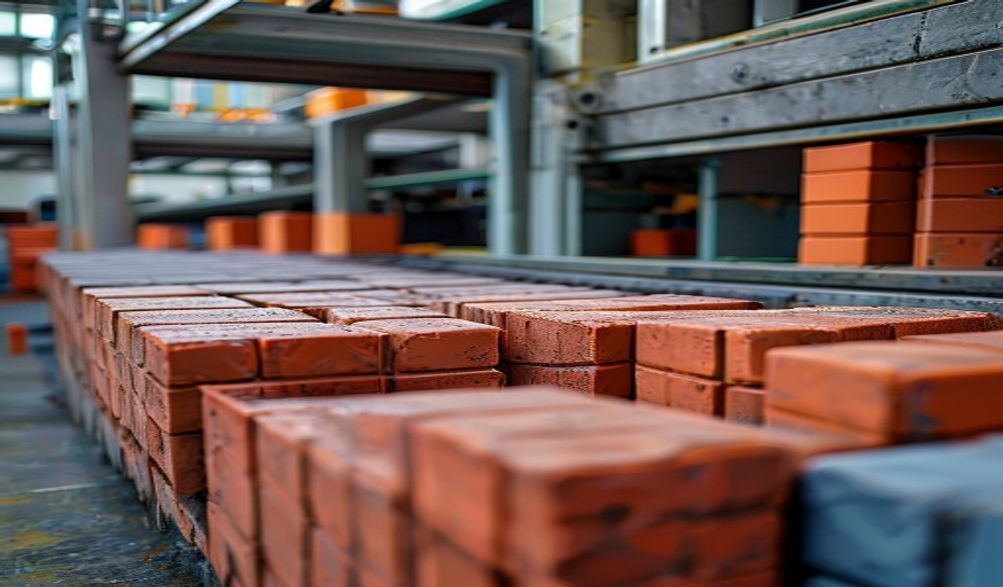
Чӣ тавр мошини истеҳсоли хишти блокро интихоб кардан: Роҳнамои оқилонаи харидор барои нарх ва арзиш
Муқаддима
Ҷустуҷӯи "нархи мошини хиштсозӣ" метавонад хеле ҷолиб бошад. Шумо бо маҷмӯи рақамҳои саргардонкунанда рӯ ба рӯ мешавед, аз хеле паст то баландҳои чашмрас. Ин сармоягузории муҳимест, ва тарси аз ҳад зиёд пардохт кардан—ё бадтар аз он, харидани мошини ноустуворе, ки лоиҳаҳои шуморо бозмедорад—воқеӣ аст.
Аммо тағйири муҳими тафаккуре, ки бояд кунед, ин аст: шумо на танҳо мошин мехаред, балки ба доройии истеҳсолӣ сармоягузорӣ мекунед. Таваҷҷӯҳ танҳо ба арзиши пасти аввалия роҳи зудтарини ба вуҷуд овардани хароҷоти баланди дарозмуддат тавассути бекорӣ, маҳсулоти пастсифат ва таъмироти бепоён аст.
Ин дастур барои бартараф кардани нофаҳмиҳо тарҳрезӣ шудааст. Мо аз рӯйхатҳои оддии нархҳо фаротар рафта, шуморо бо чаҳорчӯбаи касбӣ муҷаҳҳаз мекунем, то бифаҳмед, ки чӣ чизҳо дар ҳақиқат арзишро ташкил медиҳанд, чӣ гуна ниёзҳои беназири худро баҳогузорӣ кунед ва чӣ гуна арзиши воқеиро ҳисоб кунед. Дар охир, шумо метавонед бо итминон ба таъминкунандагон муроҷиат кунед, зеро медонед, ки ба истеҳсолнокӣ ва даромаднокӣ сармоягузорӣ мекунед, на танҳо як пораи таҷҳизот.
Фаҳмидани чӣ омилҳо ба нархи мошини хиштсозии блок таъсир мерасонанд
нархи мошини блоксозӣ ба таври мустақим инъикоси муҳандисӣ, қобилиятҳо ва ҷузъҳои он аст. Ин тасодуфӣ нест. Барои харидори ботаҷриба шудан, шумо бояд нахуст ин омилҳои асосии хароҷотро дарк кунед.
1. Навъи мошин ва сатҳи автоматсозӣ
Ин яке аз омилҳои бузургтаринест, ки ба нарх таъсир мерасонад. Сатҳи автоматӣ талаботи меҳнат, устувории истеҳсол ва мураккабии амалиётро муайян мекунад.
- Дастгоҳҳои дастӣ:Инҳо дастрастарин нуқтаи воридотӣ мебошанд. Онҳо барои омехта кардан, ғизо додан ва тоза кардани хишт кори ҷисмонии зиёдро талаб мекунанд. Нарх паст аст, аммо арзиши соатҳои корӣ ва истеҳсоли маҳдуд баланд аст. Барои лоиҳаҳои хеле хурд ё гоҳ-гоҳӣ мувофиқ аст.
- Машинаҳои ним-автоматӣ:Ин нуқтаи ширин барои бисёр корхонаҳои хурд ва миёна (SMEs) мебошад. Онҳо марҳилаҳои муҳими фишурдан ва ларзишро автоматӣ мекунанд, аммо метавонанд ба хӯрокдиҳӣ ё тоза кардани паллет дастӣ ниёз дошта бошанд. Он тавозуни аълои нархи мӯътадил, истеҳсоли хуби (500-2000 хишт/соат) ва талаботи кории идорашавандаро пешниҳод менамоянд.
- Машинаҳои пурра автоматӣ:Инҳо хатҳои истеҳсолии дорои иқтидори баланд мебошанд. Онҳо бо ғизодиҳии автоматӣ, коркарди паллет, ҷойгиркунии хишт ва аксар вақт идораи марказии PLC тавсиф мешаванд. Нархи онҳо аз сабаби ин мураккабӣ баландтарин аст, аммо онҳо меҳнатро кам мекунанд, истеҳсолотро (2,000-10,000+ хишт дар як соат) ба ҳадди аксар мерасонанд ва пайвастагии беҳамторо таъмин мекунанд. Ин сармоягузорӣ бо истеҳсоли миқёси калон ва пайваста асоснок карда мешавад.
Стоягӣ ва ҳаракаткунӣ:Инчунин ҳаракатро ба назар гиред. Дастгоҳҳои собит (stationary) таҷҳизоти вазнин ва пурмаҳсул мебошанд, ки ба пойдевори мустаҳкам ниёз доранд. Дастгоҳҳои сайёр (mobile) - "тухмгузор" ё "хиштсози сайёр" - умуман арзонтар буда, барои истеҳсоли мустақими хишт дар маҳалли сохтмон пешбинӣ шудаанд, ки ин хароҷоти нақлиёти маҳсулоти ниҳоиро сарфа мекунад.
2. Иқтидори истеҳсолӣ ва маҳсулот
Нархи мошин ба таври зарурӣ ба миқдори истеҳсоли он алоқаманд аст.
- Вақти даврӣ ва BPH:Рейтинги «кишт дар соат» (KDS) муҳим аст. Мошине, ки барои 5,000 KDS баҳогузорӣ шудааст, нисбат ба мошине, ки барои 800 KDS баҳогузорӣ шудааст, нархи хеле баландтар дорад. Ҳамеша ин рейтингро дар шароити стандартӣ тафтиш кунед.
- Андозаи блок ва сербарории қолиб:Мошини асосӣ, ки як андозаи стандартии блоки холӣ истеҳсол мекунад, арзонтарин аст. Мошинҳое, ки маҷмӯи васеи маҳсулот – блокҳои сахт, блокҳои холӣ бо ғафсиҳои гуногун, плитаҳои фаршӣ, хиштҳои васлшаванда – истеҳсол карда метавонанд, системаи мураккаби қолаби бисёрқисматӣ ва идоракунии гидравликиро талаб мекунанд, ки нархро зиёд мекунад.
3. Сифати сохтмон ва ҷузъҳои асосӣ
This is where hidden value (or future cost) is built. Two machines with the same BPH rating can have vastly different prices based on component quality.
- Фрейм ва сохтор A robust, heavy-duty steel frame with vibration-dampening design costs more to manufacture but ensures machine stability and longevity, especially under constant, heavy vibration.
- Системаи Ларзишӣ: This is the heart of a good block machine. High-frequency, dual-vibration systems (using quality electric motors) compact the concrete mix more effectively, producing stronger, denser blocks with a better finish. Superior vibration technology is a major cost driver.
- Системаи гидравликӣ: The quality of pumps, valves, seals, and cylinders is paramount. Reputable, brand-name hydraulic components offer consistent pressure, reliability, and longer service life, reducing the risk of costly leaks and downtime.
- Системи идоракунӣ A basic relay panel is functional and lower-cost. An advanced Programmable Logic Controller (PLC) with a touchscreen Human-Machine Interface (HMI) allows for precise control, recipe storage, fault diagnostics, and easier operation, adding to the machine’s price and sophistication.
4. Brand Reputation & Origin
Brand and manufacturing origin create general price tiers and set expectations for support.
- Established Brands vs. New Entrants: Manufacturers with decades of global presence invest heavily in research, development, and quality control. This legacy of reliability and performance is reflected in their pricing. Newer or lesser-known brands may offer competitive prices to enter the market.
- Country of Manufacture: While generalizations have exceptions, market trends exist:
- European/North American: Typically the premium segment, emphasizing advanced automation, top-tier components, and engineering, with correspondingly high prices.
- Turkish: Known for a strong balance of good quality, robust design, and competitive pricing, making them popular in many international markets.
- Chinese & Indian: Offer the widest price range. You can find very economical options, but due diligence is critical. Reputable factories in these regions produce high-quality, reliable machines that offer tremendous value, while others may cut corners. Supplier verification is non-negotiable here.
A Step-by-Step Framework for Your Buying Decision
Armed with knowledge of price drivers, follow this actionable framework to make a decision aligned with your business reality.
Step 1: Conduct a Thorough Needs Analysis
Answer these questions пеш you look at a single price quote:
- Projected Output: Calculate your average daily and monthly brick requirement based on current and projected contracts. Add a 15-20% buffer for growth. This number directly points you to the required BPH capacity.
- Labor & Skills: Honestly assess your available workforce. Do you have (or can you train) someone to operate and perform basic maintenance on a complex PLC system? Or would a simpler, more robust semi-automatic machine be a better fit?
- Маводҳои хом: What aggregate are you using (local sand, crushed stone, fly ash)? The machine must be suited to your specific mix design. Some machines handle certain materials better than others.
- Site & Infrastructure: Do you have the factory space for a stationary plant, including space for curing? Do you have access to the required three-phase electrical power? Factor in potential costs for foundation work and electrical upgrades.
Step 2: Decoding Supplier Quotes & Comparing Value
A quote is more than a number. It’s a contract outline.
- Demand Detailed Specifications: A professional quote should list every component brand, motor power, hydraulic pressure, cycle time, and mold specifications. Compare these line-by-line across suppliers.
- Embrace Total Cost of Ownership (TCO): The smartest financial metric.
- TCO = Purchase Price + Shipping & Logistics + Installation & Foundation + Operator Training + Estimated Maintenance & Energy Costs (5 yrs) + Initial Spare Parts Inventory.
- A machine with a 10% higher purchase price but 30% lower maintenance costs and 20% better energy efficiency is the cheaper option over five years.
- Evaluate After-Sales Service Before Purchase: This is critical. Ask: Do they have local technicians or partners? What is the spare parts availability and delivery time? Is comprehensive on-site training included? A supplier who excels here adds immense value that justifies a reasonable price premium.
Step 3: Sourcing & Negotiation Strategies
- Where to Source: Use industry-specific B2B platforms (Alibaba, TradeIndia, Made-in-China) to discover options, but always move to direct communication. Attend major trade shows like BAUMA if possible. Research and contact manufacturers directly through their official websites.
- Check References Rigorously: Don’t just ask for a testimonial list. Request the contact information of 2-3 clients in a region with a similar climate and material profile to yours. Call them. Ask about machine performance, reliability, and most importantly, the supplier’s responsiveness when issues arose.
- Negotiate Smartly: Instead of just haggling on the base price, negotiate on value-added items:
- Request a bundled package: machine + an extra set of wear parts (mold liners, springs) + extended warranty.
- Clarify shipping terms (FOB, CIF, DDP) so there are no surprise port fees.
- Negotiate for the inclusion of on-site installation supervision or extended training.
Key Questions to Ask Before You Buy (FAQ Section)
Q1: What is the typical price range for a block brick making machine?
A: Prices span a vast spectrum. Small manual machines can start from $3,000 – $8,000. Semi-automatic machines, the workhorses for SMEs, typically range from $15,000 to $50,000+, depending on capacity and configuration. High-output, fully automatic production lines can easily range from $70,000 to over $200,000. Use these ranges as a starting filter, not a final decision point.
Q2: Is buying a cheaper, used machine a good idea?
A: It can be, but it carries risk. It is only advisable if you can personally inspect the machine in operation, review its full maintenance history, and 100% confirm that spare parts are still available from the manufacturer or supplier. For a core production asset, the warranty and reliability of a new machine often outweigh the initial savings of a used one.
Q3: How much should I budget for installation, training, and spare parts?
A: As a rule of thumb, set aside an additional 10-20% of the machine’s purchase price for these critical startup costs. This covers foundation construction, electrical hookup, the essential first set of spare parts (wear items), and comprehensive operator training. Do not skip training to save money.
Q4: What are the most common hidden costs after purchase?
A: The most frequent surprises are:
* Import duties, taxes, and customs clearance fees.
* Heavy machinery shipping to your final site (off-loading and positioning).
* Construction of a proper, level concrete foundation.
* Hiring a certified electrician for three-phase power connection.
* Costs for initial raw material testing and mix design optimization.
Q5: How long is the standard warranty, and what does it cover?
A: A standard warranty is typically 12 months for parts from the date of commissioning. Crucially, this excludes wear parts like mold liners, springs, and rubber pads, which are considered consumables. A trustworthy supplier will provide this warranty in writing, clearly stating what is covered and the claim process. An offer of an extended warranty is a positive sign.
Conclusion: Investing in Productivity, Not Just a Machine
Choosing a block brick making machine based solely on the lowest price is a short-term strategy with long-term consequences. It’s akin to buying a truck based only on its showroom price, ignoring its fuel economy, maintenance schedule, and payload capacity.
The “right” price is the one attached to a machine that is the optimal tool for your specific job. It’s the price that reflects durable construction, efficient operation, and the security of strong supplier support.
Your Final Checklist:
* ✅ I have clearly defined my output needs and analyzed my raw materials.
* ✅ I understand and have estimated the Total Cost of Ownership (TCO).
* ✅ I have obtained and compared detailed, component-level quotes from multiple suppliers.
* ✅ I have verified supplier references and their after-sales service capability in my region.
* ✅ I have budgeted adequately for installation, training, and initial spare parts.
By following this guide, you shift from being a price-sensitive shopper to a value-driven investor. You’re not just purchasing a machine; you’re securing the foundation for your business’s efficiency, reputation, and growth for years to come. Make your choice a strategic one.
This guide was compiled by our team of industrial equipment specialists with over 20 years of experience in the construction machinery sector. We are committed to providing unbiased, practical advice to help businesses make informed capital investment decisions. Our content is regularly reviewed and updated to reflect current market and technological trends. For more in-depth information or specific supplier recommendations, consult with a qualified industry professional.
<