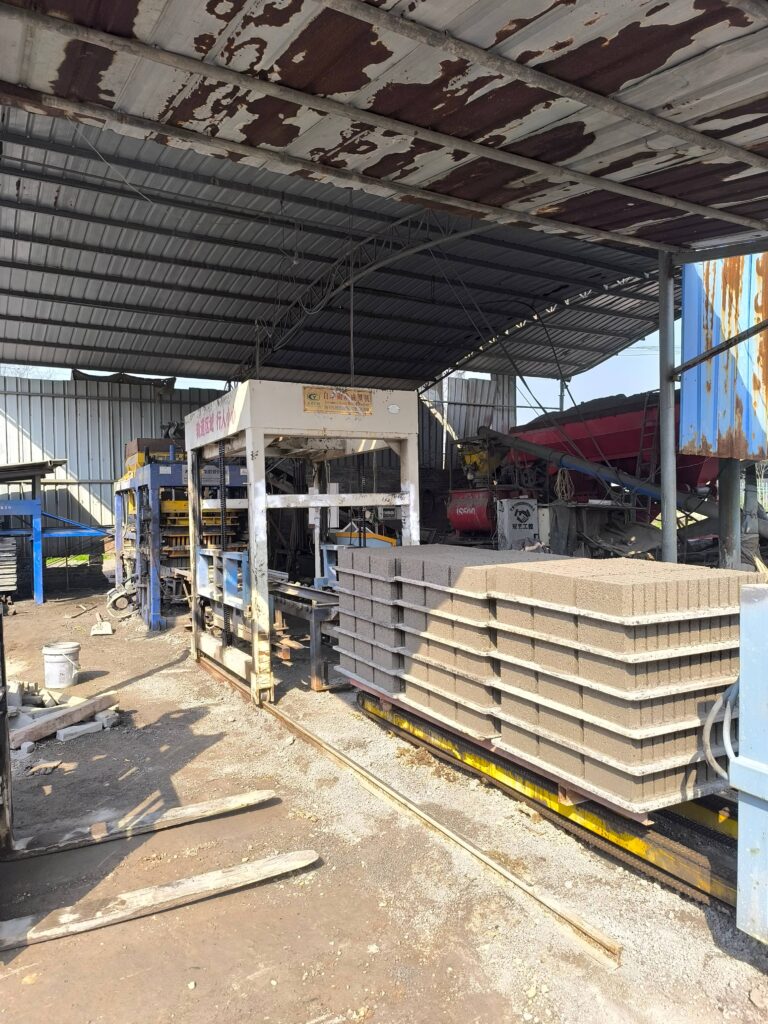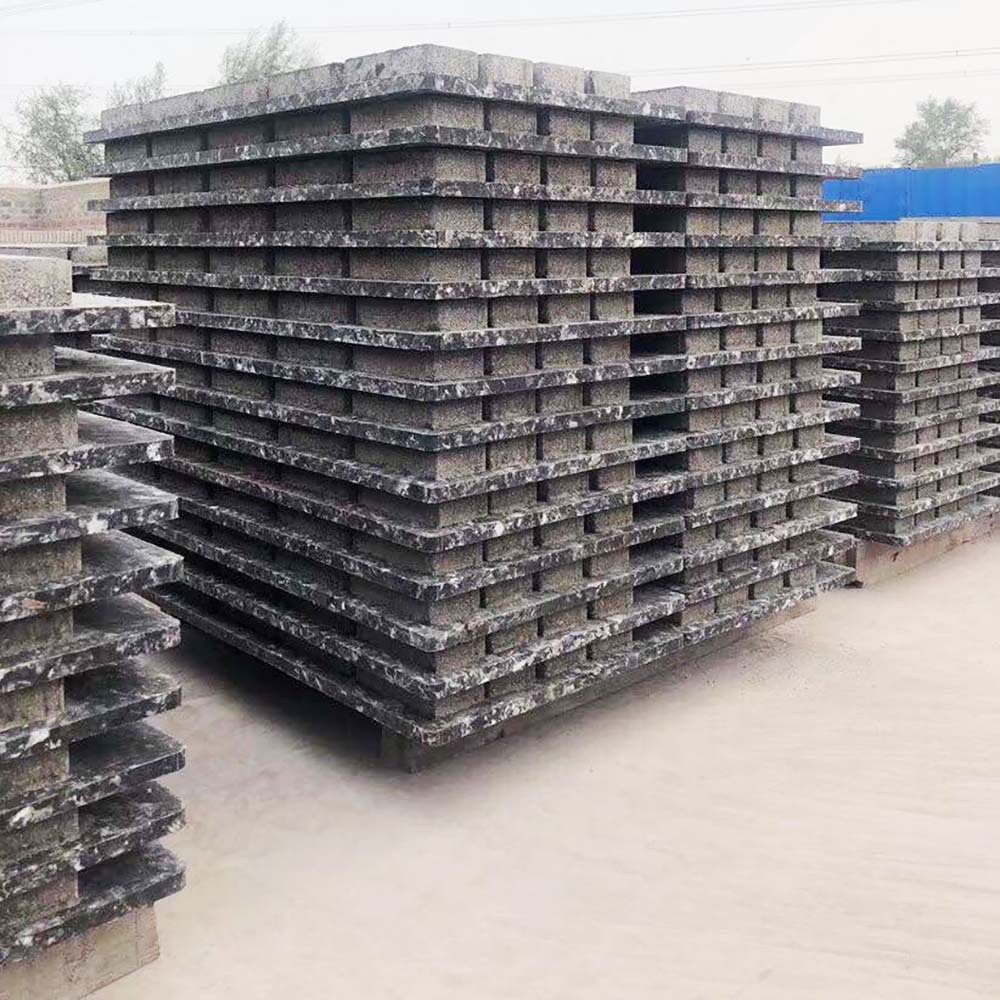
Building the Foundation: Product and Operational Excellence
Before the first sales call, ensure your offering is competitively superior and reliably available. Your product is your strongest salesperson.
- Uncompromising Quality as Your Hallmark: Consistency is key. Implement rigorous quality control (QC) protocols to ensure every pallet of blocks meets or exceeds relevant national and regional standards (e.g., ASTM, EN) for compressive strength, dimensional tolerance, and absorption. Document this with a formal QC certificate. Superior, consistent quality reduces callbacks, builds trust, and justifies premium positioning.
- Strategic Product Portfolio Development: Don’t just sell standard blocks. Use your machine’s versatility to create a diversified portfolio.
- Core Structural Line: High-strength foundation blocks, standard hollow blocks, and lightweight blocks.
- Value-Added Architectural Line: Split-face blocks, colored blocks, textured blocks, and custom shapes for landscaping or design features.
- Specialized Line: Interlocking pavers, permeable pavers for sustainable drainage, and blocks designed for specific systems (e.g., reinforced retaining walls).
- Reliable Logistics and Support: Your ability to deliver on time, in the required quantities, and without excessive breakage is a primary purchasing factor. Invest in appropriate delivery vehicles or reliable partners, proper loading/unloading equipment (forklifts, boom trucks), and clear delivery protocols. Offer flexible order sizes to cater to both large contractors and small builders.
II. Market Analysis and Targeted Sales Strategy
Understand your battlefield. A scattered approach is less effective than targeted penetration.
- Segmenting Your Customer Base: Different customers have different needs.
- Подрядчиҳо ва таҳиягарони калон: Price-sensitive, order in high volume, plan projects months in advance. They value bulk discounts, reliable just-in-time delivery, and project-specific consistency.
- Masonry Subcontractors: Value quality, on-time delivery to keep crews working, and responsive service. They are key influencers and repeat buyers.
- Builders’ Merchants & Retail Yards: Require a broad product range, consistent supply, attractive margin, and marketing support. They provide access to a wide network of smaller customers.
- Government & Municipal Projects: Mandate strict compliance with specifications, often require competitive bidding, and value local economic participation and sustainable products.
- Direct-to-Consumer (DIY/Landscaping): Focus on aesthetic products (pavers, decorative blocks), small-batch availability, clear installation guidance, and visual marketing.
- Developing a Multi-Channel Sales Approach:
- Direct Sales Force: For building relationships with large contractors, developers, and government bodies.
- Distributor/Dealer Network: To expand geographic reach efficiently through established merchants.
- Digital Storefront & Online Inquiry: A professional website with clear product specifications, high-quality images, and an easy contact mechanism to capture leads from all segments.
III. Marketing, Branding, and Customer Relationship Management
Building a recognizable brand and fostering loyalty are essential for long-term success.
- Professional Branding and Collateral: Develop a professional logo, company identity, and sales materials. Create detailed product data sheets, specification guides, and physically impressive, clean sample blocks for display.
- Demonstrating Value Through Evidence: Build a portfolio of successful projects using your blocks. Take high-quality photographs and, with permission, create short case studies. This provides tangible proof of performance and application.
- Digital Marketing and Visibility:
- Search Engine Optimization (SEO): Ensure your website appears when potential customers search for “concrete blocks near me” or “landscaping pavers [Your Area].”
- Social Proof: Utilize platforms like LinkedIn for B2B connections and Instagram or Facebook to showcase projects, especially for decorative products. Positive customer testimonials are powerful.
- Exceptional Customer Service as a Differentiator: Be responsive, solve problems proactively, and build personal relationships. A contractor who knows they can call you directly to resolve a delivery issue is a loyal customer. Consider offering value-added services like basic technical support for block specification.
Conclusion
Selling machine-made blocks is a sophisticated enterprise that integrates manufacturing prowess with commercial acumen. It requires moving from a production-focused mindset to a market-driven strategy. By establishing an unshakable reputation for quality and reliability, strategically targeting the most lucrative customer segments, and building a strong brand supported by digital and relationship-based marketing, you transform your blocks from a generic building material into a preferred, branded solution. The ultimate goal is not just to make a sale, but to become an indispensable partner in your customers’ construction projects, ensuring repeat business and sustainable growth in a competitive marketplace.
FAQ
Q1: How do I price my blocks competitively yet profitably?
A: Conduct a thorough cost analysis including raw materials, production (energy, labor, machine depreciation), overhead, and delivery. Research competitor pricing for similar quality tiers. Avoid competing solely on being the cheapest; instead, price based on the value of your consistency, product range, and service. Offer transparent, volume-based pricing tiers for large orders.
Q2: We are a new producer. How do we gain trust and secure our first major clients?
A: Start by offering exceptional service to smaller, local builders and masonry crews—reliability here builds word-of-mouth credibility. Provide free samples for testing. Offer to partner on a small pilot project. Most importantly, ensure your first deliveries are flawless in quality and timing. A strong start with smaller clients creates the references needed to approach larger ones.
Q3: What is more effective: selling directly or through distributors?
A: There is no one-size-fits-all answer. A hybrid model is often best. Use direct sales for large, local projects and key accounts where relationship management is crucial. Utilize distributors to access wider geographic markets and the retail customer base you cannot efficiently serve directly. Ensure clear agreements to avoid channel conflict.
Q4: How important is it to have my blocks certified by a standards body?
A: It is critically important for sales to commercial contractors, engineers, and government projects. Third-party certification (e.g., from a recognized engineering or materials testing laboratory) provides independent validation that your blocks meet published standards. This removes a major barrier to specification and is often a mandatory requirement for tender submissions.
Q5: How can we effectively market decorative or specialty blocks compared to standard ones?
A: Marketing for aesthetic products is visual and experiential. Create stunning display walls at your yard and at key retail partners. Develop beautiful installation photos and videos for social media. Partner with landscape architects and designers, offering samples for their projects. Focus on the emotional appeal—beauty, durability, and the enhancement of property value—rather than just technical specifications.