
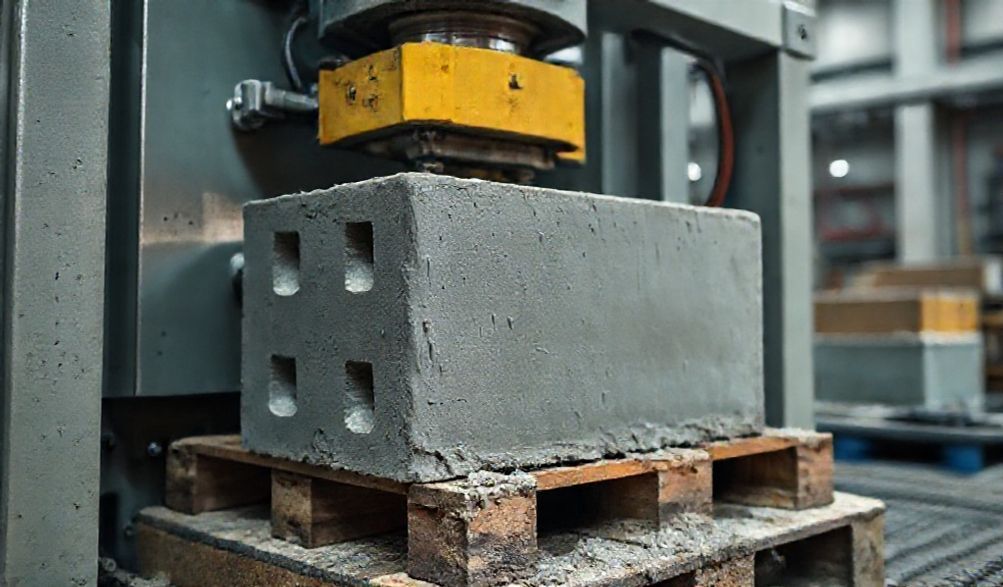
Дастури комил барои машинаҳои истеҳсоли блокҳо: Намудҳо, Фоидаҳо ва Чӣ гуна интихоб кардан
Муқаддима
Манзараи шаҳрҳои мо, пояҳои хонаҳоямон ва роҳҳои боғҳоямон ҳама бар як воҳиди асосӣ сохта шудаанд: блоки бетонӣ. Дар паси ин унсури ҳамаҷои сохтмони муосир як соҳаи мураккаб ва муҳим қарор дорад, ки бо самаранокии бебозгашти мошинҳои истеҳсоли блок ҳаракат мекунад. Барои соҳибони корхонаҳо, мудирони коргоҳҳо ва мутахассисони харидорӣ, интихоби мошини дуруст на танҳо хариди таҷҳизот, балки қарори стратегиест, ки маҳсулнокӣ, сифати маҳсулот ва даромаднокии дарозмуддатро муайян мекунад.
Ин дастур ҳамчун манбаи бонуфузи шумо хидмат мекунад, ки даҳсолаҳои таҳаввулоти соҳаро ба фаҳмишҳои амалӣ табдил медиҳад. Аз прессҳои дастии гузашта то хатҳои истеҳсолии имрӯзаи пурра автоматӣ ва бо компютер идорашаванда, технологияи истеҳсоли блокҳо инқилоберо паси сар карда, ба устуворӣ, дақиқӣ ва ҳосилнокӣ афзалият додааст. Ҳадафи мо пешниҳоди чаҳорчӯби ҳамаҷониба ва боэътимод аст, ки ба шумо дар қабули қарори огоҳона, хоҳ барои таъсиси корхонаи нав ё навсозии корхонаи мавҷуда, кӯмак расонад. Биёед асоси донишро бунёд кунем.
Мошини истеҳсоли блок чӣ аст? Принсипҳои асосӣ ва татбиқот
Дар асл, мошини истеҳсоли блокҳо як мӯъҷизаи муҳандисии саноатӣ буда, барои табдил додани омехтаи хоми бетонӣ ба воҳидҳои дақиқи устувори масонӣ тавассути ларзиш, фишурдан ва фишори назоратшаванда тарҳрезӣ шудааст.
Муайян кардани Технология
Мошини истеҳсоли блокҳо (аксаран мошини блоксозӣ, мошини блокҳои бетонӣ ё мошини хиштсозӣ номида мешавад) таҷҳизоти махсусест, ки шаклдиҳии блокҳои бетонӣ, сангҳои фаршӣ, хиштҳо ва маҳсулоти марбут ба онҳоро автоматӣ мекунад. Он усулҳои дастии номувофиқ ва пурталошро бо раванди такроршавандаи механикӣ иваз менамояд. Калиди кори он қобилияти мустаҳкам кардани омехтаи нимхушки бетонӣ ба шакли зич ва устувор бо роҳи тоза кардани ҷойҳои холӣ ва таъмини тақсимоти якхелаи зарраҳо мебошад.
Раванди асосии истеҳсолот
Гарчанде тарроҳии мошинҳо гуногун бошад ҳам, давраи асосии истеҳсолӣ пайдарпайии яксонро пайравӣ мекунад.
- Хӯрок доданОмехтаи бетони тайёршуда (хирсак, рег, семент ва обандаи кам) ба қабулкунаки мошин бор карда мешавад.
- Метркунӣ ва қолибрезӣ:Миқдори муайяни омехта ба қуттии қолаб ё ҳуҷра, ки шакли блокро муайян мекунад (масалан, холӣ, сахт, баҳампайванд), ворид карда мешавад.
- Фарсудан:Ин марҳилаи ҳалкунанда аст. Мошин яке ё ҳар дуи ин усулҳоро ба кор мебарад:
- Ларзиш:Ларзишҳои баландбасомад ва баландамплитуда омехтаро моеъ мекунанд ва ба он имкон медиҳанд, ки ба ҳар гӯшаи қолаб ҷорӣ шуда, ҳавои дармондаро хориҷ кунанд.
- ФишорТавассути фишори гидравликӣ ё механикӣ қувваи назарраси поёнӣ татбиқ карда шуда, моддаро боз ҳам зичтар мекунад.
- Оғози табобат (муолиҷа):Дар бисёр системҳо, блоки навташаккулёфтаи “сабз” фавран ба паллет интиқол дода шуда, ба палатаи нигоҳдорӣ (аксар вақт тавассути стекер) бурда мешавад.
- Баровард кардан ва Бозгардонии Палет:Қолаб боло меравад ва блок аз мошин ҷудо мешавад, ки барои хушк шудан омода аст. Палети холӣ одатан тоза карда мешавад ва ба оғози давр баргардонида мешавад.
Соҳаҳои асосӣ ва ҳолатҳои истифода
The versatility of these machines makes them indispensable across several sectors:
- Сохтмон The primary market, producing:
- Hollow concrete blocks for load-bearing and partition walls.
- Solid blocks for foundations and heavy-duty applications.
- Lightweight blocks for insulation and reduced structural load.
- Ландшафтсозӣ ва сахтсозӣ: Manufacturing:
- Paving slabs and interlocking pavers for driveways, walkways, and plazas.
- Retaining wall units and garden edging.
- Decorative masonry for aesthetic applications.
- Истеҳсоли мутахассисшуда: Creating niche products like:
- Interlocking concrete blocks for dry-stack walls and flood control.
- Insulated concrete form (ICF) blocks.
- Concrete kerbstones, chimney blocks, and vent blocks.
Types of Block Production Machines: A Detailed Breakdown
Understanding the different machine categories is the first step in aligning technology with your business needs.
Машинаҳои истеҳсоли блокҳои сабук
These are the powerhouses of the industry, designed for high-volume, fixed-location production in a dedicated plant.
- Амалиёт: Raw materials are brought to the machine via conveyor systems. The machine itself does not move.
- Натиҷа: Very high, often ranging from thousands to tens of thousands of blocks per 8-hour shift.
- Зернамудҳои асосӣ:
- Машинаҳои фишори статикӣ: Use high hydraulic pressure as the primary compaction method, often for producing very dense, high-strength paving stones and kerbs.
- “Egg-Laying” Mobile Block Machines: A hybrid where the machine moves along a concrete floor, depositing (or “laying”) blocks directly onto the casting surface before moving forward to produce the next batch. Less common in modern high-output plants.
Дастгоҳҳои сохтани блокҳои мобилӣ
These offer flexibility and a lower barrier to entry, ideal for on-site production or smaller businesses.
- Амалиёт: The machine is moved to the work area (often on wheels or a trailer). It produces blocks directly on a prepared, level ground or concrete slab, eliminating the need for pallets.
- Натиҷа: Lower than stationary plants, suitable for small to medium-scale projects.
- Фоида Drastically reduces material handling costs, as blocks are made where they will be used. Ideal for remote construction sites.
Automatic vs. Semi-Automatic vs. Manual Machines
This classification refers to the level of human intervention required.
- Пурра худкор: The entire process—from raw material feeding to molding, compaction, curing rack handling, and pallet return—is controlled by a programmable logic controller (PLC). Requires minimal labor for supervision and maintenance. Offers the highest output and consistency.
- Ним-автоматӣ: Core processes like compaction and molding are mechanical, but operations like feeding raw material, removing finished blocks, or pallet handling require manual intervention. Offers a good balance between cost and productivity.
- Дастур: Operated entirely by hand, often using a lever to apply pressure. Very low output, suitable only for tiny, niche operations or hobbyists. Not viable for commercial production.
Specialized Machines
Some machines are engineered for specific product lines:
* Pavers & Kerb Machines: Optimized for the high pressure and precise surface finish needed for paving products.
* Interlocking Block Machines: Feature specialized mold designs to create the complex tongue-and-groove profiles of interlocking blocks.
* Multilayer Machines: Capable of producing color-coated or textured blocks by placing different concrete mixes in successive layers.
Key Benefits of Investing in Modern Block Production Machinery
Moving from manual or outdated equipment to a modern block production line delivers transformative advantages.
Беҳамто самаранокӣ ва истеҳсоли баланд
Modern machines run on precise cycles measured in seconds. What might take a team of workers a day to produce can be accomplished by an automated line in an hour. This scalability is essential for fulfilling large contracts and growing your business.
Superior Product Quality and Consistency
Human variability is eliminated. Every block from a well-tuned machine has identical dimensions, weight, and density. This consistency translates to:
* Predictable structural strength (compressive strength).
* Easier, faster bricklaying with uniform mortar joints.
* Enhanced aesthetic appeal for facing blocks and pavers.
Significant Cost Reduction and ROI
While the initial investment is substantial, the long-term savings are compelling:
* Хароҷоти меҳнатӣ: Automation reduces dependency on large crews.
* Зоиди Мавод: Precise metering and efficient compaction minimize spillage and rejected blocks.
* Самараи амалиётӣ: Faster production cycles lower the cost per unit.
A well-planned machine typically pays for itself through these savings, delivering a strong return on investment (ROI).
Enhanced Operational Safety and Ergonomics
Modern design prioritizes operator safety:
* Enclosed moving parts and safety guards.
* Ergonomic controls that reduce physical strain.
* Automated handling eliminates the heavy lifting associated with manual block production, drastically reducing the risk of musculoskeletal injuries.
Sustainability and Material Optimization
Today’s machines support greener construction practices:
* Use of Recycled Aggregates: They can effectively compact mixes containing fly ash, slag, or crushed recycled concrete.
* Reduced Cement Content: Optimal compaction achieves target strength with less cement, lowering the carbon footprint of each block.
* Less Waste: Precise production means less material ends up in landfills.
Critical Factors for Choosing the Right Block Production Machine
Selecting a machine is a multi-faceted decision. Focus on these critical areas to make a confident choice.
Арзёбии талаботи истеҳсолии шумо
Start by defining your business needs with clear numbers:
* Натиҷаи талабшуда Calculate the average number of blocks you need per day, week, and month. Add a 20-30% buffer for growth.
* Маҳсулоти Маҳсулот: List all block types, sizes, and styles you plan to produce (e.g., 6-inch hollow block, 60mm paver).
* Project Scale & Market: Are you supplying a local market or large contractors? Is your demand steady or project-based?
Understanding Machine Specifications
Decode the technical sheet:
* Вақти даврӣ: The time to produce one mold of blocks (e.g., 15 seconds). Faster cycles mean higher output.
* Нерӯи фишор: For press machines, measured in tons or kN. Higher pressure yields denser products.
* Системаи Ларзишӣ: Frequency (Hz) and amplitude (mm). A well-balanced system is key for good compaction without excessive wear.
* Pallet Size & Mold Cavities: Determines how many blocks are made per cycle and their maximum dimensions.
* Талабҳои барқ: Ensure your facility can supply the necessary electrical (or hydraulic) power.
Quality of Construction and Key Components
The machine’s durability depends on its build:
* Фрейм Look for heavy-duty, welded steel construction for stability under load.
* Моторҳои Ларзишӣ: Branded, reliable motors with proper mounting are essential.
* Муқаррарҳо: Hardened, precision-machined steel molds ensure product accuracy and long life.
* Системаи гидравликӣ/пневматикӣ: High-quality pumps, valves, and cylinders from reputable brands (e.g., Bosch Rexroth, Parker) reduce downtime.
Manufacturer Reputation and Support (A Vital E-E-A-T Factor)
This is perhaps the most critical non-technical factor. A machine is a long-term partnership.
* Proven Experience: How long has the manufacturer been in business? Can they provide references from clients in your region?
* Дастрасии қисмҳои эҳтиётӣ: Is there a local or responsive central warehouse for wear parts?
* Хизматрасонии пас аз фурӯш: Do they offer installation supervision, comprehensive operator training, and prompt maintenance support? A strong warranty is a sign of confidence.
Budgeting: Initial Cost vs. Total Cost of Ownership
The cheapest machine can be the most expensive in the long run. Consider:
* Истифодаи энергия: An efficient machine saves on electricity costs daily.
* Хароҷоти нигоҳдорӣ: Factor in the cost and availability of spare parts.
* Expected Lifespan: A robust machine from a quality manufacturer should last for decades with proper care.
* Potential Downtime: The cost of production halts due to machine failure can be catastrophic.
Operational Best Practices and Maintenance
To protect your investment and ensure peak performance, adhere to these guidelines.
Essential Setup and Daily Operation Procedures
- Proper Foundation & Leveling: The machine must be installed on a solid, perfectly level concrete foundation to prevent misalignment and wear.
- Correct Mold Installation: Follow torque specifications when bolting molds to the machine table.
- Mix Preparation: Use a consistent, semi-dry concrete mix with the correct aggregate gradation and moisture content. The mix recipe is as important as the machine itself.
Routine Maintenance Checklist
- Daily: Clean excess concrete from the machine, molds, and pallets. Check hydraulic fluid levels and for any leaks.
- Weekly: Lubricate all moving parts as per the manual. Inspect and tighten bolts, especially on vibration units.
- Monthly: Conduct a thorough inspection of wear parts like mold liners, tamper shoes, and conveyor belts. Check electrical connections.
Troubleshooting Common Issues
- Poor Surface Finish/Chipped Edges: Often caused by an incorrect concrete mix (too dry or too wet) or worn mold liners.
- Low Block Density: Insufficient vibration time, weak vibration motors, or an overly dry mix.
- Blocks Sticking in Mold: Mold needs cleaning or a release agent. Could also indicate under-compaction.
Ensuring Operator Safety
- PPE is Mandatory: Safety glasses, hearing protection, steel-toe boots, and gloves.
- Lockout/Tagout (LOTO): Strict procedures must be followed during any maintenance or clearing of jams.
- Respect Guards: Never operate the machine with safety guards removed or bypassed.
FAQ Section
What is the average production capacity of a standard block machine?
Capacity varies enormously. A small mobile machine may produce 500-1,000 blocks per day. A mid-range stationary plant can produce 5,000-10,000 blocks per 8-hour shift. Large, fully automatic lines can exceed 20,000 blocks per shift.
Can one machine produce different types and sizes of blocks?
Yes, through the use of interchangeable molds. This is a standard feature. The key is to ensure the machine has the necessary pressure/vibration force and pallet size to accommodate the different product ranges you intend to make.
What is the typical lead time and process for installing a new block production line?
From order to commissioning, lead times can range from 3 to 9 months. The process involves: 1) Finalizing specifications, 2) Manufacturing, 3) Factory testing, 4) Shipping, 5) Site preparation (foundation, curing chamber), 6) Installation & mechanical assembly, 7) Electrical/control wiring, 8) Commissioning and operator training.
How important is the raw material mix design for machine performance?
It is absolutely critical. The machine is designed to work with a specific consistency (semi-dry). An improper mix will lead to poor compaction, block damage, and machine wear. Work with your material supplier and machine manufacturer to optimize your mix.
What are the most common mistakes first-time buyers make?
1. Underestimating required output, leading to an undersized machine.
2. Choosing based on price alone, ignoring quality and support.
3. Neglecting to budget for auxiliary equipment (mixers, conveyors, stackers, curing systems).
4. Not visiting an existing plant to see the machine in operation before buying.
How does automation in block production impact labor needs?
It shifts labor from manual, physically demanding tasks (lifting, carrying) to skilled roles in machine supervision, quality control, maintenance, and logistics. Overall headcount may decrease, but the required skill level increases.
What are the key certifications or standards to look for in a machine?
* Нишони СЕ: Essential for sale in the European Economic Area, indicating compliance with EU health, safety, and environmental standards.
* ISO 9001: Certification of the manufacturer’s quality management system, indicating consistent production quality.
* Machine-Specific Standards: Compliance with relevant local or international safety standards for machinery.
Conclusion
Investing in a block production machine is a decisive step toward building a more efficient, profitable, and sustainable business. The right machine acts as the engine of your operation, transforming raw materials into the building blocks of infrastructure with precision and scale. As we’ve explored, the optimal choice is not merely a technical specification—it’s a strategic balance between your production goals, operational capabilities, and a partnership with a reputable manufacturer who will support you for the long haul.
Use this guide as your foundational blueprint. Let it inform your discussions, shape your questions, and clarify your priorities. The most prudent path forward is to consult with multiple established manufacturers, request detailed quotations and plant layouts, and, crucially, arrange visits to see their machines operating in real-world plants. There is no substitute for seeing the equipment in action, speaking with current owners, and verifying a manufacturer’s claims firsthand. Make your decision from a position of knowledge and confidence.
<