
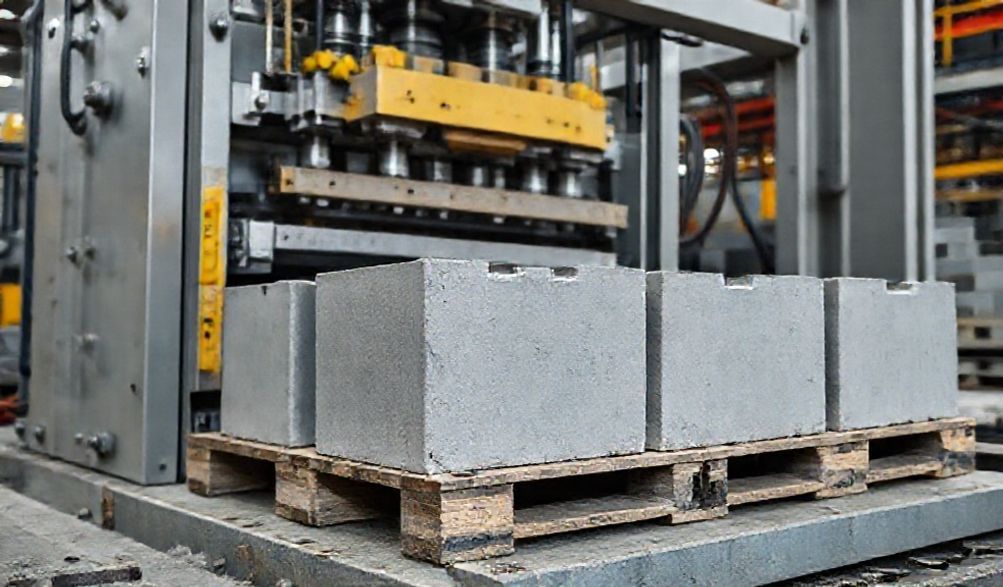
The Ultimate Guide to Choosing a Concrete Block Making Machine in 2024
Муқаддима
From towering skyscrapers to humble garden walls, the global construction industry runs on a simple, fundamental building block: the concrete block. Meeting the relentless demand for this essential material hinges not just on labor and raw materials, but on the heart of the production line—the мошини сохтани блокҳои бетонӣ. Choosing the right one is a pivotal decision that directly impacts your product quality, operational efficiency, and, ultimately, your bottom-line profitability.
This comprehensive guide distills decades of collective industry experience, technical expertise, and hard-won operational knowledge into a clear, actionable framework. Whether you are a business owner scaling up production, a project manager sourcing equipment for a major build, or an entrepreneur entering the construction materials market, this resource is designed for you.
We will navigate the complex landscape of machinery, from manual presses to fully automated plants. You will gain a thorough understanding of different machine types, master the key selection criteria that matter most, and acquire practical insights into setup, running costs, and maintenance. By the end, you will be equipped with the confidence and knowledge to make an informed, strategic investment in a мошини сохтани блокҳои бетонӣ that aligns perfectly with your goals for 2024 and beyond.
Фаҳмидани дастгоҳҳои сохтани блокҳои бетонӣ: Намудҳо ва Истифодабарӣҳо
Before diving into specifications and quotes, it’s crucial to understand the fundamental categories of block-making equipment. The right type for you is dictated by your production scale, budget, and project requirements.
Дастӣ ва ним-автоматӣ мошинҳо
These machines represent the entry point into block production, relying significantly on human intervention.
- Тавсиф: Manual machines are purely mechanical, requiring operators to fill molds, apply pressure via a lever, and remove finished blocks by hand. Semi-automatic models introduce some powered functions, like vibration for compaction, but still need manual feeding and block removal.
- Истифодаи Идеалӣ: Perfect for small-scale projects, startups with limited capital, community-based initiatives, or producing specialty blocks in low volumes. They are also common for on-site production at remote locations with limited power.
- Муҳоҷизот:
- Сармоягузории ибтидоии камтар: Significantly cheaper to purchase.
- Соддагӣ: Easy to understand, operate, and repair.
- Low Power Requirements: Often don’t need a three-phase electrical connection.
- Манфӣҳо
- Меҳнаткаш: High physical labor costs and lower worker productivity.
- Натиҷаи камтар: Production is slow, often capped at a few hundred blocks per day.
- Сифати нобаробар: Heavily dependent on operator skill, leading to potential variations in block density and strength.
Машинаҳои стационарии пурра автоматӣ
These are the workhorses of established block yards and medium-to-large manufacturing plants.
- Тавсиф: These are integrated production systems. They automate the entire process: batching, mixing, conveying, compacting, molding, curing, and sometimes stacking. Operators primarily monitor the control panel and manage material input.
- Истифодаи Идеалӣ: Dedicated production facilities with consistent, high-volume output targets. Ideal for supplying construction companies, retailers, and large-scale housing projects.
- Муҳоҷизот:
- Натиҷаи баланд: Can produce thousands of blocks per shift with remarkable consistency.
- Сифати баланд ва устуворӣ: Automated processes ensure every block meets precise dimensional and strength specifications.
- Reduced Labor Costs: One or two trained operators can manage the entire line.
- Манфӣҳо
- Higher Capital Cost: A substantial upfront investment is required.
- Fixed Location: Designed for a permanent installation with proper foundation and utilities.
- Complex Maintenance: Requires technically skilled personnel for upkeep.
Fully Automatic Mobile Block Machines
Also known as “egg-layers” or mobile block makers, these offer a unique blend of automation and mobility.
- Тавсиф: These self-contained units produce blocks directly on the ground or on a concrete slab. After compacting and molding, the machine moves forward, “laying” the fresh blocks in rows for curing, then cycles back to start a new row.
- Истифодаи Идеалӣ: Extremely large projects like road construction, large housing estates, or military bases where transporting blocks from a distant plant is cost-prohibitive. Eliminates transport costs and block damage.
- Муҳоҷизот:
- Истеҳсоли дар ҷо Drastically cuts logistics costs and time.
- Excellent Flexibility: Can be deployed across a large site as needed.
- Minimal Curing Handling: Blocks cure where they are laid.
- Манфӣҳо
- Operational Complexity: Requires precise site leveling and planning.
- Weather Dependent: Production can be hampered by rain or extreme conditions.
- Maintenance on Site: Servicing must be done in the field.
Specialized Machines for Hollow Blocks, Pavers, and Interlockers
Beyond basic solid blocks, many machines are optimized for specific products.
- Hollow Block Machines: Feature core rods in the mold to create the characteristic cavities, which improve insulation and reduce weight.
- Paver Making Machines: Equipped with high-pressure vibration systems to produce dense, durable paving stones, often with a wide array of mold shapes and colors.
- Interlocking Block Machines: Produce blocks with designed ridges and grooves that lock together without mortar, popular for retaining walls and some construction systems.
The key takeaway is that most stationary automatic machines are versatile through mold (or pallet) interchangeability. You can often switch between producing hollow blocks, solid blocks, and pavers on the same machine by changing the mold set—a critical feature for product diversification.
Key Factors to Consider Before Buying Your Machine
Selecting a machine is a multi-variable equation. This framework will help you weigh the critical factors based on your specific business reality.
Production Capacity and Output Requirements
This is your starting point. Overestimate, and you sink capital into idle capacity. Underestimate, and you lose market share.
- Calculate Real Needs: Don’t just think in “blocks per hour.” Analyze your market demand. How many blocks do you need per 8-hour shift? Per day? Factor in future growth (aim for 20-30% extra capacity).
- Business Model Tie-In: Are you supplying a single large project with a fixed deadline, or are you building inventory for a steady retail business? The former may prioritize raw speed, while the latter values consistent, reliable output.
Block Type, Size, and Mold Compatibility
Your product defines your machine.
- Mold Interchangeability: As noted, this is a vital feature. Ensure the supplier offers a range of standard mold sizes and can provide custom molds for unique designs. Ask about the time and process required to change molds.
- Customization Options: Can the machine handle special mixes (e.g., with fly ash or color pigments)? Does it allow for adjustable vibration frequency and pressure to achieve different block densities?
Level of Automation: Balancing Cost and Labor
This is a core strategic decision with direct ROI implications.
- ROI Analysis: A fully automatic мошини сохтани блокҳои бетонӣ may cost 5-10x more than a semi-automatic one. However, calculate:
- Самараҳои меҳнатӣ: 1-2 operators vs. 6-8.
- Output Increase: 10,000 blocks/day vs. 1,500.
- Quality Consistency: Reduced waste and rejects.
- The payback period for the automation premium is often surprisingly short for businesses with steady demand.
Power Source: Electrical, Hydraulic, or Hybrid Systems
The drive system affects performance, noise, maintenance, and running costs.
- Electrical/Vibratory: Common for compaction. Offers precise control, is cleaner, but can be less powerful for the highest-density products.
- Hydraulic: Provides immense, consistent pressure for very dense blocks (like pavers). It is powerful but can involve more maintenance (seals, hoses, oil changes) and generate heat.
- Hybrid Systems: Many modern machines combine electrical vibration for compaction with hydraulic systems for mold movement and block ejection, aiming for the best of both worlds.
Machine Durability, Build Quality, and After-Sales Support
This is where the true cost of ownership is revealed. Never compromise here.
- Сифати сохтмон: Inspect the quality of steel used in the frame and molds. Are critical components (bearings, hydraulic cylinders, vibrator motors) from reputable international brands (e.g., Siemens, Bosch Rexroth, SKF)? This directly correlates with lifespan and uptime.
- After-Sales Support (The Non-Negotiable): A machine is a long-term asset. You must have answers to:
- Дастгирии техникӣ: Is there 24/7 phone or remote support? How quickly can an engineer be on-site?
- Spare Parts Availability: Does the supplier keep a local inventory of wear-and-tear parts? What is the typical lead time for ordering parts?
- Warranty: What is covered (parts, labor)? For how long? What are the terms?
- Training: Does the purchase include comprehensive training for your operators and maintenance staff at your facility?
The Operational Blueprint: Setup, Running Costs, and Maintenance
Owning a machine is one thing; running a profitable block yard is another. Here’s the experiential knowledge you need.
Site Preparation and Machine Installation
Proper setup prevents countless future problems.
- Фазо: You need space for the machine, raw material storage (sand, aggregate, cement), a mixing area, a curing area (often 10-20x the production area), and finished product storage.
- Foundation: Stationary machines require a massive, level concrete foundation to absorb vibrations. The supplier should provide precise foundation drawings.
- Utilities: Ensure stable three-phase electrical power, a reliable water source, and compressed air if needed.
Raw Material Considerations: Cement, Aggregates, and Mix Design
The machine can only be as good as the mix you feed it.
- Сифати Мавод: Use clean, well-graded aggregates and fresh cement. Impurities can cause block breakage and machine wear.
- Mix Design: A standard mix might be 1 part cement, 3-6 parts aggregate (sand/stone), and sufficient water for workability. The optimal ratio depends on your desired block strength (e.g., 15MPa vs. 25MPa) and the machine’s compaction method. Trial mixes are essential.
Analyzing Operational and Per-Block Costs
To price your blocks competitively, you must understand your costs.
| Cost Component | Details |
| :— | :— |
| Raw Materials | Cement, sand, aggregate, water, potential additives. The largest variable cost. |
| Labor | Wages for operators, maintenance techs, and material handlers. |
| Energy | Electricity for the machine, mixer, conveyors, and lighting. |
| Maintenance | Regular servicing, replacement of wear parts (mold liners, springs, seals). |
| Depreciation | The amortized cost of the machine itself over its useful life. |
Calculate your per-block cost: (Total Daily Operating Cost) / (Number of Blocks Produced Daily). This number is your financial compass.
Essential Maintenance Schedule for Longevity
Preventative maintenance is the cheapest insurance.
- Daily: Clean the machine thoroughly, especially the mold area. Check hydraulic oil levels and for leaks. Lubricate all moving points as per the manual.
- Weekly: Inspect mold liners for wear. Check belt tensions on conveyors. Tighten any loose bolts and nuts on the frame.
- Monthly: Perform a more detailed inspection of hydraulic hoses, electrical connections, and vibrator motors. Change hydraulic oil and filters as specified by the manufacturer.
Navigating the Market: How to Source a Reliable Machine
Armed with your specifications, it’s time to engage with the market as an informed buyer.
Top Global Manufacturers and Brands: A Comparative Overview
- Europe (e.g., Germany): Renowned for engineering precision, automation, and durability. Often the premium choice for high-output, fully automatic lines. Command higher prices.
- China: The world’s largest manufacturing hub, offering an immense range from basic manual machines to sophisticated automatic plants. The key is identifying high-quality manufacturers among vast options. Excellent value if you vet carefully.
- India & Turkey: Strong regional players known for robust machines that often balance cost and capability effectively, particularly for semi- and fully-automatic stationary models.
The Importance of Factory Audits and Machine Trials
If your investment is significant, this step is invaluable.
- Visit the Factory: See the manufacturing process, quality control, and welding techniques firsthand.
- Witness a Running Trial: Ask to see a machine identical or similar to your model running. Better yet, if possible, send your own raw materials for a production trial. This tests the machine’s performance with шумо mix.
Understanding Quotations: What’s Included and Hidden Costs
A quote should be transparent. Scrutinize it for:
- Inclusions: Machine price, standard mold sets, a starter kit of spare parts, on-site installation, and operator training.
- Common Exclusions (Hidden Costs): International shipping, insurance, import duties and taxes, local transport from the port to your site, foundation construction, and commissioning by a foreign engineer (often billed separately per day plus expenses).
Key Questions to Ask Your Supplier
Go beyond price. Use this script:
- “Can you provide contact details for 2-3 clients in my region who have purchased a similar model in the last 3 years?”
- “What is your guaranteed lead time for supplying the most common wear parts (list a few) to my country?”
- “Does your warranty cover both parts and labor for on-site repairs? What is the response time for technical support?”
- “Will your engineers provide full training on maintenance, or just operation?”
- “Can you share the foundation layout and full utility requirements now, before we order?”
Frequently Asked Questions (FAQ)
What is the average price range for a concrete block making machine?
Prices vary astronomically based on type and automation. A small manual machine can start around $5,000. A semi-automatic system may range from $15,000 to $50,000. A fully automatic stationary production line can cost anywhere from $70,000 to over $300,000. Mobile block machines often fall in the $50,000 to $150,000 range. Budget based on your specific output and automation needs.
Can one machine produce different types of blocks?
Yes, absolutely. This is achieved by changing the mold set. On a good automatic machine, changing from hollow blocks to pavers might take a trained crew 2-4 hours. Ensure the machine you select is designed for easy mold interchangeability.
What is the typical lifespan of a well-maintained block machine?
With rigorous preventative maintenance and proper operation, a high-quality мошини сохтани блокҳои бетонӣ can have a productive lifespan of 10 to 20 years. The core frame may last even longer, with components like molds, liners, and hydraulic parts being replaced periodically.
How much skilled labor is required to operate an automatic machine?
A fully automatic stationary plant typically requires 1-2 trained operators per shift to monitor the control panel, manage material feed, and handle basic quality checks. Crucially, you also need access to a skilled maintenance technician (either on staff or on retainer) for weekly servicing and repairs.
What are the most common operational challenges and how to solve them?
- Blocks Sticking in Mold: Usually caused by worn mold liners, insufficient release agent, or an incorrect (too wet) mix. Solution: Replace liners, ensure proper mold oiling, and adjust mix design.
- Inconsistent Block Density/Strength: Often due to uneven raw material feeding, fluctuating vibration/pressure settings, or variable mix water content. Solution: Calibrate feeders, lock in machine settings, and strictly control water-cement ratio.
- Excessive Vibration or Noise: Can indicate loose bolts, worn bearings, or misaligned vibrator motors. Solution: Follow the tightening schedule in the maintenance checklist and inspect bearings regularly.
Conclusion
Интихоби дурустмошини сохтани блокҳои бетонӣ is a strategic business decision that hinges on a clear understanding of your production needs, financial constraints, and long-term vision. It’s not merely about buying a piece of equipment; it’s about investing in the production engine that will drive your profitability for the next decade.
By methodically working through the factors outlined in this guide—from machine type and automation level to build quality and after-sales support—you move from being a speculative buyer to an expert client. This knowledge, rooted in industry experience and technical expertise, is your most powerful tool.
Your confident next step is to create a detailed requirement sheet based on your analysis. Use it to begin consultations with shortlisted, reputable suppliers. Ask the hard questions, demand factory audits, and prioritize total cost of ownership over just the sticker price.
As you move forward, keep an eye on the horizon: the integration of IoT sensors for predictive maintenance and the growing emphasis on sustainable production using recycled aggregates are trends shaping the future of block manufacturing. Investing wisely today positions you to capitalize on these opportunities tomorrow.
<