
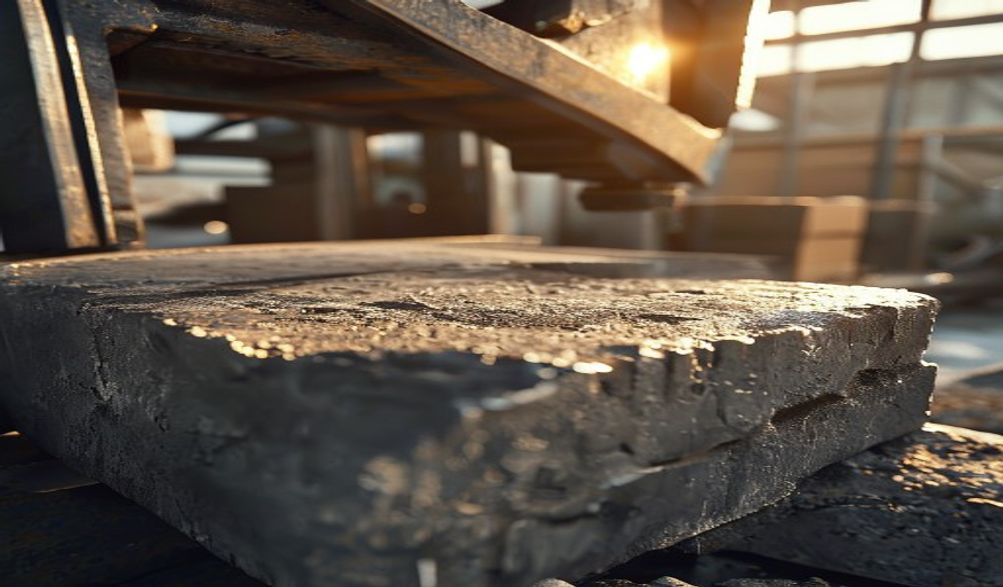
Чӣ тавр дастгоҳи сохтани хишти регӣ-сементиро интихоб кардан: Дастури мутахассиси харидор барои соли 2026
Муқаддима
Дар қуллаи як сармоягузории калони пойтахт истода, фишор ҳис карда мешавад. Интихоби дастгоҳи дурусти сохтмони хишти рег-семент танҳо харидани як дастгоҳ нест; ин асоси ҳақиқӣ ва молиявии тиҷорати ё лоиҳаи сохтмонии шумо мебошад. Қарори шитобзӣ ё нодуруст метавонад шуморо ба муддати солҳо аз рӯи истеҳсоли паст, сифати нобаробар, хароҷоти баланди нигоҳдорӣ ва моддаҳои хоми талхгузор азоб диҳад.
Ин дастур фарқ мекунад. Бо истифода аз ду даҳсола мушоҳидаи саноат, гуфтушунидҳо бо таъминкунандагон ва мушкилоти амалии корӣ, ин мақола барои шумо рӯйхати санҷиши боварӣ тарҳрезӣ шудааст. Мо аз брошюраҳои дурахшон ва суханронӣҳои фурӯш берун рафта, як чорчӯбаи пурра ва қадам-ба-қадам пешниҳод мекунем. Ҳадафи мо ин аст, ки шуморо бо саволҳои дуруст ва дониши муҳим барои фаҳмидани тавсифоти техникӣ, мувофиқ кардани мошина бо эҳтиёҷоти воқеии амалиёти шумо ва баррасӣ кардани таъминкунандагон бо сарфаи лоиқи ин сармоягузорӣ таҷҳиз кунем. Биёед қарореро созем, ки шумо боварӣ дошта бошед.
Фаҳмидани талаботҳои асосии истеҳсолӣ
Пеш аз он ки ба як каталоги машина нигаред, шумо бояд ба дохили худ нигаред. Иштибоҳи бештарин ва гаронтарин харидани машина аст, ки ба асоси он чӣ таъминкунанда мефурӯшад, на он чӣ бизноси шумо воқеан талаб мекунад. Ин бахш ҷустуҷӯи шуморо дар воқеият асос мекунад.
Андозаи Лоиҳа ва Ҳадафҳои Истеҳсоли Рӯзона
Аввал, шкалаи худро муайян кунед. Ин гурӯҳҳо сахт нестанд, аммо онҳо ҷустуҷӯи шуморо чорчӯба мекунанд:
* Хурд / Оғози корИстеҳсоли 1,000 то 5,000 хишт дар як рӯз. Одатан дастӣ ё мошинҳои ним автоматӣ, барои лоиҳаҳои маҳаллӣ ё маҳсулоти мушаххас муносиб.
* Корхонаҳои миёнаҳаҷм / Рушдёбанда:Истеҳсоли аз 5,000 то 20,000 хишт дар як рӯз. Одатан системаҳои ним-автоматӣ ё ибтидоии пурра автоматӣ, ки ҷараёни кори устуворро талаб мекунанд.
* Истеҳсоли васеъ / саноатӣ:Бештар аз 20,000 хишт дар як рӯз. Дар бар мегирад мошинҳои пурра автоматӣ ва баландсуръат бо системаҳои ҳамгирои интиқоли мавод.
Чӣ тавр ҳисоб кардани ҳаҷми зарурии хориҷии худ
1. Тахминии талабот:Талаботи ҷорӣ ва тасдиқшудаи лоиҳаи шумо чист?
2. Самаранокиро ба назар гиред.Ягон мошин дар шабонарӯз (24/7) бо 100% иқтидор кор намекунад. Нақшаҳои хидматрасонӣ, тирезаҳои таъмирӣ ва вақти боркунии маводи хомро ба назар гиред.
3. Use the Formula: (Required Bricks per Month / Working Days) = Minimum Daily Output Target.
4. Crucially, Future-Proof: If you plan to expand in 2-3 years, consider a machine that can handle 20-30% more capacity than your current need, either through higher speed or the ability to add automation later.
Brick Type, Size, and Quality Specifications
The product dictates the process. Be crystal clear on what you intend to manufacture:
* Навъи Хишт Standard solid blocks, hollow blocks (for insulation and reduced weight), interlocking bricks (for dry-stack construction), or paving blocks/flags. Each type may require different mold designs and machine pressures.
* Андоза ва Андозҳо: Precise dimensions (e.g., 400x200x200mm for a hollow block) are critical for construction. Inconsistency here leads to wasted mortar and labor on-site.
* Мустаҳкамии фишорӣ: This is your brick’s backbone, measured in N/mm² or MPa. Residential projects may require 3.5-7 MPa, while commercial/industrial needs can exceed 10 MPa. The machine’s pressure capability is directly linked to achieving this strength consistently.
* Сатҳи сатҳ: A smooth, sharp-edged brick commands a market premium. The quality of the mold and the machine’s vibration/pressure system determines finish.
Raw Material Analysis: Cement, Sand, and Aggregate
Your local materials are not a variable to be ignored; they are a core design input.
* Mix Ratios: The standard cement:sand ratio might be 1:6 or 1:8. Your machine must be able to mix this homogeneously. Can it handle precise batching?
* Sand Quality: Is your sand fine or coarse? Does it have high moisture or clay content? Poor-quality sand can lead to weak bricks and clogging. Some machines have better tolerance for material variation than others.
* Additives & Aggregates: Are you planning to use fly ash (an eco-friendly and cost-saving binder), crushed stone (for weight and strength), or pigments? Confirm the machine’s mixer and hopper can handle these materials without excessive wear.
Калидҳои техникӣ барои рамзкушоӣ
Now, with your needs defined, we translate the technical jargon. This is where expertise separates a good buy from a regrettable one.
Machine Type: Manual, Semi-Automatic, vs. Fully Automatic
This choice balances capital investment with operational cost and labor.
* Дастгоҳҳои дастӣ: Operated entirely by hand (filling, compacting, ejecting).
* Муҳоҷизот: Very low initial cost, simple maintenance, no power needed.
* Манфӣҳо Very low output (300-500 bricks/day), high labor intensity, inconsistent quality.
* Беҳтарин барои: Micro-enterprises, remote locations with no electricity, producing specialty bricks in tiny batches.
* Машинаҳои ним-автоматӣ: Power-driven for key processes (vibration, compression) but require manual feeding of raw material and removal of finished bricks.
* Муҳоҷизот: Moderate investment, significantly higher output (2,000-10,000 bricks/day), good quality consistency, lower labor than manual.
* Манфӣҳо Still labor-dependent for feeding/removal, output limited by human speed.
* Беҳтарин барои: Small to medium businesses, ideal for markets with available labor and fluctuating demand.
* Машинаҳои пурра автоматӣ: Computer-controlled from material feeding to brick stacking. Often include conveyor belts and automatic pallet feeders.
* Муҳоҷизот: Very high output (10,000-50,000+ bricks/day), exceptional consistency, minimal labor (1-2 operators), high efficiency.
* Манфӣҳо High initial investment, complex maintenance, requires stable power supply and significant space.
* Беҳтарин барои: Large-scale production, industrial settings, where labor costs are high and demand is constant.
Core Mechanism: Hydraulic vs. Vibration Pressure
This is the heart of how your brick is formed.
* Системаҳои гидравликӣ: Use a hydraulic pump and cylinder to apply immense, controlled pressure.
* Фоидаҳо: Produces extremely dense, high-strength bricks with excellent surface finish. Consistent quality regardless of raw material minor variations. Generally quieter operation.
* Typical Use: High-quality solid/hollow blocks, paving stones, and where very high compressive strength is non-negotiable.
* Vibration/Press Systems: Use a combination of vibration (to settle the mix) and mechanical pressure.
* Фоидаҳо: Faster cycle times, often lower energy consumption, and can be very effective for standard bricks.
* Мулоҳизаҳо Brick strength can be more sensitive to mix consistency and moisture content. Can be noisier.
* Typical Use: Standard hollow and solid blocks for general construction. Many semi-automatic machines use this system.
Critical Specs to Compare: Cycle Time, Pressure, and Power
- Вақти даврӣ: The total time (in seconds) to produce one brick or one mold of bricks. This is the primary driver of maximum output.
(3600 seconds/hour / Cycle Time) x Operating Hours = Potential Daily Output. A 15-second cycle time is vastly different from a 30-second one. - Фишори (Тоннаж): Measured in tons (e.g., 100-ton hydraulic press). Higher pressure compacts the raw material more, directly increasing the brick’s density and compressive strength. Match the pressure to your strength requirements.
- Қувваи мотор: Measured in kW or HP. This affects your electricity bill. A more powerful motor isn’t always better; it should be appropriately sized for the machine’s work. Compare power consumption across shortlisted models for similar output.
Evaluating Machine Build Quality and Durability
A cheap machine is often the most expensive one over five years. Prioritize longevity and robustness over a tempting low sticker price.
Frame Construction and Critical Component Materials
- Фрейм Look for heavy-duty, reinforced steel frames with professional welding. A flimsy frame will flex under load, leading to misalignment, wear, and breakdowns.
- Муқаррарҳо: These are high-wear items. Hardened steel molds last 5-10 times longer than standard steel molds. Inspect the finish of the mold cavity—it should be mirror-smooth to ensure easy brick release and a perfect finish.
- Hydraulic Components: Ask for the brand of the hydraulic pump, valves, and cylinder. Reputable brands (e.g., Bosch Rexroth, Parker, Yuken) ensure reliability and easier spare parts sourcing.
Ease of Operation and Maintenance
- Системи идоракунӣ A clear, intuitive control panel—whether a simple button interface or a Контроллери мантиқии барномашаванда (PLC) with a touchscreen—reduces operator error and training time. PLCs allow for precise control over pressure and timing.
- Service Access: Can you easily access the hydraulic system, vibration motors, and electrical panels for routine checks? Well-designed machines have removable panels and clear access points.
- Documentation: A detailed, well-illustrated operation and maintenance manual in your language is non-negotiable. It should include lubrication points, troubleshooting guides, and a parts list.
Safety Features and Compliance
Never compromise on safety. Ensure the machine has:
* Physical safety guards covering all moving parts (rams, conveyors).
* Emergency stop buttons at multiple, accessible points.
* Electrical overload protection and proper grounding.
* Safety Certifications: A Нишони СЕ (for the European market) or other regional certifications indicate the machine meets essential health, safety, and environmental protection standards. This is a strong proxy for overall build quality.
The Supplier Vetting Process: Beyond the Brochure
Your relationship with the supplier lasts long after the machine is delivered. Due diligence here is your greatest insurance policy.
Manufacturer Reputation and After-Sales Support
- Research: How long have they been in business? Search for their name alongside keywords like “reviews,” “complaints,” or “lawsuit.” Ask for a client list and actually call a few references.
- After-Sales Package: The warranty (typically 1 year on parts) is just the start. What does it include?
- Насб ва ба кор даровардан: Will they send an engineer to set it up and ensure it runs?
- Operator Training: Is comprehensive training provided?
- Дастрасии қисмҳои эҳтиётӣ: What is the lead time for critical spare parts? Do they keep a local inventory?
The Importance of Factory Visits or Live Demos
If possible, always see the machine running.
* Watch a Live Demo: Observe the noise level, vibration, and smoothness of operation. See the final product come out. Measure its dimensions and weight for consistency.
* Ask Demo-Specific Questions: “Can I run it for an hour to see a true average output?” “What is the waste rate with this material mix?” “How easy is it to change the mold?”
* Visit the Factory: Seeing the manufacturing facility gives you insight into their quality control processes and scale.
Analyzing the Total Cost of Ownership (TCO)
The purchase price is only the first cost. A proper TCO analysis includes:
1. Нархи Харидорӣ:Худи мошин.
2. Shipping, Installation, & Foundation Costs: Often overlooked.
3. Training Costs: If not included.
4. Utility Costs: Estimate daily electricity consumption.
5. Annual Maintenance & Spare Parts: Budget 3-5% of the machine’s cost annually for routine parts (seals, liners) and preventative maintenance.
6. Potential Downtime Cost: What is the business cost if the machine is down for a week waiting for a spare part? A reliable supplier minimizes this risk.
Making the Final Decision: A Step-by-Step Checklist
Use this actionable checklist to synthesize everything and make your final choice.
Phase 1: Re-confirm Your Foundation
– [ ] Step 1: Finalized daily/monthly brick output target, including 20% growth buffer.
– [ ] Step 2: Defined exact brick type(s), size(s), and minimum compressive strength required.
– [ ] Step 3: Established a clear budget, including a 15-20% contingency for TCO items.
Phase 2: Create a Shortlist
– [ ] Step 4: Based on Steps 1-3, determine required automation level (Semi-Auto / Fully Auto) and core mechanism (Hydraulic/Vibration).
– [ ] Step 5: Identify 3-5 potential suppliers with machines meeting your technical specs. Research their reputations.
– [ ] Step 6: Request detailed quotations from each, ensuring they include ALL costs (FOB, shipping, installation, training).
Phase 3: Final Vetting & Decision
– [ ] Step 7: Conduct a factory visit or live demo for your top 2-3 choices. Inspect build quality and final product.
– [ ] Step 8: Perform a detailed TCO comparison over a 5-year period for the shortlisted machines.
– [ ] Step 9: Contact at least two existing customers for each finalist supplier.
– [ ] Step 10: Review the final sales contract meticulously, ensuring warranty, support, and delivery terms are explicitly stated. Then, proceed with confidence.
Frequently Asked Questions (FAQ)
Q1: What is the average price range for a good cement sand brick making machine?
Prices vary dramatically. A small manual machine can start around $2,000-$5,000. A quality semi-automatic machine typically ranges from $15,000 to $50,000. Industrial-grade fully automatic lines can cost from $80,000 to over $500,000. Remember, “good” means reliable and fit-for-purpose. The cheapest option often carries the highest long-term cost in repairs and downtime.
Q2: Can one machine produce different types and sizes of bricks?
Yes, through interchangeable molds. However, you must verify two things: 1) The supplier offers a range of compatible mold designs for the machine. 2) The machine’s pressure and system (e.g., hydraulic force, vibration table size) are versatile enough to produce different products effectively. Switching molds usually takes 30 minutes to a few hours.
Q3: How much space and what kind of foundation is required for setup?
Space needs are significant. Beyond the machine’s footprint, you need area for:
* Raw material storage (sand, cement, aggregate).
* Mixing area.
* Curing area (bricks need to cure for 7-28 days).
* Finished product storage.
A stable, level reinforced concrete foundation is absolutely critical, especially for automatic machines, to absorb vibration and prevent settling. Your supplier should provide foundation layout drawings.
Q4: What is the typical lead time from order to installation?
For standard models, expect 30 to 90 days after order confirmation, depending on manufacturer workload and shipping. For customized machines or complex automated lines, lead times can extend to 4-6 months. Always get a written delivery date in the contract and discuss penalties for significant delays.
Q5: What are the most common maintenance issues I should prepare for?
* Қисмҳои фарсудашаванда Mold liners, vibration motor bearings, conveyor belts, and mixer blades require regular inspection and replacement.
* Системаи гидравликӣ: Leaking seals or hoses, and contaminated hydraulic oil, are common issues. Regular oil checks and using clean oil are vital.
* Electrical Components: Contactors and sensors can fail. Keeping the electrical panel clean and dry prevents many problems.
A robust preventive maintenance schedule, using quality spare parts, is the key to minimizing unexpected downtime.
Conclusion
Selecting the perfect cement sand brick making machine is a strategic decision that echoes through the life of your business. It’s the intersection of engineering, economics, and operational foresight. By methodically working through your core production requirements, decoding the technical specifications, prioritizing unshakeable build quality, and conducting thorough supplier due diligence, you transform a risky purchase into a confident investment.
This machine will be the workhorse that turns raw material into the building blocks of homes, schools, and infrastructure. Choosing wisely ensures it does so profitably, reliably, and with the quality that builds not just structures, but also your reputation. Take this guide, apply its principles, and move forward knowing your foundation is solid.
<