
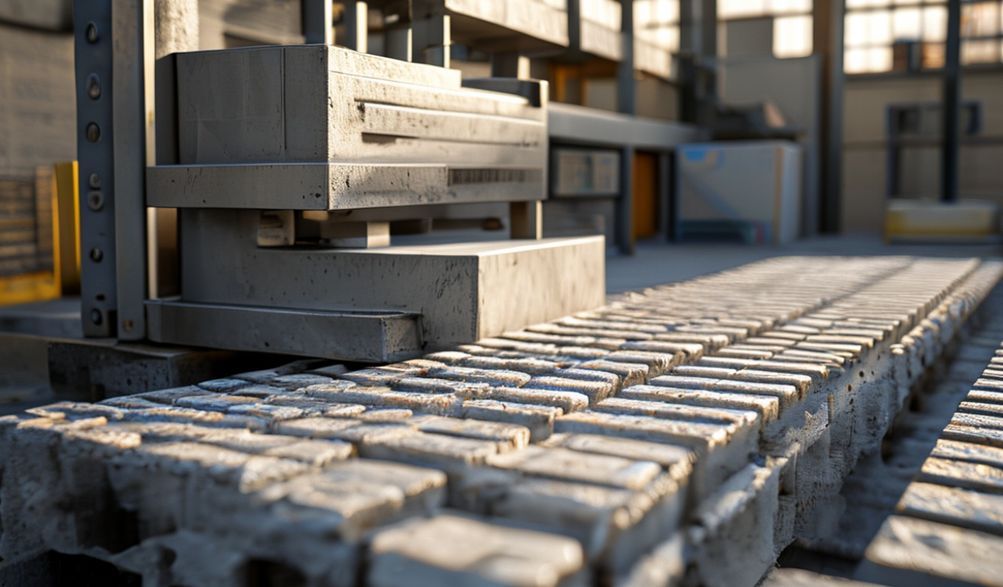
Нарҳҳои Мошини Сохтани Блокҳои Бетонӣ: Дастури Харидорӣ ва Таҳлили Хароҷот барои соли 2026
Муқаддима
Шумо ниҳоят қарор гирифтед, ки занҷири таъминоти худро назорат кунед. Ҳамчун подрядчӣ, шумо аз тағйирёбии ҷадвалҳои расондан ва марҷини хароҷоти нақлиёт хаста шудаед. Ҳамчун соҳибкори навқадам, шумо талаби устуворро барои маводҳои сохтмонӣ дар минтақаи рушдёбандаи худ мебинед. Ҳалли масъала равшан ба назар мерасад: дар мошини сохтани блокҳои бетонӣ сармоягузорӣ кунед. Аммо ҷустуҷӯи зуд дар интернет барои "нархи мошини сохтани блокҳои бетонӣ" шуморо бештар дар ҳайрат мегузорад, ҳатто аз пеш. Нархҳо аз чанд ҳазор то чандсад ҳазор доллар фарқ мекунанд. Чӣ тавр шумо инро дарк мекунед?
Ин дастур аз садои бегона мегузарад. Бо истифода аз маълумоти саноат, муайянкунии мустақими истеҳсолкунанда ва фаҳмиши амалии соҳибкорон, мо хароҷотро барои шумо равшан мекунем. Шумо аз ҳадди диапазони нархҳо бештар хоҳед донист. Мо омилҳои асосии муайянкунандаи хароҷот, чӣ гуна дастгоҳро ба эҳтиёҷоти мушаххаси тиҷорати худ мувофиқ кардан ва — муҳимтарин — хароҷоти умумии соҳибият, ки аз нархи ибтидоӣ дуртар аст,ро шарҳ хоҳем дод. Дар охир, шумо барои сармоягузории огоҳонае, ки тиҷорати шуморо бунёд мекунад, на он ки бори онро меафзояд, таҳия хоҳед шуд.
Фаҳмидани Мошинҳои Сохтани Блокҳои Бетонӣ: Навъҳо ва Имкониятҳо
Пеш аз муҳокимаи нарх, муҳим аст, ки шумо чизеро, ки мехаред, дарк кунед. Навъи мошине, ки ба шумо лозим аст, бузургтарин омили таъйиди арзиш мебошад. Интихоби навъи нодуруст барои амалиёти шумо зудтарин роҳ барои нобуд кардани бозгашти сармоягузорӣ аст.
Дастӣ ва ним-автоматӣ мошинҳо
- Тавсиф:Инҳо дастгоҳҳои амалӣ мебошанд. Моделҳои дастӣ аз оператор талаб мекунанд, ки қолибро пур кунад, механизми фишорро фаъол кунад (аксар вақт дӯшвор) ва блоки омодашударо хориҷ кунад. Намудҳои ним худкор баъзе вазифаҳои барқӣ, монанди ларзиш ё фишори гидравликӣ илова мекунанд, аммо ҳанӯз ба оператор барои додани материал ва хориҷ кардани блок вобастаанд.
- Идеалӣ барои:Лоиҳаҳои хеле хурд, ҳаваскорони корҳои дастӣ, ширкатҳои навпайдои санҷиши бозор бо сармояи ҳадди ақал, ё истеҳсоли блокҳои махсус дар ҳаҷми хеле кам.
- Key Price Influencers: The brand’s market position, the complexity and size of the molds (a standard hollow block mold is cheaper than a complex interlocking paver mold), and the level of automation in semi-automatic models.
Машинаҳои стационарии пурра автоматӣ
- Тавсиф: These are the workhorses of dedicated block yards. They are fixed installations that automate the entire process: material batching, mixing, molding, high-frequency vibration, curing, and sometimes even pallet circulation and stacking. Output is measured in blocks per hour.
- Идеалӣ барои: Medium to large-scale production businesses supplying local hardware stores, contractors, or housing developments. They require a dedicated space and proper foundation.
- Key Price Influencers: Production capacity is paramount. A machine producing 1,000 blocks per hour costs significantly less than one producing 5,000. The degree of integration (e.g., having an automatic mixer feeder) and the reputation of the brand (often tied to reliability and durability) also heavily influence price.
Дастгоҳҳои сохтани блокҳои мобилӣ
- Тавсиф: Built on a trailer or skid frame, these machines are designed for portability. They can be towed directly to a large construction site, producing blocks on-demand and slashing transportation costs for the final product.
- Идеалӣ барои: Large infrastructure projects, remote site construction, or businesses that service multiple large job sites from a central base.
- Key Price Influencers: The engineering for mobility (robust axles, braking systems) and the inclusion of an onboard diesel engine or power plant add cost. Production capacity remains a key factor.
Specialized Machines: Hollow Block, Paver, Interlocking
- Тавсиф: While many machines are versatile with mold changes, some are engineered specifically for high-volume production of a single block type, like hollow blocks, paving stones, or interlocking soil blocks.
- Key Price Influencers: The sophistication of the mold and the hydraulic system. A machine designed to produce intricate, high-tolerance paving stones with multiple colors requires more precise and expensive technology than one producing basic construction blocks.
Breaking Down the Costs: From Sticker Price to Operation
Now, let’s translate machine types into actual numbers and explore all the costs involved. Industry practice shows that focusing solely on the purchase price is the most common mistake new buyers make.
The Machine Price Spectrum (2026 Estimates)
- Entry-Level (Manual/Semi-Auto): $1,000 – $15,000. This range covers basic manual machines up to semi-automatic models with modest output.
- Mid-Range (Fully Automatic Stationary): $15,000 – $50,000. This is the sweet spot for serious small to medium businesses, covering robust automatic machines with outputs from ~800 to 2,500 blocks per hour.
- High-Capacity/Industrial: $50,000 – $200,000+. This tier includes high-speed multi-block machines, fully integrated production lines with automatic stackers and loaders, and specialized large-format paver plants.
Огоҳсозӣ: Prices vary wildly based on configuration, brand, and region. The figures above are 2026 estimates for guideline purposes. Always get multiple, detailed quotes.
Core Factors That Determine “Machine to Making Concrete Blocks Prices”
Why is there such a broad range? These five factors are what suppliers use to build their quotes:
- Истеҳсоли иқтидор (Блок/Соат): This is the engine size. Higher output requires more powerful motors, larger hydraulics, and sturdier frames.
- Level of Automation & Technology: A basic automatic machine differs from one with a programmable logic controller (PLC), touch-screen interface, and automated pallet return system. Each upgrade adds cost but also improves consistency and reduces labor.
- Brand & Country of Origin: Established brands from Germany, Italy, or the USA often command a premium for proven engineering and reliability. Machines from India, Turkey, or China can offer excellent value but require careful supplier vetting. The “cost” here relates to perceived risk and part availability.
- Machine Type & Specialization: As outlined in the previous section, a mobile machine costs more than a stationary one of similar output due to its chassis and engine. A specialized paver machine is engineered differently than a standard block machine.
- Мувофиқати Маводи Хом: Can the machine efficiently handle fly ash, slag, or various lightweight aggregates? Machines built for diverse mix designs may have more robust mixing systems.
The Hidden Costs: Total Cost of Ownership (TCO)
The true cost of your machine includes all these often-overlooked expenses:
- Installation & Foundation: A stationary machine needs a level, reinforced concrete foundation. This is a significant civil works cost that is absolutely non-negotiable for performance and safety.
- Shipping & Logistics: For an international order, freight, insurance, customs duties, and port handling can add 15-30% to the machine’s landed cost.
- Molds & Attachments: The machine might come with one or two standard molds. Additional molds for different block types can cost from $500 to $5,000+ each.
- Талабҳои барқ: A fully automatic machine may require a three-phase industrial power connection or a large-capacity generator, both of which are substantial investments.
- Maintenance & Spare Parts: Based on operational data, you should budget 3-7% of the machine’s initial cost annually for routine maintenance and spare parts (wear parts like springs, bolts, and hydraulic seals).
- Operator Training: An inefficient or untrained operator will waste material and produce sub-standard blocks. Factor in the cost of training or the learning curve’s impact on initial production quality.
How to Choose the Right Machine for Your Budget & Needs
With an understanding of costs, you can now make a strategic choice. Authoritative advice from seasoned owners always points to aligning the machine with your business plan, not the other way around.
Step 1: Assess Your Business Model & Demand
Be brutally honest with your projections.
* What is your realistic daily or weekly output requirement to meet demand?
* Which block types (4″, 6″, hollow, solid, pavers) are most in demand in your local market?
* Are you a startup needing to minimize risk, an expanding business needing to boost capacity, or a large contractor looking for on-site production?
Step 2: New vs. Used Equipment
This is a major budget decision.
* New Machines:
* Муҳоҷизот: Full warranty, latest technology and efficiency, reliability, and supplier support from day one.
* Манфӣҳо Higher upfront capital expenditure (CAPEX).
* Used Machines:
* Муҳоҷизот: Lower entry price, potentially faster availability.
* Манфӣҳо “As-is” condition risk, unknown maintenance history, potential difficulty sourcing obsolete parts, and little to no warranty. Always insist on an in-person inspection or a detailed video run-through.
Step 3: Key Questions to Ask Suppliers
Your relationship with the supplier is critical. Ask these questions:
* “What does your after-sales service and technical support look like in my country/region? Do you have local technicians?”
* “What is the exact warranty period and what components does it cover? (e.g., frame, hydraulics, electrical)”
* “How readily available are spare parts, and what is the typical delivery time?”
* “Do you provide installation supervision, detailed manuals, or operator training?”
Step 4: Calculating Your Return on Investment (ROI)
A simple framework to justify the purchase:
(Projected Annual Revenue from Blocks - Cost of Raw Materials & Operating Expenses) / Total Machine Investment (Purchase + Installation + Hidden Costs)
This calculation will highlight a key insight commonly reported by owners: a slightly more expensive, reliable machine with good support often delivers a faster and safer ROI than a cheap machine plagued by downtime and repair costs.
FAQ: Your Concrete Block Machine Price Questions Answered
Q1: What is the cheapest type of concrete block making machine?
A: Manual machines have the lowest upfront price. However, you must factor in high labor costs and very low output, which can make the cost-per-block higher than with a semi-automatic model.
Q2: Can I get a good automatic block machine under $20,000?
A: Yes, it is possible. In 2026, this price range should get you a basic stationary automatic machine from certain manufacturers with a capacity of around 1,000-1,500 blocks per hour. Prioritize suppliers with verifiable customer testimonials and clear warranty terms in this competitive segment.
Q3: Are Chinese block making machines a good low-cost option?
A: They can be a very cost-effective solution, and many are of good quality. Due diligence is non-negotiable. Look for suppliers with international certifications (like CE), those who offer comprehensive after-sales support, and have transparent, verified customer reviews. Always factor in potential longer lead times for parts.
Q4: Besides the machine price, what is the biggest ongoing cost?
A: Raw materials (cement, aggregates, sand) are typically 50-70% of your ongoing production cost. Following that, planned maintenance and unexpected repairs are the most significant costs related to the machine itself. Energy and labor are also major budget items.
Q5: How can I ensure my investment is protected?
A: Protect your investment by: 1) Buying from a reputable supplier with a physical address and proven track record, 2) Securing a clear, written warranty, 3) Verifying the availability of service support пеш you buy, and 4) Choosing a machine that matches your current verified needs with a small margin for growth—avoiding the temptation to buy an oversized, overly complex machine.
Conclusion & Final Recommendations
Navigating “machine to making concrete blocks prices” is not about finding a single magic number. It’s about understanding a spectrum defined by your specific production goals, the type of machine required, and a realistic assessment of the total cost of ownership.
Our final, most crucial recommendation is this: Prioritize total cost of ownership and supplier reputation over the lowest sticker price. Your block making machine is a profit center. Downtime is lost revenue. A reliable machine backed by a responsive supplier may have a higher initial cost but will minimize operational headaches and maximize your long-term profitability.
Ready to get specific quotes?
Download our free checklist: ’10 Must-Ask Questions for Concrete Block Machine Suppliers’ to take to your negotiations and ensure you cover all critical points.
Have more questions?
Consult with an industry expert or explore our detailed reviews of specific machine models and business planning guides for block manufacturers.