
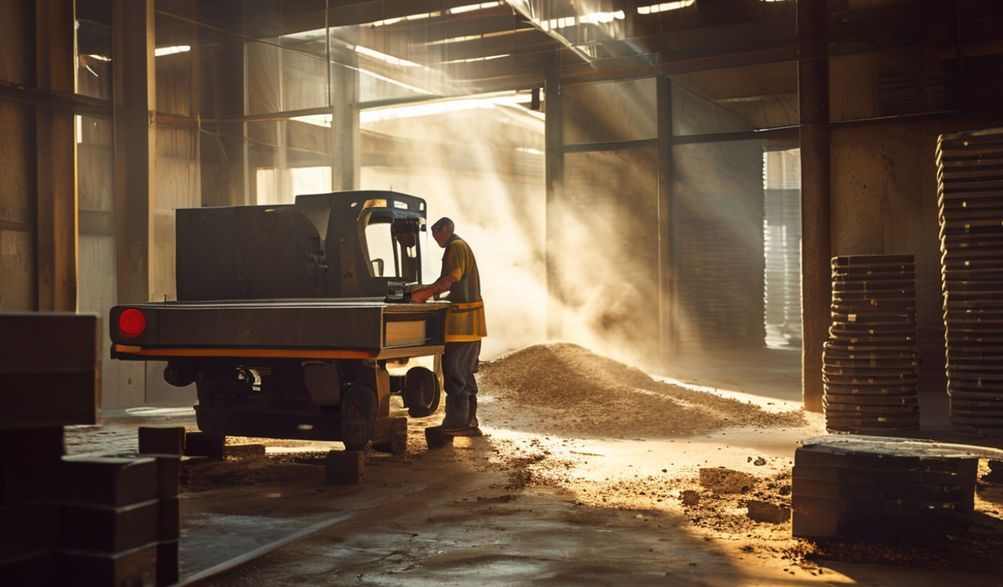
Дастури олии мошинҳои сохтани блокҳои хишти сементӣ дар Бангладеш (2026)
Муқаддима
Осимои Бангладеш шаҳодати орзуҳост. Аз корхонаҳои фабрикаҳои либосҳои паҳншуда то бурҷҳои истиқоматии баландшаванда ва инфраструктураи бузург монанди Пули Падма ва Метрои Дакка, кишвар ояндаи худро бо суръати беҳамто бунёд мекунад. Ин раванди фаъоли бинокорӣ талаботи бузург ва устувориро барои як чизе, яъне масолеҳи бинокорӣ ба вуҷуд меорад. Аммо, дар маркази ин рушд як мушкили муҳим вуҷуд дорад — вобастагӣ ба усулҳои анъанавии истеҳсоли хишт, ки ба талаботи муосир барои сифат, хароҷот ва иқтидори устувор ҷавобгӯ намебошанд.
Барои соҳибкорон, созандагон ва сармоягузорони саноатӣ, ин мушкилият фурсати аҳамиятнокиро пешниҳод мекунад. Истеҳсоли дастӣи хишт машққатнок аст, сифати нобаробар ба даст медиҳад ва бо назорати зиёди муҳити рӯ ба рӯ мешавад. Маводҳои воридшуда хароҷоти лоиҳаро афзоиш медиҳанд. Ҳалли он? Таъсиси хати истеҳсолии маҳаллӣ ва самарабахш барои блокҳои бетонӣ бо истифода аз мошини махсуси сохтани блокҳои хиштӣ. Ин технология танҳо як абзор нест; ин модели бизнеси табдилдиҳанда барои бозори Бангладеш аст.
Ин дастури пурра аз таҳлили амиқи соҳаи сохтмони маҳаллӣ, тавсифоти истеҳсолкунанда ва фаҳмиши амалии фаъолият дар Бангладеш таҳия шудааст. Ҳадафи мо ин аст, ки манбаи муҳим ва бовариноки шумо бошем. Шумо хоҳ соҳибкори хурд ё миёна бошед, ки барои корҳои соҳиббаракат талош мекунед, хоҳ ширкати сохтмонӣ бошед, ки мехоҳед таъминоти молу хароҷотро назорат кунед, ё сармоягузори саноатӣ бошед, ки ба соҳаи масолеҳи сохтмонӣ назар доред, ин дастур шуморо бо донише таҷҳиз мекунад, то қарорҳои худро бо эътимод ва огоҳона қабул кунед.
Чаро дар Бангладеш ба мошини сохтани блокҳои сементӣ сармоягузорӣ кардан лозим аст?
Сармоягузорӣ ба мошини сохтани блок дар Бангладеш танҳо харид нест; ин як ҳаракати стратегӣ аст, ки бо рушди миллӣ ва фосилаҳои бозор мувофиқат мекунад. Инҷо назари амалӣ ва додаҳоасосшуда ба далелҳои қатъӣ оварда шудааст.
Суръати баланди сохтмон ва рушди инфраструктура
The demand driver is undeniable. Beyond mega-projects, urban expansion, rural development, and the relentless growth of the Ready-Made Garment (RMG) sector necessitate new factories, warehouses, and worker accommodations. The government’s focus on affordable housing and infrastructure development ensures a long-term, stable market for high-quality building blocks. Investing in production capacity now positions you to supply this ongoing national project.
Cost Efficiency and High Profit Margins
The economics are persuasive. Let’s break it down:
* Per-Unit Cost: Machine-made blocks are significantly cheaper to produce than traditional burnt clay bricks. The primary raw materials—cement, sand (sylhet sand or crushed stone sand), and stone chips (from local quarries)—are readily available across Bangladesh.
* Profit Potential: With a controlled production process, your cost per hollow or solid block can be highly competitive. When you factor in consistent quality, you can command a strong market price, leading to attractive profit margins, especially when supplying large-scale projects.
Superior Quality and Consistency for Stronger Structures
This is where technology trumps tradition. A cement block making machine applies precise vibration and hydraulic pressure, resulting in:
* Uniform Size & Shape: Ensures faster, cleaner construction with less mortar usage.
* Сарфи баландтари фишорӣ: Properly produced blocks can achieve strengths far exceeding traditional bricks, leading to safer, more durable buildings.
* Better Durability: Cement blocks have superior resistance to moisture, fire, and pests compared to clay bricks.
Environmental and Regulatory Advantages
The shift is already underway. Clay brick kilns are major contributors to topsoil depletion and severe air pollution, leading to increasing regulatory pressure. Cement concrete blocks are an eco-friendly alternative:
* Sustainable: They use locally available inert materials, not fertile topsoil.
* Энергиясамаранок: No burning process is required, drastically reducing carbon emissions.
* Policy Support: While explicit nationwide bans are evolving, there is clear governmental and international advocacy for greener construction materials, future-proofing your investment.
Types of Cement Brick/Block Making Machines Available
Understanding the machine categories is crucial to matching technology with your business scale and budget.
Дастгоҳҳои дастӣ барои сохтани блокҳо
- Идеалӣ барои: Micro-entrepreneurs, very small-scale startups, or on-site production for a single, personal construction project.
- Муҳоҷизот: Lowest capital investment (often starting from BDT 1-2 lakh), requires no electricity, simple to operate.
- Манфӣҳо Entirely labor-intensive, very low output (100-300 blocks per day), physical strain on operators, quality heavily depends on worker skill.
Машинаҳои ним худкор барои сохтани блокҳо
- Идеалӣ барои: Small to medium-sized enterprises (SMEs) with growing demand. This is the most popular category for serious startups in Bangladesh.
- Муҳоҷизот: Excellent balance of price and productivity. Features mechanical or hydraulic vibration for compaction, significantly improving quality and output (500-2,000 blocks per hour). Requires some manual handling of raw material and finished blocks.
- Манфӣҳо Requires a stable power connection (3-phase is common), involves more moving parts than manual machines.
Машинаҳои пурра худкор барои сохтани блокҳо
- Идеалӣ барои: Large-scale industrial plants, major construction firms supplying big projects, or high-volume block sellers.
- Муҳоҷизот: Highest output (2,000+ blocks per hour) with minimal manual labor. Fully integrated from mixing to stacking, ensuring unparalleled consistency and quality. Maximizes profitability per square foot of factory space.
- Манфӣҳо High initial investment (BDT 50 lakh and far beyond), requires a substantial and stable power supply, and more complex maintenance.
Мобилӣ ва Стоянкаи Машинаҳои Блок
- Машинаҳои блоксозии мобилӣ: Mounted on a trailer, these are perfect for large infrastructure projects (e.g., road construction, remote housing projects). Production happens on-site, eliminating transport costs for blocks.
- Машинаҳои блокҳои стационарӣ: Set up in a fixed factory location. Ideal for supplying a local market or multiple construction sites from a central point.
Key Features to Consider Before Buying in Bangladesh
Your local operating environment dictates your machine specifications. Here are the critical features to scrutinize.
Иқтидори Истеҳсолӣ (Блокҳо дар Соат)
Don’t just buy the biggest machine. Align capacity with a realistic business plan.
* Small Startup: A semi-automatic producing 800-1,200 blocks per 8-hour shift may be sufficient.
* Established Supplier: You may need a machine capable of 3,000+ blocks per hour to fulfill large orders.
* Саволҳои асосӣ: What is your target monthly sales volume? Your machine should be able to meet 120-150% of that to allow for growth and maintenance downtime.
Block Types and Molds
Versatility equals market agility. Ensure the machine can produce the block types in demand:
* Блокҳои ҳолӣ (6″, 5″, 4″): The most common for wall construction.
* Блокҳои сахт: For foundations, pavements, and load-bearing walls.
* Paving Blocks & Interlocking Blocks: For driveways, walkways, and modern landscaping.
* Молдҳои фармоишӣ: Can the supplier provide molds for specialty blocks (e.g., channel blocks, corner blocks)? This allows you to cater to niche demands.
Power Requirements and Fuel Efficiency
This is a practical reality in Bangladesh.
* Voltage & Phase: Most semi and fully automatic machines require a 3-phase, 415V power connection. Confirm your site’s capability.
* Diesel Option: For areas prone to frequent load-shedding (power outages), consider machines with a diesel engine option or plan for a reliable generator. Factor fuel efficiency into your operational cost model.
After-Sales Service and Local Support
This is the most critical factor for long-term success in Bangladesh. A machine is a long-term asset.
* Local Dealer/Technician: Does the supplier have a service center or trained technicians in Dhaka, Chittagong, or your region?
* Дастрасии қисмҳои эҳтиётӣ: Are common wear-and-tear parts (molds, vibration motors, hydraulic seals) kept in local stock? Waiting months for an imported part can shut down your business.
* Warranty & Training: What is the warranty period? Does the purchase include comprehensive training for your operators on-site?
Machine Durability and Brand Reputation
- Сифати сохтмон: Inspect the frame thickness, welding quality, and the brand of key components like the hydraulic pump and electric motors. A heavier frame often indicates better vibration absorption and longevity.
- Brand Track Record: Seek out brands—local or international—with a proven history of machines operating successfully in Bangladesh for 5+ years. Ask for contact details of existing clients.
Top Manufacturers and Suppliers in Bangladesh
Navigating the supplier landscape requires diligence. Here’s a general overview (conduct your own verification).
Local Bangladeshi Manufacturers
Several reputable local engineering firms manufacture robust machines tailored to local conditions. They often offer the best after-sales support. Look for established companies with a physical factory and showroom. Names like Akij Group (Akij Machinery), PHP Family (in industrial machinery), and other dedicated plant and machinery manufacturers are prominent. Always visit their workshop to assess build quality firsthand.
International Brands with Local Dealers
Global brands are available through authorized distributors. Their strength often lies in advanced technology and high-capacity machines.
* German/European Brands (e.g., Zenith): Known for premium, fully automatic stationary plants. Represented by specialized industrial dealers.
* Chinese Brands (e.g., QGM, Hongfa): Offer a wide range from semi to fully automatic at competitive price points. Many have local partners.
* Turkish Brands (e.g., Bess, Parsian): Gaining popularity for offering a good middle ground between price and automation.
How to Vet a Reliable Supplier
Use this checklist:
1. Visit Physically: Never buy based on a website alone. Visit their showroom and, if possible, manufacturing facility.
2. Ask for Client References: Get a list of 3-5 past customers, preferably from your division or a nearby area. Call them and ask about machine performance and service support.
3. Inspect the Service Contract: Review the after-sales service agreement details—response time, service charges after warranty, parts guarantee.
4. Verify Authorization: For international brands, ask to see their official dealership authorization certificate.
Cost Analysis and Business Plan Essentials
A clear financial model is your roadmap to success.
Breakdown of Investment Costs
Your total investment (Capital Expenditure or CAPEX) includes:
* Machine Price: BDT 1.5 lakh (basic manual) to BDT 50+ lakh (advanced automatic).
* Land & Shed: Cost for a covered production area (approx. 3-5 katha minimum) and raw material storage.
* Raw Material Inventory: Initial stockpile of cement, sand, and stone chips (working capital).
* Utilities & Connection: 3-phase power connection cost, possible generator backup.
* Меҳнат: Wages for 2-4 operators and helpers, depending on automation level.
Operational Cost and Profit Calculation
A simplified model for a semi-automatic plant:
* Cost per Block (Example – Hollow Block 6″):
* Cement, Sand, Stone Chips: ~BDT 18-22
* Power & Fuel: ~BDT 1-2
* Labor & Overhead: ~BDT 2-3
* Total Estimated Cost: BDT 22-27
* Selling Price (Market Rate): BDT 30-35 per block.
* Profit per Block: BDT 5-10.
* Monthly Profit Potential: If you produce and sell 20,000 blocks/month, monthly gross profit ranges from BDT 100,000 to BDT 200,000.
Government Policies and Loan Facilities
- SME Loans: Banks like Bangladesh Bank-supervised commercial banks offer term loans for industrial machinery under SME credit programs. Interest rates and terms vary.
- Import Duty: If considering an imported machine, factor in customs duty, VAT, and other clearing charges. Your local supplier should handle this for a dealer-sourced import.
- Business Plan: A formal, written business plan is essential to secure a loan. It should include your market analysis, financial projections, and management plan.
Setting Up and Operating Your Block Plant: A Step-by-Step Guide
Site Selection and Setup
- Фазо: Minimum 2,000-3,000 sq. ft. for a small setup, allowing for production, curing yard, and raw material storage.
- Foundation: Pour a strong, level concrete foundation for the machine as per the manufacturer’s drawing.
- Power & Water: Ensure 3-phase power connection and a reliable water source for the mixing process.
Raw Material Mix Design
Quality starts with the right mix. A common standard mix for general-purpose blocks (by volume) is:
* 1 Part Cement : 4-6 Parts Sand (or fine aggregate) : 4-6 Parts Stone Chips (12mm down)
* Water-Cement Ratio: Critical. The mix should be cohesive, not sloppy. A slump test is ideal; practically, it should hold shape when squeezed in hand.
* Шифо додан: Freshly produced blocks must be kept moist under a shed or with water spraying for at least 7-14 days to gain strength. Proper curing is non-negotiable for quality.
Production Process and Quality Control
- Batching: Measure raw materials accurately using weight batching for consistency.
- Омехта кардан Use a pan mixer or concrete mixer for a homogeneous mix.
- Қолибсозӣ ва Фурӯбурӣ: The machine vibrates and compresses the mix in the mold.
- Шифо додан: As mentioned above.
- Quality Test: Simple field test: Drop a fully cured block from waist height onto a hard surface. A good quality block should not break. For official projects, compressive strength tests (PSI/MPa) at a local concrete lab may be required.
Safety Protocols for Operators
- Mandatory Gear: Safety shoes, gloves, ear protection (for noisy machines), and dust masks.
- Training: Operators must be trained on all machine controls, emergency stops, and lock-out/tag-out procedures during maintenance.
- Clean Workspace: Keep the area around the machine free of slurry and debris to prevent slips and trips.
FAQ Section
Q1: What is the average price of a cement block making machine in Bangladesh?
A: Prices vary dramatically. A basic manual machine can start around BDT 1-2 lakh. A quality semi-automatic machine suitable for an SME typically ranges from BDT 5-20 lakh. Fully automatic plants start from BDT 50 lakh and can go into crores, depending on capacity and automation level.
Q2: Can I get a loan to buy this machine?
A: Yes. Most major banks (DBBL, EBL, Brac Bank, etc.) and non-bank financial institutions (NBFIs) in Bangladesh offer industrial term loans for SMEs. You will need a strong business plan, collateral, and a down payment (usually 20-30% of the machine cost).
Q3: What is the strength of machine-made blocks compared to traditional bricks?
A: Machine-made cement blocks are significantly stronger. A standard hollow block can easily achieve a compressive strength of 800-1,000 PSI (5.5-7 MPa), while traditional burnt clay bricks often range from 300-500 PSI. This makes blocks ideal for modern multi-storied construction.
Q4: How do I find a trustworthy supplier or dealer?
A: Follow the vetting process outlined earlier. Prioritize suppliers with a physical office/workshop, insist on customer references from your area, and verify their after-sales service commitment in writing before payment.
Q5: What maintenance does the machine require?
A: Regular maintenance is key:
* Daily: Clean all parts, especially molds, of hardened concrete. Check hydraulic oil levels and for leaks.
* Weekly: Lubricate all moving parts (bearings, guide rods) as per the manual. Tighten all bolts and nuts.
* Monthly: Inspect vibration motors, hydraulic hoses, and electrical connections. Replace worn mold liners.
Conclusion
The journey to modernize Bangladesh’s building material supply and build a profitable enterprise is paved with cement concrete blocks. Investing in a cement brick block making machine is a strategic decision that aligns with national development goals, addresses environmental concerns, and offers compelling financial returns. It bridges the gap between the booming demand for construction and the need for affordable, high-quality local supply.
Your path to success lies in careful planning. Clearly define your production goals, budget, and target market. Use this guide as a foundation for your research, but remember: there is no substitute for visiting multiple suppliers, inspecting machines in person, and speaking directly to existing owners. The Bangladeshi market is ready for this shift. With the right machine and a solid operational plan, you can lay a strong foundation for your business and contribute to building a stronger Bangladesh.
Ready to start your block manufacturing business? Begin by contacting reputable local suppliers for a consultation. Visit their facilities, see the machines in action, and get a detailed quote tailored to your needs.
For more in-depth insights into construction technology and industrial opportunities in Bangladesh, consider subscribing to industry publications or connecting with local trade associations.
About the Author: This guide was compiled by industry analysts with extensive experience in the Bangladeshi construction and manufacturing sectors, drawing on technical data, market reports, and direct engagement with machinery suppliers and plant operators to provide accurate, actionable information.
<