
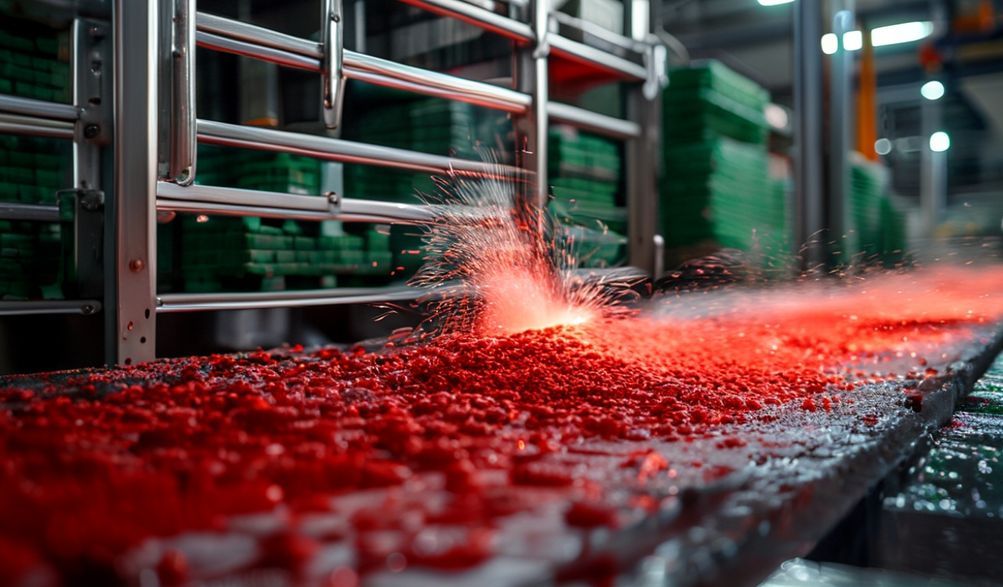
Дастури олии мошинҳои истеҳсоли хишти гилӣ: Намудҳо, Раванд ва Интихоб
Муқаддима
Ҳазорсолаҳо, хишти гилӣ пойгоҳи ҳақиқӣ ва маҷозии тамаддуни инсониро ташкил додааст. Аз деворҳои қадимии Бобил то осмонхароҳои муосири имрӯз, устувории, массаи гармидиҳанда ва таъсири безамони он беназир мондааст. Аммо, санъати хиштсозӣ инқилоби амиқро аз сар гузаронидааст. Меҳнати душвори дастӣ дар офтоб ба ҷои худ дақиқият, қувват ва самаранокии истеҳсоли механизиро додааст.
Агар шумо бо мушкилоти усулҳои анъанавӣ дучор шудаед — сифати нобаробар, хароҷоти баланди меҳнат ва маҳсулоте, ки наметавонад ба талабот ҷавобгӯ бошад — паш шумо аллакай мушкилиро муайян кардаед. Ҳалли ин мушкил дар сармоягузорӣ ба дастгоҳи истеҳсоли хишти лойӣ аст. Аммо роҳёбӣ дар олами мошинаҳои хиштсозӣ метавонад вазнин бошад. Бо имконоте аз фишурдаҳои дастӣ то хатҳои истеҳсоли пурраи автоматӣ, чӣ тавр шумо интихоби дурустро барои лоиҳа ё тиҷорати худ мекунед?
Ин дастур ба заминаи солҳои тӯлонии таҷрибаи амалии саноатӣ сохта шудааст. Мо дидаем, ки чӣ кор мекунад, чӣ нокор мешавад ва чӣ чиз амалиёти соҳибифоида ва устуворро аз хатои гаронҷоя ҷудо мекунад. Ҳадафи мо ин аст, ки шуморо бо дониши боэътимод ва муътамад ҷиҳоз кунем. Дар охири ин мақола, шумо дарки равшане аз намудҳои гуногуни дастгоҳҳои хишти гилӣ, раванди истеҳсоли худкор ва ҳафт омили муҳиме, ки бояд барои сармоягузории боварманд ва огоҳона дар назар гиред, хоҳед дошт. Биёед ин донишро аз асос бисофем.
Фаҳмидани истеҳсоли хишти гилӣ: Аз гил то сохтмон
Пеш аз он ки мо ба мошинҳо дароем, муҳим аст, ки раванди асосиеро, ки барои автоматӣ кардани онҳо тарҳрезӣ шудаанд, фаҳмем. Мошин танҳо он қадар хуб аст, ки маводи коркардшаванда ва марҳилаҳое, ки он содда мекунад, хуб бошанд.
Маводи асосии зарурӣ: Хусусиятҳои гили хишти хуб
Ҳама гилҳо баробар офарида нашудаанд. Сифати хиштҳои ниҳоии шумо асосан ба хосиятҳои гили хоми шумо вобаста аст.
- ТарҳрезӣХоки регбади хуб омезиши мутавозии:
- Силика (50-60%):Аз шикофта, хурд шудан ва каҷ шудан пешгирӣ мекунад.
- Алюмина (20-30%):Созмонпазирӣ медиҳад, ки гилро тарҳрезӣ кардан мумкин ашад.
- Лайм (≤ 5%):Нуқтаи гудозишро паст мекунад, ба пайвастшавӣ ёрӣ медиҳад, аммо аз ҳад зиёд боиси гудохтани хиштҳо мегардад.
- Оксиди оҳан (5-6%):Хиштро ранги хоси сурх медиҳад ва устувориро беҳтар мекунад.
- Пластикӣ ва пайвастшавӣ:Гил бояд ба қадри кофӣ пластикӣ бошад, то зери фишор шакл гирад, вале ҳамчунин «ҷисми» кофӣ дошта бошад, ки ҳамон шаклро ҳамчун «хишти хом» то пухтан нигоҳ дорад. Ин хосияти пайвасткунанда барои истеҳсоли мошинӣ ҳатмӣ ва ғайриқобили гузашт аст.
Роҳи анъанавӣ дар муқоиса бо роҳи муосир
Ба таври анънавӣ, хиштсозӣ як ҳунари мавсимӣ ва меҳнатталаб буд. Гилро кофта, бо по омехта, дар қолабҳои чӯбӣ дастӣ қолаб мезаданд, дар офтоб хушк мекарданд ва сипас дар танурҳои кушод ё бо тарзи фосилавӣ месухтанд. Натиҷаҳо аксар вақт аз рӯи андоза, устуворӣ ва ранг гуногун буданд.
Механиконизатсияи муосир принсипҳои асосии химиявиро тағйир намедиҳад, балки ҳар қадами ин равандро барои суръат, мутобиқат ва миқёс беҳтар мекунад. Мошинҳо ба раванде, ки як вақтҳо ҳунарӣ буд, назорат ва такроршавандагӣ меоваранд. Онҳо гили хом ва гуногунрангро ба қисмҳои муҳандисии якхела ва баландқувват табдил медиҳанд.
Types of Clay Brick Manufacturing Machines: A Detailed Breakdown
The market offers a spectrum of machinery tailored to different scales of operation, budgets, and automation desires. Choosing the right category is your first major decision.
Дастгоҳҳои дастӣ барои сохтани хишт
These are the entry point into mechanized production, replacing hand-molding but not manual labor.
- Тавсиф: Typically lever-operated or simple single-phase hydraulic presses. An operator fills a mold box with prepared clay, engages a lever or switch to apply pressure, and then manually removes the formed green brick.
- Барои беҳтарин: Very small-scale projects, community-based production, rural entrepreneurs with low capital, or producing specialty, artisanal bricks.
- Муҳосибаҳо ва нуқсонҳо:
- Муҳоҷизот: Very low initial cost, minimal power requirements, simple to operate and maintain, highly portable.
- Манфӣҳо Very low output (200-500 bricks per day), highly labor-intensive, product consistency depends heavily on the operator, limited to simpler brick designs.
Машинаҳои ним-автоматии истеҳсоли хишт
This category strikes a balance, mechanizing the most strenuous parts of the process.
- Тавсиф: These machines feature an integrated mixer or hopper and a mechanized molding system (often a hydraulic press). The machine forms and ejects the green bricks, but operators are needed to handle the bricks—moving them to drying racks, feeding raw material, etc.
- Барои беҳтарин: Small to medium-scale commercial plants, growing businesses, and regions where labor is available but productivity needs a significant boost.
- Key Workflow: Clay is fed into a hopper -> A conveyor or auger moves it to the molding chamber -> A hydraulic ram compacts the clay into a mold -> The formed brick column is extruded or pushed out and wire-cut -> Workers collect and set bricks for drying.
Машинаҳои пурра автоматӣ барои сохтани хишт
These represent the pinnacle of efficiency, designed for high-volume, consistent output with minimal human intervention.
- Тавсиф: A complete, integrated system. From raw material feeding, mixing, and tempering to molding, cutting, stacking, and sometimes even loading bricks onto kiln cars, the process is automated. They are often controlled by Programmable Logic Controllers (PLCs) for precision.
- Барои беҳтарин: Large-scale industrial brick plants, major construction material suppliers, and any operation where output, consistency, and labor cost control are paramount.
- Қирми Автоматӣ: Imagine a single line where clay goes in one end and pallets of perfectly identical, high-density green bricks emerge at the other, ready for the dryer. This is the domain of the fully automatic machine.
Specialized Machines: Extruders vs. Presses
Beyond automation level, machines are also designed for specific brick types.
- Extrusion Machines: These are the most common for producing standard perforated or hollow bricks. Prepared clay is forced through a die (like a giant pasta maker) under high pressure to form a continuous column of clay, which is then cleanly wire-cut to size. A vacuum chamber often removes air pockets, drastically increasing brick strength.
- Hydraulic Press Machines (Static Compaction): Instead of extruding, these machines compress clay into a fixed mold with immense, static hydraulic pressure. This produces extremely high-density, precise bricks, ideal for:
- Paving bricks (clay pavers).
- Facing bricks requiring sharp edges and perfect dimensions.
- High-strength engineering bricks.
The Automated Clay Brick Production Line: Step-by-Step
Understanding how a single machine fits into a full production line showcases the systemic nature of modern brick manufacturing.
Stage 1: Raw Material Preparation & Feeding
The process begins long before the molding machine. Consistency in input guarantees consistency in output.
- Crushers & Rollers: Lumps of raw clay are crushed and ground to a fine, uniform size.
- Mixers (Pan or Paddle): The clay is mixed with water (and sometimes additives like sand or fly ash) to achieve the exact “temper” or plasticity required for molding. Moisture content control here is critical—too wet and bricks deform; too dry and they won’t bind.
Stage 2: Molding and Forming (The Core Machine Function)
This is the heart of the operation, where the prepared clay becomes a brick.
- The Molding Chamber/Die: This defines the brick’s shape—solid, hollow, or perforated. In extruders, the die design is complex, creating the internal webs of hollow bricks.
- Compaction & Vacuum De-airing: The clay is subjected to high pressure. In advanced machines, it first passes through a vacuum chamber. Removing trapped air is a game-changer—it increases density, reduces drying and firing cracks, and can boost compressive strength by over 50%.
Stage 3: Green Brick Handling & Drying
The fragile, unfired “green bricks” must be handled with care.
- Automatic Cutters & Setters: An automatic wire cutter slices the extruded clay column into individual bricks. Robotic setters or stackers then gently place them onto dryer cars or pallets, maximizing space and ensuring even air flow.
- Dryer Chambers: Green bricks contain significant moisture. Controlled, gradual drying in chamber or tunnel dryers is essential to prevent cracking from rapid, uneven water loss. This stage can take 24-48 hours.
Stage 4: Firing & Kiln Technology
While not part of the brick-making machine per se, firing is the final, transformative step for which the machine prepares the bricks.
- The Link: Machine-made, uniformly dried bricks are ideal for modern kilns. They allow for tight, consistent stacking on kiln cars.
- Kiln Types:
- Hoffman Kiln: A continuous, annular kiln where bricks are fired in fixed chambers as fire moves around the circuit. Efficient for large-scale, continuous production.
- Tunnel Kiln: The most advanced method. Kiln cars loaded with bricks move slowly through a long, fixed-temperature tunnel (preheating, firing, cooling zones). It offers the highest fuel efficiency and product uniformity.
How to Choose the Right Clay Brick Machine: 7 Critical Factors
Selecting a machine is a strategic investment. Use this framework to guide your decision.
1. Assess Your Production Capacity Needs
Be brutally realistic about your output targets.
* Calculate your current and projected bricks per day/month/year.
* Match the machine’s hourly output (e.g., 2,000 bricks/hour) to your business goals, allowing for maintenance and downtime.
* Rule of Thumb: It’s often better to have slightly more capacity than you need to allow for growth, but avoid massively over-investing.
2. Consider Your Brick Type & Quality Requirements
The product dictates the machine.
* Are you making solid, hollow, or perforated bricks for construction?
* Are you producing high-density paving bricks or specialty shapes?
* Know your market’s required қувваи фишорӣ (e.g., 10 MPa, 20 MPa). This will guide you towards standard extruders or high-tonnage hydraulic presses.
3. Evaluate Automation Level & Labor Costs
This is a fundamental CAPEX vs. OPEX calculation.
* Manual/Semi-Auto: Lower machine cost, but higher, ongoing labor costs and management overhead.
* Пурра худкор: Higher initial investment, but drastically lower per-brick labor cost, higher consistency, and easier scaling. Calculate the Бозгашти сармоягузорӣ (ROI) over 3-5 years.
4. Power Source & Utility Requirements
Can your site support the machine?
* Электрикӣ: Clean, consistent, but requires a stable, high-capacity grid connection.
* Дизелӣ: Suitable for areas with unreliable electricity, but has higher fuel costs and maintenance.
* Гибридӣ: Offers flexibility. Check the total connected load (in kW) of the machine and all auxiliary equipment (mixers, conveyors).
5. Machine Durability & After-Sales Support
This is where supplier reputation is paramount. A cheap machine with no support is the most expensive purchase you can make.
* Давомнокӣ: Look for a robust steel frame, quality hydraulic components (branded pumps, valves), and hardened wear parts (molds, augers).
* After-Sales Support (The Trust Factor):
* Does the manufacturer have a proven track record?
* Are technical manuals and drawings available?
* What is the availability and cost of spare parts?
* Is on-site installation, training, and service offered? This is non-negotiable for complex automatic lines.
6. Space & Layout Planning
A machine doesn’t operate in isolation.
* Account for the machine’s footprint, plus space for raw material storage, clay preparation, green brick drying area, and finished product storage.
* Plan a logical, efficient material flow to minimize handling.
7. Budget & Total Investment Cost
Look beyond the sticker price of the main machine.
* Total Cost Includes: Machine price, shipping, installation & commissioning, auxiliary equipment (crusher, mixer, conveyor, stacker), spare parts kit, and working capital for raw materials and utilities.
Frequently Asked Questions (FAQ) About Clay Brick Machines
Q1: What is the average cost range for a clay brick making machine?
A: Prices vary enormously. A simple manual press can start from $1,000 – $3,000. A semi-automatic machine may range from $15,000 – $50,000. A fully automatic production line can start from $80,000 and easily exceed $300,000+, depending on capacity and sophistication. Always budget for the total investment, not just the base machine.
Q2: What is the typical production output of a medium-sized automatic machine?
A: A standard medium-capacity fully automatic brick machine can produce between 8,000 to 20,000 standard solid bricks per 8-hour shift. Output for hollow blocks will be higher due to their lower clay volume.
Q3: Can one machine produce different types and sizes of bricks?
A: Yes, within limits. The key is interchangeable molds or dies. By changing the mold box (in a press) or the extrusion die, a single machine can produce different sizes and profiles (e.g., solid to hollow). However, switching dies takes time and skill.
Q4: How important is the clay quality for machine operation?
A: It is absolutely critical. Even the best machine cannot make quality bricks from poor or improperly prepared clay. The clay must have the right plasticity, be free of large stones and organic matter, and be mixed to a consistent temper. We strongly recommend testing your clay sample before finalizing a machine purchase.
Q5: What are the key maintenance routines for these machines?
A:
* Daily: Clean all clay residue from the mold, auger, and hopper. Check hydraulic oil levels and for leaks.
* Weekly: Inspect wires on the cutter, tighten bolts and fittings, check wear on the auger and mold liners.
* Periodic (Every 3-6 months): Change hydraulic oil and filters, replace severely worn parts, and have a technician check system pressure and alignment.
Conclusion
Choosing a clay bricks manufacturing machine is a journey from understanding the foundational process to making a strategic business decision. We’ve explored the spectrum of machinery—from basic manual presses to integrated automatic lines—and broken down the precise, controlled production process they enable. Most importantly, we’ve outlined the seven critical factors that will guide you to the right investment for your specific needs, scale, and budget.
Remember, the right machine is more than a piece of equipment; it’s an investment in efficiency, quality, and long-term profitability. It transforms a variable, labor-heavy process into a reliable, scalable enterprise.
As a final piece of expert advice: do not buy based on a brochure alone. Whenever possible, visit the manufacturer, see the machine running under load, and speak to other customers. If you can, test your own clay in their machine. This due diligence builds the trust necessary for a major capital investment.
Ready to take the next step? Consult with reputable industry experts and request detailed, customized quotations from suppliers who offer robust after-sales support. With the knowledge from this guide, you are now equipped to move forward confidently and build a stronger foundation for your brick-making future.
<