
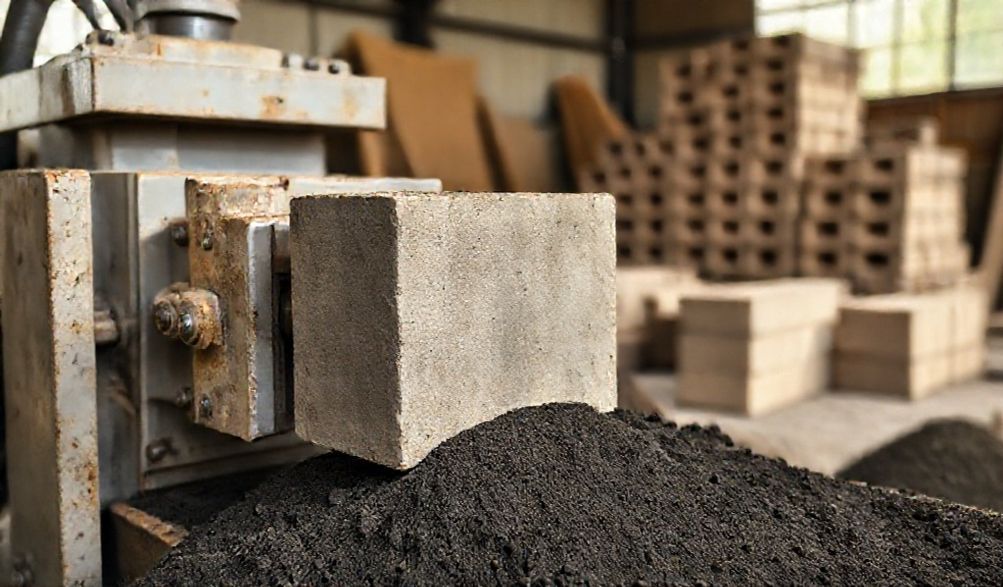
Дастури ниҳоии мошинҳои блокҳои заминӣ: Сохтани ояндаи устувор
Дар даврае, ки аз ҷиҳати фаврии иқлимӣ ва бӯҳрони ҷаҳонии истиқомат муайян мешавад, саноати сохтмон бо як мушкили бузург рӯ ба рӯ аст: чӣ тавр биноҳои бо давом ва арзон бисозем, бе он ки сифати сайёраамонро бештар паст кунем. Чунин менамояд, ки ҷавоб шояд дар зери поёни мо ҷой гирифта бошад. Як усули қадимаи сохтмонӣ, ки бо инноватсияи муосир қувва гирифта, ба зиндаӣ баргашта, роҳе ба сӯи муҳити сохтмонии воқеан устувор пешниҳод мекунад. Ин эҳёро як қисми муҳими технология таъмин мекунад:машинаи блокҳои заминӣ.
Ин дастгоҳ, ки ба ҳамчун пресси блоки фишурдаи заминӣ (CEB) ё мошини блокҳои пайвастшаванда маъруф аст, дар вазифаи худ бо элегантӣ сода аст. Он замини маҳаллӣ ва хомро - аксар вақт хоки худ ҳамон ҷойе, ки дар он сохтмон сурат мегирад - ба блокҳои зич, якхела ва ба таври аҷиб мустаҳкам табдил медиҳад. Ин раванд дониши замонии безаволи материалҳоро бо дақиқи муҳандисии муосир меомезад.
Ин дастур барои шумо манбаи ниҳоӣ тарҳрезӣ шудааст. Ҳамчун созандае, ки барои маводди пойдор меҷӯед, меъморе, ки лоиҳаҳои экологӣ мушаххас мекунед, шавқманди корҳои дастӣ, ки орзуи хонаи амалиро дорад, ё соҳибкоре, ки ба иқтисоди сабз нигаронидааст, мо ба шумо маҳорати заруриро пешкаш мекунем. Мо ба тафсили бартариҳои қобили қабули сохтмони заминӣ медароем, технологияи пинҳонро дар асоси мошинҳо равшан мекунем, чорчӯбаи амалиеро барои интихоби таҷҳизоти дуруст пешкаш мекунем ва ҳатто барои истеҳсолот ҳолати тиҷорати имконпазирро меомӯзем. Ҳадафи мо ин аст, ки ба шумо дониши амалиеро, ки дар амалиёти беҳтарини саноат ва татбиқи дунёи воқеӣ асос ёфтааст, барои табдил додани имконияти замин ба воқеияти маҳсул муҷаҳҳаз кунем.
Чаро Сохтмони Блокҳои Заминӣ? Бартариҳои Қатъӣ
Аз назария гузашта, биёед ба санҷиши амалии (ё ба таври дақиқтар,якфоидаҳои аниқ, ки сохтмони блокҳои хокӣро барои замони мо интихоби бартар қарор медиҳанд.
Беҳамтонии устуворӣ ва дӯстдории экологӣ
Дар ҷаҳони буҷетҳои карбонӣ ва иқтисоди даврӣ, блокҳои хокӣ ҳамчун намунаи сохтмони камтаъсир баромад мекунанд.
- Энергияи ҷисмонии хеле пастБархилаф ба хиштҳои пухташуда ё сементи Портланд, ки ба гармии зиёд (аксар вақт аз сӯзишвориҳои фосилавӣ) ниёз доранд, блокҳои фишурдаи замин тавассути фишори механикӣ дар ҳарорати муҳитӣ сохта мешаванд. Маводи асосӣ одатан дар ҷойгоҳ ё маҳаллӣ ба даст оварда мешавад, ки ин сарфаи энергияи интиқолро коҳиш медиҳад.
- Коҳиши назаррас дар пайдоиши карбонии муҳити зист:Раванди истеҳсолӣ ҳаҷми кам CO2 мебарорад. Вақте ки бо оҳак (ки дар давоми сахт шудан CO2-ро бозмегирад) ба ҷои семент устувор карда шавад, блокҳо метавонанд ба беҳтарин ҳолати карбони ҳаво наздик шаванд.
- Зиҳрноки нест ва пурра аз нав истифодашаванда:Блокҳои гилӣ танҳо гиланд. Онҳо ҳеҷ як пайвастҳои органикии фишоровар (VOCs) надоранд, ки сифати барҷастаи ҳавои дохилиро тарғиб мекунанд. Дар охири умри хеле дарози бино, блокҳоро метавон ба замин баргардонид ё шикаста ва боз истифода бурд, ки як даври моддаи воқеан бастаро эҷод мекунад.
Давомнокии фавқулодда ва иҷрои баланд
Номи "замин" шуморо фиреб надиҳад. Блокҳои фишурдаи заминӣ, ки дуруст сохта шудаанд, воситаҳои сохтмонии тавоно мебошанд, ки хусусиятҳои иҷроиашон ба вариантҳои анъанавӣ баробарӣ мекунанд ва дар баъзе ҳолатҳо аз онҳо пеш мегузаранд.
- Муқовимати баланди фишорӣ:Прессҳои гидравликии муосир метавонанд блокҳое истеҳсол кунанд, ки қуввати фишори онҳо аз 10 МПа (беш аз 1,450 psi) зиёд аст, ки онҳоро барои деворҳои боркаш дар сохтмонҳои бисёрошёна мувофиқ мегардонад.
- Массаи ҳароратии бартарЗамин қобилияти баланде дорад, ки гармиро ҷаббида, нигоҳ дошта ва ба оҳистаӣ доданаш. Ин таъсири "батареяи гармӣ" табиатан ҳарорати дохилро танзим мекунад, тағйироти рӯзиро мудаввам карда ва энергияи зарурӣ барои гарм кардан ва хунук карданро ба назаррасе коҳиш медиҳад.
- Омили зиддият ба оташ ва изолятсияи садо дар сохти аслии онҳо:Чун моддаи минералӣ, хок намесӯзад. Инчунин массаи акустикии аълоеро таъмин мекунад, ки интиқоли овозро баста, дохили биноҳоро оромтар ва оромишбахштар месозад.
Арзиши назарраси самарабахшӣ
Далели иқтисодии блокҳои заминӣ қавӣ аст, ки ҳам ба буҷаҳои лоиҳа ва ҳам ба хароҷоти дарозмуддати соҳибӣ таъсир мерасонад.
- Нафақаҳои асосии хароҷоти молӣ:Ингредиенти асосӣ — хок — аксар вақт ройгон ё хеле арзон аст. Ин яке аз калонтарин маблағҳои сохтмони анъанавиро бармедорад.
- Кӯтоҳ кардани хароҷоти нақлиётСарфаи маводҳо дар маҳаллӣ хароҷоти сӯзишворӣ ва нақлиётро коҳиш медиҳад.
- Имконияти Соҳибкори-Сохтмон:Соддагии система ба шахсон ва ҷамоатҳо имкон медиҳад, ки худ сохтмончии худ шаванд, ки ин ба назарраси харҷҳои меҳнат ва афзоиши адолат мекунад.
Understanding Earth Block Machine Technology
To harness these advantages, you need the right tool. Understanding the mechanics and varieties of мошинаҳои блоки хокӣ is the first step to successful production.
Core Mechanics: How Does an Earth Block Machine Work?
The principle is straightforward but requires precision. The machine compresses a measured amount of prepared soil mix into a mold under extreme pressure. The process has three key phases:
- Омодагӣ: Soil is screened to remove large debris and homogenized with the correct amount of moisture and any stabilizer (like cement or lime).
- Фарсудан The damp mix is fed into a chamber. A ram, powered manually, mechanically, or hydraulically, applies intense, sustained pressure—often measured in tons—to densify the soil particles.
- Хориҷ кардан: The newly formed block is ejected from the mold, stable enough to be handled immediately and stacked for curing.
The critical variable is the soil itself. An optimal mix typically contains 15-30% clay (for cohesion), with the balance being sand and silt (for structural skeleton and reduction of shrinkage). Moisture content is also crucial; too little and the block won’t bind, too much and it will deform.
Types of Earth Block Machines: From Manual to Fully Automated
Machines are categorized by their power source and production capacity, allowing you to match the tool to your project’s scale.
- Manual Presses (e.g., Cinva Ram style): These lever-operated machines are perfect for small-scale, DIY, community, or educational projects. They require significant human effort, with an output of 40-80 blocks per person per hour. They are low-cost and highly portable.
- Mechanical/Lever-Operated Presses: These use compound levers or flywheels to generate higher pressure with less operator effort than a basic manual press. They are a solid middle-ground for small business startups or larger owner-builder projects.
- Hydraulic Presses (Mobile and Stationary): This is the industry standard for commercial production. Powered by electric motors, diesel engines, or a tractor’s Power Take-Off (PTO), they deliver high, consistent pressure for maximum block strength and uniformity. Output can range from 300 to over 1,000 blocks per hour. Mobile units can be towed directly to a construction site.
- Interlocking Block Machines: A revolutionary subset, these machines produce blocks with designed top and bottom profiles that key together like Lego® bricks. This interlocking system eliminates the need for wet mortar between courses, speeding up construction, reducing skill requirements, and creating a mechanically bonded wall.
How to Select the Right Earth Block Machine for Your Project
Choosing a machine is a significant investment. A systematic assessment will ensure you get the right tool for your goals.
Assessing Your Project Scale and Requirements
Start by asking these foundational questions:
- What is the scope? A single home, a housing development, a school, or a commercial building?
- What daily output is needed? Calculate your block requirements and build timeline.
- What is the available budget? Include not just the machine, but also soil testing, site prep, and power infrastructure.
- Who will operate it? What is the skill level of the workforce?
Key Machine Specifications and Features to Compare
When evaluating models, scrutinize these specifications:
- Иқтидори истеҳсолӣ: Look at sustained blocks per hour/day, not peak theoretical output.
- Block Size and Shape: Does it produce the block dimensions you need? Are interlocking or special shapes available?
- Манбаи барқ Electric is clean and quiet but requires a reliable grid. Diesel offers site independence. PTO is ideal for rural/farm use.
- Build Quality & Support: Is it built from heavy-duty steel? Are replacement parts like molds and rams readily available from the manufacturer?
- Ease of Use & Maintenance: How quickly can operators be trained? What does routine maintenance entail?
Sourcing Soil: Testing and Preparation Essentials
This is the most critical step, and where professional expertise is non-negotiable. The machine is just a tool; the quality of the block is determined by the soil.
- Field Tests: Start with simple sediment jar tests and ribbon tests to get a rough idea of clay content and plasticity.
- Laboratory Analysis: For any structural project, send soil samples to a geotechnical lab. A sieve analysis and Atterberg limits test will give you the exact clay/silt/sand ratios and inform stabilization needs.
- Стабилизатсия: For increased strength and water resistance, 3-10% cement or 5-15% lime is often added. The correct stabilizer and percentage depend entirely on your soil chemistry and climate.
The Business Case: Starting an Earth Block Production Enterprise
For the entrepreneur, a мошини CEB is not just a construction tool—it’s the heart of a viable green business.
Market Analysis and Opportunity
Demand for sustainable, locally sourced, and healthy building materials is growing exponentially. Your blocks can supply:
* Affordable housing projects and private homes.
* Landscape features: retaining walls, garden beds, outdoor kitchens.
* Commercial buildings seeking green certifications (LEED, Living Building Challenge).
* Disaster-resistant and humanitarian construction.
Financial Planning: Costs, Pricing, and ROI
A clear financial model is key.
- Startup Costs: Machine purchase, land lease/purchase, soil testing lab fees, site preparation (level pad, shelter), and initial raw materials (stabilizer).
- Хароҷоти амалиётӣ: Labor, stabilizer, maintenance, utilities/fuel, and marketing.
- Pricing & ROI: Price your blocks competitively against concrete blocks and fired bricks, highlighting their superior insulation and environmental benefits. Your major cost advantage is in raw materials. With a clear sales volume projection, you can calculate a realistic return on investment, which can be very attractive due to the low variable costs.
Building a Sustainable Operation
Long-term success depends on consistency and quality.
- Secure a reliable, suitable soil source. This is your “inventory.”
- Implement rigorous quality control. Regularly test block compressive strength and absorption rates.
- Develop basic marketing. Create a portfolio of completed projects, offer sample blocks, network with architects and builders, and leverage the powerful story of local, sustainable production.
Best Practices for Operation and Construction
Mastering the process ensures the highest quality blocks and buildings.
Step-by-Step Production Process
- Soil Sourcing & Testing: As outlined above, begin with expert analysis.
- Sieving & Proportioning: Screen soil to remove stones >10mm. Use a mechanical mixer or tractor loader to blend soil with the precise percentage of stabilizer.
- Moistening & Homogenizing: Add water gradually to achieve optimal moisture content (usually “damp crumbly”). The mix must be uniform.
- Compression & Curing: Form blocks with the machine. Curing is critical: Stack blocks under plastic sheeting or in a shaded, covered area for 14-28 days, keeping them damp. This allows the stabilizer to fully hydrate and gain strength.
Building with Earth Blocks: Techniques and Tips
- Foundations: Use a raised, moisture-proof foundation (concrete stem wall or rubble trench) to protect earth block walls from ground moisture and splash-back.
- Laying Techniques: For interlocking blocks, dry-stack course by course, checking for level and plumb. For standard blocks, use a thin slurry mortar made from the same soil mix.
- Waterproofing: The wall’s greatest protection is its “hat and boots”—a good roof with wide overhangs and a solid foundation. Finish walls with a permeable, breathable plaster (lime or earthen) that sheds water while allowing moisture vapor to escape.
FAQ Section
Q: What is the typical compressive strength of a compressed earth block?
A: Strength varies widely based on soil and compression. Unstabilized blocks may range from 2-4 MPa. With proper soil selection and stabilization, strengths of 7-10+ MPa are common and suitable for multi-story, load-bearing walls. For comparison, a standard concrete block is typically around 15 MPa.
Q: Can I use the soil from my own backyard?
A: It’s possible, but not guaranteed. A simple sediment jar test is a necessary first step. However, for any structural project, investing in a professional lab analysis is non-negotiable. It will determine if your soil is suitable or what amendments (like sand or stabilizer) are required to make it so.
Q: How resistant are earth blocks to water and weather?
A: Properly made and protected earth blocks are highly durable, with centuries-old examples worldwide. The key is protection from direct, sustained saturation. With adequate stabilizer content, proper compaction, and most importantly, a good roof overhang and a breathable plaster finish, earth block walls will perform excellently in most climates.
Q: What is the cost difference between an earth block machine and a conventional concrete block machine?
A: For similar output capacities, CEB machines can be comparably priced or sometimes less expensive than concrete block machines. However, the dramatic cost savings are in the raw materials. You are purchasing bags of stabilizer versus all the cement, sand, and aggregate needed for concrete blocks.
Q: Do I need special skills or training to operate a machine?
A: While a basic mechanical aptitude is helpful, these machines are designed to be operated by a trained general laborer. Reputable manufacturers provide comprehensive operational and maintenance training. The greater skill lies in soil science and mix design, which is why starting with small test batches is always recommended before full-scale production.
Conclusion
Earth block construction represents a powerful convergence of ancient wisdom and modern innovation. It offers a proven, practical solution to the intertwined challenges of sustainable development, affordable housing, and energy-efficient building. The машинаи блокҳои заминӣ is the catalyst that transforms this potential into widespread reality, enabling durable, beautiful, and healthy structures to rise from local ground.
This technology is not a rustic alternative, but a viable, professional, and responsible choice for the future of construction. It is backed by both millennia of architectural heritage and contemporary engineering precision.
The journey from interest to impact begins with a single step. We encourage you to take that step today. Conduct a soil test on your property, connect with the global community of earth builders online, request a live demonstration from a machine manufacturer, or start planning a small pilot project like a garden wall. The material is waiting, and the tool is ready. The sustainable future of building is, quite literally, at hand.
<