
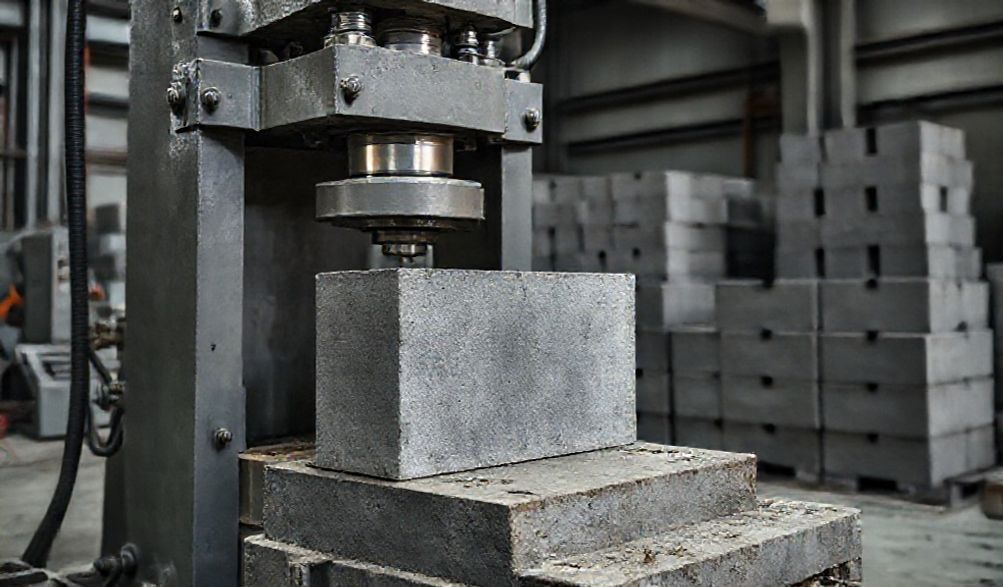
Дастури олии машинаҳои фишоркунандаи хишти санги бордюрҳои гидравликӣ: Самаранокӣ, Тарҳрезӣ ва Интихоб
Муқаддима
Барои менеҷерони сохтмон, муҳандисони шаҳрсозӣ ва подрядчиёни роҳсозӣ, чизе ҳамчун таъхир дар лоиҳаҳо ва аз буҷа зиёд рафтани хароҷот, ки аз таъминоти материал сарчашма мегиранд, он қадар ноумедкунанда нест. Равишҳои анъанавии таъминоти сангҳои канорӣ, хиштҳои фарш ва канори бетонӣ аксар вақт ба муддатҳои дарози таҳия, сифати нобаробар аз батч ба батч ва хароҷоти нақлиётии зиёд барои маҳсулоти вазнини пешакӣ сохташуда мансубанд. Ин мушкили лоистикӣ метавонад лоиҳаи роҳсозӣро боздорад, буҷаи тарроҳии манзарро аз даст диҳад ё анҷоми рушди тиҷоратии дарҷаи баландро ба хатар андозад.
Ҳалли ин мушкилоти паҳншудаи саноат дар занҷири таъминӣ не, балки дар истеҳсоли маҳаллӣ ё дар ҷойи кор аст. Дар ин ҷодастгоҳи фишори хишти санги канораи гидравликӣин асбоби табдилдиҳанда, ки ба ширкатҳо имкон медиҳад, ки истеҳсоли маҳсулоти бетониро назорат кунанд. Ин технология имкон медиҳад, ки истеҳсоли сарфарамона ва фаровони бордҳо, фаршҳо ва хиштҳои зич, дақиқ ва бо давом бошад, дар ҳамон ҷо ва вақте ки лозим аст.
Ин дастури муфассал барои шумо манбаи мутахассис тарҳрезӣ шудааст. Бо истифода аз принсипҳои муҳандисӣ ва амалиётҳои беҳтарин саноатӣ, мо ҳама чизеро, ки шумо дар бораи дастгоҳҳои фишори гидравликӣ барои сохтани блокҳои бетонӣ медонед, таҳлил мекунем. Аз асоси амалиёти онҳо ва бартариҳои бешубҳа то омилҳои муҳим дар харид ва корҳои зарурии нигоҳдорӣ, ин дастур мақсади онро дорад, ки шуморо бо донише таҷҳиз кунад, то қарор додани сармоягузории огоҳонаеро, ки ба истеҳсолот, сифат ва даромади шумо мусоидат мекунад.
Машинаи фишори хиштҳои бордюрӣ бо гидравлик чист? (Таърифи асосӣ ва вазифа)
Дар асоси он, мошини фишори хиёбонии санги хиёбонӣ бо системаи дақиқи истеҳсолӣ барои фишор додани омехтаи нимхушки бетон ба шакли мушаххаси сахтшуда бо истифода аз қувваи бузурги гидравликӣ таҳия шудааст. Ба фарқи аз усулҳои slipform ё реггузории тар, он маҳсулоти бетони "фишоршуда бо гидравлик" -ро истеҳсол мекунад, ки барои зичии фавқулодда, қувва ва дақиқии андозаашон машҳуранд.
Принципи асосии корӣ
Раванд ба таври зебо сода ва қудратманд аст:
1. Хӯрок доданМиқдори дақиқ ченшудаи омехтаи бетони нимхушк (омахтаи симент, рег, агрегат ва миқдори коҳиши об) ба ҳавзаи қолиб ё қолаб ворид карда мешавад.
2. Фарсудан:Рамкаи гидравликӣ, ки бо паки нерӯии мустаҳкам таъмин мешавад, фишори шадид ва назоратшударо ба омехта дар қолаб мегузорад, ки одатан бо тоннаҳо чен карда мешавад.
3. ТашаккулИн фишор омехтаро фишор медиҳад, ҳавои холиро берун мефиристад ва блоки зичи баландро бо тартиби мутақобилан басташуда месозад.
4. Хориҷ кардан:Системаи гидравликӣ баъд аз ин ба қафо кашида мешавад ва блоки навташкилшудаи устувор аз қолиб берун андохта мешавад, ки барои сахтшавӣ фавран омода аст.
This method of compaction through pure pressure, as opposed to vibration, is key to the product’s superior characteristics.
Қисмҳои асосӣ ва вазифаҳои онҳо
Understanding the machine’s anatomy is crucial:
* Hydraulic Power Pack & Cylinders: The “heart” of the machine. It generates the fluid power that drives the main compression ram and other movements, determining the machine’s tonnage and pressing force.
* Robust Steel Frame and Mold/Die System: The “skeleton and blueprint.” The welded steel frame provides stability under high pressure. The mold, or die, is the custom-designed component that defines the shape, size, and texture of the final product (e.g., a bullnose kerb, a cobblestone paver).
* Панели идоракунӣ: The “brain.” Ranging from simple manual levers to programmable logic controller (PLC) systems for fully automatic machines, it governs the press cycle, timing, and safety interlocks.
* Feeding and Ejection Systems: These can be manual, semi-automatic (using a feed hopper and box), or fully automatic (with conveyor belts and robotic arms), directly impacting the machine’s output speed and labor requirements.
Types of Machines
Machines are broadly categorized by their mobility and automation level:
* Набототи собит: High-output, often fully automatic systems installed in factories for continuous, large-scale production.
* Машинаҳои мобилӣ: Mounted on trailers, these are the champions of on-site production. They can be transported directly to road construction or large landscaping projects, eliminating transport costs for finished goods.
* Manual vs. Automatic: Manual presses require an operator to feed mix and remove blocks each cycle. Semi- and fully-automatic machines automate part or all of this process, drastically increasing output and reducing labor.
Key Advantages of Using a Hydraulic Press for Kerb & Brick Production
Investing in this technology delivers a cascade of benefits that address the core challenges of traditional methods.
Сифати баланд ва устувории маҳсулот
- High Density & Strength: Hydraulic pressure produces blocks with extremely low porosity, resulting in compressive strengths often exceeding 40 MPa or more. This translates to exceptional durability, freeze-thaw resistance, and longevity.
- Precise Dimensions: Every block from the same mold is identical. This ensures perfect alignment during installation, reducing labor time and creating a professionally finished appearance.
- Сатуҳи аъло The smooth, dense surface from the polished mold face requires no secondary finishing and is naturally resistant to staining and weathering.
Remarkable Production Efficiency & Output
- High Speed: A medium-sized semi-automatic press can easily produce 300-500 blocks per hour, depending on the block size and cycle time.
- Кам шудани вобастагӣ ба қувваи корӣ: Automation streamlines the process. One or two operators can manage a semi-automatic machine that outputs thousands of blocks per shift.
- 24/7 Capability: Designed for demanding industrial environments, these machines can operate multiple shifts to meet tight project deadlines.
Significant Cost Savings & ROI
- Raw Material Efficiency: The semi-dry mix and precise filling minimize waste. There is no spillage or slurry as with wet-cast methods.
- Labor Cost Reduction: Higher output with fewer personnel directly lowers the cost per produced block.
- Transportation Elimination: On-site production cuts out the enormous cost of transporting heavy pre-cast concrete from a distant factory to the project site.
- Long-Term Asset: A well-maintained hydraulic press is a durable asset that will produce for decades, providing a continuous return on investment.
Unmatched Design Flexibility
This is a game-changer. Changing a mold can take as little as 30 minutes. With a library of molds, one single machine can produce:
* Various kerb profiles (straight, radiused, drainage)
* Different paving bricks (interlocking, cobble, rectangular)
* Garden edging and tree surrounds
* Landscape retaining blocks
* Specialized concrete products for niche markets
Critical Factors to Consider Before Purchasing
A hydraulic press is a significant investment. Careful evaluation ensures you select the right tool for your business.
Арзиши Эҳтиёҷоти Истеҳсолии Шумо
- Қобилияти талаботшудаи баромад: Calculate your average and peak daily block requirements. Do you need 2,000 blocks per day or 20,000? This will dictate machine size and automation level.
- Маҳсулоти Маҳсулот: List all the kerb profiles, brick dimensions, and other products you plan to manufacture. Ensure your chosen supplier can provide or custom-make these molds.
- Project Scale & Model: Are you a small landscaping business supplying local projects, or a civil contractor bidding on major infrastructure? Your operational model (fixed factory vs. mobile on-site) is the first decision point.
Муфассал омӯзиши мушаххасоти мошин
- Қобилияти фишор (тоннаж): This directly correlates to block density and strength. A 150-ton press will produce a stronger block than a 60-ton press from the same mix. Match the tonnage to your product strength requirements.
- Даражан автоматӣ: Balance your budget with labor costs and output needs.
- Дастур: Lowest cost, highest labor, lowest output.
- Ним-автоматӣ: Optimal balance for most businesses. Operator feeds mix, but the press cycle and ejection are automated.
- Пурра худкор: Highest output, lowest direct labor, highest initial investment. Ideal for large-scale factory production.
- Mold Quality & System: Molds should be made from hardened, precision-machined steel. Investigate the cost, lead time, and process for ordering additional or custom molds.
Supplier Evaluation Checklist
Your relationship with the manufacturer is critical for long-term success.
* Reputation & Experience: Choose a supplier with a proven track record, not just a trader. How long have they been building these machines? Can they provide references or case studies?
* Technical & After-Sales Support: Do they offer installation supervision, comprehensive operator training, and a clear maintenance guide? This is non-negotiable.
* Spare Parts & Warranty: Is there a local stock of critical spare parts (seals, hoses, sensors)? What does the warranty cover, and for how long? A reliable supplier stands behind their product for the long haul.
Operational Best Practices & Maintenance Guidelines
Proper operation and care are the keys to longevity, safety, and consistent product quality.
Optimal Concrete Mix Design
The press requires a specific “semi-dry” mix. A typical starting ratio is 1 part cement : 3 parts sand : 3 parts aggregate (6-8mm). The moisture content is critical—usually between 4-7%. The mix should hold its shape when squeezed in your hand but crumble when poked. Admixtures like pigments or plasticizers can be added as needed.
Safe and Efficient Daily Operation
- Pre-Start Check: Inspect the machine for loose parts, check hydraulic oil levels, and ensure the mold is clean and secure.
- Running Procedure: Follow the trained cycle: feed the mix, initiate the press, allow for pressure hold time, eject the block. Consistently fill the mold with the same volume of mix.
- Shutdown: At the end of the shift, clean the machine thoroughly, especially all mold surfaces, to prevent concrete buildup.
Essential Maintenance Schedule
- Daily/Weekly: Check hydraulic oil level and for leaks; clean the machine and mold; inspect and tighten bolts and fittings.
- Monthly/Quarterly: Check and clean hydraulic oil filters; inspect cylinder rods and seals for wear; lubricate all moving pins and bearings.
- Annually: Consider a full system check by a qualified technician, including oil analysis and replacement, and a comprehensive inspection of the electrical and hydraulic systems.
Applications and End-Use Projects
The versatility of the hydraulic press makes it a cornerstone machine for diverse sectors.
Road Construction & Civil Infrastructure
- Highways & City Roads: Producing standard and custom kerbs, drainage channels (linear drains), and concrete barriers.
- Drainage Systems: Manufacturing swale blocks, ditch liners, and other water management products.
Urban Landscaping & Public Spaces
- Parks & Plazas: Creating decorative paving bricks for pathways, tactile paving for accessibility, and edging stones for flower beds.
- Pedestrian Walkways & Cycle Paths: Supplying durable, attractive pavers and kerbing for municipal projects.
Commercial & Residential Developments
- Housing Estates: Producing driveway pavers, patio stones, and kerbing for roads within the development.
- Commercial Properties: Manufacturing heavy-duty paving for parking lots, loading bays, and pedestrian areas around offices and retail spaces.
Frequently Asked Questions (FAQ)
What is the typical production output of a medium-sized hydraulic kerb press?
A standard semi-automatic machine with a 2-3 operator team can typically produce between 2,500 to 4,000 standard kerbstones in an 8-hour shift, depending on the specific block size and cycle time.
Can one machine produce different shapes and sizes of blocks?
Absolutely. This is one of its greatest advantages. By changing the mold/die (a process that can take 30-90 minutes), the same press can produce an entirely different product. This allows a business to respond flexibly to market demands.
What is the difference between a hydraulic press and a vibration press for concrete blocks?
Vibration tables use high-frequency shaking to settle concrete mix into a mold, often used for hollow blocks. Hydraulic presses apply direct, powerful pressure. The key difference is in the final product: hydraulically pressed blocks are significantly denser, stronger, and have a smoother finish, making them ideal for high-wear, high-visibility applications like kerbs and paving.
What kind of after-sales support should I expect from a reliable supplier?
Expect comprehensive support: detailed installation drawings or supervised installation, thorough on-site training for your operators and maintenance staff, a complete operation and maintenance manual, a clear warranty (at least 12 months on major components), and prompt availability of spare parts and technical advice.
What are the most common operational challenges and how can they be avoided?
- Inconsistent Mix: This causes variable block strength and poor ejection. Solution: Use a consistent, batched semi-dry mix and control moisture content rigorously.
- Mold Sticking or Block Damage: Solution: Apply a recommended mold release agent regularly and keep molds impeccably clean. Ensure the mix is not too wet.
- Hydraulic System Issues (Overheating, Low Pressure): Solution: Follow the preventive maintenance schedule, use the correct grade of hydraulic oil, and keep filters clean.
Conclusion
Theдастгоҳи фишори хишти санги канораи гидравликӣ represents a paradigm shift in concrete product manufacturing. It moves production from a distant, centralized factory to the point of need, offering unprecedented control over quality, cost, and schedule. By delivering superior product strength, remarkable operational efficiency, and unparalleled design versatility, it is an investment that pays dividends in both the short term of a single project and the long-term growth of a business.
Your path to success lies in a methodical approach: clearly define your production needs, scrutinize machine specifications against those needs, and, most importantly, partner with a reputable, experienced manufacturer who offers robust after-sales support. Invest in proper training for your team and adhere to a strict maintenance regimen.
As the construction industry continues to prioritize efficiency, sustainability, and localized supply chains, the role of on-site manufacturing with technology like the hydraulic press will only grow. It is not just a machine for today’s projects, but a foundational asset for a more resilient and profitable future.
Ready to transform your concrete product supply chain? Contact leading manufacturers today to discuss your specific requirements, request detailed quotations, and—where possible—arrange a factory visit to see a дастгоҳи фишори хишти санги канораи гидравликӣ in action. A live demonstration is the best way to witness its capabilities firsthand.
<