
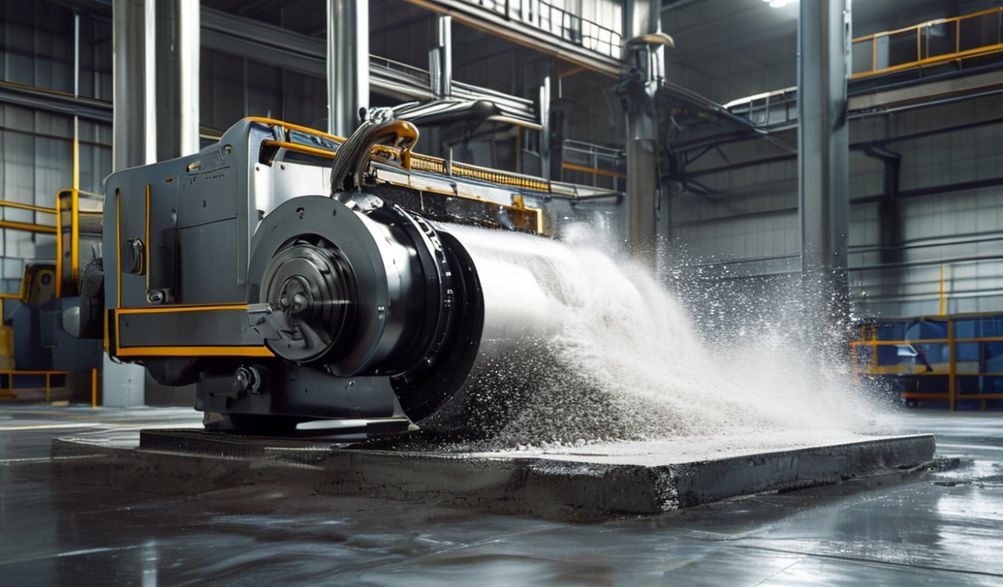
Дастури олии машинаҳои блокҳои пайвасткунандаи гидравликӣ: Самаранокӣ, сифат ва бозгашти сармоягузорӣ
Аз роҳҳои муосир ва майдонҳои оммавӣ то роҳҳои мураккаби боғу паркингҳои тиҷоратӣ, талаби пайвасткунандаҳои боқувват ва зебо дар ҳама ҷо маъмул аст. Барои истеҳсолкунандагон ва соҳибкорони соҳаи масолеҳи сохтмон, муҳимтарин мушкилӣ ҳамеша ин талабро бо истеҳсоли арзон ва серҳаҷм, бе таъсир расондан ба сифат, мувозинат карда будааст. Дар ин ҷо мошини пайвасткунандаи блокҳои фишурда бо фишори гидравликӣ – қадами технологӣ, ки асосан истеҳсоли блокҳоро аз нав таъриф мекунад, ба миён меояд. Ин мошин аз усулҳои анъанавӣ гузашта, омезиши дақиқ, қувва ва фоидаоварӣ пешниҳод мекунад, ки саноатро аз нав ташкил мекунад.
Ин дастури муфассал барои шумо манбаи ниҳоӣ тарҳрезӣ шудааст. Мо таҳтили таҷрибаи технологияи пресси гидравликӣ, бартариҳои ошкораш нисбат ба равишҳои куҳна ва чорчӯбаи равшани интихоби мошини дуруст барои эҳтиёҷоти шумо мефаҳмонем. Илова бар ин, мо амалиҳои асосии амалиётӣ, ҷадвалҳои нигоҳдорӣ ва таҳлили равшани бозгашти сармоягузорӣ (ROI)-ро, ки шумо интизор доред, фаро мегирем. Бо ҷамъоварии принсипҳои муҳандисӣ бо фаҳмишҳои амалии амалиётӣ, ин дастур мақсади онро дорад, ки соҳибкорон, мудирони корхонаҳо ва сармоягузоронро бо дониши мутахассисӣ барои қабули қарорҳои сармоягузории боварманд ва огоҳона таҷҳиз намояд.
Машинаи блокҳои пайвасткунандаи гидравликӣ чист?
Машинаи блокҳои пайвазкунандаи пресси гидравликӣ як системаи истеҳсолии махсусшуда мебошад, ки қувваи гидравликии баландшиддати назоратшавандаро барои фишурдани омехтаи бетони хушк ё нимхушки ба блокҳои пайвазкунандаи хеле зич ва якхела дар қолиб истифода мебарад. Баръакси мизиҳои ларзишдор, ки барои ҷойгир кардани омехта ба таҳрик такя мекунанд, ё усулҳои содаи фишурдани дастӣ, пресси гидравликӣ фишори бевосита ва бузургро аз боло татбиқ мекунад. Ин раванд, ки ба фурӯзкунии миқёси саноатӣ монанд аст, моддаҳои хомро - одатан семент, агрегатҳо, рег ва ранги пигментӣ - дар сатҳи молекулавӣ фишурда, фосилаҳои ҳаворо хориҷ карда ва маҳсулоти бо муҳофизати механикӣ пайвастшуда ва бо сифати баланд месозад.
Принципи асосӣ содда аст, аммо қудратманд:қувва бар ларзиш. Where vibration can lead to segregation of materials and inconsistent density, especially in thicker blocks, a hydraulic press delivers uniform, omnidirectional pressure throughout the entire mold cavity. This results in a block that is consistently dense from its top surface to its bottom.
Қисмҳои асосӣ ва вазифаҳои онҳо
Understanding the machine begins with its major components:
- Hydraulic Power Pack (The Heart): This is the core system comprising the electric motor, hydraulic pump, valves, oil reservoir, and actuators. It generates and regulates the fluid power that drives the entire pressing operation. The pressure (measured in tonnes or kN) it can deliver is the machine’s primary power metric.
- Mold or Die (Determining Shape & Design): This is the custom-designed, hardened steel cavity that gives the paver its shape, texture, and interlocking pattern. Quick-change mold systems allow a single machine to produce multiple block styles with minimal downtime.
- Press Head & Ram (Applying Uniform Pressure): Connected to the hydraulic cylinders, the ram drives the press head down onto the material in the mold. The precision of this movement ensures that every block receives the exact same amount of force.
- Control Panel (Automation & Precision): Modern machines feature Programmable Logic Controller (PLC) systems. This panel allows operators to set press time, pressure, and cycle sequences, ensuring repeatable quality and enabling semi- or fully-automated production cycles.
- Feeding and Ejection System: This subsystem handles the material input and block removal. In semi-automatic machines, feeding may be manual, while fully automatic lines include conveyor-fed hoppers and robotic arms that place empty pallets and remove finished blocks.
Advantages of Hydraulic Press Technology for Paver Production
The shift from vibratory to hydraulic press technology is driven by a suite of compelling benefits that impact product quality, production efficiency, and the bottom line.
Superior Product Quality
- Higher Density & Compaction = Greater Strength: This is the most significant advantage. Hydraulic pressure achieves compaction that vibration cannot match, leading to a much higher compressive strength—often exceeding 40-50 Mpa. This translates to pavers that can withstand heavy vehicular traffic, harsh weather, and have a vastly longer lifespan.
- Excellent Surface Finish & Sharp Edges: The high pressure forces the fine materials to the surface, creating a smooth, aesthetically pleasing finish with crisp, well-defined edges and intricate pattern details that are highly valued in the market.
- Consistent Dimensions and Uniform Color: Because every cycle is identical, each block is a perfect dimensional duplicate of the last. Uniform density also ensures consistent color distribution, eliminating patchy or faded-looking batches.
Enhanced Production Efficiency
- Faster Cycle Times: A typical hydraulic press cycle (fill, press, eject) is often quicker than the prolonged vibration time needed to achieve lesser compaction. This allows for more blocks per hour.
- Ability to Produce Thicker and More Complex Designs: The press technology excels at producing thick kerbstones, retaining wall blocks, and complex 3D designs that are difficult or impossible to compact properly with vibration alone.
- Lower Rejection Rates: The consistency of the process dramatically reduces defects like cracks, weak spots, or dimensional inaccuracies, ensuring a higher yield of saleable product from every batch of raw material.
Operational and Economic Benefits
- Lower Cement Consumption for Equivalent Strength: Due to the superior compaction efficiency, you can often achieve the same or higher block strength with a lower cement content in your mix design, leading to direct material cost savings.
- Reduced Noise and Vibration: Operators often note the dramatically improved work environment. Hydraulic presses are significantly quieter and produce less ambient vibration than constantly running vibratory tables, aiding in worker comfort and regulatory compliance.
- Longer Machine Lifespan: While the hydraulic system requires maintenance, the core frame and pressing action involve less violent, abrasive motion than constant vibration. With proper upkeep, the structural integrity of a hydraulic press machine can last for decades.
How to Choose the Right Hydraulic Press Paver Machine
Selecting the ideal machine is a strategic decision. It requires a careful assessment of your business goals and technical understanding.
Assess Your Production Requirements
- Иқтидори баромад Calculate your current and projected market demand. Machine capacities are rated in blocks per hour or per 8-hour shift. Do you need 2,000 blocks/day or 20,000? Be realistic about growth.
- Types & Sizes of Pavers: List all the products you intend to make—standard interlocking pavers, garden slabs, cobblestones, or heavy-duty kerbstones. Ensure the machine’s platen size and mold technology can accommodate them.
- Block Thickness and Design Complexity: If your focus is on thin, standard pavers, a lower tonnage machine may suffice. For thick kerbs (100mm+) or complex shapes, you will need a high-tonnage press (120+ tonnes) to ensure proper compaction throughout the block’s depth.
Evaluate Technical Specifications
- Pressing Force (Tonnes): This is the most critical specification. More tonnage allows for denser blocks and thicker products. For standard pavers, 60-100 tonnes is common; for kerbstones, 120-250 tonnes or more may be required.
- Даражан автоматӣ: Manual machines require operator intervention for every step. Semi-automatic machines automate the pressing and ejection cycle once fed. Fully automatic lines integrate material handling, feeding, pressing, and stacking with minimal human intervention, maximizing output but at a higher cost.
- Mold Changing System: If you plan to switch products frequently, a “quick-change” mold system is a valuable feature that can reduce downtime from hours to minutes.
Consider Manufacturer Credibility & Support
- Proven Engineering: Research the manufacturer’s history, reputation, and client portfolio. Look for companies with a strong track record in heavy machinery, not just generic equipment suppliers.
- Хизматрасонии пас аз фурӯш: The availability of installation supervision, comprehensive operator training, and a responsive service team for troubleshooting is non-negotiable. Ask about their service network and response time.
- Warranty and Spare Parts: Clarify warranty terms for different components (frame, hydraulic system, PLC). Ensure that critical spare parts are readily available to avoid prolonged production halts.
Operating and Maintaining Your Machine for Longevity
A hydraulic press is a significant investment. Protecting it through proper operation and maintenance is key to maximizing your ROI.
Best Practices for Daily Operation
- Raw Material Mix Design: The machine requires a specific “semi-dry” or “dry cast” mix with low moisture content (typically 4-6%). The aggregate gradation must be consistent. An incorrect mix is the leading cause of poor block quality and machine wear.
- Correct Procedures: Follow the manufacturer’s cycle sequence precisely. Overfilling or underfilling the mold can damage the mold or press head. Ensure the ejection system is clear before initiating a new cycle.
- Safety Protocols: Always use lock-out/tag-out procedures during maintenance. Ensure all guards are in place and operators wear appropriate personal protective equipment (PPE).
Essential Maintenance Schedule
Adhering to a strict maintenance schedule prevents costly breakdowns.
- Daily: Check hydraulic oil levels and look for leaks. Clean the machine, especially the mold area, to prevent concrete buildup. Inspect hoses and connections.
- Weekly/Monthly: Tighten all bolts and electrical connections. Check and clean hydraulic oil filters and air filters. Monitor oil temperature and condition.
- Annually: Schedule a professional service visit. This should include a full hydraulic oil change, comprehensive system pressure check, seal inspection, and recalibration of sensors and the PLC system.
Calculating Your Return on Investment (ROI)
The decision ultimately comes down to numbers. A clear ROI analysis justifies the capital expenditure.
Understanding Upfront and Operational Costs
- Machine Purchase Price: This is the primary cost, varying widely with automation level and tonnage.
- Ancillary Costs: Factor in installation, electrical work, foundation preparation, and initial operator training.
- Хароҷоти амалиётӣ: Include electricity, routine maintenance supplies (oil, filters), labor, and raw materials.
Projecting Revenue and Profitability
- Increased Output: Higher production capacity allows you to fulfill larger orders and expand your market share.
- Premium Pricing: The superior strength and finish of hydraulically pressed blocks command a higher market price compared to vibrated blocks.
- Reduced Waste & Downtime: Lower rejection rates mean more saleable product from the same material cost. Reliable, well-maintained equipment also minimizes costly unplanned downtime.
Case Study Snapshot:
A medium-sized block manufacturer replaced an old vibratory table system with a 100-tonne semi-automatic hydraulic press.
* Before: Production: 3,000 blocks/day. Rejection rate: 5%. Average selling price: $1.00/block.
* After: Production: 5,500 blocks/day. Rejection rate: <1%. Average selling price: $1.15/block (premium for quality).
Within 18 months, the increased volume and premium pricing had fully covered the machine’s cost, and profitability per block increased significantly due to lower waste and slightly reduced cement usage.
Frequently Asked Questions (FAQ)
Q1: What is the typical production capacity of a standard hydraulic press paver machine?
A: Capacity varies immensely. A small semi-automatic machine might produce 1,000-2,000 blocks per 8-hour shift, while a large, fully automatic plant can produce 10,000-15,000+ blocks in the same period. The key factors are block size, thickness, and the degree of automation.
Q2: Can a hydraulic press machine produce other products besides paver blocks?
A: Absolutely. With the appropriate mold, these versatile machines can produce a wide range of concrete products, including curb stones, hollow blocks, solid blocks, fly ash bricks, and even some landscaping elements like stepping stones.
Q3: How does the strength of hydraulically pressed blocks compare to vibrated blocks?
A: There is a substantial difference. Hydraulically pressed blocks typically achieve compressive strengths of 40-60 Mpa or more. Vibrated blocks, in contrast, often range from 20-35 Mpa. This makes pressed blocks the mandatory choice for heavy-duty applications like industrial pavements and ports.
Q4: What is the expected lifespan of a well-maintained machine?
A: The structural frame and core components of a quality hydraulic press machine can last 15 to 25 years. Hydraulic components like seals, hoses, and pumps will require periodic replacement as part of normal wear and tear, which is why a proactive maintenance schedule is crucial.
Q5: Is specialized training required to operate this machinery?
A: While modern PLC panels are user-friendly, formal training from the supplier is highly recommended. Effective training should cover safe operation, basic troubleshooting, routine maintenance tasks, and understanding the critical relationship between mix design and machine performance.
Conclusion
The hydraulic press paver block machine represents more than just an equipment upgrade; it is a strategic transformation of manufacturing capability. By harnessing controlled high pressure, it delivers unrivalled product quality, operational efficiency, and material savings that directly translate to enhanced business profitability and market competitiveness.
When considering this investment, view it through the lens of long-term growth. The choice of manufacturer is as important as the machine’s specifications. Partner with a credible, experienced company that offers robust engineering, comprehensive training, and reliable after-sales support.
This guide has aimed to provide you with trustworthy, expert-level information to demystify the technology and its business implications. We encourage you to use this knowledge as a foundation. Conduct thorough research, consult with multiple reputable manufacturers, and most importantly, request a live demonstration using a concrete mix similar to your own. Seeing the machine in action and testing the resulting block quality is the final, crucial step before making a capital investment that will shape your business’s future for years to come.
<