
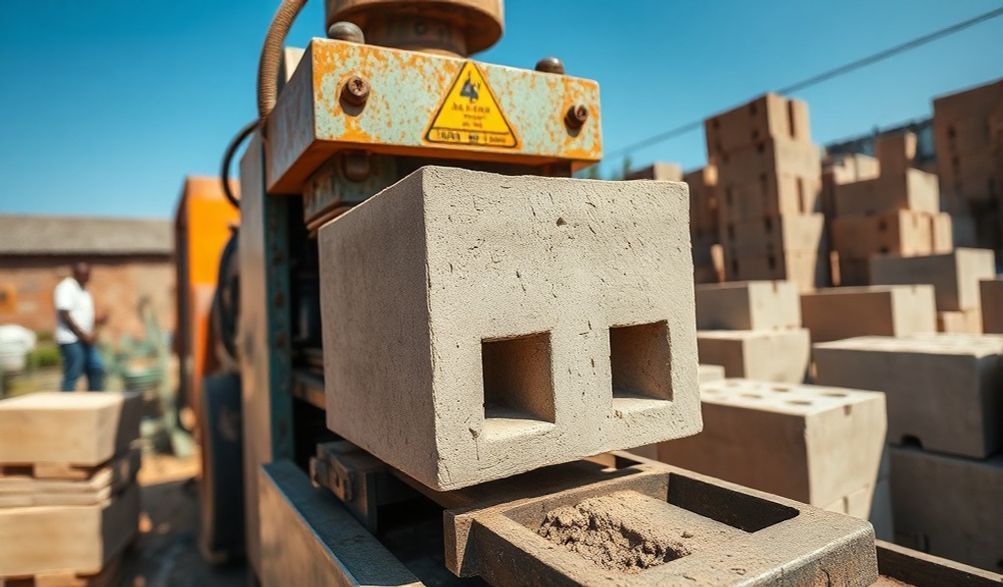
Дастури ниҳоии шумо барои дастгоҳҳои сохтани блок дар Замбия: Намудҳо, Нархҳо ва Таъминкунандагон (2024)
Муқаддима
Сокии Замбия дар ҳоли тағйир аст. Бо сабаби лоиҳаҳои инфрасохтии миллӣ, васеъшавии шаҳрӣ ва эҳтиёчии фаврӣ ба манзилҳои сифатӣ, соҳаи сохтмон дар ҳолати рақобати устувор қарор дорад. Барои созандагон, подрядчиҳо ва соҳибкорони орзуманд, ин инкишоф масъалаи асосиро пеш меорад: чӣ тавр шумо метавонед ба талаботи зиёдшавандаи маводҳои сохтмонӣ бо таври боэътимод ва фоидаовар ҷавоб диҳед? Ҷавоб бештар дар истеҳсоли маҳаллӣ ҷойгир аст ва дар маркази ин ҳалли масъала...мошини сохтани блок дар Замбия.
Ин дастури муфассал барои шумо манбаи ниҳоӣ тарҳрезӣ шудааст. Мо шумораи зиёди маълумотро ҳафсуда карда, маълумоти амалӣ ва бетарафро дар асоси дарки чуқури бозори маҳаллӣ, шароити хок ва андозаҳои лоиҳаҳо пешниҳод мекунем, ки барои бомуваффақият будан дар ин ҷо муҳиманд. Ҳам шумо сохтмони оғозӣ бошед ва ҳам подрядкори ботаҷриба, ҳадафи мо ин аст, ки шуморо бо дониши воқеӣ ва базаргузашти нав дар бораи намудҳои мошинҳо, хароҷоти воқеӣ ва чӣ гуна шинохтани таъминкунандагони обрӯйманд мусаллаҳ кунем. Сармоягузории огоҳона дар мошини сохтани блок танҳо харид нест; ин як ҳаракати стратегӣ барои сохтани ояндаи Замбия - ва тиҷорати шумо - дар асоси устувор мебошад.
Чаро барои корхонаи сохтмонии худ дар Замбия мошини сохтани блок харида шавад?
Сармоягузорӣ ба мошини сохтани блок танҳо хариди таҷҳизот нест; ин дар бозори рақобатӣ муҳим аст. Ин чаро он барои амалиёти шумо дар Замбия як қарорҳои стратегӣ мебошад.
Барои Рӯйбароӣ ба Талабои Рӯз афзуни Сохтмон ва Масокун дар Замбия
Талаб ба манзили арзон ва инфрасохти тиҷорат аз таъминоти ҷорӣи масолеҳи бинокорӣ хеле пештар рафтааст. Бо истеҳсоли худ блокҳо, шумо лоиҳаҳои худро аз таъхирҳо ва камбудиҳои занҷири таъминот ҷудо мекунед. Шумо назоратро ба вақти худ даст меоред, боварӣ ҳосил мекунед, ки масолеҳи лозимиро дар вақти зарурӣ дошта бошед, то лоиҳаҳо ҳаракат кунанд ва муштариёнро хушнуд нигоҳ доред.
Самаранокии хароҷот: Кам кардани вобастагӣ ба хишти воридотӣ ё гарон
Интиқоли маводи вазнин монанди хишт дар масофаҳои дароз арзиши баланд дорад. Таҷрибаи амалӣ нишон медиҳад, ки истеҳсоли блокҳо дар ҷойи лозим ё дар як коргоҳи маҳаллӣ арзиши маводро барои бисёр лоиҳаҳо то 30-40% коҳиши назаррас медиҳад. Шумо миёнаравҳо ва афзудаҳои нархро дар нақлиёт барҳам дода, он чи ки пештар хароҷи калон будро ба маркази мустақими фоида табдил медиҳед.
Контроли сифат: Истеҳсоли блокҳои пойдор ва стандартӣ барои шароити маҳаллӣ
Ҳама блокҳо якхела сохта намешаванд. Бо назорати истеҳсол, шумо кафолат медиҳед, ки ҳар як блок ба талаботи мушаххаси сахтӣ ва устувории сохтмонҳои Замбия мувофиқат мекунад. Шумо метавонед омехтаи бетонро барои тобоварӣ ба шароити маҳаллии обуҳаво танзим кунед ва аз агрегатҳои маҳаллии сифатӣ истифода баред, ки сохтмони ниҳоии беҳтар ва боумрро нисбат ба блокҳои харидории нобаробар ва аксар вақт нисбатан пастсифат кафолат медиҳад.
Фурӯши маҳсулот ба бозорҳои маҳаллӣ ва лоиҳаҳои сохтмонӣ
Дастгоҳи шумо метавонад худ ба худ як тиҷорат шавад. Ғайр аз таъмин намудани лоиҳаҳои худ, шумо метавонед ба бозори васеи маҳаллӣ дастрасӣ пайдо кунед ва блокҳоро ба дигар сохтмончиён, подрядчиҳо ва сохтмончиёни хонаҳои шахсӣ таъмин кунед. Ин як манбаи устувори даромади иловагӣ эҷод мекунад, ки бозгашти сармоягузории шуморо ба ҳадди аксар мерасонад.
Types of Block Making Machines Available in Zambia
Understanding the different types of machines is the first critical step. Your choice will hinge on your production goals, budget, and access to utilities.
Дастгоҳҳои дастӣ барои сохтани блокҳо
These are the entry point into block production, perfect for very small-scale projects, community initiatives, or entrepreneurs testing the market.
* Идеалӣ барои: Small startups, individual home builders, remote sites with no power.
* Муҳоҷизот: Very low initial investment, virtually no maintenance, simple to operate, no electricity required.
* Манфӣҳо Low production output (typically 100-500 blocks per day), highly labor-intensive, physical strain on operators, less consistent block density.
Машинаҳои ним худкор барои сохтани блокҳо
This category offers the best balance for most growing Zambian construction businesses and dedicated block yards.
* Идеалӣ барои: Small to medium-sized block production businesses, contractors with multiple projects.
* Муҳоҷизот: Significantly higher production (1,000-3,000 blocks per shift) with mechanical vibration and compression, good versatility for different block types (hollow, solid, pavers) by changing moulds, moderate investment cost.
* Манфӣҳо Requires a skilled operator, depends on a reliable electricity supply (or a diesel generator), involves a higher level of maintenance than manual machines.
Машинаҳои пурра худкор барои сохтани блокҳо
These are industrial-grade production lines designed for maximum output with minimal manual intervention.
* Идеалӣ барои: Large-scale commercial block manufacturing plants supplying major cities or national projects.
* Муҳоҷизот: Very high, consistent output (4,000+ blocks per shift), excellent uniformity and quality, requires minimal manual labor (often just 2-3 operators for the entire line).
* Манфӣҳо High initial capital investment, requires a stable and significant power supply, complex maintenance needing specialized technicians, requires more space.
Mobile vs. Stationary Block Machines: Which Suits Your Zambian Operation?
This is a crucial local consideration:
* Машинаҳои блоксозии мобилӣ: Mounted on a trailer, these are excellent for contractors who move between project sites. They eliminate block transport costs entirely by producing directly where they are needed.
* Машинаҳои блокҳои стационарӣ: Set up in a fixed yard, these are for dedicated block manufacturing businesses. They are generally more robust, allow for easier integration with mixers and conveyors, and facilitate better curing processes.
Key Features to Consider When Buying in Zambia
Beyond the machine type, these specific features will determine your long-term success and satisfaction with your purchase.
Production Capacity (Blocks Per Hour) vs. Your Project Scale
Don’t overbuy or underbuy. Calculate your current and near-future block needs. A machine rated for 1,000 blocks per hour is useless if you only need 500 per day, just as a manual machine will cripple a large housing project. Match the capacity to your realistic business plan.
Block Types: Hollow, Solid, Interlocking, Pavers (Suitable for Zambian Standards)
Ensure the machine can produce the block types in demand. Hollow blocks are standard for walls. Interlocking blocks are gaining popularity for their speed and mortar savings. Pavers are essential for hardscaping. Check that the machine’s moulds and pressure are compatible with producing these to Zambia Bureau of Standards (ZABS) specifications for compressive strength.
Power Source: Electric, Diesel, or Manual – Considering Zambia’s Power Infrastructure
This is a critical local factor. While electric machines are cleaner and cheaper to run, power instability in some areas is a real concern. Diesel-powered machines offer independence from the grid but have higher fuel costs and noise. Your location’s reliable power access should heavily influence this decision.
Raw Material Compatibility: Working with Local Sand, Quarry Dust, and Cement
A common mistake is assuming any machine will work with any mix. The best machines for Zambia are those proven to work well with locally available materials—whether it’s river sand, crushed quarry dust, or pozzolana cement. Discuss your intended mix with the supplier to ensure the machine’s mixing and compaction systems are suitable.
After-Sales Support: The Critical Need for Local Service and Spare Parts
This is arguably the most important feature. A breakdown without local support can halt your business for weeks. Prioritize suppliers who have a proven track record of providing:
* On-site training for your operators.
* Availability of critical spare parts (like vibration motors, hydraulic seals, moulds) within Zambia.
* Access to service technicians who can diagnose and repair issues promptly.
Understanding the Cost: Block Making Machine Prices in Zambia
Transparency about costs is key to building trust and helping you plan effectively. Prices are indicative and can fluctuate with currency exchange rates and shipping costs.
Price Range Breakdown by Machine Type
- Дастгоҳҳои дастӣ барои сохтани блокҳо ZMW 3,000 – ZMW 15,000. The price varies based on brand, build quality, and whether it’s a single or multi-block mould.
- Машинаҳои ним худкор барои сохтани блокҳо: ZMW 40,000 – ZMW 250,000. This wide range depends on production capacity, level of automation, and brand origin.
- Машинаҳои пурра худкор барои сохтани блокҳо: ZMW 300,000 – ZMW 2,000,000+. These are significant investments for industrial-scale production.
Beyond the Machine: Additional Cost Factors
Your total startup cost includes much more than the machine price:
* Essential Accessories: Concrete pan mixer, conveyor belts, pallets or boards for curing.
* Moulds: Additional moulds for different block types can cost ZMW 5,000 – ZMW 25,000 each.
* Омодасозии макон: A leveled, solid concrete foundation for stationary machines.
* Raw Material Stock: Initial inventory of cement, sand, and aggregate.
* Хароҷоти амалиётӣ: Electricity/fuel, labor, water, and maintenance.
Calculating Your ROI: From Investment to Profit in the Zambian Market
A simple ROI calculation is vital. Estimate your production costs per block (cement, aggregate, labor, power) and compare it to the current market selling price in your area. For example, if your cost per hollow block is ZMW 5 and you sell it for ZMW 9, your gross profit is ZMW 4. A semi-automatic machine producing 2,000 blocks a day can thus generate significant daily gross profit, allowing you to recoup your investment in a matter of months with consistent sales.
Finding Reliable Block Making Machine Suppliers in Zambia
Choosing the right supplier is as important as choosing the right machine. Here’s how to navigate the market.
Local Zambian Distributors and Dealers
- Муҳоҷизот: Established local presence, easier communication, faster delivery and logistics, typically offer training and after-sales service, understand local market challenges.
- Манфӣҳо May have a limited range of models compared to international manufacturers.
Direct Import from International Manufacturers
- Муҳоҷизот: Potentially lower unit cost for high-end models, access to the very latest technology and a wider selection.
- Манфӣҳо Complex logistics, import duties and taxes (which can be substantial), lengthy shipping times, major challenges with after-sales support, warranty claims, and sourcing spare parts.
Key Questions to Ask Any Supplier
- What is included in the warranty, and what is the process for claims?
- Do you provide comprehensive on-site operator training?
- Which spare parts are most likely to need replacement, and are they stocked locally in Zambia?
- Can you provide contact details for 2-3 local customers who have used this model for over a year?
- What is your typical response time for service calls?
Important Note:
Always conduct due diligence. Physically inspect a working machine if possible. Verify the supplier’s business credentials. Checking with the Engineering Institution of Zambia (EIZ) or relevant trade associations for reputable members can be a wise step.
Operational Tips and Best Practices for Zambia
Expertise isn’t just about buying the right machine; it’s about operating it correctly for the Zambian context.
Ideal Raw Material Mix Ratios for Durable Blocks
A strong, standard mix is 1 part cement to 6 parts combined aggregate (e.g., a blend of pit sand and quarry dust). Always use clean, well-graded aggregates. The water-cement ratio is critical—aim for a stiff, moldable mix; too much water drastically reduces final block strength.
Proper Curing Techniques to Ensure Maximum Block Strength
Curing is where blocks gain their strength. Immediately after production, keep blocks under damp burlap sacks or plastic sheeting for at least 7 days, ensuring they remain moist. This slow curing process is essential, especially in Zambia’s hot, dry climate, to prevent cracking and achieve the designed compressive strength.
Routine Maintenance Schedule to Prolong Machine Life
- Daily: Clean all parts thoroughly after use, especially the moulds and mixer. Check for loose bolts and nuts.
- Weekly: Grease all moving parts and bearings. Inspect vibration motors and hydraulic hoses for wear.
- Monthly: Conduct a more thorough inspection of electrical connections and the hydraulic system.
Safety Protocols for Operators
- Always wear safety gloves, boots, and eye protection.
- Never place hands near the mould during the compression cycle.
- Ensure all safety guards on the machine are in place and functional.
- Provide training on safe material handling to prevent back injuries.
Frequently Asked Questions (FAQ) About Block Making Machines in Zambia
Q1: What is the cheapest type of block making machine available in Zambia?
The manual block making machine is the most affordable entry point, with basic models starting from around ZMW 3,000. However, consider your production needs—the low upfront cost may be offset by high labor costs and low output.
Q2: Can I use local Zambian soil to make blocks with these machines?
Standard block making machines are designed for concrete blocks using cement, sand, and aggregate. They are not typically for compressed earth blocks (CEBs). For CEBs, you need a specifically designed soil block press. Always confirm the compatible raw materials with your supplier.
Q3: How much profit can I make from a block making business in Zambia?
Profitability varies widely based on scale, efficiency, and market prices. As a realistic example, a well-run semi-automatic operation can see gross profit margins of 30-50% per block. Many small-to-medium operations report being able to recoup their initial machine investment within 6-18 months with consistent sales.
Q4: Are there any government regulations or standards for block production in Zambia?
Yes. The Zambia Bureau of Standards (ZABS) provides standards for concrete masonry units (e.g., ZS 658). For structural use, especially in commercial projects, engineers may require blocks to meet specific compressive strength classes (e.g., 3.5N/mm², 7N/mm²). It’s good practice to produce to these standards.
Q5: What is the most common problem with block machines in Zambia, and how can I avoid it?
Poor block density and strength is a frequent issue, often traced back to an incorrect raw material mix (too much water or poor aggregate grading) or inadequate vibration/compaction from a poorly maintained machine. Stick to proven mix ratios and adhere to a strict maintenance schedule.
Q6: Is training provided when I purchase a machine?
Reputable local suppliers almost always include basic on-site operator training as part of the purchase package. This is a key differentiator and something you should insist upon. If a supplier does not offer training, consider it a major red flag.
Conclusion
Интихоби дурустмошини сохтани блок дар Замбия is a strategic decision that hinges on understanding your specific needs, the local market realities, and the total cost of ownership. From manual starters to fully automatic production lines, the key is to align the machine’s capacity and features with your business goals and operational context. Remember, the machine itself is just one part of the equation; partnering with a supplier who offers robust after-sales support and training is essential for long-term success.
Before making any financial commitment, clearly define your project scales, budget carefully for all associated costs, and conduct thorough due diligence on potential suppliers. The right investment will not only build your profitability but will also contribute to building a stronger, more self-sufficient Zambia.
For a personalized consultation or to request a quote from vetted suppliers, contact a reputable local industry association or reach out to suppliers with a proven track record in Zambia. Always prioritize seeing the machine in operation and speaking to existing customers before you buy.
This guide is compiled based on industry research and market knowledge to aid your decision-making. We recommend conducting thorough due diligence, including consultations with the Zambia Bureau of Standards (ZABS) and financial advisors, before any financial commitment.
<