
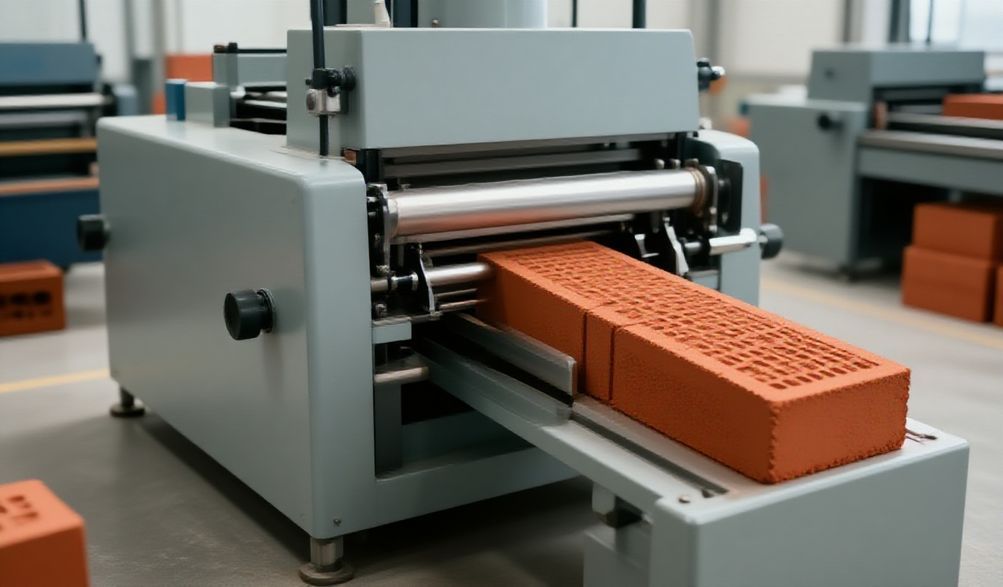
Дастури ниҳоии шумо барои интихоби истеҳсолкунандаи санъати санъати сохтмонии хишти хомӣ
Муқаддима
Саноати глобалии сохтмонбарӣ дар асоси маводди бардавом, устувор ва безамон бунёд шудааст. Дар маркази ин, хишти гилӣ ҳамчун асоси муҳим идома дорад, ки барои сахтиаш, массаи гармӣ ва хусусиятҳои экологӣ арзишманд аст. Аммо, сифати маҳсули ниҳоӣ ба сифати мошине, ки онро истеҳсол мекунад, бевосита вобаста аст. Интихоби истеҳсолкунандаи дурусти мошини сохтани хишти гилӣ танҳо харид нест; ин як қарори стратегии муҳим аст, ки барои солҳои оянда иқтидори истеҳсолии шумо, сифати маҳсулот ва фоидаоварии тиҷорати шуморо муайян мекунад.
Ин дастур аз даҳсолаҳои таҷрибаи мустақими саноат дар соҳаҳои муҳандисӣ, истеҳсолӣ ва машварат бо истеҳсолкунандагони хишт дар саросари ҷаҳон ба даст омадааст. Мо ин соҳаро аз асос мешиносем. Чолиби асосӣ барои соҳибкорон ва мудирони лоиҳаҳо равшан аст: ҳамкорӣ бо истеҳсолкунандаи нодуруст метавонад ба силсилаи мушкилот оварда расонад — нокомиҳои доимии механикӣ, сифати нобаробари хишт, вақти зиёди таваққуф ва дар ниҳоят, зиёни молиявии ҷиддӣ.
Мақсади мо ин хатарро ба боварӣ табдил додан аст. Ин манбаи фарох ҳамчун роҳнамои боэътимоди шумо хидмат мекунад, ки дониши бетараф ва воқеии заруриро барои ҳаракат дар бозор таъмин менамояд. Мо навъҳои мошинҳоро равшан мекунем, нишонаҳои ғайримуқтадири истеҳсолкунандаи бонуфузиро равшан мекунем ва шуморо бо саволҳои муҳим мусаллаҳ мекунем. Бигзор ин аввалин қадами шумо ба сӯи шарикие бошад, ки на танҳо хишт, балки тиҷорати устувор ва муваффақ месозад.
Фаҳмидани мошинҳои истеҳсоли хишти гилӣ: Намудҳо ва Истифодабарҳо
Пеш аз он ки шумо истеҳсолкунандаро интихоб кунед, бояд дарк кунед, ки чӣ мехаред. Машини дуруст барои лоиҳаи бузурги инфраратсруктурӣ аз ташкилоти идеалии инициативии истиқоматии ҷамъиятӣ хеле фарқ мекунад. Ин дониши асосӣ барои ифодаи эҳтиёҷоти шумо ва арзёбии ихтисоси истеҳсолкунанда калидӣ аст.
Навъҳои асосии мошинҳо: Аз дастӣ то пурра худкор
Сатҳи автоматсозӣ асосий фарқкунанда мебошад, ки бевосита ба маҳсул, талаботи кори ва сармоягузорӣ таъсир мерасонад.
-
Дастӣ ва ним-автоматӣ мошинҳо:Инҳо нуқтаҳои дохилшавӣ барои бисёр корхонаҳо мебошанд.
- Дастгоҳҳои дастӣбарои омехта кардан, қолиб кардан ва берун кардан ба саъйи инсонии зиёд ниёз доранд. Онҳо арзонбаҳо ва содда таъмир карда мешаванд, аммо истеҳсоли хеле паст доранд.
- Машинаҳои ним-автоматӣмеханизми фишурдани механикӣ ё гидравликӣ барои қолибдиҳӣ ва фишурдани материалро дар бар мегирад, аммо ворид кардани материал ва тоза кардани хиштҳо аксар вақт дастӣ аст. Онҳо тавозуни аълоеро пешкаш мекунанд, сифати беҳтар ва истеҳсоли зиёдтарро нисбат ба вариантҳои дастӣ таъмин намуда, дар ҳоле ки арзонтар ва осонтар барои нигоҳдорӣ мебошанд. Барои корхонаҳои хурд ва миёна ва корхонаҳои навтаъсис идеалӣ мебошанд.
-
Машинаҳои пурра автоматӣ:Ин аст қуллаи самаранокии истеҳсолот.
- Ин системҳои якҷояшавӣ тамоми равандро худкор мекунанд: таъмин, омехта кардан, қолибрезӣ, сахт кардан ва чӯбчазорӣ. Бо идоракунии контроллерҳои мантиқии барномарези (PLC), онҳо созиши беҳамто, ҳаҷми баланд (ҳазорҳо хишт дар як соат) ва меҳнати дастии ҳадди ақалро таъмин мекунанд. Сармоягузорӣ баландтар аст, аммо бозгашт тавассути миқёс, ягонагии беҳамтои маҳсулот ва арзиши пасттари ҳар воҳид ба даст меояд.
-
Машинаҳои ҳаракаткунандаи сохтмони хишт:Ҳалли сермаҳсул барои эҳтиёҷоти мушаххас.
- Ин дастгоҳҳо, ки болои трейлер ё кабинаи боркаш насб шудаанд, мустақиман ба майдони сохтмон ронда мешаванд. Ин раванд хароҷоти интиқоли хиштро дар масофаҳои дароз ва ташкили онро бартараф мекунад. Онҳо барои лоиҳаҳои дурдаст, ландшафтсозии васеъ ё истеҳсоли хишт дар ҳамон ҷое ки гил истихроҷ мешавад, мунтазам мебошанд.
Компонентҳои асосӣ ва таъсири онҳо ба сифати хишт
Машина танҳо ба он қадар хуб аст, ки қисмҳояш. Фаҳмидани ин унсурҳои асосӣ вафодории истеҳсолкунандаро ба сифат ошкор мекунад.
- Воҳиди Омехтакунӣ:Дар ин ҷо созиш оғоз меёбад. Миксери мустаҳкам бояд гилро бо иловаҳо (монанди рег ё хокистар) ва об ба як пластикияти якхела ҳамгиро кунад. Омехтаи нобаробар ба хиштиҳои зичи ва қуввати гуногун меорад.
- Системи қолибсозӣ: This defines your product’s shape and texture.
- Extrusion Molds: Force clay through a die to create a continuous column, which is then cut into bricks. Excellent for standard solid and hollow bricks.
- Compression Molds: Press clay into a mold under high pressure. Essential for producing high-density, interlocking paving bricks or bricks with complex shapes.
- The Compression System: This is the heart of brick strength. Hydraulic or mechanical systems apply immense pressure to the clay, compacting it and driving out air pockets. Higher, well-calibrated pressure results in bricks with greater compressive strength and durability.
- The Control System: The brain of the operation.
- Manual/Levers: Found on basic machines; requires skilled operators.
- PLC & Touchscreen Interfaces: Standard on automatic machines. They allow for precise control over pressure, cycle times, and sequences, ensuring repeatable quality and simplifying operation.
Matching the Machine to Your Project Scale and Output Goals
A reputable manufacturer won’t just sell you a machine; they’ll help you select the right one. Be prepared to discuss:
- Иқтидори баромад Move beyond “bricks per day.” Consider your annual project needs, peak demand periods, and growth plans. A good manufacturer will help you calculate a realistic output figure that accounts for maintenance and operational efficiency.
- Brick Type & Size Flexibility: Do you need to produce solid, hollow, perforated, or paving bricks? Can the machine easily switch between standard sizes? Your market demands should dictate this, and the machine must be adaptable.
- Raw Material Considerations: Not all clay is the same. The mineral composition, moisture content, and plasticity vary. A trustworthy manufacturer will ask for a sample of your local clay to test its suitability and recommend any necessary machine adjustments or additive ratios.
The Hallmarks of a Trustworthy Clay Brick Machine Manufacturer
Identifying a true partner amidst a sea of suppliers requires a focus on tangible markers of reliability. Look for these pillars of a reputable manufacturer.
Proven Industry Experience and a Robust Portfolio
Longevity and diversity are strong trust signals.
- Сабти фаъолият: A company with 10, 20, or 30 years in the field has navigated technological shifts and solved real-world problems. This accumulated experience is invaluable.
- Global & Diverse Portfolio: Look for a client base spanning different continents and climates. A manufacturer who has successfully installed machines in arid, tropical, and temperate regions demonstrates adaptable engineering. A portfolio showcasing projects from small rural yards to large industrial plants indicates scalable expertise.
- Evidence of Success: Always review case studies and project galleries. Real photos, videos, and testimonials from past clients are the most credible form of social proof. They move claims from marketing to reality.
Manufacturing Excellence and Quality Control Protocols
Where and how your machine is built determines its lifespan.
- Истеҳсоли дохилӣ: Prefer manufacturers that control the entire production process—from steel cutting to assembly and painting. This allows for stringent quality control at every stage, unlike a company that merely assembles outsourced, generic parts.
- Materials Matter: Inquire about the grade of steel used in the frame and molds, the brand of hydraulic pumps and seals, and the quality of electrical components. Premium wear-resistant parts may cost more upfront but prevent frequent breakdowns.
- Сертификатҳо ва Равандҳо: While not a guarantee, ISO 9001 certification indicates a commitment to standardized quality management systems. More importantly, ask about their specific internal QC checklists: Do they perform pressure tests? Run empty and loaded trials? Provide inspection reports before shipping?
Comprehensive After-Sales Support: The True Test of Commitment
The sale is the beginning of the relationship. Support is what defines it.
- Насб ва ба кор даровардан: Will they send an engineer to your site to supervise installation, ensure the foundation is correct, and commission the machine? Proper on-site training for your operators is non-negotiable.
- Spare Parts Ecosystem: A genuine manufacturer maintains a comprehensive inventory of critical spare parts. Ask for their parts catalog and lead times. A lack of parts support is a major red flag.
- Technical Support & Warranty: Scrutinize the warranty document. What is covered (parts, labor, shipping)? For how long? Is there a clear, multilingual technical support channel (phone, email, WhatsApp)? What is their target response time for urgent breakdowns?
Critical Questions to Ask Before You Invest
Arm yourself with this checklist. The answers you receive will be more revealing than any brochure.
Questions About the Machine and Its Performance
- “Can you provide a video of a machine (preferably the model we’re discussing) running at a client’s site, not in your showroom?”
- “What is the реалистӣ, устувор баромад per 8-hour shift, accounting for operator breaks and minor adjustments?”
- “What is the detailed power requirement (connected load vs. average consumption)? Do you offer any energy-saving features?”
- “Can you share a third-party test report for the compressive strength and water absorption of bricks produced by this machine model?”
Questions About the Manufacturer’s Credentials
- “Is a visit to your production facility encouraged? Can we see the welding, machining, and assembly lines?”
- “Please provide contact information for 2-3 reference clients who have operated a similar machine for at least 12 months. We would like to ask about reliability and support.”
- “What is your structured process for handling a major breakdown? Do you have a service network or flying engineers in our region?”
Questions About Logistics, Payment, and Contract
- “Under what Incoterms (e.g., FOB, CIF, DDP) are you quoting? Who is responsible for sea freight, insurance, and customs clearance in our country?”
- “Does your final, itemized quotation include costs for installation supervision, initial tool kit, and a starter set of critical spare parts?”
- “What is the standard payment schedule? What contractual protections (e.g., performance guarantees) are included to align our interests?”
Beyond the Purchase: Maximizing Your Machine’s Lifespan and ROI
Your responsibility begins once the machine is installed. Proper operation and maintenance are key to protecting your investment.
Essential Operational Best Practices
- Material Prep: Never underestimate this. Ensure clay is properly weathered, cleaned of debris, and mixed to a consistent moisture content before feeding.
- Structured Maintenance: Follow the manufacturer’s manual religiously.
- Daily: Lubricate all moving parts, check hydraulic oil levels and for leaks, clean the machine.
- Weekly: Tighten bolts and nuts, inspect wires and hoses for wear.
- Monthly: Change filters, conduct a more thorough inspection of wear parts like molds and seals.
- Trained Operators: Invest in continuous training. Operators must understand not just how to run the machine, but the чаро behind each step and safety protocol.
Troubleshooting Common Operational Issues
Empower your team to diagnose minor issues:
* Cracked Bricks: Often caused by clay that is too dry, excessive pressure, or uneven feeding.
* Poor Shape/Deformation: Can result from worn molds, incorrect alignment, or clay that is too wet.
* Low Density/Strength: Usually points to insufficient compression pressure or improperly prepared raw material.
Establish a clear protocol: what adjustments operators can make, and when they must immediately stop and call for technical support.
Planning for Long-Term Success
- Strategic Spares: Based on the manufacturer’s advice, maintain a small inventory of high-wear, mission-critical parts (e.g., specific seals, hydraulic hoses, mold liners) to minimize downtime.
- Ояндасозӣ: Discuss with your manufacturer the possibility of future upgrades—like adding an automatic feeder or a new mold set—to expand your product line.
- Leverage the Relationship: A good manufacturer is a knowledge partner. Keep them informed of your production challenges and successes; their insights can help you optimize processes over time.
Frequently Asked Questions (FAQ)
Q1: What is the average cost range for a clay brick making machine?
A: Prices vary dramatically based on automation and capacity. Manual machines can start from a few thousand dollars, semi-automatic units range from $15,000 to $50,000, while large, fully automatic production lines can reach $200,000 or more. Focus on the Хароҷоти умумии моликият, which includes energy use, maintenance, and expected lifespan, not just the initial price tag.
Q2: How long does it take to install and commission a new machine?
A: For a semi-automatic machine with foundation ready, on-site commissioning typically takes 5-10 days. A fully automatic plant with material handling systems can require 4-8 weeks for full installation, calibration, and operator training. Timelines depend heavily on site preparedness and the manufacturer’s support.
Q3: Can one machine produce different types and sizes of bricks?
A: Yes, through interchangeable molds. Most reputable manufacturers offer a range of mold sets for solid, hollow, or paving bricks. However, frequent mold changes require downtime for adjustment and calibration. Some high-end models feature quick-change systems to minimize this.
Q4: What kind of after-sales training do reputable manufacturers provide?
A: Comprehensive training should be hands-on and cover: Safe machine operation, daily routine maintenance, troubleshooting common faults, proper mold changing procedures, and basic safety drills. This is ideally conducted on your premises by the commissioning engineer.
Q5: How do I ensure the machine is suitable for the clay in my region?
A: Always send a 10-15 kg sample of your local clay to the manufacturer before finalizing an order. A responsible manufacturer will conduct a free or low-cost analysis to test its plasticity, shrinkage, and composition, and will confirm if their machine is compatible or requires specific modifications.
Conclusion
Choosing a clay brick making machine manufacturer is one of the most significant decisions you will make for your business. It is the selection of a long-term partner whose expertise, reliability, and support will underpin your daily operations and long-term profitability. As we’ve outlined, this choice must be grounded in a thorough evaluation of their Таҷриба (proven track record), Маҳорат (technical depth), Маъмурияти ҳокимият (industry standing), and Содиқӣ (transparent operations and unwavering support).
We urge you to conduct diligent due diligence. Use this guide as your checklist. Request factory visits, speak directly to past clients, and read the fine print on support contracts. The right partnership will not only provide you with a machine but will contribute to the foundational strength of every project you undertake.
Ready to take the next step with confidence? Contact our team of engineering specialists today for a detailed consultation, a review of your clay sample, or a tailored quotation for your project. Let’s build a more efficient and profitable future for your brick-making enterprise, one quality brick at a time.
<