
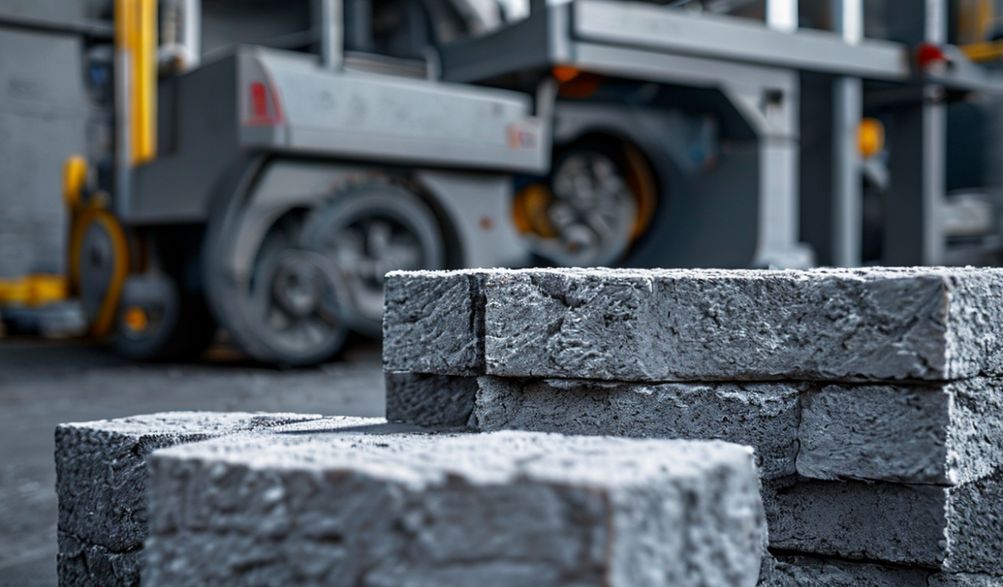
Роҳнамои ниҳоии шумо барои пайдо кардани дастгоҳи блоки мувофиқ барои фурӯш
Choosing the wrong block machine can stall your project, drain your budget, and leave you with a piece of equipment that can’t keep up with demand. It’s a critical investment, and the sheer number of options can be overwhelming. Drawing from years of hands-on experience in the construction machinery industry, where we’ve tested, operated, and reviewed countless models, this guide is designed to cut through the noise. We’ll provide you with a clear, trustworthy framework for evaluating every блок-мошини фурӯшӣ, ensuring you make an informed decision that boosts your productivity, profitability, and peace of mind.
Фаҳмидани мошинаҳои блокӣ: Намудҳо ва Истифодаҳо
Before diving into the market, it’s crucial to understand what you’re looking at. A block machine, at its core, is a device that compacts raw material (like concrete or fly ash mix) into a mold to produce dense, uniform construction blocks. The right machine for you depends entirely on your project scope, budget, and operational goals.
What is a Block Machine? Core Functionality Explained
A block making machine automates the process of forming concrete blocks. It replaces the slow, labor-intensive manual method with a system that mixes, compacts, and ejects blocks with precision. The core process involves:
- Хӯрок додан A prepared concrete mix is loaded into the machine’s hopper.
- Фарсудан: The mix is transferred to a mold and subjected to high mechanical pressure and often vibration to remove air pockets and create a solid structure.
- Хориҷ кардан: The newly formed block is pushed out of the mold onto a pallet or the ground.
- Шифо додан: The blocks are then moved to a curing area to gain strength over time.
Дастӣ, ним-автоматӣ ва пурра автоматӣ блокҳои мошинҳо
This is the primary classification and the biggest determinant of cost and output.
- Дастгоҳҳои блоксозии дастӣ Operated entirely by hand levers. They are low-cost, portable, and require no electricity, but output is very low (100-500 blocks per day) and labor-intensive. Ideal for very small-scale projects, rural areas, or entrepreneurs just starting.
- Машинаҳои блоксози нимавтоматӣ: These strike a balance. They use mechanical or hydraulic systems for compaction and vibration but require an operator to feed material and remove finished blocks. Output ranges from 1,000 to 5,000 blocks per 8-hour shift. They offer a great mix of affordability and increased production for small to medium businesses.
- Машинаҳои пурра автоматӣ барои сохтани блокҳо: The pinnacle of production. These computer-controlled systems automate feeding, compaction, ejection, and block stacking. They require minimal human intervention and can produce 8,000 to 20,000+ blocks per shift. The investment is significant, but they are essential for large-scale commercial block yards and high-volume projects.
Stationary vs. Mobile Block Machines
Consider where your production will happen.
- Машинаҳои блокҳои стационарӣ: These are installed on a solid concrete foundation in a fixed location, like a dedicated block yard or factory. They are typically more robust, higher-capacity, and form the backbone of a permanent production plant.
- Машинаҳои блоксозии мобилӣ: Mounted on a trailer or wheels, these machines are designed to be towed directly to a construction site. They enable on-site production, drastically reducing transport costs for blocks. They are perfect for large, remote projects like housing developments or infrastructure work.
Key Products: From Hollow Blocks to Pavers
Not all machines make all products. Your end goal dictates the machine type.
- Блокҳои бетонии ҷофӣ: The most common product, used in walls. Machines need specific mold designs for the required hollow pattern.
- Блокҳои сахт: Used for foundations and heavy-duty construction. Require high pressure for density.
- Сангҳои фарш ва блокҳои пайвастшаванда: For driveways, walkways, and patios. These often require specialized color feeders and high-frequency vibration systems for a fine finish.
- Curbs, Kerbstones, and Specialty Blocks: For landscaping and civil works. These require custom molds and often machines with longer production beds.
Омилҳои муҳим барои баррасӣ пеш аз харид
This is where your research gets practical. Making the right choice here will save you from costly mistakes.
Assessing Your Production Needs: Capacity is Key
Don’t buy based on a machine’s maximum theoretical output. Be realistic.
* Calculate your average daily requirement based on project timelines.
* Understand вақти даврӣ—the time a machine takes to produce one block or one pallet of blocks. A machine with a 15-second cycle time is vastly different from one with a 30-second cycle.
* Always factor in downtime for maintenance, mold changes, and material loading. In our experience, a machine rated for 2,000 blocks per hour might reliably produce 1,600-1,800 in a real-world setting.
Мувофиқати Маводи Хом
The best machine is useless if it can’t handle your local materials.
* Mix Design: Specify the type of mix you plan to use: standard concrete, fly ash-based (often used for lighter, “CLC” blocks), or even soil-cement.
* Aggregate Size: Ensure the machine’s feeding and mixing system can accommodate the size and gradation of your sand and gravel.
* Миқдори намӣ The ideal moisture content of the mix is critical for proper compaction. Discuss this with the manufacturer.
Power Requirements and Operational Costs
The sticker price is just the beginning.
* Манбаи барқ Most semi and fully automatic machines require a robust 3-phase electrical supply. Verify your site’s capabilities. Some models are diesel/hydraulic powered for off-grid sites.
* Истифодаи энергия: A larger, more powerful machine will have higher ongoing electricity costs. Factor this into your block production cost calculations.
* Consumables: Account for the cost of pallets (wooden or steel), curing materials, and regular wear parts like mold liners.
Machine Durability and Key Components
Inspect the build quality. This is where premium suppliers justify their price.
* Фрейм ва сохтор Look for heavy-duty, welded steel frames that can withstand constant vibration without cracking.
* Системаи Ларзишӣ: The heart of a good block machine. It should provide high-frequency, evenly distributed vibration for optimal compaction. Ask about the type and power of the vibrator motors.
* Муқаррарҳо: These are high-wear items. Insist on molds made from hardened, high-chrome steel. Cheap, soft steel molds will deform quickly, ruining block dimensions.
* Hydraulic & Control Systems: For automatic machines, reliable brand-name hydraulic components (like Bosch Rexroth) and PLC control systems are a sign of quality and easier future maintenance.
After-Sales Support: The Deal-Breaker
This is non-negotiable. A machine without support is a future paperweight.
* Warranty: Look for a comprehensive warranty (at least 12 months) that covers parts and, ideally, labor.
* Дастрасии қисмҳои эҳтиётӣ: Can the supplier provide a list of common spare parts with guaranteed availability? How long does shipping take?
* Дастгирии техникӣ: Do they offer installation supervision, on-site training for your operators, and remote troubleshooting? Based on user feedback, responsive technical support is often more valuable than a slight discount on the initial price.
Navigating the Market: How to Find Quality Block Machines for Sale
With your criteria set, it’s time to shop. Tread carefully and vet thoroughly.
Reputable Manufacturers and Suppliers
While we avoid overt promotion, industry reputation matters. Established global brands (like Zenith, Hess, and Poyatos) have long track records. However, don’t discount reputable manufacturers from key exporting countries like China, India, or Turkey—many have invested heavily in quality and technology. Always research the specific company’s history, client portfolio, and certifications (ISO, CE marking).
New vs. Used Block Machines: A Cost-Benefit Analysis
- New Machines:
- Муҳоҷизот: Full warranty, latest technology, energy-efficient, customized specs, complete documentation, and training.
- Манфӣҳо Higher upfront capital cost.
- Used Block Machines:
- Муҳоҷизот: Lower initial purchase price.
- Манфӣҳо High risk of hidden wear/breakdowns, zero or expired warranty, outdated technology, higher maintenance costs, difficulty finding spare parts, and no supplier support.
Our advice: A used machine can be viable only if you are a highly experienced mechanic, can inspect it thoroughly while operating, and are purchasing from a known, trusted source with full service history.
Where to Look: B2B Marketplaces, Direct from Manufacturers, and Local Dealers
- B2B Marketplaces (Alibaba, Made-in-China): Offer vast selection and competitive prices. Crucial: Use them to identify suppliers, but then move the conversation offline. Verify the company independently, request video calls to see their factory, and ask for customer references.
- Direct from Manufacturer: This can offer the best price and direct technical communication. It requires more due diligence on your part regarding logistics and payment terms.
- Local/Regional Dealers: They add a layer of cost but provide invaluable local support, quicker spare parts access, and often handle installation and servicing. This reduces your risk significantly.
Red Flags to Avoid When Evaluating a Sale
- The “Too Good to Be True” Price: If a price is drastically lower than the market average, quality or specifications are being compromised.
- Vague or Missing Specifications: A legitimate supplier provides detailed technical sheets with cycle times, power ratings, mold dimensions, and component brands.
- Unresponsive or Evasive Communication: If they can’t answer technical questions clearly or delay providing references, walk away.
- Pressure to Use a Specific Freight Forwarder or Payment Method: This is a common scam tactic. Use secure, verifiable payment methods and your own trusted freight agent.
- Lack of Physical Address or Verifiable History: A professional company has a real factory. Ask for a video tour.
Maximizing Your Investment: Installation, Operation, and Maintenance
Your responsibility begins once the machine arrives. Proper setup and care are essential.
Site Preparation and Machine Installation
- Foundation: Follow the manufacturer’s drawings exactly. A poor foundation will cause misalignment, excessive wear, and safety hazards. It typically requires a level, reinforced concrete pad.
- Фазо: Allow ample space around the machine for material storage, block curing, and safe operator movement.
- Utilities: Ensure the correct electrical supply (voltage, phase, amperage) and any required water or compressed air lines are installed and tested before the machine arrives.
Basic Operational Guidelines for Efficiency and Safety
- Training is Mandatory: Never let an untrained operator use the machine.
- Follow the Mix Design: Consistently use the recommended mix proportions and moisture content.
- Pre-Operation Checks: Always check hydraulic oil levels, tighten loose bolts, and clear the work area before starting.
- Safety First: Enforce the use of personal protective equipment (PPE) like gloves, safety glasses, and hearing protection. Never place hands in the mold area during operation.
Essential Routine Maintenance Checklist
A small amount of preventive care prevents major breakdowns.
- Daily:
- Clean the machine thoroughly at the end of each shift.
- Check and lubricate all moving parts as per the manual.
- Inspect molds for wear or damage.
- Weekly:
- Check hydraulic hoses for leaks.
- Inspect electrical connections for tightness.
- Verify vibration motor mounts are secure.
- Monthly:
- Change hydraulic oil and filters as specified.
- Conduct a full bolt-tightening check on the frame and vibration table.
- Calibrate sensors on automatic machines.
Troubleshooting Common Block Machine Issues
- Problem: Blocks are breaking or have poor strength.
- Likely Causes: Incorrect mix design (too little cement, wrong moisture), insufficient compaction pressure or vibration time, or improper curing.
- Problem: Blocks have surface defects or uneven dimensions.
- Likely Causes: Worn-out mold liners, uneven feeding of material into the mold, or a misaligned vibration table.
- Problem: Machine is leaking hydraulic oil.
- Likely Causes: Damaged seals, loose fittings, or over-pressurization. Address immediately to prevent system failure.
Frequently Asked Questions (FAQ) About Block Machines for Sale
Q1: What is the average price range for a block machine?
A: Prices vary enormously. A small manual machine can start from $1,000 – $3,000. A quality semi-automatic machine typically ranges from $15,000 – $50,000. Large, fully automatic production lines can cost $80,000 to $300,000+. The price depends on automation level, output capacity, brand, and configuration.
Q2: Can one machine produce different sizes and types of blocks?
A: Yes, through interchangeable molds. Most machines are sold with one standard mold, but you can purchase additional molds for different block types (e.g., switching from a 4-inch hollow block mold to a paver mold). Ensure the machine is designed for quick mold changes.
Q3: How much space and what kind of workforce is needed to operate a block making plant?
A: A small semi-automatic operation might need a 2,000-5,000 sq ft area (for machine, raw materials, and curing) and 2-3 workers. A large automatic plant can require an acre or more and a team of 5-10 for operation, maintenance, and logistics.
Q4: What is the typical lead time and what does shipping involve?
A: For standard models, lead time is often 30-60 days after order confirmation. Shipping is usually arranged FOB (Free On Board) from the supplier’s port, meaning you are responsible for main sea freight, insurance, and import clearance. Some suppliers offer CIF (Cost, Insurance, Freight) to your nearest port. Get a detailed shipping quote beforehand.
Q5: Are there financing options available for such equipment?
A: Many established manufacturers and their local dealers offer financing plans or leasing options. Some may also collaborate with third-party equipment finance companies. It’s always worth inquiring directly with the supplier about available payment structures.
Conclusion
Investing in a блок-мошини фурӯшӣ is a significant decision that hinges on a clear understanding of your production needs, a careful evaluation of machine types and durability, and, most importantly, partnering with a reputable and supportive supplier. By focusing on the pillars outlined in this guide—honest needs assessment, technical specifications, supplier vetting, and life-cycle cost planning—you move from a position of uncertainty to one of confidence.
Now that you’re equipped with this knowledge, you can confidently navigate the market. For your next step, we recommend using this guide as a checklist to request and compare detailed quotations, specifications, and service agreements from 2-3 shortlisted suppliers. Your ideal block machine is out there, ready to build the foundation of your success.
<