
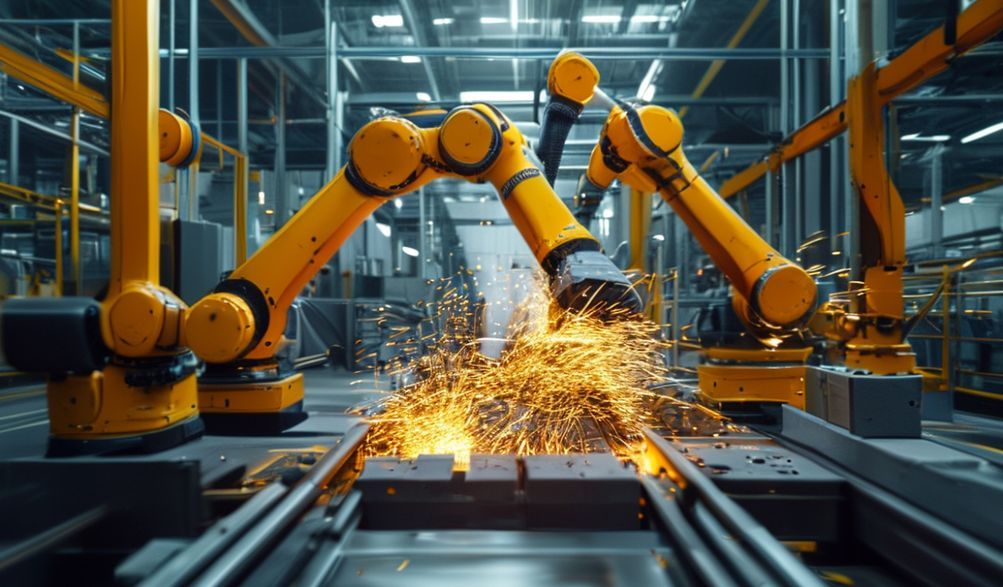
The Ultimate Guide to Automatic Cement Block Machines: Efficiency, Cost & How to Choose
The construction industry is constantly evolving, driven by the need for speed, consistency, and cost-effectiveness. At the heart of modern masonry and infrastructure projects lies a pivotal innovation: the automatic cement block machine.
This guide is designed for contractors, builders, entrepreneurs, and project managers looking to understand how automation is revolutionizing block production. We’ll move beyond basic specifications to deliver a thorough analysis based on industry experience, technical expertise, and practical insights.
You’ll learn not just อะไร these machines are, but อย่างไร they can transform your operations, what to look for when investing, and how to ensure you get the best return. Whether you’re setting up a new block plant or upgrading from manual methods, this authoritative resource will equip you with the knowledge to make an informed, trustworthy decision.
What is an Automatic Cement Block Machine? Core Technology Explained
An automatic cement block machine is a sophisticated, integrated production system designed to manufacture concrete blocks with minimal human intervention. Unlike manual or semi-automatic machines, it orchestrates the entire process—from raw material handling to finished block stacking—through a central computerized controller.
The core objective is to achieve high-volume, consistent, and repeatable production of various concrete products, turning raw aggregates into valuable construction materials with remarkable efficiency.
From Raw Material to Finished Block: The Automated Workflow
The magic of automation lies in this seamless, continuous workflow. Here’s a step-by-step breakdown:
- Aggregate Feeding & Cement Dosing: Pre-measured volumes of sand, gravel, and stone dust are automatically fed from storage hoppers or silos via conveyors or feeders. Simultaneously, cement is precisely dosed from its silo. This eliminates guesswork and ensures the perfect mix ratio every time.
- การผสม The raw materials are transferred to a pan or twin-shaft mixer. Water and any additives (like color pigments) are added automatically. The mixer blends everything into a homogeneous, workable concrete mix.
- Conveying: The fresh concrete is then conveyed, typically via a belt or bucket system, to the main block-making machine’s feed hopper.
- Molding (Vibration & Compression): This is the heart of the process. The concrete is fed into a mold box on a vibrating table.
- การสั่นสะเทือนความถี่สูง Compacts the concrete, removing air pockets and ensuring dense, strong blocks.
- การอัดไฮดรอลิก: A hydraulic press applies immense pressure (measured in tons) to further compact the mix into its final shape.
- การบ่ม The freshly molded, “green” blocks on their pallets are automatically transferred to a curing area. In advanced setups, this involves a curing chamber or rack system where controlled temperature and humidity accelerate the hardening process.
- การจัดเรียงและซ้อนพาเลท Once cured, the blocks are automatically depalletized, and the empty pallets are returned to the start of the cycle. The finished blocks are then neatly stacked by a robotic stacker or conveyor system, ready for wrapping and shipment.
Key Components of a Fully Automatic System
Understanding the main components helps in evaluating machine quality:
- PLC (Programmable Logic Controller): The “brain” of the operation. This industrial computer controls the timing, sequence, and parameters of every function, allowing for easy programming of different block types and troubleshooting.
- ระบบไฮดรอลิก Provides the powerful force needed for compression. Its quality (pumps, valves, cylinders) directly impacts machine reliability and block density.
- โต๊ะสั่นสะเทือนและมอเตอร์: Responsible for the crucial compaction during molding. High-quality, balanced vibrators are essential for uniform block strength.
- Conveyor Belts & Transfer Carts: The circulatory system that moves raw mix, blocks, and pallets between stations without manual labor.
- Pallet Feeder & Circulation System: Automatically feeds empty pallets into the mold and retrieves them after molding for a continuous cycle.
- Robotic Stacker: An end-of-arm tool that neatly organizes finished blocks onto wooden pallets or steel racks for efficient storage and transport.
Advantages of Automating Your Block Production
Shifting to an automatic cement block machine is a transformative business decision. The benefits extend far beyond simple mechanization.
ประสิทธิภาพการทำงานที่เหนือชั้นและผลลัพธ์ที่สม่ำเสมอ
- High Output Capacity: Automatic machines are measured in blocks per hour or per cycle. Standard models can produce from 1,500 to over 10,000 blocks in an 8-hour shift, depending on size and complexity. This enables you to take on larger contracts and meet tight deadlines.
- ศักยภาพในการดำเนินงานตลอด 24 ชั่วโมง Designed for endurance, these systems can run multiple shifts with minimal downtime, maximizing your capital investment.
- Elimination of Human Error: Every block is produced under identical pressure, vibration, and mix conditions. This results in uniform dimensions, consistent weight, and reliable compressive strength—critical for structural integrity and building code compliance.
Significant Labor and Long-Term Cost Savings
- Dramatic Labor Reduction: A fully automatic plant may require only 2-4 personnel for supervision, quality control, and maintenance, compared to 10-15 for equivalent manual output. This reduces long-term payroll, management overhead, and dependency on skilled labor availability.
- Lower Training Costs: Operating the machine centers on monitoring the PLC interface and performing routine checks, which is easier to train than the skilled craftsmanship required for manual block making.
- Decreased Material Waste: Precise electronic batching ensures optimal use of cement and aggregates. Consistent production also means fewer rejected blocks due to quality defects, directly improving your material cost efficiency.
Enhanced Safety and Improved Working Conditions
Automation fundamentally changes the worksite environment. It minimizes physically demanding and hazardous tasks such as:
* Manual handling of heavy, wet concrete.
* Repetitive lifting and moving of blocks.
* Constant exposure to vibration from hand-held tools.
This leads to a reduction in musculoskeletal injuries, fatigue-related incidents, and overall worker fatigue, fostering a safer and more sustainable workplace.
Critical Factors When Choosing an Automatic Block Making Machine
Selecting the right machine is paramount. This decision should be driven by your specific business needs, not just the machine’s specifications.
Assessing Your Production Requirements: Capacity & Block Type
Start with a clear business plan:
* Calculate Needed Output: Analyze your current and projected future demand. How many blocks do you sell per day/week? Factor in growth. Your machine’s capacity should meet your peak demand comfortably.
* Define Your Product Mix: What will you sell? Common products include:
* Hollow Blocks (for walls)
* Solid Blocks (for foundations)
* Paving Stones & Interlocking Blocks (for landscaping)
* Curbs, Grass Blocks, and Special Shapes
Ensure the machine you choose has a proven mold system for your desired products.
Machine Specifications Deep Dive: Pressure, Vibration, and Power
- Compaction Pressure (Tonnage): This is a key indicator of potential block strength. Higher hydraulic pressure (e.g., 150 tons vs. 80 tons) produces denser, stronger blocks suitable for load-bearing applications. Match the pressure to the quality standards of your target market.
- ระบบสั่นสะเทือน Look for a system that provides high-frequency, multidirectional vibration. This ensures even compaction in all corners of the mold, crucial for complex shapes like hollow blocks.
- แหล่งพลังงาน Choose between electric motors (cleaner, quieter, lower operating cost) or diesel engines (suitable for sites with unreliable grid power). The choice impacts your operational costs and location flexibility.
Automation Level and Control Systems
- ระบบอัตโนมัติเต็มรูปแบบ vs. ระบบกึ่งอัตโนมัติ A true fully automatic cement block machine includes automated pallet handling and stacking. “Semi-automatic” often requires manual pallet feeding or block removal, which becomes a bottleneck at higher outputs.
- PLC Interface: The control panel should be user-friendly, with a clear touchscreen display. It should allow easy parameter changes (vibration time, pressure) for different products and provide diagnostic alerts to prevent major breakdowns.
Investment Analysis: Cost, ROI, and Business Viability
A transparent look at the financials is essential for building a viable business case.
Understanding the Total Investment Cost
The machine price is just one part. Consider the ต้นทุนรวมในการเป็นเจ้าของ:
* Machine Price: Varies widely based on capacity, brand, and automation level.
* Shipping & Insurance: Especially important for imported machinery.
* Installation & Foundation: Requires a solid, level concrete foundation, often prepared by a local contractor.
* อุปกรณ์เสริม Concrete mixer, raw material silos, conveyor systems, and a forklift for handling finished blocks.
* Initial Training & Commissioning: Budget for the supplier’s technician to install, calibrate, and train your team.
Calculating Your Return on Investment (ROI)
A simplified ROI framework:
1. Calculate Increased Revenue: (Additional blocks produced per month) x (Profit per block).
2. Calculate Monthly Savings: (Reduction in labor costs) + (Reduction in material waste costs).
3. Calculate Total Monthly Benefit: Sum of #1 and #2.
4. Divide Total Investment Cost by Total Monthly Benefit. This gives you the number of months to break even.
A well-planned automatic block plant can often achieve ROI within 1.5 to 3 years, depending on local market demand and operational efficiency.
Navigating Supplier Selection and After-Sales Support
Your supplier is a long-term partner. Use this checklist:
* Company History & Reputation: How long have they been manufacturing? Look for established players.
* Client Testimonials & Site Visits: Can they provide references? Can you visit a working plant?
* ข้อกำหนดการรับประกัน: What is covered (parts, labor) and for how long?
* ความพร้อมของอะไหล่ Is there a local parts depot? What is the typical lead time for critical components?
* ฝ่ายสนับสนุนทางเทคนิค Do they offer remote support (phone, video)? Do they have service engineers available for on-site visits?
Operational Best Practices and Maintenance
The longevity and profitability of your machine depend on how you operate and care for it.
Daily Operation and Quality Control Protocols
- Startup/Shutdown Checks: Follow a pre-defined checklist: lubricate points, check hydraulic oil levels, inspect molds for wear or concrete buildup, ensure all safety guards are in place.
- Raw Material Quality: Maintain consistent standards for your sand, aggregate, and cement. Variations in grain size or moisture content can affect block quality and machine performance.
- Routine Quality Tests: Regularly test sample blocks for:
- ขนาด Use calipers to ensure they meet specified tolerances.
- ความต้านทานแรงอัด Invest in a compression testing machine to periodically crush blocks and verify strength meets or exceeds required standards (e.g., ASTM C90).
Essential Maintenance Schedule for Longevity
Preventive maintenance is cheaper than emergency repairs.
- Daily: Clean the machine thoroughly, especially the mold area and vibrator table. Check for loose bolts or nuts.
- Weekly: Inspect hydraulic hoses for leaks. Check conveyor belt alignment and tension. Clean and inspect the mixer blades.
- Monthly: Change hydraulic oil filters as recommended. Inspect mold liners for excessive wear. Check the electrical connections for tightness.
- Annually: Perform a comprehensive inspection by a qualified technician. This may involve replacing wear parts like seal kits in hydraulic cylinders or vibration motor bearings.
FAQ: Your Questions on Automatic Cement Block Machines Answered
Q1: What is the average production capacity of a standard automatic block machine?
Capacity varies greatly. A mid-range machine might produce 4,000-6,000 standard hollow blocks (200mm x 100mm x 400mm) in an 8-hour shift. High-capacity plants can exceed 10,000. Always confirm output for the specific block type you intend to produce.
Q2: How much space is required to install an automatic block making plant?
A complete plant needs significant space. You’ll need area for: the machine itself (approx. 15m x 6m), raw material storage (silos or open yard), a curing area (covered shed), and storage for finished blocks. A minimum of 1,000 to 2,000 square meters is a common starting point.
Q3: Can one machine produce different types and sizes of blocks?
Yes, most automatic machines allow for mold changes. Discuss the importance of interchangeable mold systems and changeover time. The key is an interchangeable mold system. Changing molds can take from 30 minutes to a few hours, depending on the machine design. Ensure your supplier offers molds for all the block types you plan to manufacture.
Q4: What is the typical lead time for delivery and installation?
For standard models from established manufacturers, expect 60 to 90 days from order to delivery, plus 1-2 weeks for installation and commissioning. Custom configurations or complex logistics can extend this timeline.
Q5: How durable are these machines, and what is their expected lifespan?
With proper maintenance, a high-quality machine can last 15-20 years. Stress the correlation between build quality (steel grade, component brands) and longevity. Lifespan is directly tied to build quality and maintenance. A machine built with high-grade steel, reputable hydraulic components (like Bosch Rexroth), and a robust electrical system, when maintained properly, can operate reliably for 15-20 years or more.
สรุป
Investing in an automatic cement block machine is a strategic decision that goes beyond purchasing equipment—it’s about committing to a future of efficient, scalable, and profitable construction material production.
As we’ve explored, the benefits in productivity, consistency, and safety are substantial, but they hinge on careful selection, proper operation, and diligent maintenance. By prioritizing a reputable supplier, clearly defining your project needs, and planning for the total cost of ownership, you can leverage this technology to build a stronger, more competitive business.
The path to automated block production is clear; the next step is to engage with trusted experts and turn this potential into your reality.
This guide was compiled by our team of industrial engineering specialists and construction technology analysts with over 25 years of combined hands-on experience in concrete machinery manufacturing, plant setup, and operational optimization. Our content is rigorously fact-checked against industry standards and designed to provide actionable, trustworthy insights to help our readers make confident decisions.
<