
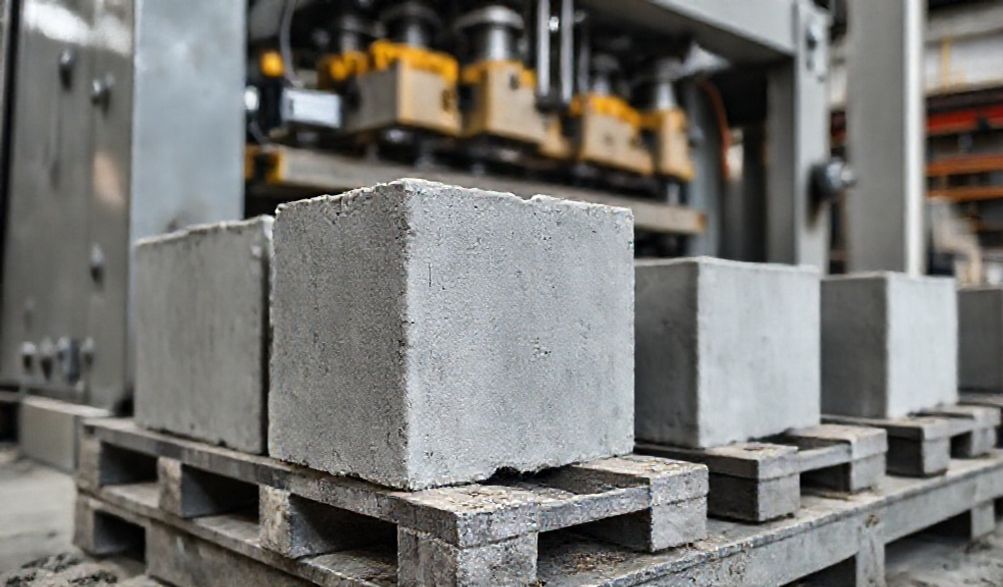
คู่มือราคาเครื่องผลิตบล็อกคอนกรีต (2024): ต้นทุน ประเภท และผลตอบแทนจากการลงทุน
การลงทุนในเครื่องผลิตบล็อกคอนกรีตเป็นการตัดสินใจสำคัญ และช่วงราคาที่หลากหลายอาจทำให้สับสน การเลือกที่ผิดพลาดอาจส่งผลกระทบต่อความสามารถในการทำกำไรของคุณไปอีกหลายปี คุณไม่ได้เพียงซื้ออุปกรณ์ชิ้นหนึ่ง แต่คุณกำลังลงทุนในโครงสร้างหลักของการผลิตสำหรับธุรกิจก่อสร้างหรือการผลิตของคุณ ด้วยราคาที่มีตั้งแต่ไม่กี่พันดอลลาร์ไปจนถึงหลายแสนดอลลาร์ คุณจะจัดการกับการซื้อที่สำคัญนี้อย่างไร
คู่มือฉบับสมบูรณ์นี้ รวบรวมจากข้อมูลในอุตสาหกรรมและข้อมูลเชิงลึกจากผู้เชี่ยวชาญ จะช่วยไขความกระจ่างในเรื่องต้นทุน เราจะแยกแยะปัจจัยด้านราคาสำหรับเครื่องจักรทุกประเภท—ตั้งแต่แบบใช้มือไปจนถึงอัตโนมัติเต็มรูปแบบ—และแสดงวิธีคำนวณผลตอบแทนจากการลงทุน (ROI) ที่แท้จริง เป้าหมายของเราคือการนำเสนอข้อมูลที่เป็นกลางและเป็นข้อเท็จจริง เพื่อช่วยให้คุณตัดสินใจลงทุนได้อย่างมั่นใจ
เขียนโดยนักวิเคราะห์อุปกรณ์ก่อสร้างที่มีประสบการณ์มากว่าทศวรรษในด้านเทคโนโลยีการผลิตและการจัดซื้อเครื่องจักรกล
ทำความเข้าใจสเปกตรัมราคา: จากระบบมือถือสู่ระบบอัตโนมัติเต็มรูปแบบ
ขั้นตอนแรกในการทำความเข้าใจเรื่องต้นทุนคือการจัดหมวดหมู่ของเครื่องจักรเอง ราคาเชื่อมโยงโดยตรงกับผลผลิต ระบบอัตโนมัติ และขีดความสามารถ ลองนึกภาพว่าเป็นบันได: แต่ละขั้นหมายถึงการเพิ่มขึ้นอย่างมีนัยสำคัญของการลงทุน ปริมาณการผลิต และความซับซ้อนในการดำเนินงาน
เครื่องจักรแบบมือและกึ่งอัตโนมัติ: การลงทุนระดับเริ่มต้น
เครื่องจักรเหล่านี้เป็นจุดเริ่มต้นที่เข้าถึงได้มากที่สุดในการผลิตบล็อก โดยต้องอาศัยการแทรกแซงของมนุษย์อย่างมากสำหรับการจัดการวัสดุ การขึ้นรูป และการบ่ม
- ช่วงราคา: 1,000 – 25,000 ดอลลาร์
- เหมาะสำหรับ:สตาร์ทอัพขนาดเล็ก โครงการ DIY สินค้าเฉพาะกลุ่ม (เช่น บล็อกตกแต่ง) และพื้นที่ที่มีต้นทุนแรงงานต่ำมากและความต้องการการผลิตในปริมาณต่ำ
- ปัจจัยต้นทุนหลัก:
- จำนวนแม่พิมพ์:เครื่องจักรที่สามารถผลิตได้ 4 บล็อกต่อรอบมีราคาสูงกว่าโมเดลที่ผลิตได้บล็อกเดียว
- ประเภทของแหล่งจ่ายไฟระบบที่ใช้มือ (คันโยก) มีราคาถูกที่สุด ตามด้วยระบบไฮดรอลิกและระบบไฟฟ้า
- แบรนด์และคุณภาพการผลิตรุ่นพื้นฐานไม่มีตราสินค้าอยู่ในระดับราคาต่ำสุด ในขณะที่เครื่องกึ่งอัตโนมัติคุณภาพดีจากผู้ผลิตที่มีชื่อเสียงมีราคาสูงกว่า
- สรุปแล้ว:ต้นทุนเริ่มต้นต่ำ แต่ต้นทุนแรงงานต่อหน่วยสูงและผลผลิตจำกัด (โดยทั่วไป 100-500 บล็อกต่อวัน)
เครื่องอัดบล็อกแบบอยู่กับที่: กำลังหลักสำหรับการผลิตระดับกลาง
นี่คือหมวดหมู่ที่พบได้บ่อยที่สุดสำหรับธุรกิจขนาดกลางและขนาดย่อมที่จริงจัง เครื่องจักรใช้พลังงานไฟฟ้า ใช้การสั่นสะเทือนความดันสูงเพื่ออัดบล็อก และมักจะมีระดับการทำงานอัตโนมัติบางส่วนในการป้อนวัสดุและการจัดการพาเลท
- ช่วงราคา: 25,000 – 100,000 ดอลลาร์ขึ้นไป
- เหมาะสำหรับ:สถานประกอบการที่มีลานเก็บวัสดุก่อสร้าง, ซัพพลายเออร์ให้กับบริษัทก่อสร้างท้องถิ่น, และธุรกิจที่มีความต้องการที่มั่นคงและคาดการณ์ได้
- ปัจจัยต้นทุนหลัก:
- ความสามารถในการผลิต (BPH):เครื่องที่ได้รับการจัดอันดับให้ผลิตได้ 1,000 บล็อกต่อชั่วโมง (BPH) มีประสิทธิภาพต่ำกว่าเครื่องที่ได้รับการจัดอันดับให้ผลิตได้ 2,500 BPH อย่างมีนัยสำคัญ
- ระดับการทำงานอัตโนมัติรุ่นพื้นฐานอาจต้องวางพาเลทด้วยมือ ในขณะที่รุ่นราคาสูงกว่ารวมถึงเครื่องป้อนพาเลทและเครื่องสแต็กอัตโนมัติ
- ขนาดพาเลทและการหมุนเวียนระบบที่มีพาเลทมากขึ้นและระบบหมุนเวียนที่เร็วและแข็งแกร่งยิ่งขึ้นจะเพิ่มราคาแต่ก็เพิ่มเวลาทำงานด้วย
- สรุปแล้ว:จุดที่เหมาะสมสำหรับความสมดุลระหว่างระบบอัตโนมัติและต้นทุน ผลลัพธ์สามารถอยู่ในช่วง 1,500 ถึง 10,000+ บล็อกต่อกะการทำงาน 8 ชั่วโมง
โรงงานผลิตบล็อกอัตโนมัติเต็มรูปแบบ: การผลิตปริมาณสูง
นี่คือสายการผลิตแบบครบวงจร ซึ่งผสานการทำบล็อก การบ่ม การเรียงซ้อน และบางครั้งรวมถึงการผสมวัตถุดิบ เข้าเป็นกระบวนการที่ราบรื่นภายใต้การควบคุมคอมพิวเตอร์ โดยใช้การดูแลจากมนุษย์น้อยที่สุด
- ช่วงราคา: 100,000 – 500,000+ ดอลลาร์สหรัฐ
- เหมาะสำหรับ:ผู้ผลิตขนาดใหญ่ที่จัดหาให้กับโครงการโครงสร้างพื้นฐานสำคัญ เทศบาล หรือผู้จัดจำหน่ายรายใหญ่
- ปัจจัยต้นทุนหลัก:
- ระดับการทำงานอัตโนมัติหุ่นยนต์จัดการพาเลท ระบบบ่มอัตโนมัติ (เช่น ห้องบ่มหรือชั้นวาง) และสายการคัดแยกผลิตภัณฑ์เพิ่มต้นทุนอย่างมาก
- ความสามารถในการส่งออก产能规划在每小时1万瓶以上的工厂,代表着投资的顶峰水平。
- ระบบบูรณาการ:เครื่องจักรที่รวมถึงโรงผสมในตัว ระบบจ่ายสีอัตโนมัติสำหรับเครื่องปูผิว หรือระบบการสร้างพื้นผิวพิเศษ ถือเป็นรุ่นระดับสูงสุด
- สรุปแล้ว:ผลผลิตสูงสุดและประสิทธิภาพสูงสุดด้วยต้นทุนแรงงานต่อหน่วยต่ำที่สุด แต่ต้องใช้เงินลงทุนเริ่มต้นสูงมากและยอดขายที่สม่ำเสมอในปริมาณมากเพื่อให้คุ้มค่า
ปัจจัยสำคัญที่กำหนดราคาเครื่องผลิตบล็อกคอนกรีต
ในแต่ละหมวดหมู่ ราคามีความแตกต่างกันอย่างมาก นี่คือปัจจัยหลักทางเทคนิคและเชิงพาณิชย์ที่อธิบายว่าเหตุใดเครื่องจักรราคา 50,000 ดอลลาร์หนึ่งเครื่องจึงแตกต่างจากอีกเครื่องหนึ่ง
กำลังการผลิตและผลผลิต
ความจุเป็นตัวขับเคลื่อนราคาหลัก ซึ่งไม่ใช่ความสัมพันธ์แบบเส้นตรง
- บล็อกต่อชั่วโมง (BPH):นี่คือข้อกำหนดของหัวข้อข่าว การเพิ่มขึ้นจาก 1,000 เป็น 2,000 BPH จำเป็นต้องมีระบบการสั่นสะเทือนที่ทรงพลังยิ่งขึ้น ชุดไฮดรอลิกที่ใหญ่ขึ้น โครงสร้างที่แข็งแรงขึ้น และส่วนประกอบที่ทำงานรอบเร็วขึ้น ซึ่งมักจะทำให้ราคาเพิ่มขึ้น 60-80% ไม่ใช่ 100%
- ต้นทุนของความสามารถในการขยายขนาดวิศวกรรมเครื่องจักรเพื่อการผลิตที่เชื่อถือได้และต่อเนื่องในปริมาณสูง จำเป็นต้องใช้วัสดุคุณภาพสูง (เช่น โลหะผสมเหล็กชนิดพิเศษ) การตัดเฉือนที่แม่นยำยิ่งขึ้น และส่วนประกอบที่เหนือกว่า ซึ่งทั้งหมดนี้ทำให้ต้นทุนเพิ่มสูงขึ้น
ระดับการทำงานอัตโนมัติและเทคโนโลยี
นี่คือจุดที่คุณต้องจ่ายเพื่อประสิทธิภาพและความสม่ำเสมอ
- ระบบควบคุม:แผงควบคุมพื้นฐานที่ใช้รีเลย์เป็นอุปกรณ์มาตรฐาน ส่วนตัวควบคุมลอจิกที่ตั้งโปรแกรมได้ (PLC) พร้อมอินเทอร์เฟซหน้าจอสัมผัสสี สำหรับการจัดการสูตร การวินิจฉัยข้อบกพร่อง และข้อมูลการผลิต จะเพิ่มราคาหลายพัน แต่ให้การควบคุมที่ทรงคุณค่าและลดระยะเวลาหยุดทำงาน
- The Price of Precision: Advanced vibration technology (like dual-axis or variable-frequency vibration) ensures perfect block density and finish. High-precision hydraulic systems for consistent pressure application also contribute to a higher price tag. This technology directly impacts block quality and reduces waste.
Machine Type & Block Variety
What you produce determines the machine design.
- ความเชี่ยวชาญเฉพาะด้าน A machine engineered solely for standard hollow blocks is generally less complex and costly than one designed for intricate paving stones or interlocking landscaping blocks, which require more precise molds and vibration patterns.
- The Cost of Versatility: A “multi-purpose” machine that can produce blocks, pavers, and curbs by changing molds is more expensive than a dedicated single-product machine. You’re paying for the adaptable mold system and wider range of motion.
Brand Reputation, Origin, and After-Sales Support
The name on the machine carries both a price and a promise.
- Brand Comparison: Established European or American brands often command a 20-40% premium due to historical reputation, advanced R&D, and stringent manufacturing standards. Competitive Asian manufacturers offer compelling value, often providing similar specifications at a lower initial cost.
- The Critical Trust Factor: The machine’s price should include more than just metal and motors. A higher price from a reputable supplier often buys you peace of mind: comprehensive after-sales service, a solid warranty, availability of spare parts locally or via fast shipping, and access to technical support. The “cheaper” machine can become astronomically expensive if a breakdown halts production for weeks waiting for a part.
Beyond the Sticker Price: Calculating Your Total Investment
The machine’s invoice is just the beginning. A realistic budget must account for the entire ecosystem required to start production.
Ancillary Equipment & Setup Costs
Your block machine is useless on its own. Budget for these essentials:
- Concrete Mixer/Pan Mixer: Crucial for consistent raw material mix. ($5,000 – $30,000)
- สายพานลำเลียง: For moving raw material to the hopper and sometimes finished blocks. ($2,000 – $15,000)
- พาเลท: You need dozens to hundreds of steel pallets for the block machine to cycle. ($50 – $200 per pallet)
- ระบบการรักษา This can be simple racks in a shaded area, a sprinkler system, or a fully automated curing chamber. ($1,000 – $50,000+)
- การจัดการวัสดุ A forklift or wheel loader for moving raw materials and finished blocks. (Can be leased or purchased)
- Land & Shed: A solid, level concrete foundation and a weatherproof shed are non-negotiable for production and curing.
Operational Costs: Raw Materials, Labor, and Power
These are your recurring expenses that determine profitability.
- Raw Materials (Cement, Aggregates, Sand): This is typically the largest ongoing cost, often 50-70% of your production cost per block. Prices fluctuate based on location and market.
- แรงงาน A semi-automatic plant may need 4-6 workers. A fully automatic line might only need 2-3 for supervision and maintenance. The machine price you pay directly trades off against long-term labor costs.
- การใช้พลังงาน High-pressure hydraulic systems and powerful vibrator motors are energy-intensive. Electric systems are generally more efficient than older, purely hydraulic ones. Request power consumption specs (kW/h) from suppliers.
Maintenance, Spare Parts, and Downtime
This is where supplier choice is critical.
- Realistic Maintenance Budget: Allocate 3-7% of the machine’s initial cost annually for routine maintenance, wear parts (like mold liners, hydraulic seals), and lubricants.
- The High Cost of Downtime: If your machine stops, revenue stops. A reliable supplier with a readily available spare parts inventory is invaluable. The slightly higher initial price for a machine with local support can save you a fortune in lost production compared to a “bargain” machine with no support network.
How to Get the Best Value: A Buyer’s Checklist
Navigate the purchasing process with this experienced-based roadmap.
Define Your Business Needs Clearly
Answer these questions before you even look at a brochure:
- What specific block types and sizes will I produce? (Hollow, solid, paver, interlocking?)
- What is my target daily and monthly production volume based on market research?
- Who is my customer? (Retail, contractors, government projects?)
- What is my available budget, including total setup costs?
Research and Compare Suppliers Thoroughly
Due diligence is your most powerful tool.
- Request Detailed Quotations: Insist on a line-item quote that includes machine specs, warranty terms, shipping (FOB/CIF), and a list of recommended spare parts.
- Ask for Customer References: Get contacts for 2-3 clients in a similar region/operation. Call them. Ask about machine performance, reliability, and the supplier’s responsiveness to service requests.
- Verify Company History: How long have they been in business? Do they have a physical address and service network? Search for independent reviews or forum mentions.
The Importance of Factory Testing & Trial Runs
Never buy a machine unseen.
- Insist on a Live Test: If possible, visit the factory. Have them run the machine to produce samples of the exact block type you want.
- Use Your Mix Design: Provide your local raw material recipe (cement, sand, aggregate ratio) for the test. This proves the machine can work with your available materials.
Negotiating the Deal: Price, Payment Terms, and Shipping
The quoted price is usually a starting point.
- Standard Negotiation Points:
- การรับประกัน: Can it be extended from 1 year to 2?
- Spare Parts Kit: Request an “initial spare parts kit” be included.
- การฝึกอบรม Ensure on-site installation and operator training are clearly included in the offer.
- Payment Terms: More favorable terms (e.g., 70% before shipment, 30% after successful installation) can reduce risk.
คำถามที่พบบ่อย (FAQ)
Q: What is the cheapest type of concrete block machine I can buy?
ก Small manual or basic semi-automatic machines offer the lowest upfront cost (from ~$1,000). However, carefully consider their low output and high labor requirement against your business goals.
Q: How much does a medium-scale automatic block making machine cost?
ก A good quality stationary automatic machine with a production capacity of 2,000-5,000 blocks per 8-hour shift typically ranges from $50,000 to $120,000, depending on configuration, automation level, and brand.
Q: Are used concrete block machines a good option to save money?
ก They can be, but carry higher risk. Thoroughly factor in potential refurbishment costs, the lack of a warranty, and difficulty sourcing obsolete parts. An independent inspection by a qualified technician is absolutely essential before purchase.
Q: Besides the machine price, what is the biggest cost in block manufacturing?
ก Raw materials (cement, aggregates, sand) are consistently the largest ongoing cost, typically 50-70% of your cost per block. For semi-automatic operations, labor is the second major cost; for automatic plants, energy and maintenance are more significant.
Q: How long does it take to see a return on investment (ROI)?
ก This varies massively. A small manual operation with good sales might see ROI in 6-12 months. A medium automatic plant often targets ROI in 1.5-3 years. A large fully automatic plant’s ROI may be 3-5 years. It depends entirely on your local market demand, selling price, operational efficiency, and initial investment scale.
สรุป
The “right” price for a concrete block manufacturing machine is not the lowest sticker price. It is the price that delivers the best long-term value, reliability, and profitability for your specific production goals and market. A well-chosen machine is an asset that builds your business for years; a poor choice becomes a constant source of cost and delay.
Invest time in meticulous planning, rigorous supplier vetting, and realistic financial modeling. Use this guide as a framework to create your shortlist. Your concrete block machine is the core of your venture; choosing it wisely is the very foundation of your success.
Ready to refine your budget? Use the factors and checklist in this guide to define your required machine specifications. Then, approach 3-4 reputable suppliers with your detailed requirements to obtain comparable, meaningful quotations and consultations.
<