โครงสร้างตลาดปัจจุบันและการแบ่งส่วนลูกค้า
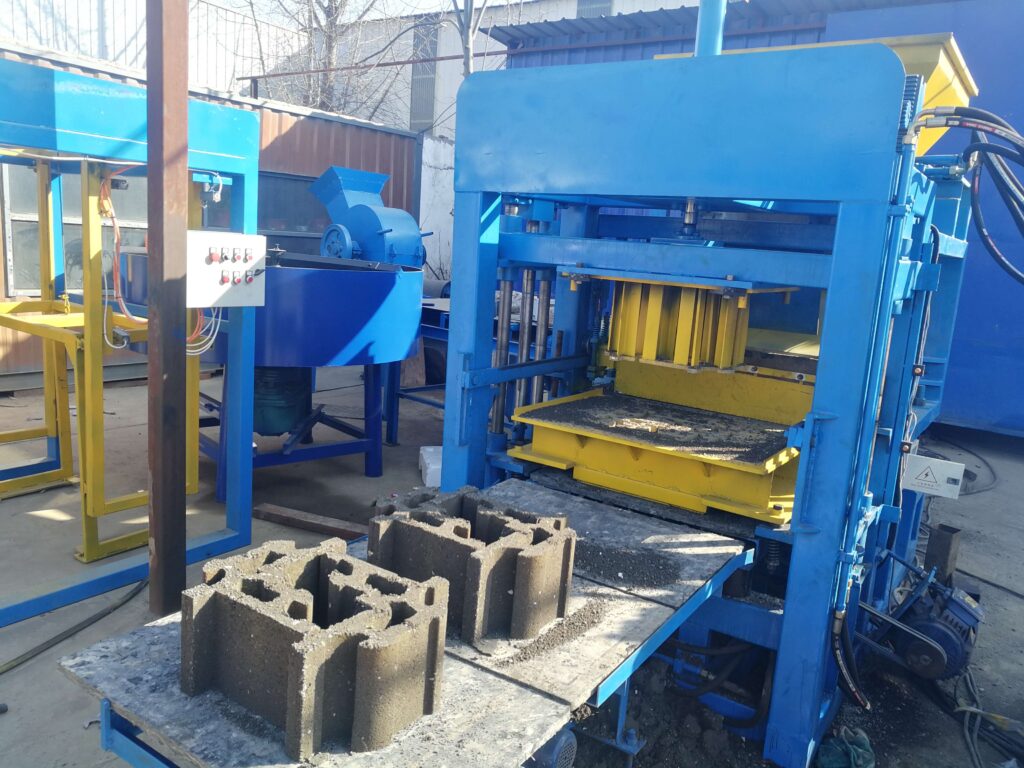
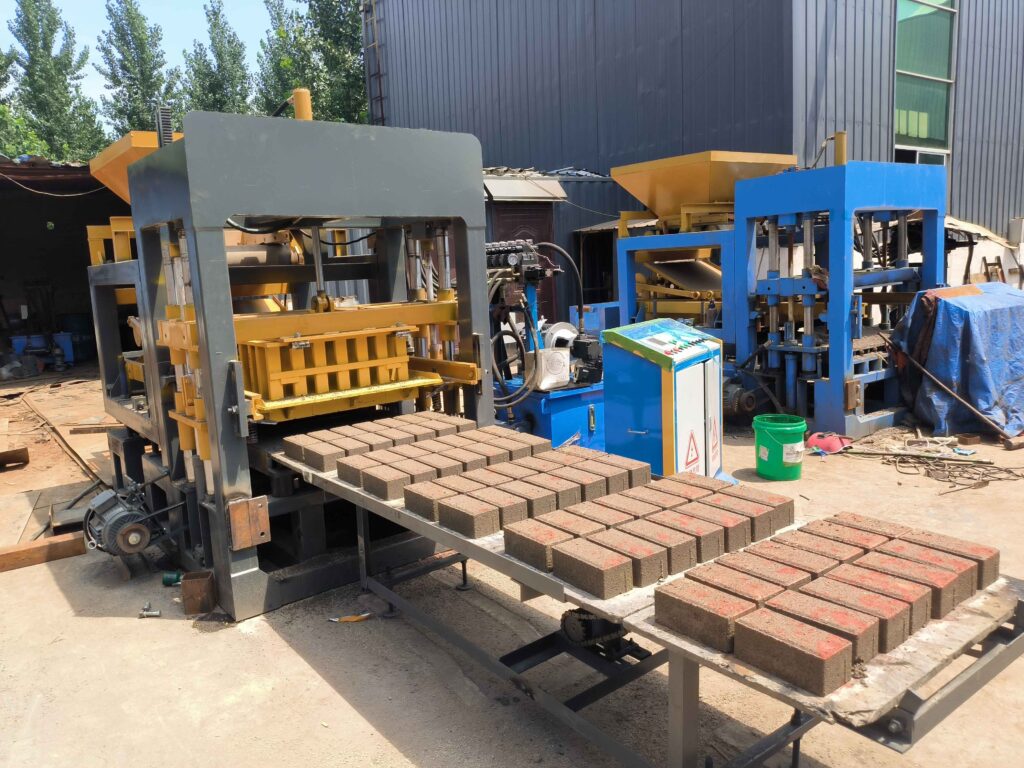
ภาคการผลิตบล็อกก่อสร้างในแอฟริกาตะวันออกมีโครงสร้างระดับชั้นที่ชัดเจน โดยแบ่งกลุ่มลูกค้าที่มีความต้องการด้านอุปกรณ์และพฤติกรรมการซื้อเฉพาะกลุ่ม ในระดับพื้นฐานคือผู้ประกอบการรายย่อยและช่างฝีมือที่มักใช้เครื่องมือแบบมือหรือกึ่งอัตโนมัติที่มีกำลังการผลิต 500 ถึง 2,000 บล็อกต่อวัน ผู้ประกอบการเหล่านี้มักดำเนินกิจการในเขตชานเมืองและมีข้อจำกัดด้านเงินทุน จึงต้องการทางเลือกการเงินที่ยืดหยุ่นและการฝึกอบรมทางเทคนิคขั้นพื้นฐาน กลุ่มตลาดกลางประกอบด้วยบริษัทก่อสร้างที่มั่นคงและผู้ผลิตบล็อกเฉพาะทางที่ใช้เครื่องจักรกึ่งอัตโนมัติและอัตโนมัติเต็มรูปแบบ มีกำลังการผลิตระหว่าง 2,000 ถึง 10,000 บล็อกต่อวัน ธุรกิจเหล่านี้ให้ความสำคัญกับคุณภาพมากขึ้นและมักส่งมอบโครงการให้กับงานประมูลของรัฐและผู้พัฒนาอสังหาริมทรัพย์เอกชน ส่วนกลุ่มพรีเมียมรวมถึงบริษัทก่อสร้างขนาดใหญ่ โรงงานอุตสาหกรรม และผู้ผลิตเฉพาะทางที่ใช้สายการผลิตอัตโนมัติเต็มรูปแบบด้วยผลผลิตเกิน 10,000 บล็อกต่อวัน มักผนวกคุณสมบัติขั้นสูงเช่นระบบจัดการด้วยหุ่นยนต์และระบบควบคุมด้วยคอมพิวเตอร์
ข้อพิจารณาทางเศรษฐกิจและโครงสร้างพื้นฐาน
สภาพเศรษฐกิจในปัจจุบันสร้างทั้งโอกาสและข้อจำกัดที่มีอิทธิพลอย่างมากต่อการเลือกอุปกรณ์และการพัฒนารูปแบบธุรกิจ ความผันผวนของค่าเงินและการพึ่งพาการนำเข้าสร้างความท้าทายด้านราคา โดยเฉพาะสำหรับอุปกรณ์ที่ต้องทำธุรกรรมด้วยสกุลเงินต่างประเทศ การเข้าถึงตัวเลือกทางการเงินแบบดั้งเดิมที่มีจำกัด ทำให้จำเป็นต้องหาวิธีแก้ไขอย่างสร้างสรรค์ รวมถึงการจัดหาเงื่อนไขการสนับสนุนทางการเงินจากซัพพลายเออร์และโปรแกรมการเช่าอุปกรณ์ ข้อจำกัดด้านโครงสร้างพื้นฐาน โดยเฉพาะในด้านการจ่ายไฟฟ้าและเครือข่ายการขนส่ง ต้องการการปรับตัวทางเทคนิคเฉพาะในด้านการออกแบบเครื่องจักร อุปกรณ์ต้องถูกออกแบบให้สามารถจัดการกับความผันผวนของไฟฟ้าที่เกิดขึ้นบ่อยครั้ง โดยมีตัวเลือกความเข้ากันได้กับเครื่องปั่นไฟและการทำงานที่ประหยัดพลังงานกลายเป็นจุดขายที่สำคัญ โครงสร้างพื้นฐานด้านการขนส่งส่งผลกระทบทั้งต่อโลจิสติกส์การจัดส่งอุปกรณ์และการให้บริการหลังการขาย ซึ่งจำเป็นต้องมีการวางตำแหน่งศูนย์บริการและสินค้าคงคลังอะไหล่อย่างมีกลยุทธ์
ข้อกำหนดทางเทคนิคและการปรับตัวผลิตภัณฑ์
การกำหนดค่าคอมพิวเตอร์ให้เหมาะสมกับสภาพแวดล้อมในท้องถิ่น
การเจาะตลาดให้สำเร็จจำเป็นต้องพิจารณาข้อกำหนดทางเทคนิคให้สอดคล้องกับสภาพการทำงานในท้องถิ่นและทรัพยากรที่มีอยู่อย่างรอบคอบ ข้อกำหนดด้านพลังงานต้องรองรับระบบไฟฟ้าสามเฟสที่แพร่หลาย พร้อมทั้งจัดเตรียมตัวเลือกสำรองสำหรับพื้นที่ที่มีโครงข่ายไฟฟ้าไม่มั่นคง เครื่องจักรที่ออกแบบด้วยระบบรักษาเสถียรภาพแรงดันไฟฟ้าที่แข็งแกร่งและความเข้ากันได้กับเครื่องปั่นไฟแสดงให้เห็นถึงความพึงพอใจของลูกค้าที่สูงขึ้นอย่างเห็นได้ชัดและความต้องการในการบำรุงรักษาที่ต่ำลง กำลังการผลิตต้องสอดคล้องกับความต้องการของตลาด โดยมีการออกแบบแบบโมดูลาร์ที่อนุญาตให้ขยายได้ในอนาคตเมื่อธุรกิจเติบโต การกำหนดค่าอุปกรณ์ที่ประสบความสำเร็จสูงสุดมักเสนอกำลังการผลิตระหว่าง 1,500 ถึง 8,000 บล็อกต่อกะการทำงาน 8 ชั่วโมง ซึ่งสร้างสมดุลระหว่างการลงทุนเริ่มต้นและศักยภาพในการเติบโต
Material Compatibility and Production Efficiency
The versatility in raw material processing represents a crucial competitive advantage in markets characterized by diverse material availability. Equipment must efficiently process locally available materials including volcanic ash, quarry dust, and various aggregate combinations while maintaining consistent output quality. Advanced vibration systems that ensure proper compaction with different material compositions significantly reduce production rejects and material waste. Maintenance accessibility and simplicity become paramount considerations, with designs emphasizing easy access to wear parts, straightforward adjustment mechanisms, and clear maintenance protocols. Equipment with complex maintenance requirements or dependency on imported specialized tools faces significant operational challenges in remote locations.
Distribution and Support Infrastructure
Channel Development and Partner Selection
Establishing effective distribution channels requires careful evaluation of potential partners based on technical capability, financial stability, and market reputation. The selection process should prioritize partners with demonstrated technical competence, adequate workshop facilities, and trained personnel capable of providing basic installation and maintenance services. Financial assessment must verify capitalization adequacy and creditworthiness, particularly when considering consignment stock arrangements or extended payment terms. Market reputation and existing customer relationships provide valuable channels for market intelligence and initial customer acquisition. Successful partnerships typically involve clear performance metrics, defined territorial rights, and structured support programs including technical training, marketing assistance, and inventory financing.
After-Sales Service and Support Systems
The development of comprehensive after-sales support capabilities represents a critical success factor in markets characterized by limited technical expertise and challenging operating conditions. Service network planning must establish strategic service locations within reasonable response distance of major customer concentrations, typically within 4-6 hours travel time for emergency repairs. Spare parts management requires careful analysis of failure rates and criticality, with local stocking of high-wear components and fast-moving spare parts. Implementation of computerized inventory management systems helps maintain optimal stock levels while minimizing capital investment. Technical support infrastructure should include well-equipped service vehicles, diagnostic equipment, and communication systems enabling remote troubleshooting. Training programs must address both operator competence and technician capabilities, with regular skill enhancement sessions and certification programs.
Market Development Strategy
Customer Education and Awareness Building
Market development initiatives must address both technical understanding and business case appreciation among potential customers. Demonstration units and mobile showrooms provide powerful platforms for showcasing equipment capabilities and building customer confidence. Practical training sessions covering operation, maintenance, and basic troubleshooting help overcome technical apprehension and build user competence. Business development support, including assistance with business planning, cost analysis, and market identification, helps potential customers visualize the economic viability of equipment investment. Success stories and case studies from similar market conditions provide social proof and reduce perceived investment risk.
Financing Solutions and Purchase facilitation
Developing accessible financing options dramatically expands the potential customer base beyond cash purchasers. Collaboration with local financial institutions to create specialized equipment financing programs with realistic repayment terms and reasonable collateral requirements addresses a major market barrier. Supplier-supported financing arrangements, including installment payment plans and lease-to-own options, provide flexibility for customers with limited access to conventional financing. Microfinance partnerships can extend equipment accessibility to small-scale entrepreneurs through group lending models and progressive equipment acquisition programs. Government and development agency partnerships may provide additional financing channels through subsidized loan programs and grant schemes supporting small business development.
Competitive Landscape and Positioning
Value Proposition Development
Successful market positioning requires clear differentiation based on tangible customer benefits rather than mere technical specifications. Reliability and durability claims must be supported by performance guarantees and validated by reference customers operating in similar conditions. Total cost of ownership calculations demonstrating lower operating costs, reduced downtime, and higher residual values provide compelling arguments against lower-priced competitors. Local adaptation and understanding of specific market needs create strong customer relationships and repeat business opportunities. Environmental and social responsibility aspects, including energy efficiency, waste reduction, and community impact, increasingly influence purchasing decisions among development organizations and corporate clients.
Strategic Partnerships and Alliances
Developing strategic relationships with complementary businesses and organizations creates synergies and expands market reach. Collaboration with material suppliers creates integrated solutions addressing both equipment and raw material needs. Partnerships with training institutions and vocational schools help develop skilled operators and technicians while creating recruitment channels for customers. Relationships with government agencies and regulatory bodies facilitate compliance understanding and participation in public procurement opportunities. Industry association membership provides networking opportunities, market intelligence, and collective advocacy capabilities.
Conclusion
The East African block brick making equipment market offers substantial opportunities for suppliers who approach it with strategic planning, cultural understanding, and long-term commitment. Success requires balancing technical excellence with practical adaptability, combining quality equipment with comprehensive support services, and developing sustainable business models that create value for all stakeholders. The ongoing urbanization and infrastructure development across the region ensure continued market growth, while increasing quality consciousness and environmental considerations drive demand for more sophisticated equipment solutions. Suppliers who invest in understanding local market dynamics, develop strong distribution partnerships, and maintain focus on customer success will be well-positioned to capitalize on these opportunities and build sustainable businesses in this promising market.
Frequently Asked Questions (FAQ)
Q1: What are the typical power requirements for block making machines in this market?
ก Most operations utilize three-phase power systems with voltages ranging from 380-415V. However, given the unreliable nature of grid power in many locations, successful equipment configurations typically include built-in voltage stabilization and compatibility with generator operations. Many suppliers recommend and provide integrated power management systems that automatically switch between grid power and generators during outages.
Q2: How does the spare parts availability and support system work in remote areas?
ก Established suppliers maintain central spare parts depots in major urban centers supported by strategically located satellite inventories in regional hubs. Critical wear parts are typically stocked within 4-6 hours of major customer locations. Emergency response protocols prioritize rapid parts delivery through various transportation options