
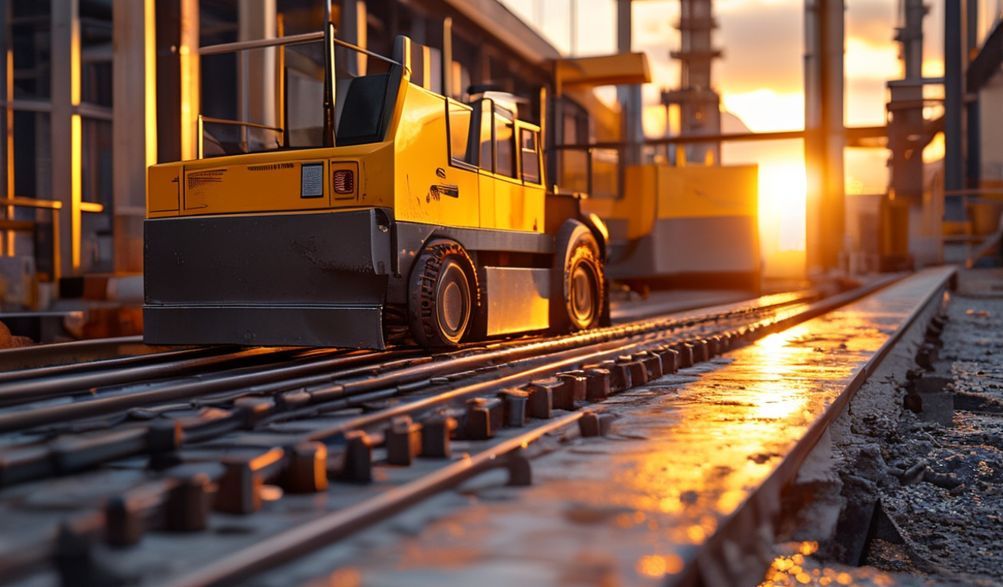
Block Laying Machine Price: A Complete 2026 Buyer’s Guide & Cost Analysis
Calculating the final cost of a construction project is complex, but few variables cause as much uncertainty as the price of major equipment. For builders, contractors, and block manufacturers, the “block laying machine price” is often the biggest question mark in the budget. Is it $15,000 or $150,000? The answer, frustratingly, is “it depends,” turning what should be a strategic investment into a budgeting headache.
This guide is designed to eliminate that uncertainty. As senior industry analysts, we’ve synthesized current market data, manufacturer specifications, and real-world operational insights to create an authoritative, unbiased resource. We won’t just list prices; we’ll dissect the factors that create them. You will gain a clear understanding of cost drivers, accurate 2026 price ranges for every machine type, awareness of hidden expenses, and a practical framework for calculating your Return on Investment (ROI). By the end, you’ll be equipped to make a confident, informed purchase decision that aligns with your business goals.
We’ll start by exploring the core engineering and market factors that determine cost, then provide specific price brackets for different machine classes. Finally, we’ll walk you through a strategic buyer’s checklist to ensure you get the best long-term value for your investment.
Understanding What Drives Block Laying Machine Costs
The price tag on a block laying machine is not arbitrary. It is a direct reflection of its engineering, capabilities, and the ecosystem that supports it. Understanding these drivers is the first step to making a smart purchase. Think of it as buying a vehicle: a compact car, a heavy-duty truck, and a Formula 1 racer all serve different purposes and carry vastly different price points due to their components and performance.
ข้อมูลจำเพาะและความสามารถหลักของเครื่อง
These are the fundamental, non-negotiable factors that have the most significant impact on the base price.
- Production Output (Blocks/Hour/Day): This is the primary driver. A machine designed to produce 800 blocks per hour requires a more powerful vibration system, a heavier-duty frame, faster hydraulic cycles, and more robust automation than one rated for 200 blocks per hour. Higher output equals higher cost.
- ระดับการทำงานอัตโนมัติ This spectrum defines labor requirements and price.
- คู่มือ/กึ่งอัตโนมัติ Operators handle raw material feeding and block removal. The machine may automate vibration and compression. Lowest upfront cost, highest ongoing labor cost.
- อัตโนมัติเต็มรูปแบบ: Integrated conveyors, automatic feeders, and stackers handle most of the process. Requires minimal labor for monitoring and pallet handling. Higher price, but significant labor savings.
- Robotic Systems: Advanced, programmable arms or gantry systems that place blocks directly onto a construction bed or pallet with precision. These represent the peak of automation and price.
- Block Type & Size Versatility: A machine that produces only standard 8x8x16-inch concrete blocks is less complex than a “multi-format” machine that can switch between blocks, pavers, curbstones, and hollow blocks. Each additional mold type and the mechanism to handle different sizes (like adjustable mold boxes) adds complexity and cost. In our experience, the upfront savings on a single-format machine can be quickly erased if you later need to outsource specialty block production.
- แหล่งพลังงาน The choice between electric, diesel, or hybrid models affects both initial and operational costs.
- ไฟฟ้า Common for stationary plant-based machines. Quieter, cleaner, but requires robust three-phase power infrastructure.
- ดีเซล Offers mobility and independence from grid power, ideal for remote sites. Higher fuel costs and maintenance.
- ไฮบริด: Provides flexibility but involves more complex systems.
Brand Reputation & Manufacturing Origin
The name on the machine and where it’s built carry significant weight in pricing and long-term value.
- Premium Global Brands vs. Value-Oriented Manufacturers: Established brands from Europe or North America invest heavily in R&D, use higher-grade materials (like hardened steel for molds), and have rigorous quality control. You pay for proven durability, precision, and extensive after-sales support. Value-oriented manufacturers, often from certain Asian markets, offer competitive entry prices by optimizing designs and sourcing locally. The trade-off can be in long-term part availability or the need for more frequent maintenance.
- Import Duties & Logistics: The “landed cost” is crucial. A machine manufactured overseas may have a lower FOB (Free On Board) price, but by the time you add shipping, insurance, import tariffs, and local agent fees, the final cost can increase by 15-30%. Always request ซีไอเอฟ (ค่าสินค้า, ประกันภัย, และค่าระวาง) or local delivery quotes for accurate comparison.
The Total Cost of Ownership (TCO) Beyond the Sticker Price
The invoice price is just the beginning. A trustworthy assessment requires evaluating the total cost of ownership over 5-10 years.
- การติดตั้งและการตั้งค่า: A large stationary machine may require a leveled, reinforced concrete foundation, professional electrical hookup, and calibration by a factory technician—all at an additional cost.
- การบำรุงรักษาและอะไหล่ Regular maintenance is non-negotiable. Factor in costs for:
- ชิ้นส่วนที่สึกหรอ Liners, mixer blades, conveyor belts.
- ระบบไฮดรอลิก Fluid, filters, and seals.
- เชื้อรา: The most critical consumable. A high-quality mold for a standard block can cost $1,500-$3,000, while specialty molds are far more. A cheap machine may come with inferior molds that wear out quickly, negating the initial savings.
- การใช้พลังงาน A fully automatic machine with multiple motors and hydraulic pumps will have a higher continuous energy draw. Calculate the daily kWh consumption against your local utility rates.
- Labor Cost Impact: This is where ROI is realized. A semi-automatic machine might require 3-4 operators, while a fully automatic system might need only 1-2. The “savings” from the machine is the reduction in your annual labor payroll for laying tasks.
2026 Market Price Ranges for Different Machine Types
Based on current market trajectory and industry analysis, here are the projected price brackets for 2026. These ranges account for standard configurations from a mix of global and value-oriented brands and are intended as a strategic guide.
Entry-Level & Manual/Semi-Automatic Machines
- ช่วงราคา: $5,000 – $25,000
- กรณีการใช้งานที่เหมาะสม: Ideal for small builders, startups, specialty block producers with low volume needs, or businesses testing a new market. They are also common for producing specific non-standard blocks where full automation isn’t justified.
- ข้อดีและข้อเสีย:
- ข้อดี: Very low capital investment, simpler operation and maintenance, easier to move or reconfigure.
- ข้อเสีย High labor dependency limits output and increases long-term payroll costs. Production consistency can vary with operator skill. Lowest output capacity (typically 200-800 blocks per hour).
Standard Fully-Automatic Stationary Machines
- ช่วงราคา: $30,000 – $100,000
- กรณีการใช้งานที่เหมาะสม: The workhorse for established block yards, masonry suppliers, and contractors undertaking large, sustained projects. Designed for single-shift or continuous production of common block types.
- ข้อดีและข้อเสีย:
- ข้อดี: Excellent balance of output, automation, and cost. Can significantly reduce labor crew size. Consistent, high-quality output (1,000 – 2,500+ blocks per hour). Better ROI for medium-to-high volume operations.
- ข้อเสีย Requires proper site infrastructure (space, power, foundation). Higher complexity demands basic technical knowledge for troubleshooting. Initial investment is substantial.
High-Capacity & Robotic Block Laying Systems
- ช่วงราคา: $100,000 – $300,000+
- กรณีการใช้งานที่เหมาะสม: Large-scale precast concrete plants, major infrastructure projects, and manufacturers focused on maximizing throughput with minimal labor. Robotic layers are used in advanced prefabrication settings where blocks are laid directly into wall assemblies.
- ข้อดีและข้อเสีย:
- ข้อดี: Maximum production output (3,000+ blocks per hour) and labor savings. Robotic systems offer unparalleled precision and flexibility for complex patterns. They represent the peak of efficiency for the right operation.
- ข้อเสีย Very high capital investment. Requires highly skilled technicians for programming and maintenance. May have longer setup and integration times. Overkill for standard block production needs.
How to Get the Best Value: A Strategic Buyer’s Checklist
Moving from price to value requires a disciplined evaluation process. This checklist, drawn from industry procurement best practices, will guide you.
Conducting a Needs Analysis for Your Business
Before looking at a single brochure, answer these questions:
* Projected Annual Block Requirement: Calculate your current and 5-year projected need in blocks. Don’t buy for peak demand you’ll see once; buy for consistent, sustainable production.
* Available Space & Infrastructure: Do you have a dedicated, covered space with a level, reinforced concrete floor? Is three-phase electrical power available? What are the access points for raw material delivery and finished block removal?
* Available Skilled Labor: Do you have (or can you train) an operator with basic mechanical/electrical aptitude? For advanced systems, factor in the cost and availability of specialized technicians.
Evaluating Suppliers & Quotes
When quotes arrive, compare them on these criteria beyond price:
* คำถามสำคัญที่ควรถาม:
* “What is included in the warranty (parts, labor, on-site service) and for how long?”
* “Is there a local service agent or trained technician within a 4-hour response time?”
* “Do you provide comprehensive operator and maintenance training?”
* “What is the lead time and cost for the most common spare parts (list them)?”
* The Importance of References and Site Visits: Request contact information for 2-3 customers who have used the same model for over a year. If possible, visit a working installation to see the machine in action, hear it run, and speak directly to the operators about its performance and issues.
Financing, Leasing, and ROI Calculation
- Acquisition Options: An outright purchase is straightforward, but financing or leasing can preserve capital. Operating leases can be beneficial for staying technologically current.
- Simple ROI Framework: Use this to justify the investment.
- Annual Labor Savings: (Reduction in crew size) x (annual wage & benefits per worker).
- Annual Production Value Increase: (Increased hourly output) x (operating hours/year) x (profit margin per block).
- Annual Costs: Loan/lease payments + estimated maintenance + increased energy costs.
- Simple ROI: (Annual Savings + Increased Value – Annual Costs) / Total Investment.
If this number shows a payback period within your target window (e.g., 3-5 years), the investment is sound.
Frequently Asked Questions (FAQ) on Block Laying Machine Prices
FAQ 1: “What is the cheapest block laying machine available?”
The most affordable options are typically small, manual static presses or very basic semi-automatic egg-laying machines, which can start around $3,000-$5,000. However, it’s critical to balance this low cost against their limitations: very low production rates (often under 500 blocks per day), high physical labor requirements, and limited durability. They are only suitable for the smallest, most intermittent projects.
FAQ 2: “Are used block laying machines a good option to save money?”
Potentially, yes, but caution is paramount. A well-maintained used machine from a reputable brand can offer excellent value. Key checks include: a full service history, inspection of critical components (hydraulic cylinders for leaks, mold integrity, vibration table bearings), and verification that spare parts are still available from the manufacturer. Always insist on seeing it under power and producing blocks before purchase.
FAQ 3: “Besides the machine price, what are the biggest ongoing costs?”
The three largest recurring costs are: 1) Mold Replacement: High-wear items that directly affect block quality. 2) Hydraulic System Maintenance: Fluid, filters, and pump/valve servicing. 3) การใช้พลังงาน For electric models, this is a fixed operational cost. Budgeting for these from the start prevents unpleasant surprises.
FAQ 4: “How much can a block laying machine save me on labor costs?”
It depends on the automation level. A semi-automatic machine may reduce a 4-person laying crew to 3. A fully automatic system might allow 1-2 people to manage production that previously required 4-5. To calculate, determine your current annual labor cost for block laying, estimate the reduced crew size with the new machine, and subtract the new annual labor cost. The difference is your annual labor savings—a key figure for your ROI calculation.
สรุป
Ultimately, the “block laying machine price” is merely the entry point to a more important conversation about value and strategic investment. The right machine is not the cheapest or the most expensive; it is the one whose capabilities—output, automation, and versatility—precisely match your business’s production needs and growth trajectory. By focusing on the Total Cost of Ownership and a rigorous ROI analysis, you shift from being a price-sensitive buyer to a value-driven investor.
Invest the time upfront in a thorough needs analysis and supplier vetting process. The machine you choose will be a core capital asset, impacting your productivity, product quality, and profitability for a decade or more. Let this guide be your first step toward making that decision with confidence.
Ready to specify your requirements? Use the strategic checklist in Section 3 to prepare your own needs document before contacting suppliers for detailed, comparable quotes.
<