
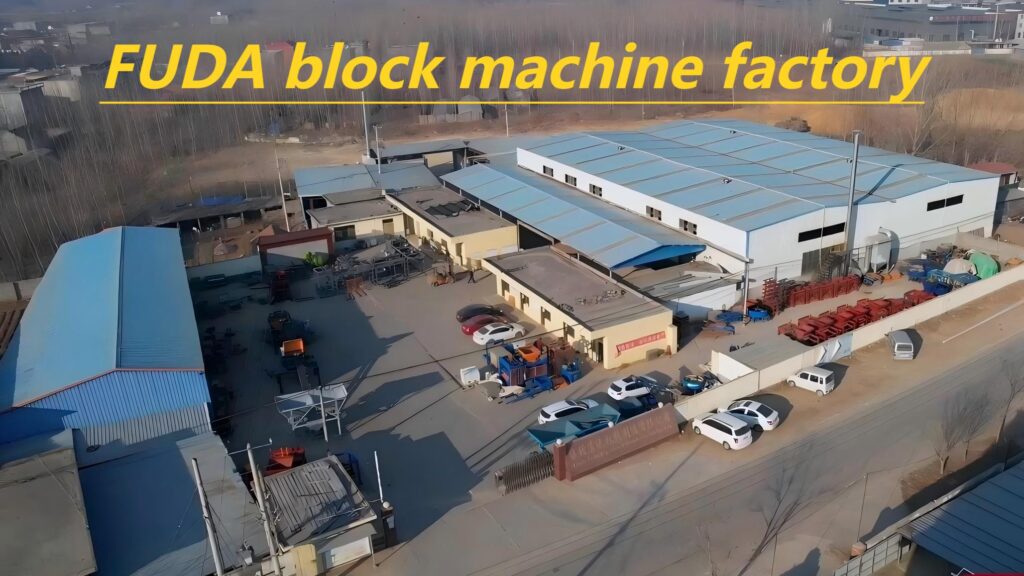
วิศวกรรมขั้นสูงและกระบวนการผลิตแบบบูรณาการ
รากฐานของซัพพลายเออร์เครื่องจักรที่เชื่อถือได้อยู่ที่ความมุ่งมั่นในการผลิตแบบบูรณาการและการพัฒนาวิศวกรรมอย่างต่อเนื่อง โรงงานชั้นนำได้พัฒนาจากโรงงานประกอบพื้นฐานไปสู่ศูนย์การผลิตที่ทันสมัย ซึ่งการออกแบบ การผลิต และการควบคุมคุณภาพเชื่อมโยงกันอย่างราบรื่น
- ความสามารถในการวิจัยและพัฒนาภายในองค์กรและการสร้างต้นแบบแยกแยะระหว่างผู้ผลิตที่เพียงลอกเลียนแบบดีไซน์ที่มีอยู่แล้ว กับผู้ที่ลงทุนในการวิจัยและพัฒนาอย่างแท้จริง ผู้จัดส่งที่มีวิสัยทัศน์ก้าวหน้าจะมีแผนกวิจัยและพัฒนาที่มุ่งเน้นนวัตกรรมในด้านต่างๆ เช่น ประสิทธิภาพของระบบไฮดรอลิก กลศาสตร์การสั่นสะเทือนสำหรับการอัดแน่นที่เหมาะสมที่สุด และการบูรณาการหลักการอุตสาหกรรม 4.0 ความสามารถในการพัฒนาและทดสอบต้นแบบภายในองค์กรแสดงถึงความมุ่งมั่นในการพัฒนาผลิตภัณฑ์และการสร้างโซลูชันแบบเฉพาะทาง
- โครงสร้างพื้นฐานการผลิตแม่นยำคุณภาพของเครื่องผลิตบล็อกถูกกำหนดด้วยความแม่นยำของส่วนประกอบต่างๆ ผู้ผลิตชั้นนำดำเนินการในโรงงานขนาดใหญ่ที่ติดตั้งศูนย์เครื่องจักรซีเอ็นซี (CNC) ระบบตัดเลเซอร์ และสถานีเชื่อมแบบอัตโนมัติ โครงสร้างพื้นฐานนี้รับประกันว่าส่วนประกอบสำคัญ—ตั้งแต่โครงสร้างหลักไปจนถึงกล่องแม่พิมพ์—ถูกผลิตขึ้นด้วยความแม่นยำระดับไมครอน ซึ่งรับประกันการจัดเรียงที่สมบูรณ์แบบ ความทนทาน และคุณภาพผลิตภัณฑ์ที่สม่ำเสมอสำหรับผู้ใช้ปลายทาง
- โปรโตคอลการประกันคุณภาพแบบครบวงจรระบบการจัดการคุณภาพที่แข็งแกร่งเป็นสิ่งที่ขาดไม่ได้ กระบวนการนี้เริ่มต้นจากวัตถุดิบที่ได้รับการรับรองและครอบคลุมทุกขั้นตอนการผลิต ซึ่งรวมถึงการตรวจสอบระหว่างกระบวนการ การทดสอบแบบไม่ทำลายสำหรับรอยเชื่อมที่สำคัญ และการทดสอบขั้นสุดท้ายของการประกอบอย่างครอบคลุม ซัพพลายเออร์ที่เชื่อถือได้มากที่สุดจะทำการทดสอบประสิทธิภาพเต็มวงจรด้วยส่วนผสมคอนกรีตจริง โดยผลิตบล็อกตัวอย่างเพื่อทดสอบความแม่นยำด้านมิติและความทนทานต่อแรงอัด ซึ่งให้หลักฐานที่สามารถตรวจสอบได้เกี่ยวกับประสิทธิภาพของเครื่องจักร
ความลึกของพอร์ตโฟลิโอผลิตภัณฑ์และความเชี่ยวชาญในการปรับแต่ง
ความสามารถในการให้บริการตลาดโลกที่หลากหลายเป็นตัวบ่งชี้สำคัญถึงความยืดหยุ่นและความแข็งแกร่งทางเทคนิคของซัพพลายเออร์
- ช่วงของเครื่องจักรการผลิตซัพพลายเออร์ที่ครอบคลุมเสนอเครื่องจักรหลากหลายประเภท ตั้งแต่รุ่นที่ใช้มือและกึ่งอัตโนมัติสำหรับตลาดเกิดใหม่หรือผลิตภัณฑ์เฉพาะทาง ไปจนถึงสายการผลิตแบบอัตโนมัติเต็มรูปแบบที่มีระบบจัดการด้วยหุ่นยนต์สำหรับโรงงานอุตสาหกรรมขนาดใหญ่ ซึ่งช่วยให้ผู้จัดจำหน่ายสามารถตอบโจทย์หลายส่วนตลาดได้ด้วยพันธมิตรที่เชื่อถือได้เพียงรายเดียว
- การออกแบบแบบแยกส่วนและการปรับแต่งในขณะที่โมเดลมาตรฐานมีความสำคัญ แต่ความสามารถในการปรับแต่งเองต่างหากที่สร้างคุณค่าอย่างมีนัยสำคัญ ผู้ผลิตที่ทันสมัยใช้ปรัชญาการออกแบบแบบโมดูลาร์ ซึ่งช่วยให้สามารถปรับแต่งได้อย่างมีประสิทธิภาพ เช่น การกำหนดค่าจักรกลสำหรับขนาดบล็อกเฉพาะ วัสดุดิบเฉพาะ (เช่น เถ้าลอย, ตะกรัน) หรือการผนวกระบบการหมุนเวียนพาเลทและการบ่มคอนกรีตที่เฉพาะเจาะจง โดยไม่จำเป็นต้องมีการออกแบบใหม่ตั้งแต่ต้นซึ่งมีค่าใช้จ่ายสูงเกินไป
- อุปกรณ์เสริมและสนับสนุนพันธมิตรที่มีคุณค่าที่สุดจะมอบโซลูชันแบบครบวงจรพร้อมใช้งาน ซึ่งรวมถึงการจัดหาไม่เพียงแต่เครื่องผลิตบล็อคหลักเท่านั้น แต่ยังรวมถึงระบบนิเวศสนับสนุนทั้งหมด: โรงงานผสมคอนกรีตอัตโนมัติ ระบบเครื่องผสม เครื่องสแต็คบล็อค และอุปกรณ์จัดการพาเลท แนวทางแบบบูรณาการนี้รับประกันความเข้ากันได้ระหว่างส่วนประกอบทั้งหมด และทำให้กระบวนการจัดซื้อสำหรับผู้จัดจำหน่ายและลูกค้าปลายทางง่ายขึ้น
ข้อเสนอคุณค่าทางกลยุทธ์และพลวัตของความร่วมมือ
ข้อได้เปรียบทางเศรษฐกิจและความสามารถในการแข่งขันทางการตลาด
การจัดหาจากศูนย์กลางการผลิตชั้นนำเสนอข้อได้เปรียบทางเศรษฐกิจที่แข็งแกร่ง หากสามารถรักษาคุณภาพไว้ได้
- เศรษฐศาสตร์การผลิตที่เอื้ออำนวยการเข้าถึงห่วงโซ่อุปทานอุตสาหกรรมที่ครบวงจรสำหรับชิ้นส่วนต่างๆ เช่น เหล็ก ไฮดรอลิกส์ และอิเล็กทรอนิกส์ มักส่งผลให้ได้เปรียบด้านต้นทุนอย่างมากโดยไม่ต้องลดทอนคุณภาพ ซึ่งช่วยให้ผู้จัดจำหน่ายสามารถนำเสนอโซลูชันมูลค่าสูงในราคาที่แข่งขันได้ ปรับปรุงโครงสร้างกำไรและความสามารถในการแข่งขันในตลาด
- ความสามารถในการปรับขยายและกำลังการผลิตผู้ผลิตขนาดใหญ่มีพื้นที่การผลิตและกำลังคนที่เพียงพอในการจัดการคำสั่งซื้อปริมาณมากและรองรับความต้องการที่เพิ่มขึ้นอย่างฉับพลัน ความสามารถในการปรับขนาดนี้มีความสำคัญอย่างยิ่งสำหรับผู้จัดจำหน่ายที่กำลังขยายธุรกิจของตนเองหรือผู้ที่ต้องดำเนินโครงการขนาดใหญ่ที่มีกำหนดเวลาจำกัดให้แก่ลูกค้า
- Access to Innovation and Evolving Technology: Being plugged into a dense manufacturing ecosystem often means suppliers are rapidly aware of new technological trends and component availabilities. Partners who engage deeply with this ecosystem can gain early access to innovations in control systems, energy-efficient drives, and new material handling techniques.
Building a Collaborative Partnership Framework
The goal is to transition from a buyer-supplier relationship to a strategic alliance.
- Technical Support and Knowledge Transfer: The partnership must include a commitment to ongoing technical support. This encompasses detailed training for the distributor’s service engineers, access to comprehensive technical documentation (schematics, parts manuals, PLC code), and direct channels of communication with the factory’s engineering team for complex troubleshooting.
- Co-Branding and Market Development: For established distributors, exploring co-branding opportunities or collaborative marketing efforts can be beneficial. The manufacturer can act as a silent production partner while the distributor builds its brand equity in its local market, supported by a reliable and high-quality product.
- Long-Term Product Development Roadmaps: A truly strategic partner will share insights into their future product development plans. This allows distributors to anticipate new market offerings, plan their inventory and marketing strategies accordingly, and provide valuable feedback from the field to influence future machine designs.
Navigating Challenges and Implementing Rigorous Due Diligence
Mitigating Supply Chain and Operational Risks
A proactive approach to risk management is essential for a smooth and reliable supply chain.
- Logistics and Supply Chain Management: Navigating international shipping, customs clearance, and final delivery requires expertise. Distributors should seek suppliers with a proven track record of exporting globally, who can provide clear Incoterms and assist with logistics coordination to ensure machines arrive on schedule and in perfect condition.
- Intellectual Property and Quality Consistency: Protecting proprietary designs or customizations is a legitimate concern. Contracts must include clear IP protection clauses. Furthermore, maintaining consistent quality across production batches is critical. Regular factory audits, either in-person or virtual, and strict adherence to agreed-upon technical specifications are necessary to prevent quality drift over time.
- Cultural and Communication Bridges: Differences in language and business culture can lead to misunderstandings. Establishing clear communication protocols with a dedicated, multilingual account manager is vital. Utilizing collaborative online platforms for order tracking, document sharing, and issue resolution can streamline communication and create a transparent record.
The Comprehensive Supplier Evaluation Matrix
Selecting the right partner requires a multi-faceted due diligence process.
- Factory Audit and Physical Inspection: Whenever possible, a physical visit to the manufacturing facility is invaluable. It allows for a firsthand assessment of the production environment, quality control checks, and the company’s operational culture. Key areas to scrutinize include the organization of the production floor, the maintenance of machinery, and the storage and handling of components.
- Financial Stability and Business Longevity: Assessing the financial health of a potential partner is crucial. A financially stable company is more likely to honor warranties, invest in future R&D, and provide long-term support. This can often be verified through third-party business credit reports.
- Client References and Market Reputation: Requesting and contacting client references from similar markets or regions is a critical step. Inquire specifically about machine reliability, the supplier’s responsiveness to service requests, the accuracy of their documentation, and their adherence to delivery schedules. Independent verification of a supplier’s claims is a powerful risk mitigation tool.
สรุป
Strategic sourcing from a specialized manufacturing hub for brick and block machinery is a complex but highly rewarding endeavor that can define a distributor’s trajectory for a decade or more. The decision transcends initial purchase price, encompassing a holistic evaluation of engineering capability, production quality, and the potential for a true strategic partnership. By conducting thorough due diligence, establishing clear communication channels and legal frameworks, and focusing on the total cost of ownership and long-term support, B2B professionals can unlock a powerful source of competitive advantage. The most successful partnerships are those built on a foundation of mutual respect, transparent communication, and a shared commitment to delivering exceptional value to the end-user. In an increasingly competitive global market, the depth and resilience of your manufacturing partnerships are not just an operational detail, but a core strategic asset.
คำถามที่พบบ่อย (FAQ)
Q1: What is the typical process for a factory audit, and what are the key red flags?
ก A comprehensive audit involves reviewing production workflows, quality control records, and interviewing technical staff. Key red flags include: a disorganized or unclean workshop; a lack of calibrated measuring equipment; an inability to provide material certificates for steel or components; no formal process for final machine testing; and an unwillingness to share client references or allow visits to completed installations.
Q2: How are warranty and after-sales support typically handled from an international supplier?
ก A standard warranty usually covers defects in materials and workmanship for a defined period, often 12 months. Support is typically provided remotely at first, via video calls and direct communication with engineers. For critical issues, the supplier is expected to dispatch an engineer, with costs negotiated as per the contract terms. The clarity of the warranty policy and the supplier’s promptness in responding to initial inquiries are strong indicators of their future support quality.
Q3: What are the standard payment terms, and how can we ensure financial security?
ก Terms are often negotiated but commonly involve a deposit (e.g., 30-50%) with order confirmation, balance payment before shipment, or against copies of shipping documents. For large orders, a Letter of Credit (LC) is a common and secure instrument that protects both parties. It ensures payment is released to the supplier only after proof of shipment is provided.
Q4: Can suppliers provide machines that comply with specific international standards (e.g., CE, ISO)?
ก Reputable and experienced suppliers often have models that are CE certified, indicating compliance with European health, safety, and environmental standards. They should be able to provide the necessary documentation and certification. For other specific national standards, this must be explicitly discussed during the negotiation phase, as it may require specific modifications and testing.
Q5: What is the lead time for a standard machine versus a fully customized production line?
ก Lead times vary significantly. A standard model from a supplier’s existing product line may have a lead time of 4-8 weeks. A heavily customized machine or a complete turnkey plant requires detailed engineering, procurement of special components, and extended assembly time, leading to lead times of 4 to 6 months. A reliable supplier will provide a detailed production and delivery schedule upon order confirmation.
