
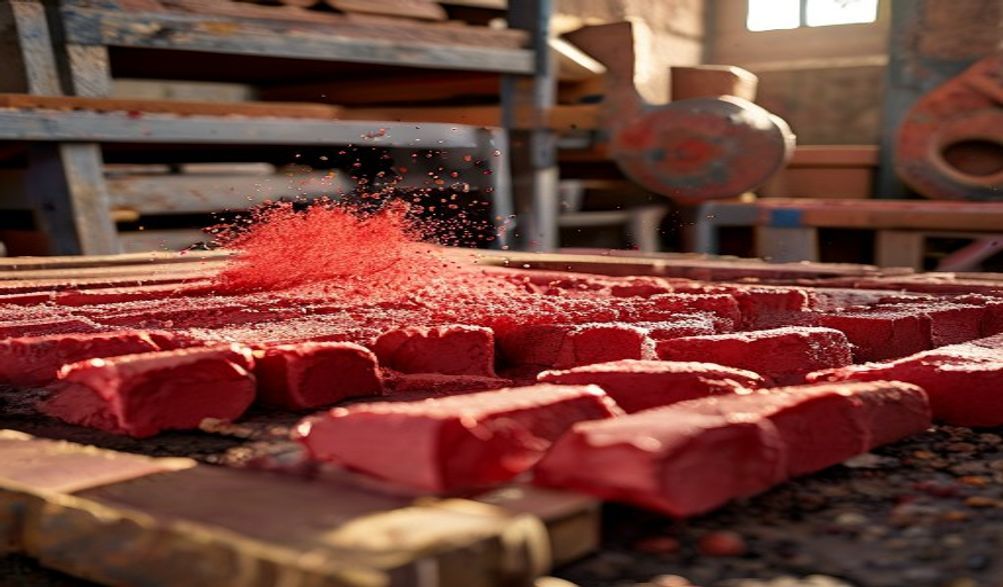
วิธีการเลือกเครื่องทำอิฐดินเผาขนาดเล็ก: คู่มือผู้ซื้อปี 2026
บทนำ
การเปลี่ยนแปลงระดับโลกสู่การใช้วัสดุก่อสร้างที่ยั่งยืนและหาได้ในท้องถิ่นไม่ใช่แค่กระแส แต่เป็นการปฏิวัติ หัวใจของขบวนการนี้คืออิฐดินเหนียวที่เรียบง่าย ซึ่งเป็นวัสดุที่อยู่เหนือกาลเวลา ทนทาน และเป็นมิตรกับสิ่งแวดล้อม สำหรับผู้ประกอบการ ผู้พัฒนาชุมชน และผู้สร้างแบบทำเอง การผลิตอิฐดินเหนียวในระดับขนาดเล็กนำเสนอโอกาสที่ทรงพลัง มันช่วยเสริมสร้างความพึ่งพาตนเอง สร้างงานในท้องถิ่น และลดต้นทุนการก่อสร้าง
อย่างไรก็ตาม สะพานเชื่อมระหว่างความคิดที่ยอดเยี่ยมกับธุรกิจที่ประสบความสำเร็จมักคืออุปกรณ์ที่เหมาะสม การเลือกเครื่องจักรทำอิฐดินเผาขนาดเล็กที่ไม่ถูกต้องอาจนำไปสู่วงจรที่ทำให้เสียเงินทุน ผลผลิตที่ไม่สม่ำเสมอ และผลิตภัณฑ์ที่ไม่ได้มาตรฐานซึ่งไม่ผ่านเกณฑ์พื้นฐานในการก่อสร้าง
คู่มือฉบับสมบูรณ์นี้ถูกออกแบบมาเพื่อเป็นแผนที่นำทางของคุณ โดยรวบรวมจากข้อมูลจำเพาะจากผู้ผลิตอย่างละเอียด ข้อมูลเชิงลึกจากผู้เชี่ยวชาญในอุตสาหกรรม และประสบการณ์จริงจากผู้ใช้งาน มันจะนำคุณผ่านทุกปัจจัยสำคัญที่ต้องพิจารณา เราจะทำให้กระบวนการนี้เข้าใจง่าย ช่วยคุณนำทางตั้งแต่การประเมินความต้องการของตนเองไปจนถึงการประเมินประเภทเครื่องจักร คุณสมบัติ และซัพพลายเออร์ เมื่อจบการอ่าน คุณจะมีความรู้ที่สามารถลงทุนอย่างมั่นใจและรอบคอบ ซึ่งสอดคล้องกับขนาดและเป้าหมายของโครงการของคุณอย่างสมบูรณ์แบบ มาสร้างรากฐานที่มั่นคงเพื่อความสำเร็จของคุณกันเถอะ
ทำความเข้าใจความต้องการและเป้าหมายการผลิตของคุณ
ก่อนที่คุณจะดูโบรชัวร์เครื่องจักรแม้แต่แผ่นเดียว คุณต้องมองเข้าไปข้างใน การกำหนดขอบเขตของโปรเจกต์ของคุณเป็นขั้นตอนที่สำคัญที่สุดในวิธีการเลือกเครื่องจักรทำอิฐดินเผาขนาดเล็กการประเมินตนเองนี้ช่วยให้มั่นใจว่าการลงทุนของคุณสนับสนุนความทะเยอทะยานของคุณโดยตรง
ขนาดโครงการและข้อกำหนดผลผลิตประจำวัน
เริ่มต้นด้วยการประเมินความต้องการของคุณอย่างเป็นจริงทั้งในโครงการปัจจุบันและโอกาสในการเติบโตในอนาคต
- คำถามสำคัญที่ควรถาม:
- 这是用于单户住宅建设、小型商业运营,还是社区住房项目?
- คุณต้องการอิฐกี่ก้อนต่อวัน ต่อสัปดาห์ หรือต่อเดือน?
- จำนวนแรงงานที่คุณมีอยู่เท่าไหร่
- ช่วงเอาต์พุตคำว่า “เล็ก” ครอบคลุมขอบเขตที่กว้าง โดยทั่วไป เครื่องจักรผลิตอิฐดินเผาขนาดเล็กจะผลิตได้ระหว่าง500 ถึง 5,000 ก้อนต่อกะมาตรฐาน 8 ชั่วโมงเครื่องจักรแบบแมนนวลอาจอยู่ในช่วงราคาที่ต่ำกว่า ในขณะที่เครื่องกึ่งอัตโนมัติที่มีประสิทธิภาพสูงสามารถมีราคาสูงกว่าได้
Type of Bricks and Specifications
Not all bricks are created equal. The machine you choose must be capable of producing the specific brick type your project demands.
- ประเภทของอิฐทั่วไป:
- อิฐทึบ: Standard building blocks for walls.
- อิฐบล็อกกลวง Lighter, provide better insulation, and use less raw material.
- อิฐประสาน: Designed to lock together without mortar, ideal for quick construction and erosion control walls.
- อิฐปูพื้นหนาแน่นขึ้น สำหรับทางรถเข้าบ้าน ทางเดิน และลานบ้าน
- Critical Specs: Determine the required final dimensions (length, width, height), compressive strength (for load-bearing walls), and surface finish. Your machine’s mold and pressing force must be suited to these specifications.
Raw Material (Clay) Assessment
Your local clay is not just dirt; it’s your primary raw material. Its characteristics profoundly influence your machine choice and production process.
- ทดสอบดินเหนียวของคุณ Assess its plasticity (how well it holds shape), shrinkage rate, and composition. The presence of stones, sand, or organic matter matters.
- ผลกระทบของเครื่องจักร Poor-quality or lumpy clay may require you to budget for auxiliary equipment ก่อน the brick press, such as:
- A clay crusher to break down hard lumps.
- A pug mill to mix clay with water (and other additives like sand or ash) to achieve a perfectly homogeneous, consistent consistency.
Types of Small Clay Brick Making Machines
Now that you know your needs, let’s explore the three main categories of machines. Understanding their core differences is key to matching technology with your operational reality.
เครื่องทำอิฐแบบใช้มือ
These are the simplest and most fundamental brick presses, operated entirely by human force via a lever.
- ข้อดี:
- ราคาต่ำสุด: Minimal initial investment.
- การพึ่งพาพลังงานเป็นศูนย์ Perfect for remote sites with no electricity.
- การดำเนินงานและบำรุงรักษาอย่างง่าย Easy to learn and repair.
- ข้อเสีย
- High Labor Intensity: Physically demanding, leading to operator fatigue.
- ผลผลิตต่ำ Production is limited by human speed and stamina.
- คุณภาพไม่คงที่ Brick density and shape can vary with the operator’s effort.
- เหมาะที่สุดสำหรับ: Very small personal projects, ultra-low-budget startups, NGOs in off-grid locations, and as a supplementary proof-of-concept tool.
เครื่องทำอิฐกึ่งอัตโนมัติ
This category strikes an optimal balance for many small businesses. They use an electric or diesel engine to power the pressing mechanism, automating the most labor-intensive part of the process.
- ข้อดี:
- Improved Output & Consistency: Significantly faster than manual machines with uniform brick quality.
- ลดการใช้แรงงาน Operators mainly feed clay and remove finished bricks, reducing fatigue.
- Good Value: Offers a middle ground in price and productivity.
- ข้อเสีย
- ต้องใช้ไฟฟ้า Needs a reliable electricity supply or fuel for a diesel engine.
- ต้นทุนเริ่มต้นที่สูง More expensive than manual options.
- เหมาะที่สุดสำหรับ: Small to medium-sized businesses aiming for steady, commercial production. Ideal for entrepreneurs who have validated demand and are ready to scale.
Fully Automatic Small Plants
These are integrated production systems. They often include a feeder, conveyor, press, and stacker, automating multiple steps in the sequence.
- ข้อดี:
- Highest Output: Can produce large volumes with minimal manual intervention.
- ความสม่ำเสมอที่เหนือกว่า Computer or PLC-controlled for precise, identical bricks.
- Integrated Process: Combines mixing, molding, and stacking into one flow.
- ข้อเสีย
- Significant Investment: The highest purchase price.
- โครงสร้างพื้นฐานที่ซับซ้อน Requires stable, high-capacity power, more space, and skilled maintenance.
- ความรู้ทางเทคนิคขั้นสูงที่จำเป็น Operation and troubleshooting are more complex.
- เหมาะที่สุดสำหรับ: Established small businesses with confirmed, high-volume contracts. Suitable for operations where labor costs are high and production continuity is critical.
Key Machine Features and Components to Evaluate
Once you’ve narrowed down the machine type, dive into the specifics. These features determine daily performance, brick quality, and the machine’s lifespan.
Core Mechanism: Molding System
This is the heart of the machine where clay becomes a brick.
- Mold Types: Look for machines with interchangeable molds. This allows you to produce different brick types (solid, hollow, interlocking) with the same press, offering fantastic flexibility.
- Pressing Mechanism:
- เครื่องอัดไฮดรอลิก: Provides immense, controllable pressure. Produces very dense, strong bricks and allows for adjustable pressure settings. Generally more expensive and complex.
- Mechanical/Vibration Press: Uses a combination of vibration and mechanical force. Effective for standard bricks, often more affordable and easier to maintain.
Power Source and Consumption
Your local utilities dictate your viable options.
- มอเตอร์ไฟฟ้า: Clean, quiet, and efficient where grid power is stable. Check the voltage (e.g., 220V/380V) and power rating (kW/HP).
- เครื่องยนต์ดีเซล: Essential for remote locations. Factor in ongoing fuel costs, noise, and exhaust.
- Hybrid Options: Some machines offer the flexibility to switch between power sources. Calculate the estimated hourly running cost based on your local electricity or diesel prices.
คุณภาพการประกอบและความทนทาน
A machine is a long-term asset. Inspect its construction like you would a vehicle.
- กรอบและโครงสร้าง The main frame should be made of heavy-duty steel plate or robust channel iron—not light, welded angle iron that can warp under stress.
- Critical Components: Examine the hydraulic cylinder quality, the thickness of mold liners, and the piston’s sturdiness. These parts endure the most wear.
- การป้องกันการกัดกร่อน: Look for powder-coating or paint on all steel surfaces. This is vital for longevity, especially in humid climates.
Mobility and Space Requirements
Consider your entire worksite layout.
- มือถือเทียบกับเครื่องประจำที่: Some smaller semi-automatic models come on wheels, allowing you to move the press to different workstations or job sites.
- รอยเท้า: Measure the machine’s space needs plus the area required for operators to work safely, for raw material storage, and most importantly, for the drying yard. Freshly extruded bricks need significant space for 7-14 days of air drying before firing.
Beyond the Machine: The Total Investment
The purchase price is just the entry ticket. A smart buyer plans for the total cost of ownership (TCO).
Initial Purchase Price vs. Long-Term Value
เครื่องจักรที่ราคาถูกที่สุดมักกลายเป็นสิ่งที่แพงที่สุดในระยะยาว
- Beware of False Economy: A low-priced, poorly fabricated machine will lead to frequent breakdowns, costly downtime, low production yields, and expensive, hard-to-find spare parts.
- Value Over Price: Invest in a robust machine from a reputable maker. The higher upfront cost is amortized over years of reliable, productive service.
Operating and Maintenance Costs
Budget for the ongoing expenses to keep your operation running.
- Direct Costs: Power/fuel consumption, labor wages, and routine lubricants.
- อะไหล่: Inquire about the availability and cost of common wear parts: mold liners, hydraulic seals, vibration motors, etc. A supplier with a well-stocked parts inventory is a major advantage.
- Preventative Maintenance: Regular checks and servicing will prevent catastrophic failures. Ask for a clear maintenance schedule.
Essential Auxiliary Equipment
Rarely can you produce bricks with just a press. Factor these into your startup budget:
- การเตรียมดิน Crusher, screen, and pug mill (clay mixer).
- การจัดการวัสดุ Wheelbarrows, shovels, and water supply system.
- Curing & Drying: Drying racks, pallets, or a dedicated covered drying shed to protect bricks from rain and sun.
- ยิง For fired bricks, you’ll need a kiln (which could be a small-scale clamp kiln or a larger investment).
Vetting Suppliers and Ensuring a Smart Purchase
Your relationship with the supplier is as important as the machine itself. This step safeguards your investment.
Researching Reputable Manufacturers and Suppliers
Due diligence is non-negotiable.
- Check Credentials: How long have they been in business? Do they have a verifiable physical address and factory? Look for certifications or industry association memberships.
- Seek Reviews & References: Search for independent user reviews online. Most importantly, ask the supplier for contact information of 2-3 previous customers in your region. Call them and ask about their experience.
- Red Flags: Vague or overly optimistic specifications, refusal to provide references, no clear warranty terms, and pressure to pay with irreversible methods (like wire transfer) before any trust is established.
The Importance of After-Sales Service and Support
This is your safety net. A machine without support is a liability.
- Key Questions for the Supplier:
- ระยะเวลาการรับประกันคือเท่าใดและครอบคลุมอะไรบ้าง?
- Do you provide installation supervision or detailed installation manuals?
- Is operator training included, either on-site or at your factory?
- How is technical support handled? Phone, email, video call?
- What is the lead time for spare parts delivery?
Requesting a Demonstration or Trial
“Seeing is believing” is the golden rule.
- Visit the Factory or Showroom: If possible, see the machine in operation. Observe its build quality, noise level, and ease of operation.
- Test with Your Clay: The ultimate test is to send a sample of your local clay to the manufacturer and request a video of their machine producing bricks with it. This reveals if your material is suitable and what the final product will look like.
- Evaluate Brick Quality: Check the finished bricks for smooth edges, consistent dimensions, and structural integrity. Perform a simple drop test (a fired brick should not break when dropped from waist height).
คำถามที่พบบ่อย (FAQ)
What is the approximate price range for a good small clay brick machine?
Prices vary dramatically based on type and automation. As of 2026, expect:
* เครื่องจักรที่ใช้แรงคน $1,500 – $5,000
* เครื่องจักรกึ่งอัตโนมัติ: $8,000 – $25,000
* Fully Automatic Small Plants: $30,000 – $70,000+
Remember, these are for the press alone. Auxiliary equipment and shipping can add 30-50% to the total project cost.
Can one person operate a small brick making machine?
It depends. A manual machine can be operated by one person, but it’s strenuous. A semi-automatic machine typically needs a small team: one person to feed the hopper, another to remove and stack bricks. Fully automatic systems may only need 1-2 people to monitor the process and handle raw material/palletizing.
How important is the moisture content of the clay?
It is absolutely critical. Clay that is too dry will not bind and will crumble. Clay that is too wet will stick in the mold and deform. The optimal moisture content is usually between 12% and 18%, but this requires experimentation with your specific clay. A consistent mix is key to perfect bricks.
Do I need any special training to operate and maintain these machines?
For basic manual and semi-automatic machines, training from the supplier is usually sufficient. They will cover safe operation, daily maintenance, and basic troubleshooting. For fully automatic plants, more in-depth technical training is essential. Never operate heavy machinery without proper instruction.
Where can I find reliable suppliers near me?
Start with industry-specific B2B platforms (like TradeIndia, Made-in-China, but vet carefully), search for “brick making machine” dealers in your country, and look for exhibitors at construction or agricultural trade shows. Prioritize suppliers who have an established presence and service network in or near your region for faster support.
สรุป
Choosing the right small clay brick making machine is a strategic decision that forms the cornerstone of your project’s success. The journey is clear: begin by meticulously defining your production needs and raw material profile. Use that understanding to navigate the landscape of manual, semi-automatic, and automatic machines. Then, scrutinize the build quality, key features, and—most importantly—the total long-term investment, not just the sticker price.
Finally, partner with a reputable supplier who offers robust after-sales support, and whenever possible, validate your choice with a hands-on demonstration. By using this guide as your checklist, you move from being a hopeful buyer to an informed investor. You are not just purchasing a piece of equipment; you are investing in the productivity, quality, and sustainability of your venture for years to come. Take your time, ask the hard questions, and build your future on a solid foundation. We wish you great success in your brick-making journey.
<