
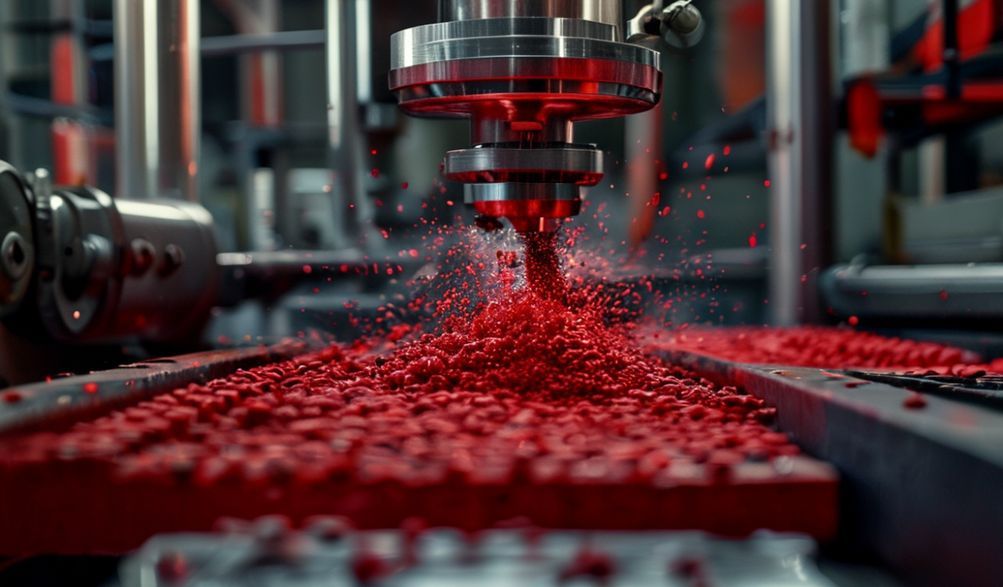
ปฏิวัติวงการก่อสร้าง: คู่มือฉบับสมบูรณ์สำหรับเครื่องอัดอิฐไฮดรอลิกจากโรงงาน FUDA
อุตสาหกรรมก่อสร้างทั่วโลกอยู่ในสภาวะวิวัฒนาการอย่างต่อเนื่อง ถูกขับเคลื่อนด้วยความต้องการที่ไม่มีที่สิ้นสุดสำหรับวัสดุก่อสร้างที่ยั่งยืน ทนทาน และมีความแข็งแรงสูง การตอบสนองความต้องการนี้ต้องการมากกว่าเพียงความทะเยอทะยาน แต่ยังต้องการความแม่นยำและพลังของเครื่องจักรสมัยใหม่ ที่ใจกลางของการปฏิวัติการก่อสร้างสมัยใหม่นี้ มีอุปกรณ์สำคัญที่ชื่อว่า เครื่องอัดอิฐไฮดรอลิก
ที่ฟูด้า ด้วยความเป็นเลิศทางวิศวกรรมกว่าสองทศวรรษที่อุทิศให้กับเครื่องจักรทำอิฐ เราได้เห็นด้วยตาตนเองว่าการอัดไฮดรอลิกที่เหมาะสมไม่เพียงแต่ผลิตอิฐได้เท่านั้น แต่ยังเปลี่ยนแปลงทั้งสายการผลิต โมเดลธุรกิจ และผลลัพธ์ของโครงการไปอย่างสิ้นเชิง เป็นเวลาช้านานที่ผู้สร้างและผู้ผลิตถูกจำกัดด้วยข้อจำกัดของวิธีการแบบดั้งเดิม: การขึ้นรูปด้วยมือนั้นช้าและใช้แรงงานมาก ในขณะที่เครื่องอัดกลไกแบบเก่ามักให้คุณภาพที่ไม่สม่ำเสมอพร้อมกับการสึกหรอสูง
โซลูชันที่กลายเป็นมาตรฐานในอุตสาหกรรมคือเครื่องอัดอิฐแบบไฮดรอลิก คู่มือนี้จะเจาะลึกถึงเทคโนโลยี ประโยชน์ที่เหนือชั้น การใช้งานที่หลากหลาย และข้อควรพิจารณาที่สำคัญในการเลือกเครื่องอัดที่เหมาะสม พร้อมทั้งชี้ให้เห็นว่าทำไมภูมิหลังทางวิศวกรรมและความมุ่งมั่นต่อคุณภาพจากโรงงานผลิตอิฐฟูดากำหนดมาตรฐานในสาขานี้ เมื่อจบลง คุณจะมีความเข้าใจที่ชัดเจนเกี่ยวกับวิธีการเลือกเครื่องจักรที่สามารถเพิ่มขีดความสามารถในการผลิตของคุณ ยกระดับคุณภาพผลิตภัณฑ์ และเสริมสร้างความได้เปรียบในการแข่งขันของคุณ
เครื่องอัดอิฐไฮดรอลิกคืออะไร? อธิบายเทคโนโลยีหลัก
เครื่องอัดอิฐไฮดรอลิกเป็นอุปกรณ์อุตสาหกรรมชั้นสูงที่ออกแบบมาเพื่ออัดวัสดุดิบให้กลายเป็นอิฐที่มีความหนาแน่นและสม่ำเสมอโดยใช้แรงไฮดรอลิกมหาศาล ซึ่งถือเป็นสุดยอดเทคโนโลยีการขึ้นรูปอิฐที่ให้ความสำคัญกับความแม่นยำ พลังงาน และความสามารถในการทำซ้ำได้เหนือกว่าวิธีการแบบเก่าที่มีความน่าเชื่อถือต่ำกว่า
หลักการทำงานพื้นฐาน: พลังและความแม่นยำ
เครื่องนี้ทำงานบนหลักการพื้นฐานของกฎของพาสคาลซึ่งระบุว่าแรงดันที่กระทำต่อของไหลที่ถูกจำกัดอยู่จะถูกส่งผ่านไปทุกทิศทางโดยไม่ลดลง ในทางปฏิบัติ:
- น้ำมันไฮดรอลิกถูกอัดความดันโดยปั๊มที่ขับเคลื่อนด้วยมอเตอร์ไฟฟ้า
- น้ำมันที่ถูกอัดความดันนี้จะถูกส่งเข้าไปในกระบอกไฮดรอลิก
- แรงที่สร้างขึ้นภายในกระบอกสูบจะถูกถ่ายโอนไปยังลูกสูบ ซึ่งจะเคลื่อนที่เข้าไปในโพรงแม่พิมพ์ที่บรรจุด้วยวัตถุดิบ
- วัสดุไม่ว่าจะเป็นดินเหนียว คอนกรีต เถ้าลอย หรือดิน จะถูกกดด้วยแรงมหาศาลภายใต้การควบคุม อัดให้ได้รูปทรงและความหนาแน่นที่แม่นยำ
วิธีนี้แตกต่างอย่างชัดเจนจากเครื่องจักรที่ใช้การสั่นสะเทือนซึ่งอาศัยการตกตะกอนและการอัดแน่นพื้นผิว หรือวิธีการแบบใช้แรงงานที่ไม่สามารถสร้างแรงกดที่สม่ำเสมอได้ ผลลัพธ์ที่ได้คืออิฐที่มีความแข็งแรงเชิงโครงสร้างเหนือกว่าตั้งแต่แกนกลางจนถึงพื้นผิว
องค์ประกอบหลักของเครื่องอัดไฮดรอลิก FUDA
ความน่าเชื่อถือของเครื่องจักรใด ๆ ขึ้นอยู่กับคุณภาพของส่วนประกอบ ณ ฟูดา เราสร้างเครื่องอัดขึ้นรูปโดยให้ความทนทานเป็นสิ่งสำคัญลำดับแรก
- ชุดแหล่งจ่ายพลังงานไฮดรอลิกหัวใจของระบบ เราใช้ปั๊ม วาล์ว และแอคคูมูเลเตอร์ที่เชื่อถือได้ เพื่อให้มั่นใจในการส่งแรงดันที่ราบรื่น สม่ำเสมอ และประหยัดพลังงาน
- กระบอกสูบ:ผลิตจากเหล็กความแข็งแรงสูงพร้อมซีลที่แม่นยำ กระบอกสูบของเราถูกสร้างมาเพื่อทนทานต่อรอบการทำงานความดันสูงได้หลายปีโดยไม่เสียหาย
- แม่พิมพ์/แม่แบบ:องค์ประกอบที่กำหนดคุณภาพของผลิตภัณฑ์ขั้นสุดท้าย แม่พิมพ์ FUDA ถูกขึ้นรูปด้วยเครื่องซีเอ็นซีจากเหล็กผสมชุบแข็ง เพื่อรับประกันขอบอิฐที่คมชัด ความแม่นยำของมิติ และความทนทานเป็นเลิศแม้ในสภาวะที่ต้องเผชิญกับการสึกหรอ
- ระบบควบคุมตัวควบคุมตรรกะแบบโปรแกรมได้ (PLC) ที่ใช้งานง่ายช่วยทำให้วงจรการผลิตเป็นระบบอัตโนมัติ โดยอนุญาตให้ปรับความดัน เวลา และลำดับขั้นตอนได้อย่างแม่นยำ เพื่อรับประกันความสม่ำเสมอของแต่ละล็อตการผลิต
- โครงสร้างเฟรมกดทั้งหมดถูกบรรจุอยู่ในโครงเหล็กเชื่อมที่มีความทนทานสูง การก่อสร้างที่แข็งแรงนี้ช่วยดูดซับแรงมหาศาลที่เกี่ยวข้อง ป้องกันการโก่งงอและรับประกันการจัดตำแหน่งและความมั่นคงในระยะยาว
วงจรการผลิต: จากวัตถุดิบสู่อิฐสำเร็จรูป
การทำความเข้าใจวงจรช่วยคลายความลึกลับเกี่ยวกับประสิทธิภาพของกระบวนการ โดยวงจรทั่วไปในเครื่องอัด FUDA แบบกึ่งอัตโนมัติหรืออัตโนมัติเต็มรูปแบบประกอบด้วย:
- การให้อาหารส่วนผสมวัตถุดิบที่เตรียมไว้จะถูกป้อนเข้าไปในกล่องแม่พิมพ์ ไม่ว่าจะด้วยวิธีการแบบใช้คนหรือผ่านระบบป้อนอัตโนมัติ
- การบีบอัดแรมไฮดรอลิกเคลื่อนตัวลงมา กดทับวัสดุภายในแม่พิมพ์ด้วยแรงดันสูงที่ตั้งค่าไว้ล่วงหน้า
- ถือครอง The pressure is maintained for a few seconds to allow for optimal material bonding and density.
- การดีดตัวออก The ram retracts, and the newly formed brick is ejected from the mold onto a pallet or conveyor.
- การจัดเรียง/การซ้อนพาเลท The finished bricks are systematically stacked for curing and transport.
Why Choose a Hydraulic Press? Unmatched Advantages for Your Business
Investing in a hydraulic brick press is a strategic decision that pays dividends across every aspect of your operation.
Superior Brick Quality and Consistency
This is the most significant advantage. The high, static pressure creates bricks with:
* ความต้านทานแรงอัดสูง Often exceeding 10-20 MPa or more, making them ideal for load-bearing structures.
* ความหนาแน่นสม่ำเสมอ No weak spots or voids, leading to better structural performance and frost resistance.
* Sharp Edges and Smooth Faces: Excellent dimensional accuracy provides a professional finish, reducing mortar use and construction time.
* การดูดซับน้ำต่ำ The dense structure minimizes water ingress, enhancing durability and longevity in all climates.
Remarkable Production Efficiency and Output
Hydraulic presses are built for continuous, high-volume production.
* High Cycle Speeds: Modern presses can produce a brick every 10-20 seconds, translating to อิฐหลายพันก้อนต่อชั่วโมง.
* การทำงานอย่างต่อเนื่อง: Designed for 24/7 shift work with minimal downtime, maximizing your return on investment (ROI).
* การบูรณาการระบบอัตโนมัติ From automatic feeding to robotic stacking, the process can be streamlined to require minimal manual intervention, slashing labor costs.
ความหลากหลายในกลุ่มผลิตภัณฑ์
One machine can become a multi-product factory with simple mold changes.
* บล็อกทึบและบล็อกกลวง For primary construction.
* ปูพื้นและอิฐบล็อคประสานสำหรับการจัดสวนและภูมิทัศน์
* Curb Stones & Specialty Shapes: For infrastructure and architectural projects.
This versatility allows you to diversify your product line and respond to market demands without major capital expenditure on new machines.
Economic and Environmental Benefits
- ลดการพึ่งพาแรงงาน Automation significantly cuts the need for a large workforce.
- Eco-Friendly Production: Hydraulic presses excel at utilizing industrial waste products like fly ash, slag, and quarry dust, turning environmental liabilities into valuable building materials.
- Minimal Raw Material Waste: Precise compression and consistent sizing ensure almost all input material is used in the final product.
Inside the FUDA Brick Making Factory: A Commitment to Excellence
Choosing a hydraulic press is also about choosing the manufacturer behind it. Our factory is where our philosophy becomes tangible machinery.
Our Engineering Philosophy: Durability Meets Innovation
We don’t just build machines to meet specifications; we over-engineer them to exceed expectations for years. Our design principles focus on:
* Longevity: Using componentry rated for higher loads and longer lifespans than the minimum requirement.
* User-Centricity: Intuitive controls, easy access for maintenance, and clear safety features.
* ประสิทธิภาพการใช้พลังงาน Optimized hydraulic circuits and motor selections that reduce power consumption without sacrificing performance.
Rigorous Quality Control and Testing Protocols
Every machine that leaves the FUDA factory is a testament to our uncompromising standards.
1. Component Inspection: Every purchased part, from seals to steel plates, is verified against our specifications.
2. Assembly Verification: Each stage of assembly is checked for torque, alignment, and weld integrity.
3. Performance Trial: The completed machine undergoes a full production run under load, simulating real-world conditions.
4. Final Brick Test: Bricks produced during the trial are tested for strength and dimension. Only after passing all checks is a machine approved for shipment.
Customization and Client-Centric Solutions
Our experience serving diverse markets from Africa to Southeast America has taught us that one size does not fit all. We specialize in customizing our presses:
* Pressure Capacity: From 100 to 1000+ tons for different brick densities.
* Mold Design: Tailored to produce bricks that meet local building codes and aesthetic preferences.
* ระดับการทำงานอัตโนมัติ Configured from semi-automatic to fully automatic lines based on your labor and investment goals.
* การปรับเปลี่ยนวัสดุ We can adjust the system design to optimally process your locally available raw materials.
Selecting the Right Hydraulic Brick Press: A Buyer’s Checklist
Navigating the purchase requires a clear assessment of your needs and the machine’s capabilities.
Assessing Your Production Needs: Capacity and Output
- Calculate your current and projected brick demand (bricks per day/month).
- Consider your project scale: Are you supplying a single development or establishing a commercial plant?
- Plan for future growth. Investing in a slightly higher capacity machine can be more economical than upgrading in two years.
ข้อกำหนดสำคัญของเครื่องจักรที่ต้องพิจารณาอย่างละเอียด
- ความดัน (ตัน): Directly correlates to brick density and strength. Higher tonnage is needed for solid concrete blocks.
- ขนาดแม่พิมพ์ Determines the final brick dimensions (e.g., 400x200x200mm for a standard hollow block).
- Power Rating: Impacts your electricity costs. Look for efficient systems.
- ระดับการทำงานอัตโนมัติ Balances initial investment with long-term labor savings and output consistency.
Beyond the Machine: The Importance of Service and Support
The machine is just the beginning. Reliable after-sales support is critical for your operational success.
* การติดตั้งและการฝึกอบรม Does the supplier provide on-site commissioning and operator training?
* การรับประกัน:ความคุ้มครองครอบคลุมอะไรบ้างและเป็นระยะเวลาเท่าใด
* ความพร้อมของอะไหล่ Is there a readily accessible inventory of wear parts?
* ฝ่ายสนับสนุนทางเทคนิค Can you get remote or on-site assistance for troubleshooting?
FUDA maintains a global network of service partners and keeps a comprehensive stock of spare parts to ensure your production line keeps running, building trust through action, not just promises.
Applications and Materials: What Can You Produce?
The hydraulic press is a remarkably adaptable technology.
Ideal Raw Materials for Hydraulic Compression
- ดินเหนียว For traditional, high-strength clay bricks.
- Concrete Mix: Cement, sand, and aggregates for versatile concrete blocks.
- เถ้าลอย An excellent pozzolanic material, ideal for eco-friendly bricks.
- Stabilized Soil: For compressed earth blocks (CEBs), a sustainable building option.
End-Use Applications for High-Quality Bricks
- Residential & Commercial Construction: Load-bearing walls, partitions, and facades.
- Pavements & Landscaping: Durable paving stones, interlocking pavers, and garden edging.
- โครงการโครงสร้างพื้นฐาน Retaining wall blocks, culvert linings, and drainage channel bricks.
- Architectural Facades: Specialty shaped and colored bricks for aesthetic appeal.
FAQ Section
Q1: What is the average production capacity of a FUDA hydraulic brick press machine?
ก Capacity varies by model and automation level. A standard semi-automatic press can produce 5,000 to 8,000 bricks per 8-hour shift, while a fully automatic line can output 15,000 to 30,000+ bricks in the same period. The exact number depends on brick size, material, and cycle time settings.
Q2: How does a hydraulic press compare to an egg-laying or vibrating type machine?
ก The key difference is in pressure and brick quality. Hydraulic presses apply high, static pressure (measured in tons), producing dense, high-strength bricks with low water absorption. Egg-laying (mobile) and vibrating table machines use vibration and lower pressure, resulting in bricks suitable for non-load-bearing applications at a generally lower machine cost and simpler operation.
Q3: What kind of after-sales support does FUDA factory provide?
ก Our support is comprehensive: supervised installation and commissioning at your site, thorough training for your operators, a standard warranty on parts and workmanship, a guaranteed supply of genuine spare parts, and lifelong access to remote technical support via phone or video call.
Q4: Can the machine use local raw materials, or do we need special mixes?
ก A major strength of FUDA machines is their adaptability. We encourage clients to send samples of their local raw materials (soil, sand, fly ash) to our factory. Our engineers can then test them and, if necessary, recommend mix ratios or minor machine customizations to ensure optimal performance with your available resources.
Q5: What is the typical lead time and how does shipping work?
ก Lead time is typically 30-45 days after order confirmation for standard models, and longer for fully customized lines. We handle all export procedures professionally. Machines are securely loaded into shipping containers (20ft or 40ft). We offer standard FOB (Free On Board) terms and can arrange CIF (Cost, Insurance, and Freight) shipping to your nearest port, assisting with all necessary documentation.
สรุป
The hydraulic brick press machine is more than equipment; it is a transformative investment in quality, efficiency, and business growth. By delivering unmatched brick strength, enabling high-volume production, and allowing for incredible product versatility, this technology is redefining what’s possible in construction material manufacturing.
Choosing the right partner for this investment is paramount. The โรงงานผลิตอิฐฟูดา distinguishes itself through a deep-rooted engineering philosophy, relentless quality control, and a genuine commitment to client-centric customization and lifelong support. We don’t just sell machines; we build lasting partnerships by empowering your success with reliable, high-performance solutions.
Ready to transform your brick production? Contact the FUDA engineering team today for a free consultation and a customized quote based on your specific project requirements and local materials. Let’s build the future, brick by precise brick.
<