
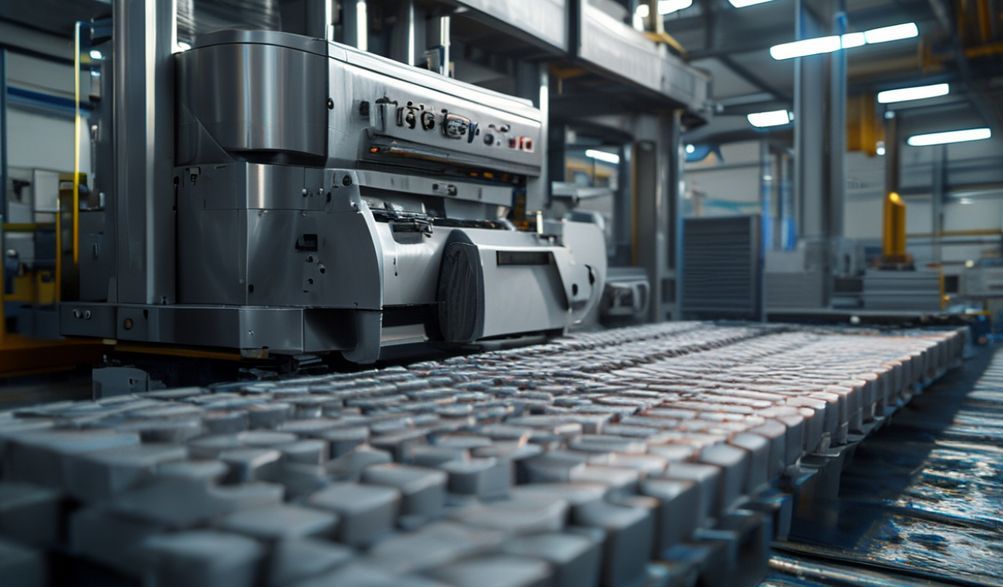
คู่มือการเลือกเครื่องอัดบล็อกปูนซีเมนต์คุณภาพดี | ข้อมูลเชิงลึกจากโรงงาน FUDA
บทนำ
ในโลกของการก่อสร้างและการผลิต มีความท้าทายไม่กี่อย่างที่เป็นสากลและสำคัญเท่ากับการจัดหาเครื่องมือที่เชื่อถือได้ มีประสิทธิภาพ และคุ้มค่าเงิน ความสำเร็จของโครงการ ความแข็งแรงของโครงสร้าง และผลกำไรของคุณ มักขึ้นอยู่กับการตัดสินใจเพียงข้อเดียวนี้ และเมื่อพูดถึงการผลิตส่วนประกอบพื้นฐานของโครงสร้างพื้นฐานสมัยใหม่ ความเสี่ยงยิ่งสูงกว่าเดิม ดังนั้น เราจึงต้องถามว่า อะไรที่กำหนดเครื่องอัดบล็อกคอนกรีต 'คุณภาพดี' อย่างแท้จริง และคุณจะหาผู้ผลิตที่เชื่อถือได้ได้อย่างไร
บล็อกปูนซีเมนต์เป็นกระดูกสันหลังของโครงการนับไม่ถ้วน ตั้งแต่บ้านพักอาศัยไปจนถึงโครงการเชิงพาณิชย์ขนาดใหญ่ เครื่องจักรที่ผลิตพวกมันไม่ใช่แค่การซื้อ แต่เป็นหุ้นส่วนระยะยาวในประสิทธิภาพการผลิตของคุณ คุณภาพของมันกำหนดโดยตรงต่อกำหนดเวลาโครงการ ความสม่ำเสมอของวัสดุ ความปลอดภัยของโครงสร้าง และความสามารถในการทำกำไรโดยรวม
คู่มือฉบับสมบูรณ์นี้สร้างขึ้นจากหลักการทางวิศวกรรมพื้นฐานและความเชี่ยวชาญในอุตสาหกรรม เราจะวิเคราะห์โครงสร้างของเครื่องจักรระดับสูงและนำเสนอกรอบการประเมินที่ชัดเจน ตลอดทั้งคู่มือ เราจะอ้างอิงมาตรฐานและแนวปฏิบัติที่เป็นที่ยอมรับจากผู้ผลิตชั้นนำที่มุ่งเน้นคุณภาพโรงงานผลิตอิฐฟูดาเพื่อใช้เป็นเกณฑ์วัดที่จับต้องได้
เมื่อจบบทความนี้ คุณจะได้รายการตรวจสอบที่ชัดเจนเกี่ยวกับคุณสมบัติพื้นฐานที่ขาดไม่ได้ของเครื่องจักรคุณภาพสูง ได้วิธีการพิสูจน์แล้วสำหรับการประเมินผู้ผลิตที่มากกว่าแค่โบรชัวร์สวยหรู และได้คำถามสำคัญที่คุณต้องถามก่อนการลงทุนที่จะกำหนดทิศทางธุรกิจของคุณในอีกหลายปีข้างหน้า
อะไรที่กำหนดว่าเครื่องอัดบล็อกปูนซีเมนต์มี "คุณภาพดี"
ก้าวข้ามคำโฆษณาที่ฟังดูหวือหวา คุณภาพที่แท้จริงของเครื่องผลิตบล็อกคือการผสมผสานที่วัดผลได้ระหว่างวิศวกรรมที่แข็งแกร่ง การผลิตที่แม่นยำ และการออกแบบที่รอบคอบ นี่คือสิ่งที่แยกความแตกต่างระหว่างสินทรัพย์ระยะสั้นกับเครื่องจักรที่ทำงานได้อย่างยาวนาน
วิศวกรรมหลักและความสมบูรณ์ของโครงสร้าง
โครงสร้างของเครื่องจักรเป็นตัวกำหนดอายุการใช้งานและความมั่นคงภายใต้ภาระงานที่หนักหน่วงอย่างต่อเนื่อง
- โครงสร้างเฟรมนี่คือรากฐานสำคัญ ให้มองหาโครงเหล็กเสริมแรงที่ออกแบบมาสำหรับงานหนัก โดยทั่วไปมักสร้างจากเหล็กเอชบีมหรือโปรไฟล์ความแข็งแรงสูงอื่นๆ รอยเชื่อมควรเรียบร้อย สม่ำเสมอ และดำเนินการด้วยเทคนิคระดับมืออาชีพเพื่อป้องกันการแตกร้าวจากแรงสั่นสะเทือนต่อเนื่อง โครงสร้างที่บอบบางจะเกิดการบิดงอ นำไปสู่การจัดตำแหน่งที่ผิดพลาด คุณภาพบล็อกที่ไม่สม่ำเสมอ และการชำรุดก่อนวัยอันควร
- ระบบไฟฟ้าหัวใจของการดำเนินงานต้องมีความน่าเชื่อถือ สำหรับระบบไฮดรอลิกส์ นั่นหมายถึงปั๊ม วาล์ว และกระบอกสูบคุณภาพสูงจากแบรนด์ที่มีชื่อเสียง ออกแบบมาเพื่อรักษาความดันที่สม่ำเสมอโดยไม่มีการรั่วไหล สำหรับเครื่องจักรที่ใช้การสั่นสะเทือน เกี่ยวข้องกับมอเตอร์สั่นสะเทือนที่มีกำลังสูงและสมดุล ติดตั้งอยู่บนแท่นที่แข็งแรงเพื่อให้แน่ใจว่ามีการกระจายแรงอย่างสม่ำเสมอ ระบบควรทำงานอย่างราบรื่นด้วยเสียงรบกวนและการสร้างความร้อนส่วนเกินน้อยที่สุด
ความแม่นยำและความสม่ำเสมอในการผลิต
เครื่องจักรคุณภาพไม่เพียงแต่ผลิตบล็อกเท่านั้น แต่ยังสร้างเหมือนกันบล็อกคุณภาพสูง, ผลิตเป็นล็อตต่อเนื่อง
- คุณภาพแม่พิมพ์แม่พิมพ์คือจิตวิญญาณของผลิตภัณฑ์ของคุณ เครื่องจักรคุณภาพสูงใช้แม่พิมพ์ที่ทำจากเหล็กผสมเกรดสูงผ่านการชุบแข็ง (เช่น Cr12, Cr12MoV) และผ่านการกลึงอย่างแม่นยำ ซึ่งรับประกันความถูกต้องของขนาด (สำคัญต่อความเร็วการวางและปริมาณการใช้ปูน) พื้นผิวบล็อกที่เรียบเนียน และความต้านทานการสึกหรอที่ยอดเยี่ยมต่อส่วนผสมปูนซีเมนต์ที่กัดกร่อน แม่พิมพ์คุณภาพต่ำจะสึกหรอเร็ว นำไปสู่ขอบหยาบ ความคลาดเคลื่อนของขนาด และการหยุดทำงานบ่อยครั้งเพื่อเปลี่ยนแม่พิมพ์
- ระบบควบคุม:นี่คือสมอง ในขณะที่มีเครื่องจักรที่ทำงานด้วยมือ แต่เครื่องจักรคุณภาพดีมักจะมาพร้อมกับตัวควบคุมลอจิกที่โปรแกรมได้ (PLC) PLC จะทำให้วงจรการผลิตเป็นไปโดยอัตโนมัติ ตั้งแต่การผสม การป้อน การอัด การสั่นสะเทือน และการปลดออก ด้วยเวลาและความดันที่แม่นยำ ซึ่งช่วยขจัดข้อผิดพลาดจากมนุษย์ รับประกันความหนาแน่นของบล็อกและความแข็งแรงในการรับแรงอัดที่สม่ำเสมอ และทำให้การใช้งานและการแก้ไขปัญหาทำได้ง่ายขึ้น
ความทนทานและความสะดวกในการบำรุงรักษา
เครื่องจักรที่ไม่สามารถบำรุงรักษาได้ง่ายจะมีอายุการใช้งานสั้น ไม่ว่าจะสร้างมาแข็งแรงเพียงใดในตอนแรก
- ชิ้นส่วนที่สึกหรอชิ้นส่วนต่างๆ เช่น ไลเนอร์แบบหล่อ วงแหวนซีล และที่ยึดกันสั่นสะเทือนจะต้องได้รับการเปลี่ยนทดแทน เครื่องจักรที่ออกแบบมาอย่างดีจะช่วยให้เข้าถึงชิ้นส่วนเหล่านี้ได้ง่ายโดยไม่ต้องรื้อถอนครั้งใหญ่ นอกจากนี้ผู้ผลิตควรจัดหาอุปกรณ์สิ้นเปลืองเหล่านี้ให้ได้อย่างสะดวกรวดเร็ว
- ความต้านทานการกัดกร่อน: The operating environment is harsh. Look for machines treated with anti-rust primers and high-quality industrial paint. Powder coating is a strong indicator of attention to durability.
- Design for Serviceability: Can you easily reach lubrication points? Are electrical panels and hydraulic lines organized and labeled? Is there space to work around the machine for cleaning and repair? Good design anticipates and simplifies routine and corrective maintenance.
Key Features to Compare When Selecting Your Machine
With an understanding of core quality, you can now compare specific features to match a machine to your exact business needs.
กำลังการผลิตและระดับการอัตโนมัติ
Your choice here defines your output and labor model.
- ผลผลิตและเวลาวงจร Don’t just look at “theoretical maximum” output. Ask for the proven, sustainable production rate (blocks per hour or per 8-hour shift) for a standard block type. The cycle time (time to produce one pallet of blocks) is a key indicator of efficiency.
- สเปกตรัมของระบบอัตโนมัติ:
- คู่มือ: Lowest cost, highest labor. Operator controls every step.
- กึ่งอัตโนมัติ: Automates core processes like compaction and vibration; operator handles block removal and pallet feeding. A great balance for many small to medium operations.
- อัตโนมัติเต็มรูปแบบ: Integrates a block elevator, stacker, and pallet return system. Maximizes output with minimal labor, ideal for large-scale production.
- เครื่องจักร "วางไข่" แบบพกพา: Produce blocks directly on the ground, perfect for on-site production. Stationary plants are for fixed factory settings with higher, more consistent output.
Versatility and Mold Options
Your market opportunities may change. A versatile machine protects your investment.
- แม่พิมพ์ที่สามารถเปลี่ยนได้ A key feature of a good system is the ability to switch molds to produce different products: hollow blocks (for load-bearing walls), solid blocks, paving stones, interlocking blocks for retaining walls, and even specialty shapes. The mold-changing process itself should be as streamlined as possible.
- Custom Mold Capabilities: Can the manufacturer engineer a custom mold for a unique design you want to bring to market? This speaks volumes about their engineering depth and flexibility.
Operational Efficiency
True cost is measured in ongoing expenses.
- การใช้พลังงาน Get clear data on power requirements (KW/h for electric, liters/hour for diesel). An efficient machine optimizes power use, especially during the high-energy vibration and compaction phases.
- ข้อกำหนดด้านแรงงาน How many operators are needed per shift for smooth, safe operation? Automation directly reduces this long-term cost.
- ความเข้ากันได้ของวัตถุดิบ Does the machine work optimally with your local mix of cement, aggregate, and sand? Can it be integrated with an automated batching and mixing system for a seamless production line?
Evaluating a Manufacturer: Beyond the Brochure (The FUDA Factory Example)
The machine is only as good as the company that stands behind it. Here’s how to assess a manufacturer, using the principles embodied by established factories like FUDA as a reference.
ความเชี่ยวชาญและประสบการณ์ด้านการผลิต
- การวิจัยและพัฒนาภายในองค์กรและวิศวกรรม A true manufacturer invests in designing and improving its own machines. Ask about their engineering team. Do they develop their own control systems and mechanical designs, or are they simply assembling bought-in parts?
- Industry Longevity: A company with a decade or more of history has likely iterated on its designs, solved common field problems, and built a reputation. It’s a marker of stability and resilience.
- ความเชี่ยวชาญเฉพาะด้าน A factory dedicated solely to block making machinery (like a specialized brick making factory) will typically possess deeper expertise than a general machinery trader who sells everything from excavators to generators.
Transparency and Authoritativeness
Trust is built on clarity and proof.
- ข้อกำหนดทางเทคนิคโดยละเอียด Request full, detailed spec sheets—not just a one-page flyer. This should include exact dimensions, steel grades, component brands, power specs, and weight.
- Verifiable Proof: Look for detailed case studies with photos/videos, a portfolio of past projects, and genuine customer testimonials (ideally with contactable references). A reputable factory is proud to show its machines in action.
- การปฏิบัติตามมาตรฐาน: While not a global guarantee, certifications like CE (for the European market) or ISO 9001 for quality management systems indicate a formal commitment to safety, quality control, and standardized manufacturing processes.
Trustworthiness in Service and Support
This is often the most critical differentiator between a good purchase and a regrettable one.
- การรับประกันและอะไหล่: Scrutinize the warranty. What is covered (typically core frame, hydraulics)? For how long? Is it a genuine parts-and-labor warranty? Crucially, ask for their spare parts price list and lead time for key components. A reliable manufacturer maintains a robust inventory and supply chain.
- การติดตั้งและการฝึกอบรม Do they offer supervised installation and commissioning? Do they provide comprehensive on-site training for both operators and maintenance technicians? This ensures you start on the right foot.
- การสนับสนุนหลังการขาย: How is technical support accessed? Via phone, WhatsApp, video call? What are their response time commitments? Do they have the capability to dispatch engineers for major issues? Clear support channels are essential.
The Total Cost of Ownership: Investment vs. Long-Term Value
The initial price tag is just the entry fee. Smart buyers analyze the Total Cost of Ownership (TCO).
Initial Purchase Price vs. Hidden Costs
- Visible Price: The machine’s quoted FOB or CIF cost.
- Hidden Initial Costs: International shipping, insurance, import duties and taxes, customs clearance fees, inland transportation to your site, and the cost of professional installation and foundation pouring.
Operational Costs Over Time
These are the recurring expenses that determine your profitability.
- Direct Costs: Monthly electricity/fuel bills, wages for operators, and the periodic cost of replacement wear parts (seals, liners, etc.).
- The Cost of Downtime: This is the silent profit-killer. An unreliable machine that frequently breaks down halts production, delays projects, and damages client relationships. The most “expensive” machine can be the cheap one that is constantly out of service.
ROI Calculation Framework
Create a simple model to justify the investment:
1. Calculate Daily Output Value: (Blocks per day) x (Your selling price per block).
2. Calculate Daily Operational Cost: (Energy + Labor + Material Cost for that output).
3. Calculate Daily Gross Profit: (Output Value – Operational Cost).
4. Factor in Initial Investment: Include all “Initial Purchase & Hidden Costs” from above.
5. Estimate Payback Period: (Total Initial Investment) / (Daily Gross Profit) = Approximate days to break even.
A higher-quality, more efficient machine may have a higher initial cost but a faster payback period due to greater output, lower downtime, and reduced operational waste.
Essential Questions to Ask Before You Buy
Arm yourself with these questions to cut through sales talk and get to the truth.
Questions About the Machine
- “Can you provide a real-time video of this exact model running in your factory or at a customer’s site, not a promotional clip?”
- “What are the brand and model of the core components (hydraulic pump, PLC, vibration motors)?”
- “What is the expected operational lifespan of the main frame and hydraulic system under normal use?”
- “What is the แน่นอน lead time and cost for the three most commonly replaced spare parts?”
- “Can you share the technical drawing for the foundation required for this specific model?”
Questions About the Manufacturer
- “Can you connect me with two previous customers in a country with a similar climate and market to mine? I would like to speak to them directly.”
- “What specific training do your engineers provide during commissioning, and what manuals/videos are left with us?”
- “What is your standard process for handling a technical fault? What are the guaranteed response times for remote and on-site support?”
- “Do you provide a detailed electrical and hydraulic schematic diagram with the machine?”
คำถามที่พบบ่อย (FAQ)
Q: What is the main difference between a hydraulic and a vibration-press block machine?
ก The core mechanism. Vibration-press machines use a combination of mechanical vibration and pressure to compact the concrete mix into a mold. They are excellent for standard hollow and solid blocks. Hydraulic machines use a high-pressure hydraulic cylinder to apply immense, controlled force, producing very dense, high-strength blocks with a superior finish, ideal for pavers, curbstones, and specialized products.
Q: How much space and what foundation is needed for a stationary block making machine?
ก Requirements vary greatly by model. Generally, you need a level, reinforced concrete floor (often 200-300mm thick) capable of handling the machine’s weight and dynamic loads. Factory space must accommodate the machine itself, raw material storage, a curing area, and finished block storage. Always follow the manufacturer’s specific foundation drawing.
Q: Can one machine produce different sizes and types of blocks?
ก Yes, this is a key advantage of quality stationary machines. By purchasing and installing different, interchangeable molds, the same host machine can produce a wide variety of block types and sizes. The changeover process can take from 30 minutes to a few hours.
Q: What is a typical warranty for a good quality machine?
ก Industry standards typically range from 1 to 2 years for the core components like the main frame, hydraulic system, and electrical cabinet. Wear parts like molds, seals, and liners often have a shorter warranty (e.g., 6 months). Always get the warranty terms in writing, clearly stating what is covered and what is not.
Q: How do I ensure the blocks produced meet local construction standards?
ก First, ensure the machine is capable of producing the required compressive strength (e.g., 5MPa, 7MPa, etc.) through consistent density. Then, when you receive the machine, produce sample blocks using your local materials and send them to an independent construction materials laboratory for official compressive strength testing. This validates both your mix design and the machine’s performance.
สรุป
Choosing a good quality cement block making machine is a strategic decision that extends far beyond the initial price tag. As we’ve explored, true quality is a multifaceted blend of uncompromising structural integrity, precision engineering for consistency, thoughtful design for durability, and, perhaps most importantly, the proven credibility and support of the manufacturer.
The most cost-effective choice is rarely the cheapest. It is the machine with the lowest ต้นทุนรวมในการเป็นเจ้าของ—the one that delivers reliable, high-volume production with minimal downtime and operational waste for years to come. This is achieved by partnering with a manufacturer that demonstrates Expertise, Authoritativeness, and Trustworthiness (E-A-T) through transparent specifications, verifiable customer success, and robust after-sales support.
Your Next Steps:
1. Create a Checklist: Use the key points from the “What Defines Quality” and “Key Features” sections above as your evaluation matrix.
2. Request Detailed Documentation: Contact shortlisted manufacturers (including factories with the reputation and operational standards of a โรงงานผลิตอิฐฟูดา) for complete technical specs, a clear parts list, and a formal warranty document.
3. Demand Concrete Proof: Ask for specific customer references and real-world production videos. Validate every claim.
Investing this time in due diligence is the surest way to secure a machine that won’t just make blocks, but will build the foundation for your long-term success.
<