
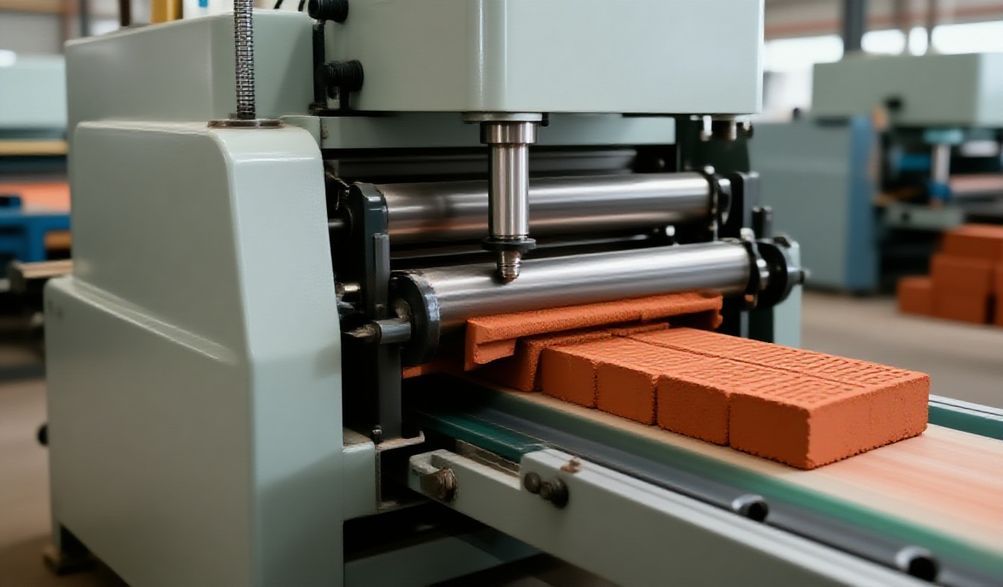
คู่มือฉบับสมบูรณ์สำหรับผู้จัดหาเครื่องทำอิฐดินเผาในปูเน่: เน้นที่โรงงานผลิตบล็อก FUDA
เส้นขอบฟ้าของปูนเเป็นพยานถึงการเติบโตอย่างไม่หยุดยั้ง ในฐานะเสาหลักของความเฟื่องฟูด้านอุตสาหกรรมและการก่อสร้างของอินเดีย ความต้องการวัสดุก่อสร้างที่แข็งแกร่งและมีคุณภาพสูงของเมืองนี้ไม่เคยมีมาก่อนเลย ณ หัวใจของความต้องการนี้คืออิฐดินเผาที่เรียบง่ายแต่ขาดไม่ได้ แต่สำหรับบริษัทก่อสร้าง เจ้าของเตาเผาอิฐ และผู้ประกอบการที่มีวิสัยทัศน์ การเดินทางจากดินดิบไปสู่อิฐที่เชื่อถือได้และพร้อมจำหน่ายในตลาดนั้นเต็มไปด้วยการตัดสินใจที่สำคัญ: การเลือกเครื่องจักรที่เหมาะสม
ตลาดเต็มไปด้วยตัวเลือกมากมาย แต่การหาซัพพลายเออร์เครื่องทำอิฐดินเผาที่น่าเชื่อถือในปูเน่ยังคงเป็นงานที่ท้าทาย ปัญหาทั่วไปที่พบ ได้แก่ คุณภาพเครื่องที่ไม่สม่ำเสมอนำไปสู่การเสียบบ่อยครั้ง การรับประกันที่คลุมเครือให้การปกป้องจริงๆ น้อย และการขาดการสนับสนุนทางเทคนิคและหลังการขายอย่างเห็นได้ชัด ความท้าทายเหล่านี้ไม่เพียงแต่สร้างความปวดหัวในการดำเนินงาน แต่ยังส่งผลกระทบโดยตรงต่อผลกำไรของคุณผ่านความล่าช้าในการผลิตและต้นทุนการบำรุงรักษาที่พุ่งสูงขึ้น
นี่คือจุดที่บทบาทของซัพพลายเออร์เฉพาะทางที่มีชื่อเสียงกลายเป็นสิ่งสำคัญยิ่ง พวกเขาไม่ใช่แค่ผู้ขาย แต่เป็นพันธมิตรระยะยาวในประสิทธิภาพการผลิตของคุณ ในภูมิทัศน์อุตสาหกรรมที่มีชีวิตชีวาของปูเน่ ชื่อเช่นโรงงานผลิตบล็อกฟูดาได้ปรากฏขึ้นเป็นผู้เล่นสำคัญ โดยเฉพาะอย่างยิ่งได้รับการบันทึกไว้สำหรับความมุ่งเน้นในเทคโนโลยีการผลิตบล็อก คู่มือนี้ถูกสร้างขึ้นจากการวิเคราะห์อุตสาหกรรมอย่างลึกซึ้งและความมุ่งมั่นต่อคำแนะนำที่ปฏิบัติได้จริง เป้าหมายของเราคือเพื่อให้คุณมีความรู้ในการสำรวจภูมิทัศน์ของผู้จัดหาในปูเนอย่างมั่นใจ ทำการลงทุนอย่างมีข้อมูล และสร้างรากฐานสำหรับความสำเร็จในการผลิตที่ยั่งยืน
ทำความเข้าใจเครื่องจักรการผลิตอิฐดินเผา
ก่อนเริ่มประเมินซัพพลายเออร์ สิ่งสำคัญคือต้องเข้าใจเครื่องมือในธุรกิจ เครื่องจักรทำอิฐดินเผามีความซับซ้อน ผลผลิต และการลงทุนที่แตกต่างกันอย่างมาก
ประเภทของเครื่องจักร: จากแบบใช้มือถึงแบบอัตโนมัติเต็มรูปแบบ
เครื่องจักรที่เหมาะสมสำหรับคุณขึ้นอยู่กับขนาด งบประมาณ และเป้าหมายการผลิตของคุณโดยสิ้นเชิง
-
เครื่องจักรแบบมือและกึ่งอัตโนมัติเหมาะสำหรับสตาร์ทอัพขนาดเล็ก ผู้ประกอบการในพื้นที่ชนบท หรือการผลิตเชิงช่างเฉพาะทาง
- กดด้วยมือ:ต้องใช้แรงงานมนุษย์จำนวนมากสำหรับการผสม การให้อาหาร และการอัด ต้นทุนทุนต่ำที่สุด แต่ผลผลิตก็ต่ำที่สุดเช่นกัน
- เครื่องจักรกึ่งอัตโนมัติ:ทำให้กระบวนการอัดหรือขึ้นรูปเป็นระบบอัตโนมัติ โดยมักใช้ระบบไฮดรอลิก แต่ยังอาจต้องมีการป้อนและนำอิฐออกด้วยมือ เครื่องจักรเหล่านี้ให้ความสมดุลที่ดีระหว่างต้นทุนและผลผลิตสำหรับการดำเนินงานระดับกลาง
-
โรงงานผลิตอิฐดินเผาอัตโนมัติเต็มรูปแบบ:แหล่งพลังงานสำหรับการผลิตปริมาณสูง สม่ำเสมอ และทำกำไรได้ ระบบบูรณาการเหล่านี้ถูกออกแบบมาเพื่อการแทรกแซงของมนุษย์ให้น้อยที่สุด
- โดยทั่วไปจะมีกระบวนการอัตโนมัติสำหรับการป้อนวัตถุดิบ การผสม การอัดรีดหรือการอัด การตัด และการจัดเรียง
- ประโยชน์ที่ได้รับรวมถึงความหนาแน่นและความสม่ำเสมอของอิฐที่เหนือกว่า ผลผลิตที่สูงขึ้นอย่างมาก (หลายพันก้อนต่อชั่วโมง) และต้นทุนแรงงานที่ลดลง
-
ประเภทเครื่องจักรเฉพาะเจาะจงในสายการผลิต:
- เครื่องบดและบดดินเหนียวเตรียมดินดิบโดยบดก้อนดินให้แตกเพื่อให้ได้ส่วนผสมที่สม่ำเสมอ
- Mixers & Pug Mills: Homogenize clay with additives (like sand or fly ash) and moisture to achieve the perfect plasticity for molding.
- เครื่องอัดรีด: Force the prepared clay through a die to form a continuous column of clay, which is then wire-cut into individual bricks.
- Hydraulic Presses: Use immense pressure in a mold to form high-density bricks, often used for paving or engineered clay blocks.
Key Technical Specifications to Consider
Don’t just look at the machine; scrutinize its specs. These numbers tell the real story of its capability.
- กำลังการผลิต: Always calculate based on bricks per hour (BPH) under standard conditions. A “2000 BPH” machine is meaningless if it can’t sustain that rate. Match this to your current demand and future growth projections.
- ข้อกำหนดด้านพลังงาน: Is the machine purely electric, hydraulic, or a hybrid? Understand the voltage (e.g., 415V, 3-phase) and total connected load. This directly affects your factory’s power infrastructure and operating costs.
- Brick Size and Shape Flexibility: Can the machine produce multiple brick sizes (e.g., standard, modular, jumbo) or special shapes (perforated, curved)? การปรับแต่งแม่พิมพ์ is a key service offered by quality suppliers.
- Automation Level and Control: Does it have a Programmable Logic Controller (PLC) system for precise operation? Are there safety interlocks and user-friendly touch panels? Higher automation improves consistency and reduces operator error.
The Industrial Hub: Why Pune for Brick Making Machinery?
Pune isn’t just a random location; it’s a strategic epicenter for manufacturing, making it a prime destination for sourcing industrial machinery.
Pune’s Manufacturing and Construction Ecosystem
Pune has solidified its reputation as the “Detroit of India” and a major IT hub, driving unprecedented urban and industrial construction. This creates a self-sustaining ecosystem:
* High Local Demand: The constant construction activity ensures a ready market for bricks, supporting local machinery suppliers.
* Competitive Supplier Market: Numerous manufacturers and dealers cluster in and around Pune, fostering competition that benefits buyers in terms of price, innovation, and service.
* Ancillary Industry Support: Easy access to spare parts, skilled technicians, and raw material suppliers streamlines your entire operation.
Advantages of Partnering with Pune-Based Suppliers
Sourcing locally within Pune offers tangible, logistical advantages that importers or distant suppliers cannot match.
- Factory Audits and Inspections: You can personally visit the supplier’s manufacturing unit to inspect build quality, workshop practices, and material inventory before placing an order.
- Local Raw Material Understanding: Pune-region suppliers often have experience with the characteristics of local clay deposits. They can advise on or adapt their machines to handle specific plasticity, sand content, or shrinkage rates.
- Robust Support Networks: Proximity means faster response times for breakdowns, easier scheduling of maintenance visits, and readily available spare parts. This minimizes costly production downtime.
Evaluating Clay Bricks Making Machine Suppliers in Pune
With many options available, a systematic evaluation separates the credible partners from the rest.
Core Criteria for Supplier Selection
Use this checklist as your fundamental evaluation framework:
- Experience & Proven Track Record: How long have they been in business? Ask for a client portfolio with contactable references, preferably in your region or for a similar scale of operation. A history of successful installations is a strong positive indicator.
- Technical Expertise & Innovation: Do they have in-house engineering and R&D? Are they able to discuss technical modifications or provide solutions for specific production challenges? A supplier that only sells catalog items may not be ideal for custom needs.
- Manufacturing Quality & Standards: Inspect the quality of steel used in frames, the brand of hydraulic pumps and electrical components (like Siemens, Schneider), and the finish of welding. Adherence to basic industrial safety standards is a must.
- After-Sales Service & Support: This is non-negotiable. Clarify:
- Warranty period and scope (what’s covered?).
- Availability of a comprehensive spare parts catalog.
- Commitment time for service visits (e.g., 24-72 hours).
- Provision of installation supervision and operator training.
Red Flags to Avoid When Choosing a Supplier
Steer clear if you encounter these warning signs:
- No Physical Footprint: A supplier with only a PO Box or vague address, and no visible manufacturing facility or showroom.
- Ambiguous Warranties and Contracts: Service terms that are not clearly documented in writing.
- Unwillingness to Share References: Refusal or hesitation to connect you with existing customers.
- Neglect of Safety and Training: Machines lacking basic safety guards or a supplier who does not emphasize the importance of proper training.
Spotlight on a Key Player: FUDA Block Making Factory
As you research suppliers in Pune, you will likely encounter โรงงานผลิตบล็อกฟูดา. It’s important to analyze such players objectively based on publicly available information and direct inquiry.
Company Profile and Industry Standing
- ความเชี่ยวชาญเฉพาะด้าน FUDA positions itself as a manufacturer focused on block and brick making machinery. Their prominence in online searches and industrial directories suggests a significant presence in the Maharashtra market.
- ตำแหน่งทางการตลาด: They are often cited among the local suppliers catering to the construction material manufacturing sector. Important Note: This overview is based on their market visibility. We strongly encourage you to verify all claims through independent due diligence, client testimonials, and personal visits.
Product Range and Technological Capabilities
Based on their promotional material, FUDA’s offerings typically include:
* Automatic Brick Making Plants: Designed for high-output production of clay and concrete bricks/blocks.
* เครื่องผลิตบล็อกคอนกรีต: Highlighting versatility for various block types like hollow, solid, and paving blocks.
* Key Promoted Features: These often include high automation levels with PLC control, robust hydraulic systems, and options for customization of molds and output capacity.
Assessing FUDA’s Value Proposition
A balanced assessment is key. Their potential strengths likely include local manufacturing presenceและproduct specialization. However, as with any supplier, the onus is on you, the buyer, to probe deeper.
Questions to Ask FUDA (or Any Similar Supplier):
1. “Can I visit your factory to see a machine similar to my requirement being assembled or tested?”
2. “What is your specific experience with machinery for the ดินเหนียว brick industry, as distinct from concrete?”
3. “Can you provide contact details for 2-3 clients who have been using your clay brick machine for over 2 years?”
4. “What is the exact breakdown of your warranty for the hydraulic system, electrical panel, and structural frame?”
5. “Do you offer a trial with our own clay material to test brick quality before purchase?”
Making the Right Investment: A Buyer’s Checklist
Treat this purchase as a strategic capital investment, not just a transaction.
Pre-Purchase Questions for Your Shortlisted Suppliers
Prepare this list for your meetings:
* Technical: What is the expected brick density and strength (MPa)? What is the moisture tolerance range for the input clay? Is training provided for maintenance?
* Commercial: What is the delivery and installation timeline? What is excluded from the quoted price (e.g., freight, foundation work, taxes)? What are the payment terms?
* Service: What is the guaranteed response time for a breakdown? Is there an annual maintenance contract (AMC) available? How long are spare parts guaranteed to be available?
Total Cost of Ownership (TCO) Analysis
Look beyond the sticker price. The real cost includes:
* ค่าใช้จ่ายเริ่มต้น Machine price, taxes, installation, and commissioning.
* Operational Cost: Power consumption per 1000 bricks, labor required, and cost of wear-and-tear parts.
* Maintenance & Downtime Cost: Cost of scheduled servicing, price of critical spares, and the profit lost during unplanned downtime. A slightly more expensive, reliable machine often has a lower TCO.
The Importance of Site Visits and Machine Trials
Never skip this step.
1. Visit the Supplier’s Factory: Assess their capability, quality control, and professionalism.
2. Visit a Client’s Site: Speak to the machine operators and owners. Ask about real-world production, service support, and challenges. Seeing the machine run is the ultimate test.
คำถามที่พบบ่อย (FAQ)
Q1: What is the average price range for a clay brick making machine in Pune?
ก Prices vary immensely. A small semi-automatic machine can start from a few lakh rupees, while a fully automatic plant can range from tens of lakhs to over a crore. The key is to get detailed quotations from multiple suppliers and compare them based on ต้นทุนรวมในการเป็นเจ้าของ (TCO), not just the initial price.
Q2: Can machines be customized for specific brick sizes or clay types?
ก Absolutely. Reputable suppliers should offer mold customization for different brick sizes and profiles. Crucially, they should be willing to test a sample of your specific clay to recommend any process adjustments or machine settings to ensure optimal brick quality.
Q3: What kind of after-sales service and warranty should I expect?
ก Expect a comprehensive warranty of at least 1 year on the entire machine, with longer coverage (2+ years) on critical components like the hydraulic power pack. Ensure the warranty terms, list of covered parts, and service response time commitments are clearly stated in your purchase contract.
Q4: How do I evaluate the build quality and durability of the machine?
ก During a factory visit, inspect: the thickness and grade of structural steel, the brand and quality of hydraulic cylinders/pumps, the organization and branding of the electrical control panel, and the finish of welds (should be smooth and clean). Request material certifications if available.
Q5: Are there government regulations or certifications required for these machines?
ก While there may not be a single “brick machine certification,” suppliers should adhere to general industrial safety standards. It is your responsibility to check with local pollution control boards and factory inspectorates regarding any specific consents or regulations for setting up a brick manufacturing unit in your location.
สรุป
Choosing the right clay bricks making machine supplier in Pune is a multi-step process that demands diligence. It begins with understanding your own production needs and the machinery that meets them. It leverages Pune’s dynamic industrial ecosystem to find local, responsive partners. It requires rigorously evaluating each supplier against core criteria of experience, expertise, and service commitment—exemplified in our analysis framework and the pointed questions to ask a company like FUDA Block Making Factory.
Ultimately, this decision is about forming a strategic partnership. Prioritize ประสบการณ์ (a proven track record), ความเชี่ยวชาญ (deep technical knowledge), ความน่าเชื่อถือ (a strong reputation among peers), and ความน่าเชื่อถือ (transparent, service-backed dealings). These principles are your compass.
Your Call to Action: Use this guide as your structured framework. Shortlist 3-5 suppliers in the Pune region, prepare your detailed checklist, and insist on factory and client site visits. By investing this time upfront, you are not just buying a machine; you are investing in the reliable, profitable future of your brick production enterprise.
<