
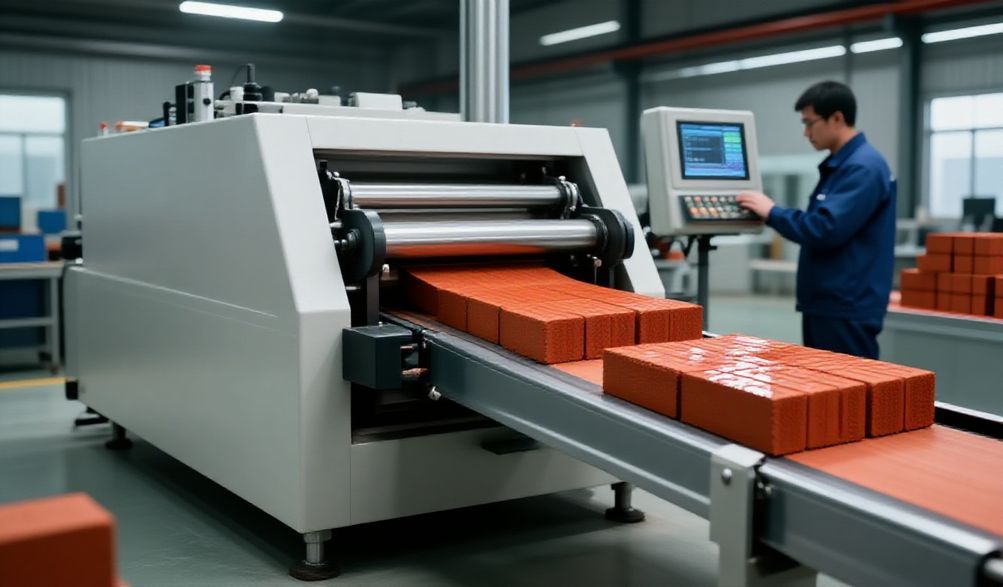
คู่มือขั้นสุดยอดสำหรับเครื่องผลิตอิฐดินเผาและการเลือกผู้ผลิตที่เหมาะสม
บทนำ
การลงทุนในสายการผลิตอิฐดินเผาเป็นการตัดสินใจลงทุนครั้งสำคัญที่สามารถกำหนดความสำเร็จของธุรกิจก่อสร้าง โรงงานอิฐ หรือกิจการผู้ประกอบการของคุณได้ไปอีกหลายทศวรรษ หัวใจของการดำเนินงานนี้คือเครื่องทำอิฐ และจิตวิญญาณของประสิทธิภาพในระยะยาวคือผู้ผลิตที่อยู่เบื้องหลังมัน
คู่มือฉบับสมบูรณ์นี้จัดทำขึ้นสำหรับผู้เชี่ยวชาญด้านการก่อสร้าง เจ้าของโรงงานอิฐ และผู้ประกอบการที่ต้องการลงทุนในการผลิตอิฐดินเผาที่เชื่อถือได้ เราจะเจาะลึกเข้าไปในโลกของเครื่องจักรผลิตอิฐดินเผา โดยมุ่งเน้นไปที่สิ่งที่ทำให้ผู้ผลิตชั้นนำแตกต่างออกไป ขณะที่เราอ้างอิงมาตรฐานอุตสาหกรรมและชื่อเสียงของโรงงานที่ได้รับการยอมรับ เช่นฟูดาเป้าหมายของเราคือการมอบความเชี่ยวชาญให้คุณ เพื่อให้สามารถตัดสินใจซื้อได้อย่างรอบรู้และมั่นใจ ซึ่งจะรับประกันประสิทธิภาพการทำงาน คุณภาพ และผลตอบแทนจากการลงทุนในระยะยาวสำหรับโครงการของคุณ
การเดินเรือในตลาดต้องการมากกว่าแค่การเปรียบเทียบป้ายราคา มันต้องอาศัยความเข้าใจในหลักการทางวิศวกรรม กระบวนการผลิต และปัจจัยสำคัญที่แยกคู่ค้าที่มีชื่อเสียงออกจากผู้จัดหาธรรมดา มาเริ่มกันเลย
การทำความเข้าใจการผลิตอิฐดินเผา: กระบวนการหลักและเครื่องจักรที่เกี่ยวข้อง
ก่อนจะประเมินผู้ผลิต คุณต้องเข้าใจสิ่งที่คุณกำลังซื้อ เครื่องทำอิฐดินเผาเป็นส่วนหนึ่งของระบบที่ซับซ้อน ออกแบบมาเพื่อเปลี่ยนดินดิบให้กลายเป็นวัสดุก่อสร้างมาตรฐานที่ทนทาน
การเดินทางจากดินดิบสู่ก้อนอิฐสำเร็จรูป
กระบวนการทำอิฐสมัยใหม่เป็นสิ่งมหัศจรรย์ทางวิศวกรรมอุตสาหกรรม โดยทั่วไปแล้วมีขั้นตอนสำคัญดังต่อไปนี้
- การเตรียมดินดินเหนียวดิบถูกขุดขึ้นมา บด และร่อนเพื่อกำจัดหินและเศษวัสดุ จากนั้นจึงผสมกับน้ำและบางครั้งก็เติมสารเติมแต่ง (เช่น ทรายหรือเถ้าลอย) เพื่อให้ได้ความเหนียวและองค์ประกอบที่เหมาะสมที่สุดสำหรับการขึ้นรูป
- การขึ้นรูป/การหล่อนี่คือฟังก์ชันหลักของเครื่องผลิตอิฐ ดินเหนียวที่เตรียมไว้จะถูกอัดเข้าไปในแม่พิมพ์ภายใต้แรงดันสูงเพื่อสร้างเป็นเสาต่อเนื่อง (การอัดรีด) หรืออิฐทีละก้อน (การกด) กระบวนการย่อยที่สำคัญในขั้นตอนนี้คือการกำจัดอากาศซึ่งช่วยกำจัดช่องอากาศเพื่อลดการแตกร้าวอย่างมากและเพิ่มความแข็งแรงของอิฐ
- การทำให้แห้งอิฐเปียกที่ขึ้นรูปแล้ว (เรียกว่า "อิฐเขียว") จะถูกทำให้แห้งอย่างระมัดระวังเพื่อขจัดความชื้น ซึ่งมักทำในเครื่องอบแห้งแบบห้องควบคุม เพื่อป้องกันการบิดงอหรือแตกร้าวจากการสูญเสียความชื้นที่ไม่สม่ำเสมอ
- การเผา/เตาเผาอิฐแห้งถูกเผาในเตาเผาที่อุณหภูมิระหว่าง 900°C ถึง 1200°C กระบวนการนี้ทำให้ดินเหนียวกลายเป็นแก้ว ซึ่งให้ความแข็งแกร่ง ความทนทาน สี และความต้านทานสภาพอากาศแก่ก้อนอิฐในขั้นสุดท้าย
ประเภทของเครื่องทำอิฐดินเผา
การเลือกประเภทเครื่องจักรที่เหมาะสมขึ้นอยู่กับขนาด, งบประมาณ และคุณภาพผลผลิตที่ต้องการโดยสิ้นเชิง
-
เครื่องอัดรีดเทียบกับเครื่องอัดขึ้นรูป:
- เครื่องอัดรีดอัดพลาสติกดินเหนียวผ่านแม่พิมพ์เพื่อสร้างเสาต่อเนื่อง จากนั้นจึงตัดออกเป็นก้อนอิฐแต่ละก้อน เหมาะสำหรับการผลิตอิฐทึบ อิฐเจาะรู หรืออิฐกลวงในปริมาณมาก และเป็นมาตรฐานอุตสาหกรรมสำหรับโรงงานขนาดใหญ่ส่วนใหญ่
- แท่นพิมพ์(เช่น เครื่องอัดไฮดรอลิกหรือเครื่องอัดเชิงกล) จะอัดดินเหนียวที่มีความชื้นน้อยลงในแม่พิมพ์ภายใต้แรงดันสูงมาก เครื่องเหล่านี้มักใช้ในการผลิตอิฐที่มีความหนาแน่นสูงและคมชัด (เช่น อิฐปูพื้นหรืออิฐทนไฟ) และสามารถรองรับวัตถุดิบที่หลากหลายกว่า
-
เครื่องจักรแบบใช้มือ, กึ่งอัตโนมัติ และอัตโนมัติเต็มรูปแบบ
- เครื่องจักรที่ใช้แรงคนต้นทุนต่ำ กำลังการผลิตต่ำ เหมาะสำหรับการผลิตขนาดเล็กมากหรือแบบหัตถกรรม เน้นแรงงานมากและไม่สม่ำเสมอ
- เครื่องจักรกึ่งอัตโนมัติ:ตัวเลือกที่สมดุลสำหรับการดำเนินงานขนาดเล็กถึงขนาดกลาง พวกมันทำให้กระบวนการขึ้นรูปหลักเป็นแบบอัตโนมัติ (เช่น การอัดรีดและการตัด) แต่อาจต้องใช้การจัดการด้วยมือสำหรับการเรียงซ้อนหรือการป้อนวัตถุดิบ
- เครื่องจักรอัตโนมัติสมบูรณ์แบบ:จุดสูงสุดของประสิทธิภาพ ระบบเหล่านี้ผสานการป้อนดิน การขึ้นรูป การตัด การเรียงซ้อน และบางครั้งรวมถึงการจัดเรียงบนพาเลทด้วยแขนหุ่นยนต์ พวกมันเพิ่มผลผลิตสูงสุด ลดแรงงาน และรับประกันคุณภาพที่สม่ำเสมอ นี่คือจุดที่ผู้ผลิตเช่นฟูดาและผู้นำในอุตสาหกรรมอื่นๆ มุ่งเน้นไปที่วิศวกรรมของพวกเขา
ส่วนประกอบหลักของเครื่องจักรที่กำหนดประสิทธิภาพ
คุณภาพของเครื่องจักรคือผลรวมของชิ้นส่วนของมัน จงตรวจสอบส่วนประกอบเหล่านี้:
* มิกเซอร์เครื่องผสมดินแบบสองเพลาที่แข็งแรงทนทานช่วยให้ดินเหนียวผสมเป็นเนื้อเดียวกันและมีอุณหภูมิที่เหมาะสม ซึ่งเป็นรากฐานสำคัญสำหรับการอัดขึ้นรูปที่มีคุณภาพ
* เครื่องอัดรีดและหน่วยไล่อากาศ:หัวใจของเครื่องจักร มองหาสว่านที่แข็งแรง ทนทานต่อการสึกหรอ และห้องสุญญากาศที่สามารถลดปริมาณอากาศได้ในระดับสูง (วัดจากความดันสุญญากาศ เช่น -0.092 MPa หรือดีกว่า)
* คัตเตอร์เครื่องตัดลวดหรือเครื่องตัดแบบหลายหัวที่มีความแม่นยำ ซึ่งผลิตอิฐที่สะอาดและมีมิติที่ถูกต้องโดยไม่ทำให้แท่งดินเหนียวอ่อนเสียรูปทรง
* ระบบควบคุม A modern, user-friendly PLC (Programmable Logic Controller) interface allows for easy operation, troubleshooting, and adjustment of speed, pressure, and cutting length.
What Defines a Leading Clay Bricks Making Machine Manufacturer?
With the process understood, the critical question becomes: who do you trust to build this complex system? A leading manufacturer is defined by more than just a sales brochure.
ประสบการณ์ที่พิสูจน์แล้วและความยั่งยืนในอุตสาหกรรม
In heavy machinery, history matters. A manufacturer with decades of operation has:
* Encountered and solved countless technical challenges.
* Refined their designs through real-world feedback.
* Built a global portfolio of working installations. When researching a name like โรงงานผลิตอิฐฟูดา, their track record of delivered projects across different continents speaks directly to tested reliability and adaptability.
Engineering Expertise & R&D Investment
The best manufacturers are not just workshops; they are innovation hubs. Key indicators include:
* A dedicated R&D team focused on improving energy efficiency, automation, and ease of maintenance.
* Patents on unique machine components or processes.
* Continuous updates to machine lines, incorporating newer, more durable materials and smarter control systems.
มาตรฐานการผลิตและการควบคุมคุณภาพ
The factory floor tells the true story. A top manufacturer will:
* Hold relevant international certifications (like ISO 9001 for quality management systems).
* Use premium, wear-resistant materials for critical components (e.g., Hardox steel for liners, high-grade alloys for augers).
* Employ rigorous in-house testing, including running machines under load before disassembly for shipping.
Comprehensive Service & Support
The machine’s purchase price is just the entry ticket. Long-term value comes from support.
* การติดตั้งและการทดสอบระบบ Do they provide expert engineers to supervise setup and ensure your plant runs from day one?
* การฝึกอบรม Comprehensive, hands-on training for your operators and maintenance staff is non-negotiable.
* อะไหล่: A readily available, logically priced inventory of spare parts is crucial for minimizing costly downtime.
* ฝ่ายสนับสนุนทางเทคนิค Access to responsive, knowledgeable support via phone, email, or remote diagnostics.
Spotlight on Key Considerations for Your Investment
Armed with manufacturer criteria, you must now align it with your specific needs.
ประเมินความต้องการในการผลิตของคุณ
Be precise. Ambiguity here leads to an undersized or inefficient investment.
* ความสามารถในการส่งออก Calculate your required bricks per hour or per 8-hour shift. Factor in future growth.
* Brick Type & Versatility: Will you produce only standard solid bricks, or do you need to switch to perforated, hollow, or special shapes? Ensure the machine is adaptable.
* วัตถุดิบ Share samples of your clay with the manufacturer. Its composition (shale, soft mud, etc.) directly affects machine recommendations.
* Power & Utility Requirements: Understand the total connected load (electricity) and any requirements for water or compressed air.
Total Cost of Ownership (TCO) Analysis
Look beyond the initial quote. The true cost includes:
* การใช้พลังงาน An efficient drive system and well-designed extruder can save significant electricity costs over years of operation.
* การบำรุงรักษาและอะไหล่ Machines built with quality components wear slower, and manufacturers with fair spare parts pricing reduce your ongoing OpEx.
* อายุการใช้งานของเครื่องจักร A machine that runs reliably for 15+ years offers far better ROI than one that requires major overhauls after 5.
The Importance of Factory Visits & Client References
This is your most powerful due diligence tool.
* Factory Visit: Inspect the manufacturing facility. Observe the workflow, quality of welding, and housekeeping. Meet the engineering team.
* Client References: Insist on contacting 2-3 recent clients, preferably in a region similar to yours. Ask them about:
* Machine performance and uptime.
* Accuracy of the manufacturer’s claims.
* Responsiveness and effectiveness of after-sales service.
* Their overall ประสบการณ์ and satisfaction.
Ensuring a Successful Partnership with Your Manufacturer
The goal is a long-term partnership, not a one-time transaction. Set the stage for success.
Clear Communication & Customization Options
A good partner listens. They should ask detailed questions about your project and be willing to offer customized solutions, whether it’s a special die design, a unique brick size, or a specific plant layout. Their proposals should feel tailored, not generic.
Transparency in Quotations & Contracts
Scrutinize the quotation. It should clearly itemize:
* EXW/FOB/CIF pricing and responsibilities.
* A detailed scope of supply (every motor, cable, and tool included).
* Warranty terms (duration, what’s covered, and what’s excluded).
* Costs for installation, training, and commissioning if not included.
Post-Purchase Relationship
The relationship strengthens after payment. A trustworthy manufacturer will:
* Proactively check in during the first few months of operation.
* Have a system for you to easily order spare parts.
* Inform you of software updates or upgrade kits for your machine model in the future.
คำถามที่พบบ่อย (FAQ)
Q: What is the typical lead time for a clay brick making machine from order to delivery?
A: Lead times vary significantly based on machine complexity and manufacturer backlog. For a standard automatic machine, expect 30-60 days for production after order confirmation, plus 30-45 days for sea shipping. Fully customized or large turnkey plants will take longer. Always get a written timeline estimate.
Q: Can a manufacturer like FUDA provide a complete turnkey plant solution, not just individual machines?
A: Reputable, established manufacturers often offer turnkey solutions. This includes plant design, all machinery (from crusher and mixer to the brick machine and stacker), kiln recommendations, installation, and commissioning. This single-point responsibility can streamline the entire project.
Q: How do I evaluate the energy efficiency of different clay brick machines?
A: Request the specific power rating (in kW) of the main drive motor and vacuum pump. Compare these figures for machines of similar output. Also, inquire about energy-saving features like variable frequency drives (VFDs) on motors, which match power consumption to the load, reducing waste.
Q: What kind of after-sales training is usually provided for operating and maintaining the equipment?
A: Comprehensive training should cover daily operation, routine maintenance (greasing, inspection), basic troubleshooting, and safety procedures. It typically involves both classroom instruction and hands-on practice at your installed plant, conducted by the commissioning engineers. Training manuals and video guides should also be provided.
Q: Are there machines suitable for small-scale startup operations that can be scaled up later?
A: Yes. Many manufacturers offer modular semi-automatic lines with a clear upgrade path. You might start with a core extruder and manual handling, then later add an automatic cutter, stacker, and palletizer. Discuss your growth vision upfront so the initial machine can be selected with future compatibility in mind.
สรุป
Choosing the right clay bricks making machine manufacturer is a strategic decision that impacts your operational efficiency and product quality for years. It is an investment in a partnership as much as in a piece of equipment.
Prioritize manufacturers who demonstrate deep ความเชี่ยวชาญ in engineering, a proven track record of ประสบการณ์ with successful global installations, and a commitment to ความน่าเชื่อถือ through robust support, transparent dealings, and a client-first approach. The most reliable path to success is thorough research, including factory visits and direct conversations with existing customers.
Use this guide as a framework to ask the right questions. By doing so, you will find a manufacturing partner that truly aligns with your production goals and becomes a cornerstone of your growth vision.
<