
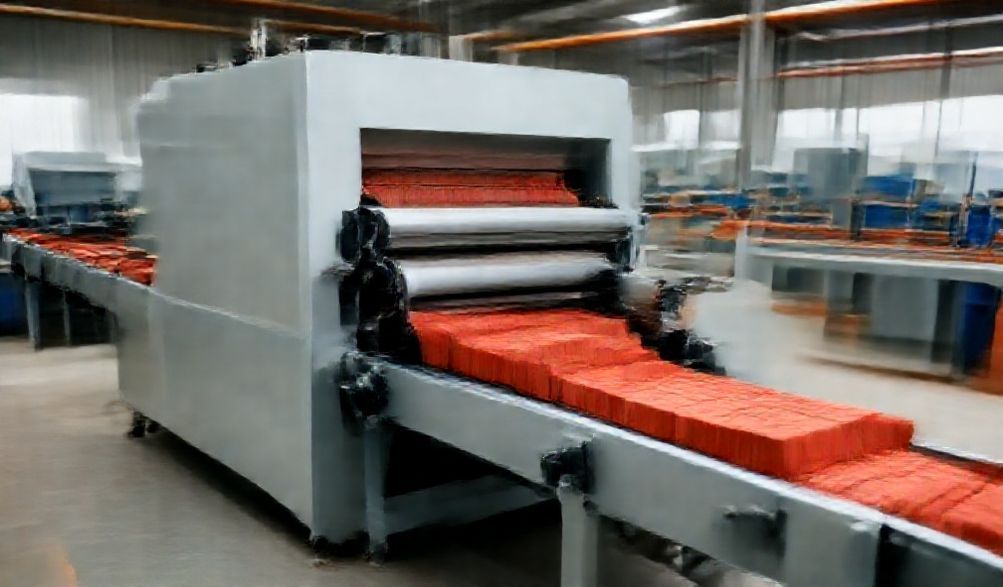
คู่มือฉบับสมบูรณ์ของคุณสำหรับผู้ผลิตเครื่องทำอิฐดินเหนียวชั้นนำในโคยัมปัตตูร์
บทนำ
ตั้งอยู่ใจกลางรัฐทมิฬนาฑู โกยัมปัตตูร์ไม่ใช่แค่เมือง แต่เป็นศูนย์กลางแห่งวิศวกรรมแม่นยำ ที่รู้จักกันทั่วโลกในชื่อ "แมนเชสเตอร์แห่งอินเดียใต้" ดีเอ็นเอทางอุตสาหกรรมของเมืองนี้ถูกถักทอจากมรดกแห่งสิ่งทอ การกลึงกัด และนวัตกรรมที่ไม่หยุดนิ่ง ปัจจุบัน ความเชี่ยวชาญนี้ได้ถูกส่งต่อสู่ภาคส่วนสำคัญสำหรับการพัฒนายุคใหม่ นั่นคือการผลิตเครื่องจักรอุตสาหกรรม รวมถึงเครื่องทำอิฐดินเผา
ในยุคที่มุ่งเน้นการก่อสร้างอย่างยั่งยืนและการผลิตที่มีประสิทธิภาพ อิฐซึ่งเป็นวัสดุพื้นฐานยังคงเป็นองค์ประกอบสำคัญ อย่างไรก็ตาม เครื่องจักรที่ผลิตอิฐได้พัฒนาอย่างก้าวกระโดด การเลือกเครื่องทำอิฐดินเผาที่เหมาะสมไม่ใช่เพียงการซื้อ แต่เป็นการลงทุนเชิงกลยุทธ์ที่กำหนดคุณภาพของผลิตภัณฑ์ ประสิทธิภาพในการดำเนินงาน และท้ายที่สุดคือความสามารถในการทำกำไรของธุรกิจ
คู่มือนี้ถูกออกแบบมาให้เป็นแหล่งข้อมูลที่สมบูรณ์แบบสำหรับคุณ ไม่ว่าคุณจะเป็นบริษัทก่อสร้างที่ต้องการบูรณาการแนวตั้ง ผู้ประกอบการที่กำลังก้าวเข้าสู่อุตสาหกรรมวัสดุก่อสร้าง หรือเจ้าของธุรกิจที่มุ่งมั่นยกระดับสายการผลิต เรามีภาพรวมที่ครอบคลุมและได้รับการสนับสนุนจากผู้เชี่ยวชาญ เพื่อนำทางคุณผ่านภูมิทัศน์การผลิตที่เต็มไปด้วยชีวิตชีวาของเมืองโคยัมปัตตูร์ เป้าหมายของเราคือการมอบความรู้ให้คุณ เพื่อตัดสินใจอย่างมีข้อมูลและมีคุณค่า ทำให้การลงทุนของคุณสร้างรากฐานที่แข็งแกร่งให้กับธุรกิจ
ทำไมโคยัมบัตเตอร์จึงเป็นศูนย์กลางการผลิตเครื่องจักรอิฐ
ความโดดเด่นของโคยัมบัตโทร์ในตลาดเฉพาะทางนี้มิใช่เรื่องบังเอิญ หากแต่เป็นผลจากการวิวัฒนาการทางอุตสาหกรรมที่สั่งสมมาหลายทศวรรษ สร้างระบบนิเวศที่สมบูรณ์แบบให้ผู้ผลิตเครื่องจักรเติบโตได้อย่างแข็งแกร่ง
"แมนเชสเตอร์แห่งอินเดียใต้" มรดกอุตสาหกรรม
จุดแข็งทางประวัติศาสตร์ของเมืองโคยัมปัตตุรในอุตสาหกรรมสิ่งทอ จำเป็นต้องใช้เครื่องทอผ้าและเครื่องจักรที่ซับซ้อน ซึ่งได้บ่มเพาะวัฒนธรรมการออกแบบวิศวกรรมและเครื่องมือที่แม่นยำอย่างลึกซึ้ง มรดกนี้ได้ก่อให้เกิด:
* กำลังแรงงานที่มีทักษะสูงเชี่ยวชาญด้านการกลึง การผลิตชิ้นส่วน และการประกอบ
เครือข่ายอุตสาหกรรมสนับสนุนที่หนาแน่นและแข็งแกร่ง ซึ่งจัดหาทุกอย่างตั้งแต่ชิ้นส่วนหล่อและเกียร์ ไปจนถึงส่วนประกอบไฮดรอลิกและแผงควบคุมไฟฟ้า
* ความเข้าใจโดยธรรมชาติเกี่ยวกับกระบวนการผลิตและความท้าทายของสายการผลิต ซึ่งส่งผลโดยตรงต่อการออกแบบอุปกรณ์ทำอิฐที่ดีกว่า
ความใกล้ชิดกับวัตถุดิบและตลาด
ทำเลที่ตั้งเป็นข้อได้เปรียบเชิงกลยุทธ์ โกอิมบาตอร์ตั้งอยู่ในภูมิภาคที่มีอุตสาหกรรมโลหกรรมและวิศวกรรมที่แข็งแกร่ง ซึ่งรับประกันการเข้าถึงวัตถุดิบคุณภาพสูงอย่างเหล็กเกรดต่างๆ ได้อย่างง่ายดาย ยิ่งไปกว่านั้น ตำแหน่งที่ตั้งในอินเดียใต้ยังวางมันไว้ตรงหน้าตลาดก่อสร้างขนาดใหญ่และเติบโตอย่างต่อเนื่องทั่วทมิฬนาฑู เกรละ กรณาฏกะ และอื่นๆ ทำให้ผู้ผลิตสามารถสร้างเครื่องจักรที่ตอบโจทย์ลักษณะดินเฉพาะภูมิภาคและความต้องการด้านการก่อสร้างได้
วัฒนธรรมแห่งนวัตกรรมและฝีมือเชิงช่าง
ผู้ผลิตในเมืองนี้เป็นตัวแทนของความผสมผสานที่เป็นเอกลักษณ์ พวกเขามีฝีมือแบบดั้งเดิมที่เน้นการลงมือทำจริง—ใส่ใจในรายละเอียดอย่างพิถีพิถันในงานเชื่อม งานประกอบ และการตกแต่ง—ขณะเดียวกันก็รับเอาเทคโนโลยีสมัยใหม่อย่างการกัดเฉือนด้วยเครื่องซีเอ็นซี ระบบอัตโนมัติด้วยพีแอลซี (โปรแกรมตรรกะที่ตั้งโปรแกรมได้) และการออกแบบที่ประหยัดพลังงาน วัฒนธรรมนี้ทำให้มั่นใจได้ว่าเครื่องจักรไม่เพียงแต่แข็งแรงทนทาน แต่ยังฉลาดและมีประสิทธิภาพมากขึ้นเรื่อยๆ
ปัจจัยสำคัญที่ต้องพิจารณาเมื่อเลือกผู้ผลิต
Selecting a manufacturer goes beyond comparing price tags. It’s about assessing capability, quality, and long-term partnership potential. Here are the critical pillars to evaluate.
Machine Types and Technological Capability
Understanding the spectrum of automation is crucial:
* เครื่องจักรแบบใช้มือและกึ่งอัตโนมัติ Ideal for small-scale operations or startups with lower initial investment. They require more manual labor for feeding and brick removal but are simpler to maintain.
* เครื่องจักรอัตโนมัติสมบูรณ์แบบ: Designed for high-volume production (often 8,000 to 30,000+ bricks per shift). They feature automated material feeding, compression, ejection, and stacking, often controlled by PLC systems for consistent quality and minimal labor.
* Key Technological Questions to Ask:
* What is the output capacity (bricks per hour) under standard conditions?
* Is the machine equipped with a PLC system for easy operation and troubleshooting?
* What are the energy consumption metrics? Look for features like variable frequency drives (VFDs) on motors.
* What is the mixing and compaction technology? A homogeneous mix and high compression force (measured in tons) are vital for brick strength.
คุณภาพการประกอบและความทนทานของวัสดุ
This is where the machine’s lifespan is determined. A cheaper machine with subpar components will cost more in downtime and repairs.
* กรอบและโครงสร้าง Look for frames fabricated from heavy-duty structural steel (like IS 2062) to withstand constant vibration and load without deformation.
* Critical Components: The heart of the machine. Inquire about the brand and specifications of the hydraulic pump, cylinders, and valves. Reputed brands ensure reliability. Similarly, the molds should be made from high-chrome, hardened steel for extended life and consistent brick dimensions.
* Construction Finish: Quality welding, proper surface treatment (like sandblasting and painting), and neat cable management are indicators of a manufacturer’s attention to detail.
Customization and After-Sales Support
Your needs are unique. A good manufacturer acts as a solutions partner.
* การปรับแต่ง Can they provide molds for custom brick sizes, shapes (interlocking, paving, hollow blocks), or textures? Do they offer auxiliary equipment like clay crushers, pan mixers, and brick stacking systems for a complete line?
* การสนับสนุนหลังการขาย: This is non-negotiable. Probe into:
* การรับประกัน period and terms.
* Availability of a comprehensive spare parts kit and ongoing parts supply.
* Installation, commissioning, and on-site operator training services.
* The responsiveness and reach of their service technician network.
Compliance and Certifications
Certifications are a baseline indicator of a manufacturer’s commitment to systematic quality and safety processes.
* Look for manufacturers with ISO 9001:2015 certification, which signifies a quality management system.
* Machines should be built in compliance with relevant Indian Standards and incorporate essential safety features like emergency stop buttons, mechanical guards, and pressure relief valves.
* While not always mandatory, certifications demonstrate a professional, process-oriented approach to manufacturing.
Profiles of Leading Clay Brick Machine Manufacturers in Coimbatore
Based on industry presence, verifiable specializations, and product range, here is an overview of notable manufacturers in the region. This information is presented for comparative analysis to aid your research.
Everon Impex – An Overview
- ความเชี่ยวชาญเฉพาะด้าน Known for a wide range covering from manual to fully automatic fly ash and clay brick making machines, often emphasizing cost-effective solutions for growing businesses.
- Key Product Range: Includes stationary type brick machines, mobile brick machines, and concrete block making machines, with varying levels of automation.
- Notable Client Base/Projects: Serves a diverse clientele across India, including small and medium-scale brick manufacturers.
- USP: Positions itself with a strong focus on providing affordable machinery and has developed a distribution network for wider reach.
Global Impex – An Overview
- ความเชี่ยวชาญเฉพาะด้าน Focuses on robust, heavy-duty brick and block making machines, including hydraulic press models designed for high compression and consistent brick density.
- Key Product Range: Offers hydraulic press machines, egg laying mobile machines, and stationary automatic machines with capacities suited for medium to large-scale production.
- Notable Client Base/Projects: Their machinery is used in various construction material production units, with an emphasis on durability for long-term operation.
- USP: Often highlighted for the sturdy construction of their machines and the use of reliable hydraulic components, aiming for low maintenance and high uptime.
Lakshmi & Co. – An Overview
- ความเชี่ยวชาญเฉพาะด้าน A well-established name with a long history in Coimbatore’s engineering sector, producing a variety of industrial processing machines, including clay brick making equipment.
- Key Product Range: Manufactures clay brick machines, mixers, and crushers, providing options for setting up a complete production line from a single source.
- Notable Client Base/Projects: Has a presence across South India, supplying machinery to the brick and tile manufacturing industry for decades.
- USP: Leverages extensive experience and traditional engineering prowess, often associated with mechanically strong and reliable machines backed by local service expertise.
The Business Case: ROI and Operational Considerations
Viewing your machine as a capital asset is key to understanding its true value.
Calculating Your Investment and Payback Period
A simple ROI framework considers:
* เงินลงทุนเริ่มแรก Machine cost, auxiliary equipment, installation, and setup.
* ค่าใช้จ่ายในการดำเนินงาน Labor, power, raw material (clay), maintenance, and space rental.
* Revenue Factors: Output capacity (bricks/day), market price per brick, and seasonal demand.
* Payback Estimate: While highly variable, a well-run, automated plant targeting local demand can often see a payback period of 1.5 to 3 years. High utilization and efficient operation are critical drivers.
Operational Workflow and Space Requirements
A functional brick yard requires more than just the pressing machine:
1. Clay Preparation Area: Space for raw clay storage, a crusher to break down lumps, and a mixer (like a pan mixer) to homogenize clay with water.
2. Production Line: The brick making machine, with space for material feeding and green brick output.
3. Drying Area: A covered, ventilated space where green bricks are stacked to air-dry for 2-3 days before firing. This area is often the most space-intensive.
4. Curing/Firing: Depending on the process (sun-dried, kiln-fired), appropriate space or infrastructure is needed.
A small-scale unit may require 5,000 to 10,000 sq. ft., while an automated plant needs significantly more.
Maintenance Schedules for Longevity
Proactive maintenance prevents costly breakdowns:
* Daily: Clean the machine, especially the mold area. Check hydraulic oil levels and for any leaks. Lubricate moving parts as per manual.
* Weekly: Inspect all nuts and bolts for tightness. Check wear parts like mold liners and feeder scrappers.
* Monthly: Clean or replace hydraulic oil filters. Check electrical connections and pressure settings. Conduct a thorough inspection of all major components.
* Annually: Consider changing the hydraulic oil entirely and getting a comprehensive service check from the manufacturer.
Beyond the Purchase: Trends and Sustainable Practices
The industry is evolving, and forward-thinking manufacturers are leading the charge.
Embracing Automation and Industry 4.0
The future is connected and data-driven. Trends include:
* IoT Sensors: Machines equipped with sensors to monitor pressure, temperature, vibration, and production count in real-time.
* Predictive Maintenance: Data analytics can forecast when a component might fail, allowing for scheduled replacement before a breakdown occurs.
* Remote Monitoring: Manufacturers can sometimes diagnose issues remotely, guiding on-site technicians for faster resolution.
Sustainable Brick Production
Modern machinery is pivotal to greener construction:
* ประสิทธิภาพการใช้ทรัพยากร Advanced mixing and compaction ensure minimal clay waste. Water recycling systems in the production line are becoming more common.
* Alternative Materials: Many machines from Coimbatore are adept at producing fly ash bricks, utilizing a thermal power plant by-product, reducing clay consumption, and creating a lighter, stronger brick.
* ประสิทธิภาพการใช้พลังงาน Newer drives and optimized hydraulic systems reduce the overall carbon footprint of the production process itself.
คำถามที่พบบ่อย (FAQ)
Q1: What is the approximate price range for a clay brick making machine in Coimbatore?
ก Prices vary dramatically based on automation and capacity. A basic manual or small semi-automatic machine can start from ₹ 3-5 lakhs. A mid-range semi-automatic system may cost ₹ 10-20 lakhs. Large, fully automatic production plants with auxiliary equipment can range from ₹ 50 lakhs to several crores. Always request a detailed quotation for your specific output requirements.
Q2: Can manufacturers provide guidance on setting up the entire brick production unit?
ก Yes, most established manufacturers offer comprehensive consultancy. This can include plant layout design, recommendations for auxiliary machinery (crushers, mixers, material handling), and even assistance with initial production trials to optimize the clay mix. Clarify the scope of this support during your discussions.
Q3: How important is it to visit the manufacturer’s factory before buying?
ก It is highly recommended. A factory visit allows you to inspect the build quality firsthand, see machines under operation, assess the organization and capability of their workshop, and have face-to-face technical discussions. It’s the best way to build trust and ensure there are no gaps in expectation.
Q4: What is the typical lead time for machine delivery and installation?
ก Lead times depend on the machine’s complexity and the manufacturer’s order book. Standard models might be delivered in 4-8 weeks. Customized or large-capacity fully automatic plants may have a lead time of 3-6 months. Always get a written delivery timeline in your order agreement.
Q5: Are there government subsidies or schemes for setting up a brick manufacturing unit?
ก Schemes can change. It is advisable to consult with the District Industries Centre (DIC) in Coimbatore or the Tamil Nadu Industrial Investment Corporation (TIIC). Additionally, check with the Khadi and Village Industries Commission (KVIC)หรือMSME development institutes, as they sometimes offer support for rural and small-scale industries, including those in construction materials.
สรุป
Coimbatore stands as a testament to India’s engineering capabilities, offering a concentrated hub of expertise for clay brick making machinery. Your journey to finding the right partner hinges on a diligent evaluation of technological capability, uncompromising build quality, and the promise of steadfast after-sales support. Remember, you’re not just buying a machine; you’re forming a partnership that will underpin your production for years to come.
Use the factors outlined in this guide as your checklist. Conduct thorough due diligence, prioritize factory visits, and engage in detailed technical discussions with shortlisted manufacturers. By investing time in this selection process, you invest in the reliability, efficiency, and profitability of your brick manufacturing venture. In the evolving landscape of construction, powered by efficiency and sustainability, the right machine from the right manufacturer in Coimbatore is your cornerstone for success.
<