
The Ultimate Guide to Block Machine Manufacturing in China: Quality, Innovation & Global Supply
Introduction
The global construction materials market is projected to exceed $1.3 trillion by 2027, driven by relentless urbanization and infrastructure development worldwide. At the heart of this growth lies a critical piece of equipment: the block making machine. And when it comes to manufacturing these machines, one nation stands as the undisputed global hub—China. Responsible for supplying a dominant share of the world’s concrete block, paving block, and interlocking brick machines, China’s manufacturing ecosystem is both vast and complex.
This guide is designed to cut through that complexity. “Block machine making” refers to the design, engineering, and production of machinery used to manufacture construction blocks from concrete, cement, fly ash, and other materials. For business owners, procurement managers, and entrepreneurs in construction, sourcing this equipment is a significant capital decision with long-term operational implications. The purpose of this expert guide is to provide a transparent, authoritative, and deeply practical analysis of China’s block machine manufacturing landscape. We’ll move beyond surface-level information, offering insights grounded in technical knowledge, supply chain experience, and a clear understanding of global buyer needs.
By the end of this guide, you will know how to:
* Identify the true industry leaders among thousands of manufacturers.
* Technically evaluate different types of machines for your specific project.
* Navigate the sourcing and procurement process with confidence.
* Mitigate risks and build a successful, long-term partnership with a Chinese supplier.
Let’s begin by understanding how China achieved its dominant position in this critical industry.
Understanding China’s Dominance in Block Machine Manufacturing
China’s role as the “world’s factory” for machinery is no accident. In block machine manufacturing, this dominance is the result of decades of strategic development, creating an ecosystem that is difficult for any other region to match.
A Historical Perspective: The Evolution of an Industry
The foundation was laid in the late 20th century as China embarked on its historic infrastructure modernization. This created massive domestic demand for construction materials, spurring the growth of a local machinery sector. Government policies supporting heavy industry and export-oriented manufacturing provided further fuel. Initially focused on producing basic, manual machines for the local market, Chinese manufacturers rapidly absorbed foreign technology, invested in R&D, and scaled up production. Today, the industry has matured from imitators to innovators, with leading companies holding international patents and competing on technology, not just price.
Key Industrial Clusters and Hubs
Manufacturing is concentrated in specific regions, each with unique advantages:
* Shandong Province: Often considered the heartland of heavy block machine manufacturing. Known for large-scale, robust fully automatic production lines and a dense network of component suppliers.
* Fujian Province (especially Quanzhou): A major hub for brick and block machinery, with a strong specialization in paving block and interlocking brick machines. The cluster benefits from a long history of stone processing, which translated into machinery expertise.
* Guangdong Province: A leader in technological integration and export-oriented manufacturing. Factories here are often at the forefront of incorporating PLC control systems, IoT capabilities, and advanced automation.
These clusters create powerful ecosystems where manufacturers have immediate access to specialized labor, raw materials (like steel), and ancillary services, driving efficiency and innovation.
The Competitive Edge: Cost, Scale, and Technology
China’s advantage is a powerful trifecta:
1. Cost & Scale: Unparalleled economies of scale and vertically integrated supply chains (from steel production to hydraulic component manufacturing) keep production costs highly competitive.
2. Supply Chain Maturity: The ability to source every nut, bolt, motor, and controller domestically and rapidly reduces lead times and minimizes disruption.
3. Technological Shift: The narrative of “cheap and low-quality” is outdated. Leading manufacturers now invest heavily in:
* CNC machining centers for precision parts.
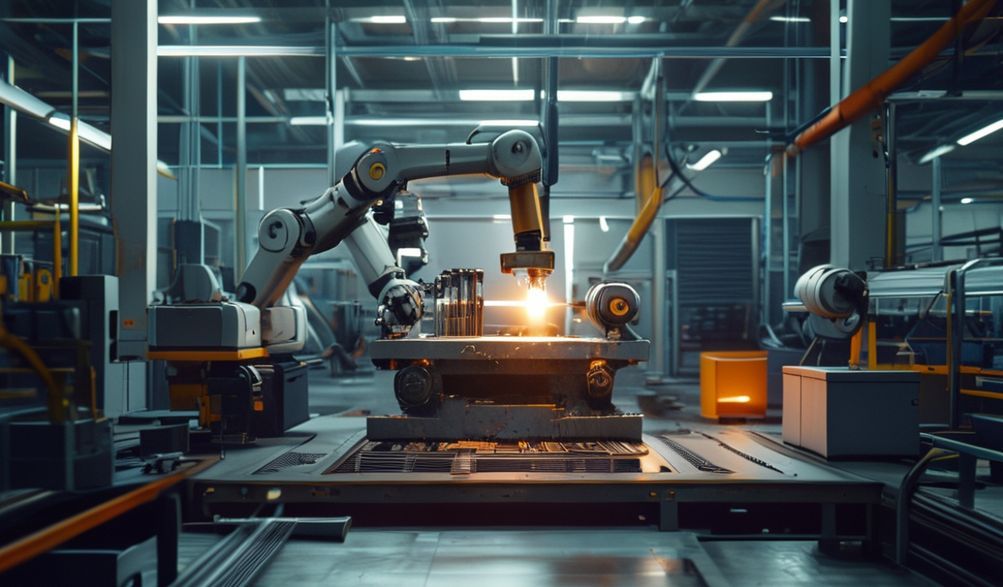
* Fully automated welding robots for consistent structural integrity.
* Sophisticated PLC and touch-screen control systems.
* R&D into energy efficiency and sustainable production processes.
This blend of scale, efficiency, and advancing technology creates a value proposition that is compelling for buyers across the globe.
Types of Block Machines Made in China: A Technical Overview
Chinese manufacturers produce a complete spectrum of block making equipment, from simple manual presses to fully integrated smart factories. Understanding the technical distinctions is key to selecting the right machine for your output goals and budget.
Fully Automatic Block Making Machines
These are the workhorses for large-scale commercial block yards and major construction projects. They represent the peak of efficiency and minimal manual intervention.
- Specifications & Output: Capable of producing from 8,000 to over 30,000 standard blocks per 8-hour shift, depending on model and block size. They operate on a continuous cycle—mixing, molding, curing, and stacking.
- Integration: They are designed as part of a system, typically integrated with:
- Automatic pallet feeders and circulators.
- Concrete batching plants.
- Block stackers and forklift loaders.
- Curing racks or chambers.
- Ideal Use Case: High-volume production for constant supply to large projects, real estate developments, or for block selling businesses. The high initial investment is offset by low labor costs and exceptional output consistency.
Semi-Automatic and Manual Block Machines
This category serves the vital small-to-medium enterprise (SME) market, offering an accessible entry point into block production.
- Applications: Perfect for community-based projects, small construction firms, startups, and businesses in regions with lower labor costs. They are also excellent for producing specialized or custom blocks in smaller batches.
- Cost-Benefit Analysis:
- Pros: Significantly lower capital investment, simpler operation and maintenance, flexibility for short production runs.
- Cons: Higher reliance on manual labor for feeding, block removal, and stacking, leading to lower overall output and more physical variability in the final product.
- Operational Requirement: These machines often require a concrete mixer as a separate unit and more manual handling space.
Specialized Block Machine Variants
Beyond standard hollow or solid blocks, Chinese engineers have developed machines for a wide array of specialized products:
- Interlocking Paving Block Machines: Produce the popular “grass pavers” and interlocking tiles for landscaping and hardscaping. Feature specialized molds and high-pressure vibration systems for dense, durable pavers.
- Curb Stone & Kerb Machines: Designed for the long, linear molds required for road edging and landscaping borders.
- AAC (Autoclaved Aerated Concrete) Block Plants: These are complete factory systems for producing lightweight, insulating AAC blocks, involving complex processes of aeration and steam curing.
- Innovation in Molds: A key strength is customization. Manufacturers can design and produce custom molds for unique block shapes, textures, and sizes, allowing buyers to create distinctive products for their market.
How to Identify a Reputable Chinese Block Machine Manufacturer
With countless companies claiming to be “leading manufacturers,” due diligence is non-negotiable. Here’s how to separate the credible partners from the rest.
Essential Certifications and Compliance Standards
Certifications are your first filter. They indicate a commitment to systematic quality management and international market standards.
- ISO 9001: The baseline. Certifies that the company has a documented Quality Management System (QMS) for consistent production and improvement.
- CE Marking (for EU markets): Indicates the machine complies with EU health, safety, and environmental protection directives. It is not a quality mark per se, but a legal requirement for sale in Europe. Beware of fake CE certificates.
- SGS/BV/TUV Inspection Reports: Third-party inspection reports from agencies like SGS provide an objective assessment of the machine’s quality, performance, and safety before shipment. You can commission these yourself.
- Electrical Compliance: Ensure key electrical components (PLCs, motors, sensors) comply with international standards (e.g., IEC) for safety and reliability.
Evaluating Manufacturing Capabilities and R&D
A professional website can be deceiving. You must verify actual capabilities.
- Key Questions to Ask:
- “Can you provide a recent factory audit report from a recognized buyer?”
- “Do you have an in-house R&D and design team? How many engineers?”
- “Can you share patents or technical papers your company holds?”
- “Do you have a testing facility where we can see a machine run with our specified raw material samples?”
- The Factory Visit (Physical or Virtual): This is crucial. A physical tour lets you assess workshop organization, equipment (like CNC machines and welding robots), worker skill, and quality control checkpoints. If travel isn’t possible, insist on a detailed, live virtual tour—not a pre-recorded video.
Assessing Reputation: Beyond the Company Website
Dig deeper into their market standing.
- Verify Business Licenses: Use official Chinese platforms or services to check their business registration (营业执照) to confirm they are a legitimate manufacturing entity, not just a trading company.
- Seek Authentic Proof: Request customer testimonials with contact information (for reference checks). Ask for detailed case studies and, most convincingly, videos of machines installed and operating at customer sites overseas. This is powerful evidence of real-world performance and export experience.
- Analyze After-Sales Structure: A serious manufacturer will have a clear after-sales service protocol. Do they offer:
- Detailed English operation and parts manuals?
- Remote guidance via video call?
- A readily available inventory of wear parts?
- A network of technical agents or partners in your region?
The Sourcing and Procurement Process: A Step-by-Step Guide
Navigating from initial contact to successful installation requires a structured approach.
From Inquiry to Quotation: Effective Communication
Clarity here prevents costly misunderstandings later.
- The Technical Inquiry: Don’t just ask for a “block machine price.” Provide a detailed specification sheet including:
- Desired block types, sizes, and output capacity per hour/day.
- Available raw materials (cement type, aggregate size, potential use of fly ash, etc.).
- Local voltage and power phase.
- Level of automation required.
- Any specific certification needs (CE, etc.).
- Understanding Incoterms: Clearly agree on terms like FOB (Free On Board) or CIF (Cost, Insurance, and Freight). FOB means you control and pay for shipping from the Chinese port; CIF means the supplier arranges and pays for shipping to your nearest port. Each has different cost and risk implications.
Quality Control: Inspection Protocols Before Shipment
Never skip independent verification.
- Critical Inspection Stages:
- Raw Material Check: Verification of steel grade, thickness of plates, and quality of purchased components (hydraulics, motors).
- In-Process Inspection: Witnessing critical assembly stages, weld quality, and electrical wiring.
- Pre-Shipment Testing (FAT – Factory Acceptance Test): The most important stage. You or your agent should witness the machine running under load, producing blocks to specification, and cycling through all its functions.
- Third-Party Inspection (TPI): Hiring a company like SGS, Intertek, or BV to conduct the FAT provides an expert, unbiased report. It’s a highly recommended investment for high-value orders.
Logistics, Shipping, and After-Sales Support
The final mile is critical for project timelines.
- Logistics: Standard machines are shipped in 20ft or 40ft containers. Ensure the supplier provides professional export packaging (crated and seaworthy) and handles all export documentation correctly.
- After-Sales Negotiation: Finalize and document:
- Warranty: Typically 12-18 months for the machine, with shorter periods for wear parts.
- Spare Parts List & Pricing: Agree on a list of recommended spare parts to order with the machine and a price list for future purchases.
- Technical Support: Clarify the process for remote support. Discuss the possibility and cost of having a factory engineer travel for on-site installation and commissioning—this can be invaluable for complex lines.
Navigating Challenges and Mitigating Risks
An honest assessment of potential hurdles prepares you for a smoother journey.
Common Pitfalls in Sourcing from China
- The Trading Company Trap: Many exporters are middlemen, not manufacturers. They add cost and can obscure communication. Always verify manufacturing capability.
- Communication Barriers: Technical nuances can be lost. Use clear, simple language, diagrams, and videos. Consider hiring a bilingual technical sourcing agent if the order is substantial.
- Cultural Differences: The concept of “yes” can sometimes mean “I hear you,” not “I agree and can do it.” Persist in getting written confirmations for all specifications and promises.
Ensuring Intellectual Property and Design Confidentiality
If you are investing in custom mold designs, protection is paramount.
* Best Practices: Only share detailed CAD drawings or samples under a signed Non-Disclosure Agreement (NDA). Ensure your main purchase contract includes strong IP protection clauses.
* Contractual Safeguards: Use a detailed, legally-vetted contract that specifies jurisdiction (often Hong Kong International Arbitration Centre is a neutral choice) and clear remedies for breach of confidentiality.
Total Cost Analysis: Avoiding Hidden Expenses
The machine’s price tag is just the beginning. A comprehensive budget must include:
* Shipping and marine insurance fees.
* Import duties and taxes in your country.
* Costs of inland transportation from your port to the site.
* Foundation construction and utility hook-up (power, water).
* Costs for installation, commissioning, and operator training (if not included).
* Initial stock of raw materials and spare parts.
FAQ Section
Q1: What is the typical lead time for a block machine order from China?
A: For a standard model, expect 30-45 days after deposit payment. For fully custom machines or large production lines, lead times can extend to 60-90 days. Seasonal factors like Chinese New Year can also cause delays.
Q2: Can Chinese manufacturers customize machines for specific local materials or standards?
A: Absolutely. Leading manufacturers excel at customization. The key is to provide them with samples of your local raw materials (sand, aggregate) and detailed specifications of your local building standards so they can adjust mix ratios, pressure, and vibration settings accordingly.
Q3: How do I handle machine maintenance and repair if I’m in another country?
A: Reputable suppliers offer comprehensive remote support via video calls (WhatsApp, Zoom), detailed electronic manuals, and labeled spare parts diagrams. They will airmail critical spare parts. Many also have a network of local agents or can recommend freelance engineers in various regions.
Q4: Are the machines energy-efficient and environmentally compliant?
A: The industry is moving decisively in this direction. Look for features like high-efficiency vibration motors, variable-frequency drives (VFDs) on key components, and systems designed to reduce waste (like precise batching). Leading factories also adhere to environmental regulations in their own production processes.
Q5: What is the minimum order quantity (MOQ) for block machines?
A: For standard block making machines, the MOQ is typically 1 unit. However, for highly customized components or specific spare parts, an MOQ may apply. Always confirm this during initial inquiries.
Conclusion
China’s position as the global leader in block machine manufacturing is built on a formidable foundation of scale, supply chain integration, and a rapid ascent in technological capability. For global buyers, this presents a tremendous opportunity to access high-value, reliable equipment that can power construction businesses and projects.
The path to success, however, lies in informed and diligent action. This guide has equipped you with the framework to conduct thorough due diligence, communicate effectively, and prioritize a partnership with a manufacturer whose values align with yours—one that emphasizes quality control, transparent processes, and robust after-sales support over the allure of the lowest possible price.
The future of the industry points towards even greater automation, the integration of IoT for predictive maintenance and data analytics, and a stronger focus on sustainable manufacturing. Partnering with a forward-thinking Chinese manufacturer today can place you at the forefront of this evolution.
Begin your sourcing journey with confidence. Start by drafting a comprehensive technical specification sheet for your project. Use the criteria outlined here to shortlist and vet potential suppliers. Your ideal manufacturing partner is out there, ready to help you build the foundation for your success.