
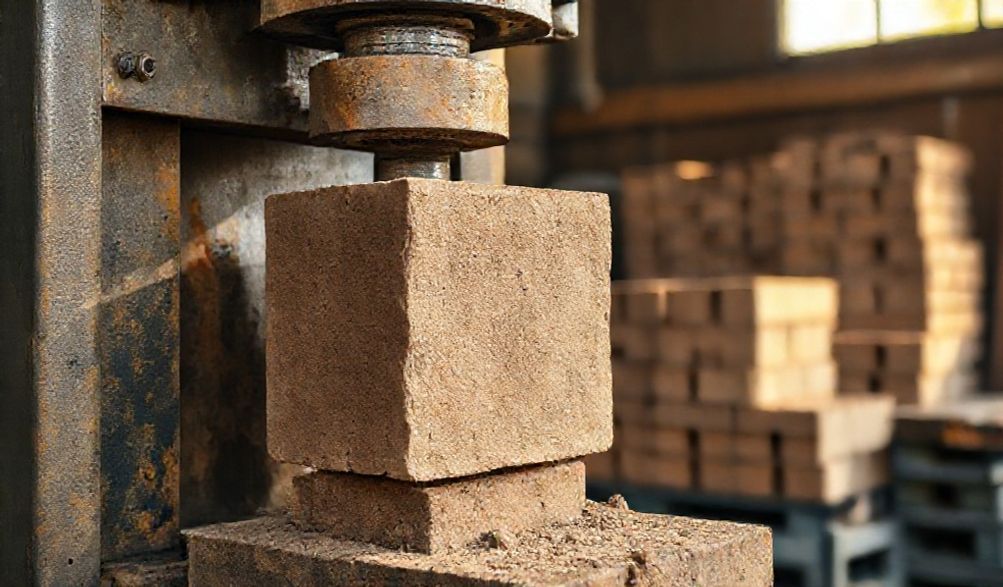
The Ultimate Guide to Machines for Manufacturing Raw Earth Bricks
Introduction
Imagine a building material that has sheltered humanity for millennia, offers natural insulation, and has a near-zero carbon footprint. This isn’t a futuristic innovation; it’s raw earth. From the ancient adobe pueblos of the Americas to the contemporary rammed earth walls of luxury homes, earth construction is experiencing a powerful resurgence. Today, it’s championed by architects and builders seeking sustainable, healthy, and energy-efficient alternatives to conventional materials.
However, the traditional image of artisans hand-molding sun-dried bricks reveals a core challenge: scalability and consistency. Manual methods are labor-intensive, slow, and prone to variation, making large-scale or commercial projects difficult. This is where modern engineering steps in. The pivotal solution transforming this ancient practice into a viable modern industry is the machine to manufacture raw earth bricks.
This comprehensive guide is designed to be your definitive resource. We will explore the diverse types of machines available, demystify their operational principles, and provide a clear framework for selection. Understanding this machinery is key to transforming locally sourced soil into consistent, high-strength building units, enabling you to bridge the gap between ecological ambition and practical, profitable construction.
Our exploration is grounded in technical specifications, established engineering principles, and industry best practices, ensuring you gain the knowledge needed to make a confident and informed investment.
Understanding Raw Earth Brick Manufacturing
Before investing in machinery, it’s crucial to understand the material and the process it automates. Raw earth brick manufacturing is a science as much as an art.
The Material: More Than Just Dirt
Not all soil is created equal. The ideal raw material is a carefully balanced mix, typically comprising:
* Clay: Acts as the binder, providing cohesion.
* Silt: Fills voids between larger particles.
* Sand: Provides skeletal strength and reduces shrinkage.
* Stabilizers: Often added to enhance durability. These can be mechanical (through extreme compaction) or chemical (like 5-10% cement or lime), especially for wet climates.
Critical Pre-Step: Material Testing. Never skip this. A simple soil composition test (the jar test) and professional analysis for shrinkage and compressive strength are essential. The results will directly inform your choice of machine and the need for stabilization.
Core Production Principles
Two fundamental principles govern the process:
1. Compression & Compaction: This is the heart of the mechanized process. Applying high, consistent pressure to the moist soil mix densifies it, mechanically locking particles together to create a strong, stable block.
2. Moisture Control & Curing: The soil must have the optimal “Proctor” moisture content—enough to allow particles to slide and bond under pressure, but not so much that it causes weakness. After pressing, bricks require a proper curing period (often 28 days) to gain full strength, protected from rapid drying and rain.
Why Mechanize? Benefits Over Manual Methods
- Consistency: Machines produce bricks with uniform size, density, and compressive strength, which is critical for structural integrity and compliance with building codes.
- Increased Output: Shift from hundreds of bricks per day to thousands, making commercial projects and businesses feasible.
- Labor Efficiency: Reduces physical strain and the skilled labor required per brick, lowering overall project costs.
- Enhanced Profitability: For entrepreneurs, mechanization is the gateway to a viable business model, offering a faster return on investment through higher volume and consistent quality.
Types of Machines for Raw Earth Brick Production
Machines range from simple human-powered devices to fully automated industrial systems. Your choice depends entirely on scale, budget, and project goals.
Manual Presses (e.g., CINVA-Ram style)
- Operation: A lever-operated mechanism that uses mechanical advantage to compress soil in a mold. It’s a batch-process machine requiring significant human effort for each brick.
- Output & Best For: Very low volume (50-200 bricks per day). Ideal for DIY enthusiasts, community-led projects, educational workshops, or proof-of-concept prototyping. It’s a low-cost entry point to understand the process.
Mechanical / Hydraulic Presses
This is the most common category for small to medium-scale commercial production, especially for Compressed Earth Blocks (CEBs).
* Operation: Powered by an electric motor, diesel engine, or tractor Power Take-Off (PTO). They use a hydraulic system to generate high, adjustable pressure (often 10-20 MPa) to compact the soil in a mold.
* Output & Best For: Medium to high volume (300 to 2,000+ bricks per 8-hour shift). Perfect for small-to-medium construction companies, CEB manufacturers, and sustainable housing projects.
* Key Features: Look for models with interchangeable molds for different brick sizes/shapes (standard, interlocking) and adjustable pressure controls to suit different soil mixes.
Fully Automated Production Lines
- Operation: These are integrated systems that automate the entire process: feeding raw soil, mixing it with stabilizer and water, conveying it to the press, compressing bricks, and automatically stacking or palletizing the finished product.
- Output & Best For: Large-scale industrial production (several thousand bricks per day). Used by dedicated brick manufacturing plants supplying major developments or national housing programs.
- Key Features: Computerized control panels, continuous operation with minimal manual intervention, and high consistency. They represent a significant capital investment but the lowest cost per unit.
Key Features & Specifications to Evaluate
When comparing machines, look beyond the price tag. These specifications determine if a machine fits your needs.
Production Capacity
- Measured in bricks per hour or per day. Be realistic. Match the machine’s output to your project’s demand and workflow. A machine that is too small delays projects; one that is too large represents an unnecessary capital outlay.
Compression Force & Brick Density
- Force is measured in PSI or Megapascals (MPa). Higher force typically creates a denser, stronger brick. For load-bearing walls, aim for machines capable of producing blocks with a compressive strength of at least 3-5 MPa. Discuss your local code requirements with the supplier.
Power Source
- Electric: Clean, quiet, and ideal for fixed workshop settings with reliable grid power.
- Diesel: Offers mobility and independence from the electrical grid, perfect for remote job sites.
- Tractor PTO: A cost-effective solution for users in agricultural settings who already own a suitable tractor.
Mobility & Footprint
- Consider where the machine will operate. Mobile units on trailers offer flexibility to produce bricks directly on a construction site. Stationary models require a dedicated shed or workshop. Also, factor in space for raw material storage, curing, and finished brick stacking.
Mold Versatility
- Can the machine produce different brick types with a simple mold change? The ability to switch between standard rectangular blocks and interlocking blocks (which require less or no mortar) adds significant value and market adaptability.
The Manufacturing Process: From Soil to Brick
Let’s walk through the mechanized production cycle to see where the brick press fits into a larger system.
Step 1: Soil Preparation and Screening
- Process: Raw soil is crushed (if containing clumps) and screened to remove stones, roots, and debris. Uniform particle size is crucial for a consistent mix.
- Machines Involved: Soil crushers, trommel or vibratory screens, and conveyor belts.
Step 2: Mixing and Moisturizing
- Process: The screened soil is blended with the correct proportion of stabilizer (if used) and water to achieve the target moisture content.
- Machines Involved: Pan mixers or paddle mixers ensure a homogeneous, damp mix ready for compaction.
Step 3: Compression and Ejection
- Process: This is the core function of your brick press. The prepared mix is fed into a mold chamber. The hydraulic ram applies immense pressure, compacting the material. The block is then ejected onto a pallet or conveyor.
- The Cycle: Feed > Compress > Hold > Eject. The speed and pressure of this cycle define the machine’s output and product quality.
Step 4: Curing and Quality Control
- Process: Freshly pressed bricks are carefully stacked and kept under plastic sheeting or in a shaded area for 7-28 days to cure slowly and gain strength. Samples should be tested at a lab to verify compressive strength meets specifications.
Choosing the Right Machine: A Buyer’s Checklist
Making the right choice requires systematic self-assessment and due diligence.
Assess Your Project Scale & Budget
Ask yourself:
* What is the total number of bricks required for my project(s)?
* What is my daily or weekly production target?
* What is my total available budget for equipment, including setup and training?
Source and Quality of Raw Materials
- This cannot be overstated: Conduct soil testing before you purchase a machine. The machine must be capable of effectively compacting your specific soil type. Share your soil report with manufacturers for their recommendation.
After-Sales Support & Training
- This is a critical factor for long-term success and a key element of Trustworthiness. Prioritize suppliers who offer:
- Comprehensive installation guidance.
- On-site or detailed video operator training.
- Clear maintenance manuals.
- Readily available spare parts and responsive technical support.
Safety and Ease of Operation
- Inspect the machine for proper safety guarding, emergency stop buttons, and clear, intuitive controls. A safer machine is easier to operate and maintains productivity.
FAQ: Common Questions About Earth Brick Machines
Q1: What is the average cost range for a raw earth brick machine?
A: Costs vary dramatically with scale:
* Manual Presses: $1,000 – $5,000
* Hydraulic Presses (Mechanical): $10,000 – $50,000+
* Fully Automated Lines: $75,000 – $250,000+
Your operational scale and business model will dictate the appropriate investment level.
Q2: Can these machines use purely natural soil, or is stabilization always required?
A: While some soils can produce usable unstabilized blocks for dry climates and non-structural uses, modern construction for durability and code compliance typically requires stabilization. This can be achieved through the machine’s mechanical stabilization (high compaction) alone for some applications, but often includes chemical stabilization (adding small percentages of cement or lime), especially in areas with freeze-thaw cycles or high rainfall.
Q3: How strong are machine-made raw earth bricks compared to fired clay bricks?
A: Well-made Compressed Earth Blocks (CEBs) typically have a compressive strength range of 2 to 10 MPa. While this is generally lower than fired clay bricks (10-40 MPa), it far exceeds the strength required for single and two-story load-bearing walls in many international building codes. Crucially, CEBs offer vastly superior thermal mass, regulating indoor temperatures naturally.
Q4: What is the maintenance routine for these machines?
A: A simple routine ensures longevity:
* Daily: Thoroughly clean the mold chamber and feed hopper to prevent soil buildup.
* Weekly: Check hydraulic fluid levels and inspect for leaks. Lubricate all moving parts as per the manual.
* Monthly: Inspect wear parts like the mold liners, compression ram, and feeder components for signs of wear.
Q5: Are there successful commercial businesses using these machines?
A: Absolutely. The commercial production of CEBs is a growing global industry. From eco-resorts and private villas to large-scale social housing projects, businesses are thriving. For evidence, research case studies from pioneering institutions like the Auroville Earth Institute in India or the Good Earth Trust. Reputable equipment manufacturers can also provide client references and project portfolios.
Conclusion
Selecting the right machine to manufacture raw earth bricks is a pivotal decision that hinges on a clear understanding of three pillars: your local soil, your project’s scale, and your quality requirements. The right equipment does more than produce bricks; it systemizes an ancient, sustainable practice, ensuring consistency, efficiency, and structural reliability that meets modern demands.
We recommend a methodical approach: begin with professional soil analysis, define your production goals with precision, and then engage with reputable manufacturers who offer transparency, technical support, and hands-on demonstrations. This investment is not merely in a piece of machinery, but in a sustainable building future.
To ensure trustworthiness and safety, always consult with a structural engineer experienced in earth construction and adhere strictly to your local building codes and regulations.
Call to Action: Ready to take the next step? Begin by contacting a local soil lab for analysis, then request detailed specifications and user manuals from several equipment manufacturers. Download our free project planning checklist to organize your journey from soil to structure.