
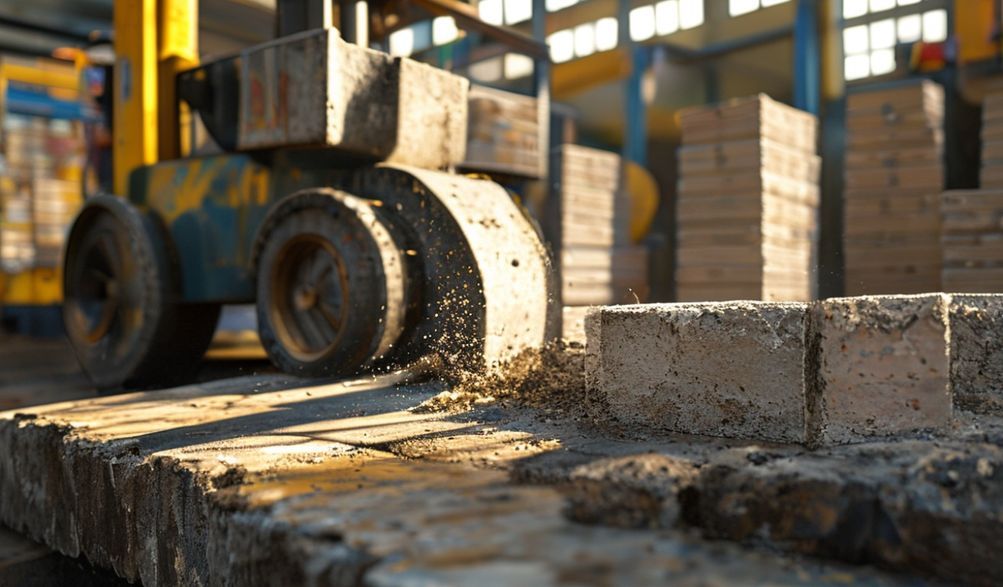
Pilipiniň (2026) Beton Howly Bloklar Ýasama Maşynlary Hakynda Doly Gollanma
Giriş
Şonu şuňa meňzeşiň: Siz Pampangada pudratçysyňyz we blok üpjünçisiňiz ýene gijikýändigi üçin jaý gurluşyk taslamanyňyz wagtlaýyn gysgalýar. Ýa-da bolsa, Siz Sebuda telekeçi bolup, taze gurluşyklaryň yzygiderli akymyna syn edip, “Bu esasy materiallary üpjün etmekde peýdaly mümkinçilik bolmaly” diýip pikir edýärsiňiz. “Gur, gur, gur” döwlet gurluşyklaryndan tutup, welaýatlardaky jaý gurluşygynyň yzygiderli ösüşine çenli, bütin Filippin boýunca hil we arzan gurluşyk materiallaryna bolan talap dowamlydyr.
Bu, özüňiziň üpjünçilik zynjyryňyzy dolandyrmagyň ýa-da girewli biriş—kuwwatly bir düşünje bolup biler. Özüňiziň beton boşlukly blok ýasama maşynyňyza maýa goýmak, diňe enjamlary satyn almakdan has giňişdir; bu garaşsyzlyga, hilini dolandyrmaga we maliýe ösüşine strategiki bir ädimdir. Ýöne bazary geçmek ürkmekli bolup biler. Dogry maşyny nädip saýlamaly? Hakyky maýa goýum näme? Filippin howasynda ony nädip dowamly etmeli?
Bu gollanma, siziň hünärli ýol görkezijiňiz bolmak üçin düzüldi. Ýerli gurluşyk sektorunyň çuňňur bilimine daýanyp, biz size ygtybarly, amaly maslahatlar bereris. Siz Filippin üçin laýyklaşdyrylan maşyn görnüşleriniň, bahalarynyň, ýerli üpjünçileriň we iş amallarynyň iň gowy usullarynyň düşnügini alarsyňyz. Bizim maksadymyz, sizi ygtyýarly sarmat goýmaga we bir ýokary hilli blokdan başlap üstünlikli iş gurmaga bilim bilen üpjün etmekdir.
Beton Howly Blok Maşynlaryny Düşünmek: Görnüşleri we Işleýişi
Sermäge goýunjylyk etmezden öň, nämä satyn alýandygynyzy we onyň çig maly nädip bir döwletiň gurluşyk bloklaryna öwürýändigini düşünmek iň möhümdir.
How Does a Hollow Block Machine Work? (The Basic Process) Hollow block machines, also known as concrete block machines, are used to produce hollow concrete blocks, which are widely used in construction for walls, partitions, and other structural elements. The basic working process of a hollow block machine involves several key steps: 1. **Raw Material Preparation**: The primary materials used are cement, sand, aggregate (such as gravel or crushed stone), and water. These are mixed in precise proportions to form a homogeneous concrete mixture. Sometimes, additives are included to improve properties like strength, durability, or curing time. 2. **Feeding the Mixture**: The prepared concrete mixture is fed into the machine’s hopper. From there, it is transferred to the mold cavity, which is shaped to form the hollow block design (with one or more hollow cores). 3. **Compaction and Vibration**: Once the mixture is in the mold, the machine uses vibration and pressure to compact the concrete. This removes air pockets, ensures even distribution, and gives the block its density and strength. The vibration can be achieved through mechanical or hydraulic systems, depending on the machine type. 4. **Molding and Shaping**: The mold shapes the block and creates the hollow cores. In some machines, a hydraulic press applies high pressure to further compact the mixture into the desired form. 5. **Ejection and Curing**: After compaction, the newly formed block is ejected from the mold onto a pallet or conveyor belt. It is then moved to a curing area, where it is kept under controlled conditions (often with steam or water) to gain strength over time. Proper curing is essential for the block to achieve its full structural properties. 6. **Pallet Return and Repetition**: The empty pallet or mold is returned to the starting position, and the cycle repeats for continuous production. Hollow block machines can be manual, semi-automatic, or fully automatic, with varying levels of output and automation. The basic principle remains the same: mixing, molding, compacting, and curing to produce durable hollow blocks efficiently.
Bir blok ýasama maşynynyň jaýbarlygy, ýönekeý bir prosesi awtomatlaşdyrmak we kämilleşdirmek ukybynda ýatýar. Bu ýerde gysgaça düşündiriş:
- Gatnaşdyrmak:Sement, güýz (ýörite) we suwunyň dogry gatnaşygypinong buhangin), and gravel (batuhan or crushed stone) are mixed with water to form a semi-dry concrete mix. Consistency is key—too wet, and the block won’t hold its shape.
- Galyplama: This mix is fed into a mold box (also called a mold pallet) that shapes the block, creating the characteristic hollow cores.
- Ыкмламак ве титреме: This is the heart of the process. A powerful vibration motor, often combined with hydraulic pressure, compacts the mix tightly into the mold. This removes air pockets and ensures the block’s density and strength.
- Çykarma (Aýyrmak): The freshly formed block is pushed out of the mold onto a flat surface, like a steel pallet or the factory floor.
- Gowulama: The blocks are not yet strong. They must be kept moist and allowed to cure for a minimum of 7-14 days to reach their required compressive strength. Proper curing is non-negotiable for quality.
Types of Machines Available in the Philippine Market
The Philippine market offers a range of machines to suit every scale of operation and budget.
Manual Block Machines
- Iň Gowy: Starters, very small-scale projects, or community-based production.
- Amal: Entirely human-powered. The operator manually fills the mold, engages a lever to compress the mix, and then releases the block.
- Çykyş: Low, typically 300-800 blocks per 8-hour shift, depending on worker stamina.
- Emegeý High. Requires physical effort and multiple workers for meaningful output.
- Bahasy: PHP 15,000 to PHP 60,000.
- Ýerli Bilgi: Common in rural areas for personal use or very small sari-sari store-scale supply. Durability can be an issue with cheaper, thin-gauge steel models.
Ýarym-awtomatiki blok ýasama maşynlary
- Iň Gowy: Small to medium-sized enterprises (SMEs), most profitable for dedicated block-making businesses.
- Amal: The machine uses an electric motor to power the vibration and compaction. Operators manually feed the mix and remove finished blocks, but the core strength-forming process is automated.
- Çykyş: Good to high. Can produce 1,500 to 4,000+ blocks per 8-hour shift, depending on model and crew size.
- Emegeý Moderate. Requires 2-4 persons for efficient operation (feeding, removing blocks, handling pallets).
- Bahasy: PHP 100,000 to PHP 800,000.
- Ýerli Bilgi: This is the “sweet spot” for most Filipino entrepreneurs. It offers an excellent balance between affordability, output, and block consistency. Look for models with a strong vibration table and durable mold frames.
Doly awtomatik blok ýasama maşynlary
- Iň Gowy: Large-scale commercial plants supplying big developers, cities, or export markets.
- Amal: Computer-controlled or PLC-operated. Features automatic material feeding, molding, compaction, block ejection, stacking, and even pallet return systems. Minimal human intervention is needed.
- Çykyş: Very high. Can produce 8,000 to 20,000+ blocks per 8-hour shift.
- Emegeý Low. Primarily for supervision, maintenance, and quality control.
- Bahasy: PHP 1.5 Million to PHP 10+ Million.
- Ýerli Bilgi: A major capital investment. Requires a significant and steady market, reliable three-phase power supply, and a large, covered space. After-sales support from the supplier is absolutely critical.
Mobil we Stasionar Maşinlar
- Мобил блок машыналары: Mounted on a trailer. Perfect for on-site production for large construction projects (e.g., a new subdivision in Bulacan). Eliminates transport costs for blocks but requires moving the machine and setting up raw material supply at each site.
- Стационар машиналар: Set up in a fixed location (a fabrica or plant). Ideal for a supply business serving multiple clients from a central point. Allows for optimized workflow, curing yards, and storage.
Key Benefits of Investing in a Block Making Machine in the Philippines
Beyond the obvious, here’s why this investment makes profound sense in the local context.
Cost Efficiency and Material Control
- Slash Per-Unit Cost: By producing in-house, you remove the middleman’s margin. Your cost becomes raw materials + labor + utilities + depreciation.
- End Supplier Dependence: No more price hikes or delivery delays from external suppliers. You control your own project timeline.
- Sapalyň kepillendirilşi: You select the cement brand and source your aggregates. This ensures every block meets your strength standard, preventing issues with substandard materials that can plague local construction.
Business Opportunity and Income Generation
This is a proven pangkabuhayan. With a semi-automatic machine, you can:
* Supply local hardware stores (hardineras).
* Contract with nearby construction firms and home builders.
* Fulfill government or LGU projects for school buildings or barangay facilities.
* The demand for hollow blocks is consistent and tied to perpetual development.
Supporting Local Construction and Development
Your investment does more than generate income. It:
* Creates local jobs (machine operators, helpers, drivers).
* Keeps capital within the community.
* Directly contributes to the nation’s physical progress by providing a fundamental building material reliably and affordably.
Critical Factors Before You Buy: A Buyer’s Checklist
Don’t buy on impulse. Use this checklist to make a smart, informed decision.
Assessing Your Production Needs and Budget
- Bazar Talaby: Who will you sell to? How many blocks per day do they need?
- Output Calculation: Match the machine’s “blocks per hour” rating to an 8-hour shift, accounting for breaks and setup. Don’t buy excessive capacity you can’t use.
- Total Budget: Factor in ALL costs:
- Machine + Concrete Mixer
- Land rental or space preparation (a leveled, solid foundation is a must)
- Initial stockpile of cement, sand, and gravel
- Utility connections (three-phase power may be needed for larger models)
- Labor costs for at least the first 3 months
Machine Specifications to Scrutinize
When talking to suppliers, ask for the technical sheet and discuss these specs:
* Önümçilik kuwwaty: The “blocks per hour” claim. Ask if this is under ideal lab conditions or realistic operation.
* Блок Өлшемлери: Ensure it can produce the standard sizes: 4″, 5″, and 6″ hollow blocks. Can it also produce paving stones or curbs for diversification?
* Motor Güýji: Measured in HP or kW. More power generally means better compaction for stronger blocks.
* Sikl wagty: How many seconds to produce one block? Faster cycle = higher potential output.
* Machine Weight: Heavier machines are often more robust and stable during high-vibration operation.
Evaluating Quality and Durability for the Philippine Climate
The humid, tropical environment is tough on machinery. Inspect:
* Steel Thickness & Quality: The frame and mold should be made from thick, reinforced steel plates. Tap it—it should feel solid, not tinny.
* Korroziýadan Gorag: Look for high-quality paint or, better yet, powder coating. Critical components should be galvanized or made from stainless steel where possible.
* Titreşim Sistemi: The vibration motor(s) are the core of the machine. Ask about the brand, power, and how they are mounted. A poorly mounted motor will fail quickly.
* Seals and Bearings: Check that moving parts are well-protected from concrete dust and moisture.
Navigating the Philippine Market: Suppliers, Costs, and Logistics
This is where local knowledge is priceless.
Where to Find Reliable Suppliers and Manufacturers
- Key Hubs: Major suppliers are clustered in Metro Manila (particularly Valenzuela and Quezon City), CebuжанаDavao. There are also reputable regional dealers in Pampanga, Laguna, and Iloilo.
- Types of Sellers:
- Local Manufacturers: Some Philippine companies assemble machines using local and imported parts.
- Authorized Importers/Distributors: They bring in machines from China, India, or Europe and provide local support.
- Trust Signals: Always verify. Ask for business permits, visit their showroom/factory, and—most importantly—ask for a list of current clients you can contact. A reputable supplier will be proud to provide references.
Price Range Guide (PHP Investment)
- Elderly Machines: PHP 15,000 – PHP 60,000
- Ýary-awtomatik maşynlar: PHP 100,000 – PHP 800,000 (Common, good-quality entry models for SMEs start around PHP 250,000 – PHP 400,000).
- Doly Awtomatik Maşynlar: PHP 1.5 Million – PHP 10+ Million.
- Note: Prices vary wildly based on capacity, automation level, brand, and steel quality. The cheapest option is rarely the most cost-effective in the long run.
Logistics, Installation, and After-Sales Support
This is your deal-breaker checklist with the supplier:
* Delivery: Is it included in the price? To where? Who handles offloading?
* Gurnama we ýerine ýetirme: Will they send a technician to set it up, level it, and do a test run?
* Training: Non-negotiable. Hands-on training for you and your operators must be part of the package.
* Warranty: What is covered (parts, labor)? For how long (e.g., 1 year)?
* Böleklikleriň elýeterliligi: Do they stock common wear-and-tear parts (molds, vibration motors, springs) locally? What is the lead time for ordering others?
* Техникалық қолдау Is there a hotline? How quickly can they respond to a breakdown?
Operating Your Machine for Success: Tips and Best Practices
Your machine is only as good as the process around it.
The Right Raw Material Mix for Philippine Standards
A common mix ratio for standard 1500-2000 PSI hollow blocks is:
* 1 part cement : 3 parts sand : 2 parts gravel (by volume).
* Use clean, well-graded aggregates. Dirty sand with silt or clay will weaken the block drastically.
* The water-cement ratio is critical. The mix should hold its shape when squeezed in your hand but crumble when poked—a “semi-dry” consistency.
* For higher strength blocks (e.g., for load-bearing walls), increase the cement ratio.
Routine Maintenance for Long Machine Life
Create a daily/weekly/monthly schedule:
* Daily: Clean all concrete residue from the mold, table, and frame. Check for loose bolts and tighten them.
* Weekly: Lubricate all moving parts (pivots, guide rods) as per the manual. Inspect the vibration motor mounts.
* Monthly: Do a thorough inspection of electrical connections, hydraulic hoses (if any), and wear parts like mold liners.
Ensuring Block Quality and Strength
- Curing is King: After molding, keep the blocks under shade (use a curing shed). Spray them with water 2-3 times a day for at least 7 days. Never let them dry out quickly under the hot sun.
- Test Your Blocks: After 7 and 28 days, you can have samples tested for compressive strength at a local engineering lab or perform simple field tests (like a drop test from waist height—a good block shouldn’t break).
- Proper Storage: Stack cured blocks neatly on a level, dry surface. Use wooden planks between layers to prevent cracking.
Frequently Asked Questions (FAQ)
Q1: What is the total starting investment needed for a small block-making business in the Philippines?
A: For a small-scale operation with a semi-automatic machine, prepare a total capital of approximately PHP 500,000 to PHP 1,000,000. This should cover:
* Machine & Mixer: PHP 300,000 – 500,000
* Space Preparation/Rental (3 months): PHP 30,000 – 100,000
* Initial Raw Materials (100 bags cement + aggregates): PHP 50,000 – 80,000
* Labor & Utilities (3 months buffer): PHP 50,000 – 100,000
* Contingency Fund: PHP 50,000+
Q2: How many blocks can a semi-automatic machine produce in an 8-hour shift?
A: A realistic range is 1,500 to 3,500 pieces, depending on the model’s cycle time, crew efficiency, and block size. Producing smaller 4″ blocks is faster than 6″ blocks. A well-organized team is crucial to hitting the higher end of the range.
Q3: Is there training provided when you buy a machine?
A: Absolutely, and this is a red flag if a supplier doesn’t offer it. Reputable suppliers include 1-3 days of hands-on, on-site training for you and your operators as part of the purchase. This covers operation, basic maintenance, and mix formulation.
Q4: What are the most common problems with block machines and how do I fix them?
A:
* Cracked Blocks: Usually caused by improper mix (too dry/too wet), insufficient vibration, or rough handling during ejection. Adjust the water content and ensure the vibration motor is working at full power.
* Blocks Sticking in Mold: The mold may be worn, damaged, or not lubricated. Apply a recommended mold release agent (like used motor oil, thinly) and inspect the mold interior for dents.
* Slow or Weak Vibration: Check the power supply (voltage drop is common). Inspect the vibration motor mounts—if they are broken, the motor isn’t transferring energy efficiently.
Q5: Where can I find a good source for affordable cement and aggregates?
A: Build direct relationships. For aggregates, visit or contact local quarry operators in Rizal, Bulacan, or your province. Buying directly from the quarry in bulk (by truckload) is cheapest. For cement, contact authorized distributors of major brands (e.g., Holcim, Republic, Eagle) for bulk pricing, rather than buying retail from hardware stores.
Netije
Embarking on the journey of acquiring and operating a concrete hollow blocks making machine in the Philippines is a significant step that blends savvy entrepreneurship with tangible nation-building. We’ve walked through the essentials—from decoding the types of machines and their operations, to weighing the substantial benefits, navigating the local market with a critical eye, and mastering the practices that ensure long-term success.
The viability of this venture is underscored by the relentless demand of the Philippine construction sector. Your success hinges on thorough research, a commitment to quality, and choosing a partner-supplier who offers not just a machine, but reliable after-sales support. Use this guide as your benchmark when evaluating options.
Your Call to Action: Don’t just buy from a brochure. Visit supplier showrooms, demand live demonstrations, and speak directly to their current customers. See the machine in action and ask the hard questions about support and parts. This due diligence is your best investment.
By making informed decisions, you’re not just securing a profitable business future for yourself and your community; you’re literally laying the foundation for the country’s growth, one strong, reliable hollow block at a time.
<