
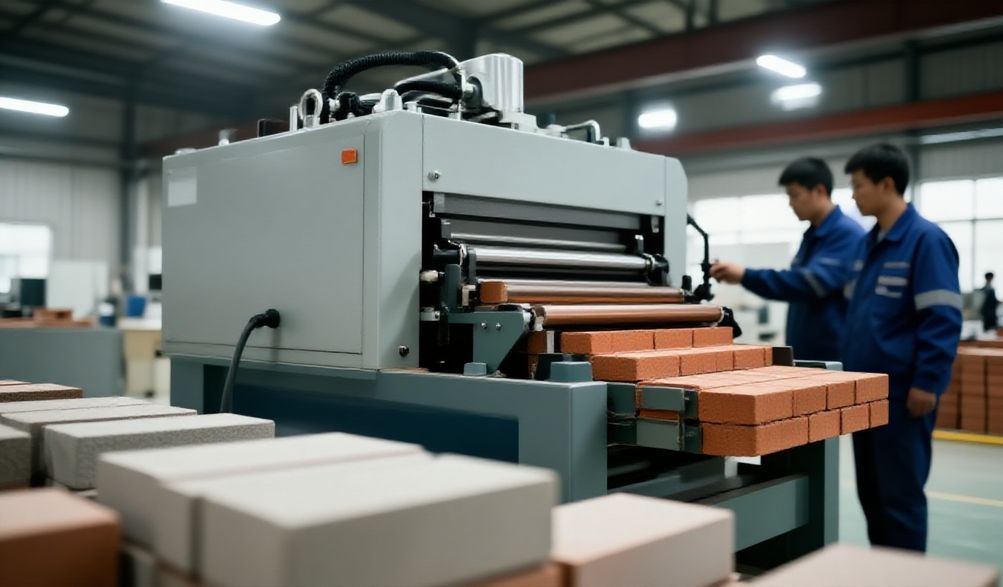
چینде ишеничли кичине кирпич ясаг станок заводуны тапмак үчин төвүнҗи ҳайванлык гөзгүңүз
Giriş
Dünýä gurluşyk senagaty netijelilik we elýeterlilik esasynda ösýär. Uly maksatly infrastruktura taslamalaryndan tutup, jemgyýetçilik tarapyndan goldanylýan jaý-ýaýlaw başlangyçlaryna çenli, ygtybarly, tygşytly gurluşyk materiallaryna bolan talap ähli ýerde birmeňzeşdir. Bu talabyň merkezinde bir esasy enjam ýerleşýär: kerpiç ýasama maşyny. Bu enjamlary üpjün etmek gelende, bir ýurt şübhesiz öndürijilik merkezi hökmünde durýar—Hytaý.
Emma, şöyle düşünün: başarılı bir satın alma yolunda genellikle bir dizi engelle karşılaşılır. Her biri "en iyisi" olduğunu iddia eden çevrimiçi tedarikçiler denizinde nasıl yol alırsınız? Binlerce kilometre uzaktan kaliteyi nasıl doğrulayabilirsiniz? Adil bir fiyat mı alıyorsunuz ve hangi gizli maliyetler ortaya çıkabilir? Uluslararası lojistiğin ve satış sonrası desteğin karmaşıklıkları bunaltıcı hissedebilir.
Bu gollanma siziň giňişleýin çözgüdiňizdir. Biz seneler dowamyndaky senagat tejribesini, zawod teksiriwlerini we öndüriş we eksport prosesleriniň çuňňur bilimini bir hereket ediji çeşmä birleşdirdik. Biziň maksadymyz, Hytaýda ygtybarly kiçi kerpiç ýasama maşyny zawodyny kesgitlemek, bahalandyrmak we ynamly hyzmatdaşlyk etmek üçin zerur bilim bilen üpjün etmekdir. Bu gorkuly wezifäni strategiki we peýdaly işe öwürmegiňize kömek edeliň.
Китайдан кичинекей кыш кесе машинасын не үчин сатып алыш керек?
Maşynlary importirlemek üçin karar etmek ähmiýetli çözgüt. Hytaýyň hödürleýän üstünliklerini düşünmek, halkara çeşmelerini gözlemek üçin zerur bolan çykdajylary aklaýyn etmäge kömek eder.
Эффективлӧлик-харжылылык жана арекетчилик бағалар
جۇڭگو ئىشلەپچىقىرىش كۈچى كۆلەم ئىقتىسادى ۋە ئىنتايىن ئۆلگىگە كەلگەن تەمىنات زەنجىرىگە قۇرۇلغان.
* Öndürijilik çykdajylaryny peseltmek: Concentrated industrial clusters for steel, hydraulics, and electronics mean factories get raw materials and components at highly competitive rates.
* Göni Týarýaýyş: By sourcing directly from a manufacturer, you eliminate multiple middlemen, translating to a better price for you without compromising your margin.
Extensive Variety and Customization Options
Whether you’re a startup or looking to expand an existing operation, you’ll find a machine that fits.
* Full Spectrum of Automation: Options range from simple, manual press machines to semi-automatic and fully automatic block makers with robotic pallet handling.
* Product Flexibility: Factories produce machines for various brick types—solid, hollow, interlocking, paving blocks, and more.
* Tailored Solutions: Many factories offer customization for specific output capacities, brick dimensions, and power requirements (electric, diesel, or hybrid).
Öňdebaryjy önümçilik mümkinçilikleri
The perception of Chinese manufacturing has evolved dramatically.
* Modern Technology: Leading factories utilize CNC (Computer Numerical Control) machining, laser cutting, and automated welding for precision and consistency.
* Improved Quality Control: There’s a growing emphasis on quality, with reputable factories implementing strict QC protocols at every production stage, from material inspection to final performance testing.
Established Export Infrastructure
Chinese suppliers are experts in global trade.
* Seamless Process: They are well-versed in export documentation, customs declarations, and international shipping terms (Incoterms).
* Global Ýetiriji: They have established relationships with freight forwarders and shipping lines to destinations worldwide, simplifying logistics for you.
Key Factors in Choosing the Right Factory
Not all factories are created equal. Your due diligence must focus on these critical areas to separate the reliable partners from the rest.
Assessing Factory Experience and Specialization
A long history often indicates stability and accumulated knowledge.
* Look for Specialization: A factory that specifically mentions “small” or “medium-sized” brick making machinery is preferable to a general heavy machinery maker. They understand the unique needs of smaller operations.
* Ask for Case Studies: Request examples of past projects, especially those in your region or with similar production goals.
Verifying Production Capacity and Quality Control
This step is crucial to ensure you’re dealing with a real manufacturer.
* In-House Production vs. Trader: Insist on evidence of manufacturing capability—factory floor videos, photos of workshops, and lists of production equipment.
* Certifications Matter: Look for valid international certifications like ISO 9001(Saplylyk Dolandyryşy) weCE (for the European market, but it indicates adherence to safety standards).
* Komponentiň Hil Derejesi Inquire about the brand and grade of key components: pressure-bearing steel plates, hydraulic pumps (e.g., Rexroth, Yuken), PLC systems, and motors. Superior components define machine longevity.
Evaluating Technical Expertise and R&D
Your machine must work with your local conditions.
* Material Adaptation: A good factory will ask about your local raw materials (soil, clay, fly ash, cement ratio) and may request samples to test.
* Technical Dialogue: They should be able to discuss technical drawings, pressure settings, and cycle times knowledgeably. A strong R&D department is a sign they innovate and solve problems.
Analyzing Communication and Professionalism
Your first interactions are a telling preview of future after-sales support.
* Responsiveness: Timely and clear replies to emails or messages are a basic but vital sign of professionalism.
* Transparent Quoting: A detailed, itemized Proforma Invoice (PI) is a positive sign. Vague quotes are a red flag.
A Step-by-Step Supplier Vetting Process
Follow this structured approach to minimize risk and make an informed decision.
Initial Sourcing and Shortlisting
Cast a wide net, but use smart filters.
* Use Precise Keywords: Search beyond the main keyword. Try “manual brick making machine,” “small block making machine,” “mobile brick press,” or “clay brick machine factory.”
* Leverage B2B Platforms: Sites like Made-in-China.com, Alibaba.com, and Global Sources are good starting points. Use filters for “Verified Suppliers,” “Assessed Suppliers,” or “Gold Members.”
* Industry Directories: Look for suppliers listed in construction machinery expos or industry association websites.
Due Diligence: Beyond the Website
Anyone can have a flashy website. Your job is to verify reality.
* Request Business Licenses: Ask for their Business License (营业执照). Check the registered capital and scope of business.
* Demand Visual Proof: Request a recent factory audit report (from a third party like SGS or BV) or a live video tour via WhatsApp/WeChat.
* Check Consistency: Verify that the company name, address, and contact details are consistent across their website, B2B profile, and license.
The Critical Role of Samples and Factory Visits
Nothing replaces seeing and touching the product.
* Order a Sample Machine or Key Component: If a full machine sample is too costly, request a critical component like a mold or a hydraulic control panel to assess workmanship.
* Consider a Factory Visit: If your order volume is significant, an in-person visit is invaluable. Alternatively, hire a reputable third-party inspection company to conduct a pre-shipment inspection.
Scrutinizing Quotations and Contracts
The devil is in the details. Read every line.
* Break Down the Proforma Invoice (PI): It should clearly list:
* Machine model and specifications.
* Unit Price and Total Price.
* Incoterms (e.g., FOB Shanghai, CIF Durban).
* Payment Terms (e.g., 30% deposit, 70% before shipment).
* Warranty period (typically 12 months).
* Delivery time.
* Clarify After-Sales: Ensure the contract includes clauses for technical support, provision of installation manuals, and spare parts availability.
Navigating Logistics and After-Sales Support
A successful purchase isn’t complete until the machine is running smoothly at your site.
Understanding Shipping and Incoterms
Know who is responsible for what.
* FOB (Эркин Бортда): You pay for the machine loaded on the ship. You are responsible for main shipping freight, insurance, and import clearance. Offers more control.
* CIF (Баха, Ысгатма ве Фрахт): The supplier arranges and pays for shipping and insurance to your nearest port. Simpler for you, but less control over freight costs.
* EXW (Ex Works): You take responsibility at the factory gate. Only recommended for experienced importers with reliable freight forwarders.
Essential Documentation for Import
Work with your supplier to secure these documents for smooth customs clearance:
* Commercial Invoice
* Packing List
* Bill of Lading (Sea) or Air Waybill (Air)
* Certificate of Origin
* Equipment Manuals (in English)
* CE/ISO Certificates (if applicable)
After-Sales Service: Installation, Training, and Spare Parts
This is where a good factory becomes a great partner.
* Installation Support: Expect detailed PDF manuals, video tutorials, and wiring diagrams. Many factories offer real-time guidance via video call.
* Operator Training: They should provide comprehensive operational and maintenance training materials.
* Ehtiyat Bölümleri: A professional factory will provide a spare parts catalog with part numbers. Confirm the lead time for critical spare parts.
Building a Long-Term Partnership
View this as the start of a business relationship.
* Clear, respectful communication fosters trust.
* A reliable partner may offer better pricing on future orders or molds.
* You’ll receive priority support for troubleshooting and technical advice.
Common Pitfalls and How to Avoid Them
Forewarned is forearmed. Be vigilant against these common issues.
The Trading Company vs. Manufacturer Dilemma
- Pitfall: Paying a premium to a middleman who adds no value and may lack technical knowledge.
- Avoidance: Ask direct questions: “Are you the factory?” “Can I see your workshop video?” “What is your main production equipment?” Insist on visiting the production facility virtually or physically.
Hidden Costs and Unrealistic Quotes
- Pitfall: A quote that seems too good to be true usually is. Hidden costs for molds, spare parts kits, tooling, or “export fees” may appear later.
- Avoidance: Request a detailed, all-inclusive quotation. Ask: “Is this price inclusive of a standard mold?” “What is not included in this price?”
Quality Compromises on Materials
- Pitfall: Machines built with inferior steel or generic hydraulics will wear out quickly, leading to constant downtime and repair costs.
- Avoidance: Specify your requirements for material grades and component brands in the contract. “The main frame must be constructed from Q235/B steel. Hydraulic system to use a recognized brand pump and valves.”
Inadequate Technical and Spare Parts Support
- Pitfall: Receiving poorly translated manuals and finding that no spare parts are available when a critical component fails.
- Avoidance: Request sample manual pages before ordering. Confirm the availability and lead time for a shortlist of high-wear spare parts (like seals, wear plates, and relays).
FAQ: China Small Brick Making Machine Factory
Q1: What is the average price range for a small brick making machine from China?
A: Prices vary immensely based on automation and capacity. A simple manual or egg-laying mobile machine can start from 1,500-den 5,000 dollara çenli. Semi-automatic models often range from $8,000 to $25,000. Fully automatic small block making machines can cost $30,000 to $70,000+. Always request a detailed quote based on your specific needs.
Q2: Can the machine be customized for my local raw materials?
A: Yes, reputable factories often can. The key is communication. Be prepared to send a 5-10kg sample of your local soil/clay/fly ash for the factory to test. They can then recommend the optimal mix ratio and potentially adjust machine pressure and mold design.
Q3: How do I handle machine installation if I can’t get a technician from China?
A: Most buyers handle installation locally. A reliable factory will provide:
* Clear, step-by-step assembly drawings and video guides.
* Remote installation support via video call (Zoom, WhatsApp).
* Comprehensive electrical and hydraulic diagrams.
You can hire a local mechanic or welder, with the factory’s remote engineer guiding them through the process.
Q4: What is the typical production lead time and shipping time?
A:
* Production Lead Time: For standard models, expect 15-30 days after deposit. Customized machines may take 30-45 gün.
* Shipping Time: This depends on your destination. Sea freight to major ports in Africa or Europe typically takes 30-45 gün. To Southeast Asia or the Middle East, it may be 15-25 days. Always factor in additional time for port clearance and inland transportation.
Q5: What payment methods are safest when dealing with a Chinese factory?
A: The most common and balanced methods are:
* T/T (Bank Transfer) with Deposit: e.g., 30% deposit to start production, 70% balance after seeing photos/videos of the finished machine before shipment.
* Letter of Credit (L/C): More secure for large orders, but involves bank fees. It guarantees payment to the supplier upon presentation of shipping documents.
* Avoid making 100% payment upfront before production or shipment.
Netije
Sourcing a small brick making machine from China is a journey that rewards careful planning and diligent research. By following the steps outlined—conducting thorough research, rigorously vetting factories, insisting on clear contracts, and planning for logistics and after-sales—you transform risk into opportunity.
Remember, the goal is not just to buy a machine; it’s to secure a productive asset and a reliable technical partner for years to come. Prioritize factories that demonstrate experience, transparency, and technical proficiency. While the lowest price is tempting, the long-term value of reliability, quality output, and dependable support is the true key to profitability.
Use this guide as your checklist. Move forward with confidence, ask the hard questions, and build the partnership that will lay the foundation for your success.
Have specific questions about your sourcing project? Or perhaps you’ve navigated this process before? Share your thoughts and experiences in the comments below to help our community of entrepreneurs and builders learn and grow together.
<