
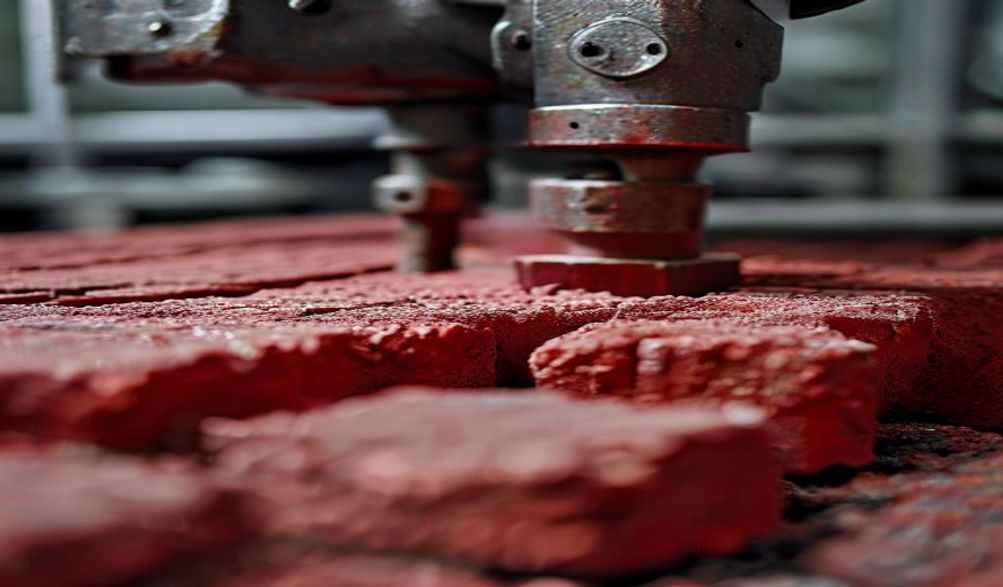
Hytda, Kyrgyzystanda dogry kerpiç ýasaýan maşyny saýlamak barada 2026-njy ýylyň hünärmen gollanmasy.
Günorta Hytaýyň kerpiç önümçilik enjamlarynyň giň we çylşyrymly bazarynda ýol tapmak, sizi gysga wagtyň içinde gark edip biler. Siz sanardan köp hyzmatdaşlar, başaşaň duran tehniki aýratynlyklaryň köp sanlysy we ýokary derejeli netijeler bilen ýüzbe-ýüz galýarsyňyz, sebäbi saýlamaňyz gönüden-göni taslamaňyzyň girdejililigini we dowamlylygyny kesgitleýär. Senagat satyn alyşlarynyň tejribeli hünärmenleri hökmünde biz bu kararyň ähmiýetini gowy bilýäris. Nädogry maşyny saýlamak, ýykylýan maddy ýitgilere, hemişelik önümçilik kynçylyklaryna we gymmat bahaly iş wagtynyň ýitmegine sebäp bolup biler. Tersine, dogry maşyn, geljek birnäçe ýyllar ösüşi goldaýan esasy maýa goýumdyr.
Bu gollanma gürrüňleriň arasyndan geçmek üçin düzüldi. Ol teoriýa syn beriş däl, aýratyn-da hytaý önümçiliginde, hil standartlarynda we halkara satyn alyş işlerinde çuň praktiki tejribeden dörän ädimme-ädim iş ýörelgesi. Maksadymyz size ynamly we dogry karar bermek, ygtybarly üpjün ediji bilen üstünlikli hyzmatdaşlyk gurmak üçin zerur bilimleri bermekden ybarat. Geliň, ilki bilen iň möhüm faktora, ýagny öz islegleriňize üns bereliň.
Önümçilik zerurlyklaryňyza we spesifikasiýalaryňyza düşünmek
Haryt ýa-da broşura seretmezden ozal, taslamaňyzyň talaplaryna düýbünden düşünmeli. Köplenç howlukmaç ýerine ýetirilýän bu esaslandyryjy ädim, üstünlikli maýa goýumlarynyň hakykatdanam dörän ýeridir. Bu,tejribeBaşdan dogry soraglary soraň.
Taslamaňyzyň möçberini we netije maksatlarynyňyzy bahalandyrmak
Ýerli bir jemgyýeti üpjün edýän başlangyç, önüm liniýasyny giňeldýän orta iş, ýa-da uly göwrümli zawod gurýan senagat oýunçy bolsaňyz, işiňiziň giňişligi hemme zady kesgitleýär.
- Kiçi Göwrümli/Hünärmentçilik:Adatda günde 1 000-den 5 000-e çenli kerpiç gerek. El bilen ýa-da ýönekeý ýarym awtomatiki enjamlar üçin amatly.
- Ortalyk TijaretGünde 5,000-den 30,000-e çenli kerpiç. Bu, ygtybarly ýarym awtomatiki we başlangyç derejeli doly awtomatiki liniýalaryň ugry.
- Uly senagat önümçiligi:Günde 30,000+ kerpiç talap edýär, köplenç 20+ sagat işleýär. Bu, integrişlenen el işleri ulgamy bolan doly awtomatiki zawody talap edýär.
Here is the translation of the text "Actionable Step:" to Turkmen: "Amala aşyrylyan ädim:"Hasapla gerekli çykyşyňy diňe gündelik jemi hökmünde däl, eýsemсағatda garyndy. Consider your working hours per shift. Most importantly, factor in realistic future expansion plans. Investing in a machine that can’t grow with you is a common and expensive mistake.
Defining Your Brick Type and Quality Requirements
Not all bricks are created equal, and neither are the machines that make them. Your product defines your process.
- Kerpiç Görnüşi: Are you making solid bricks for structural walls, hollow blocks for insulation and lighter weight, perforated bricks, paving bricks, or specialized interlocking bricks for dry-stack construction?
- Quality Parameters: Define the non-negotiable standards.
- Ölçüler: Tolerances are critical. A ±1mm variance is very different from a ±5mm variance.
- Ыкмалык беркдиги: Measured in MPa or N/mm². This is a core function of the machine’s pressure.
- Ýüziniň öňü: Does it need to be smooth, textured, or wire-cut?
- Çygmalar: The nature of your local clay is paramount. Analyze its plasticity, shrinkage rate, and moisture content. Some machines excel with soft, high-moisture clay (extruders), while others are built for stiffer mixes (hydraulic presses).
Key Machine Specifications to Define First
With your output and product defined, you can now translate that into technical specs.
- Pressure & Capacity: Look for cycle time (seconds per brick or blocks per cycle) and pressing force (measured in tons). Higher tonnage generally correlates with higher density and strength.
- Awtomatlaşdyryş derejesi: This is a major cost and efficiency driver.
- Gollanma: Lowest cost, highest labor, lowest output.
- Ýary-awtomatik: Some processes (like feeding, pressing) are automated, but handling is manual. A good balance.
- Doly Awtomatik: From raw material to stacked pallets, the process is automated with PLC control. High output, consistent quality, higher investment.
- Güýç Çeşmesi: Choose between electric (most common, requires stable grid), diesel (for remote sites), or hybrid models.
A Deep Dive into Types of Clay Brick Making Machines
Understanding the core technologies available is where hünärlik separates the savvy buyer from the confused one. Here’s a breakdown of the main machine categories.
Elýeter we Ýary-awtomatik Maşynlar
These are the workhorses for specific, often entry-level, scenarios.
- Идеал Улanylýş Ýagdaýlary: Start-ups with tight capital, small-scale community projects, pilot projects, or artisanal production where labor is readily available.
- Artalary: Significantly lower initial investment, mechanical simplicity which can mean easier repairs, and lower technical skill requirements for operation.
- Kemçilikler: High labor intensity, lower and less consistent output, higher physical strain on workers, and more variable product quality.
Doly Awtomatik Kerpiç Ýasama Zawodlary
This is a complete production system, not just a single machine. It represents the pinnacle of efficiency for serious commercial production.
- Esasy Bölümler: A full plant integrates a feeder, mixer (for clay and additives), extruder or press, cutter, transfer system, stacking robot, and pallet return conveyor.
- Ideal Üçin: High-volume, 24/7 production where consistency, labor cost savings, and output predictability are critical.
- The Control Center: Modern plants are governed by Programmable Logic Controller (PLC) systems. These allow for precise control over every parameter (pressure, time, speed) and provide diagnostic data, which is invaluable for maintenance and troubleshooting.
Specialized Machines: Extruders vs. Presses
The choice between extrusion and pressing is fundamental and depends on your clay and brick type.
- The Extrusion Method: An auger system forces soft, plastic clay through a die to form a continuous column of material, which is then cut to length. This is the dominant method for producing hollow blocks, perforated bricks, and roofing tiles. It’s excellent for continuous production with softer clays.
- The Hydraulic Press Method: Clay is fed into a mold, and a high-tonnage hydraulic ram compresses it into a dense, precise shape. This method is superior for producing high-strength solid bricks, paving stones, and interlocking blocks. It achieves higher density and better dimensional accuracy, especially with stiffer clay mixes.
The Rule of Thumb: Soft clay for hollow products → lean towards extrusion. Stiffer clay for dense, solid products → lean towards hydraulic pressing. Many Chinese manufacturers offer hybrid solutions.
Evaluating Chinese Manufacturers: A Due Diligence Framework
This is the most critical phase. Your ability to rigorously vet suppliers establishes your awtoritarlık and builds the foundation for ynan. A glossy website means very little.
Research and Shortlisting Strategies
Move beyond the first page of Alibaba search results.
- Use Multiple Channels: Leverage specialized B2B platforms like Made-in-China.com, industry directories, and global trade associations for construction machinery. Search for manufacturers by their factory location. Key industrial hubs for brick machinery include:
- Фуцзянь провинциясы: A major hub for construction machinery.
- Shandong Eýelaty: Known for heavy industrial equipment.
- Guwantan Eýelaty: A center for manufacturing and export.
Verifying Manufacturer Credentials
Dig into the hard facts behind the sales pitch.
- Business License & History: Use third-party services to verify their business license. How long have they been operating? A 15-year-old company has more proven staying power than a 2-year-old one.
- Certifications – Read Beyond the Logo:
- ISO 9001: Indicates a documented quality management system. Ask for the certificate.
- CE Белгиси: For machines sold into Europe, it’s a legal requirement for safety. Ensure it is backed by a technical file, not just a self-declaration.
- SGS/BV Inspection Reports: These are gold. They show a third party has verified the machine’s function and specifications.
- Technical Capability: Do they have an in-house R&D and engineering team? Do they hold patents for their technology? This signals investment in innovation, not just assembly.
The Critical Role of Customer References and Site Visits
This is your most powerful due diligence tool.
- Request Specific References: Ask for contact information for 2-3 clients in your region or a similar climate who have purchased a comparable machine in the last 2-3 years. A global reference list is less useful than one from a neighboring country.
- Conduct a Factory Audit (Virtual or In-Person):
- Virtual: Insist on a live video call (not a pre-recorded tour). Ask to see the workshop floor, the welding bays, the painting process, and the quality control station. Ask them to show you machines in various stages of assembly.
- In-Person: If possible, nothing beats walking the factory floor. Look for organization, worker skill, and the quality of work-in-progress.
- Inspect QC Processes: Where are critical components (hydraulic cylinders, PLCs, motors) sourced? Are they from reputable brands (Siemens, Schneider, Yuken) or no-name substitutes? This is a major differentiator.
The Procurement Process: From Quote to After-Sales
Navigating the logistics, contracts, and quality checks is where real-world tejribe prevents costly errors.
Deciphering Quotes and Negotiating Terms
A quote is more than just a price.
- Understand Incoterms: This defines risk and cost responsibility.
- Экспортчунуң заводунда (Экспортчунуң заводунда тапшырылýан ýeri). You own and manage everything from the factory gate. Highest control, highest complexity.
- FOB (Эркин Бортда): Supplier delivers to the port and loads on your ship. You handle sea freight and insurance. Most common.
- CIF (Cost, Insurance, Freight): Supplier delivers to your nearest port. Simpler for you, but you have less control over freight costs.
- Quote Inclusions: Ensure the quote explicitly lists all molds for your brick types, a standard set of spare parts (filters, seals, gaskets), and essential tools.
- Payment Terms: Secure methods protect you. A 30% deposit, 60% against copy of shipping documents, and 10% after successful installation is standard. Use Letters of Credit (LC) for large orders. Be wary of suppliers demanding 100% upfront.
Quality Assurance Before Shipment
Never let a machine ship without verification.
- Pre-Shipment Inspection (PSI): Hire a third-party inspection company (like SGS, BV, or Intertek) to visit the factory, check the machine against the purchase order, and witness a test run. This fee is insignificant compared to the cost of receiving faulty goods.
- Factory Acceptance Test (FAT): If possible, send your engineer or agent to witness a full trial run using a sample of your actual clay. This tests the machine’s performance with your material, not just ideal demo clay.
- Document Review: Before final payment, receive and review all manuals (in your language), electrical and hydraulic diagrams, and the detailed packing list.
After-Sales Support: The Make-or-Break Factor
The quality of after-sales support is what separates a good supplier from a great partner.
- Warranty: A standard warranty is 12 months for parts, excluding wear items. Clarify: Who pays for labor? Who pays for shipping of defective parts?
- Technical Documentation: Are the manuals, PLC programs, and diagrams provided in clear English (or your language)?
- Ehtiyat Bölümleri: What is the policy? Are common parts kept in stock? What are the lead times? Do they have a distributor or agent in your region?
- Training: Does the price include training for your operators and maintenance staff at your site? This is crucial for smooth commissioning.
FAQ: Your Top Questions on Sourcing from China, Answered
Addressing these common concerns head-on builds yşançlylyk and transparency.
Q1: What is the typical price range for a clay brick machine from China?
A: The range is vast, from around $5,000 for a basic manual machine to over $500,000 for a large, fully automatic plant. The key is to understand that the cheapest upfront price is often the most expensive long-term due to frequent breakdowns, poor support, and production losses. Budget for value and total cost of ownership.
Q2: How can I ensure the machine quality without visiting China?
A: Implement a multi-layered verification strategy: 1) Conduct live video factory tours, 2) Hire a reputable third-party inspection firm for a PSI, 3) Request and scrutinize high-resolution videos of the machine performing a test run, 4) Speak directly to verified overseas clients provided by the supplier.
Q3: What are the hidden costs I should budget for?
A: Always account for:
* Sea freight, insurance, and port handling fees.
* Import duties, taxes, and customs clearance agent fees in your country.
* Local costs for a strong, level concrete foundation.
* Electrical work, potentially including transformers or generators.
* An initial kit of critical spare parts.
* Costs for technician travel and accommodation during installation.
Q4: How long does it take from order to installation?
A: Plan for a 4 to 6 month timeline on average:
* Manufacturing: 30 to 90 days.
* Shipping by Sea: 30 to 60 days.
* Customs Clearance: 7 to 14 days.
* Installation & Commissioning: 7 to 21 days.
Q5: Is it better to buy a new machine or a used one from China?
A: For most first-time international buyers, a new machine from a reputable manufacturer is strongly advised. You receive a full warranty, updated technology, and (with the right supplier) dedicated support. Used machines carry significant risks of hidden wear, obsolete controls, and zero support, and should only be considered if you or a trusted expert can inspect them in person.
Conclusion: Your Path to a Successful Investment
Choosing the right clay brick making machine in China is a strategic business decision that hinges on three pillars: Know Your Needs, Research Manufacturers Deeply, and Never Compromise on After-Sales Support. This process is not merely about purchasing a piece of equipment; it is about forming a productive, long-term partnership with a capable and reliable Chinese supplier.
By following the framework outlined in this guide—from defining your precise specifications to conducting rigorous due diligence and securing robust after-sales terms—you move beyond being just a buyer. You become an informed partner. Use this knowledge to engage with suppliers confidently, ask the hard questions, and ensure your investment lays a strong, profitable foundation for your brick-making business for years to come.
This guide was compiled by our industrial machinery sourcing team with over 15 years of hands-on experience in procuring, commissioning, and optimizing construction and brick-making equipment from Asia for projects across global markets.
<