
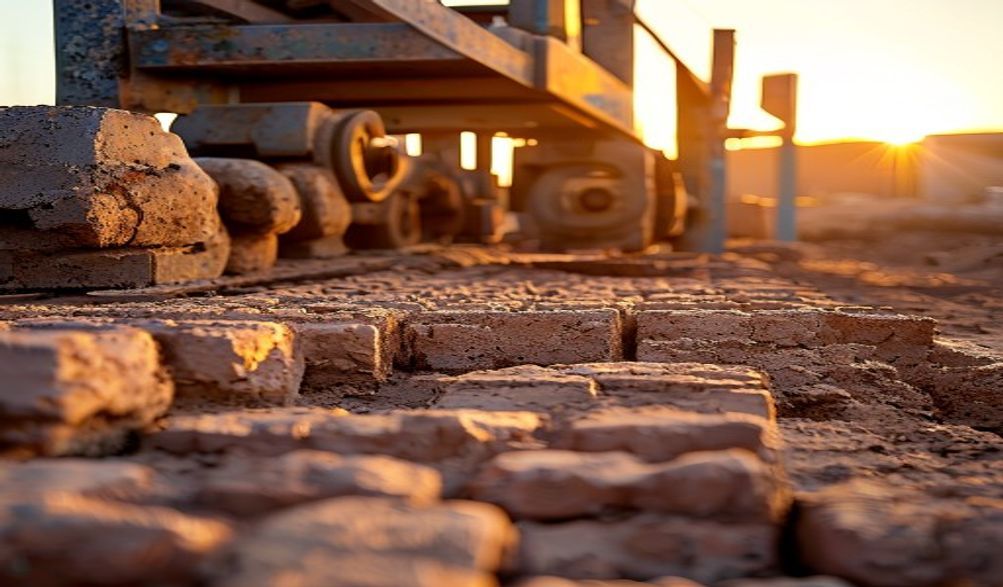
El bilen birikdirilen kerpiç ýasaýan maşyny nädip saýlamaly: Bahasy we gymmatlygy barada gollanma
Giriş
Sen bu ýerde, çünki sen mümkinçiligi görýärsiň. Öýleri, diwarlary ýa-da gülläp ösýän biznesi gurup başlamak mümkinçiligi. Sen bilýärsiň, el bilen işleýän interlok kerpiç gurnaýjy maşyn açary bolup biler – çig topragy we sementi gymmatly, sementli kerpiç bloklaryna öwürýän gural. Emma "el bilen işleýän interlok kerpiç gurnaýjy maşynyň bahasy" üçin çalt gözleg, şübhe döredýän arzanlykdan göz ýetiriji gymmatlyga çenli köp sanly warianty görkezýär.
Bu siziň esasy kynçylygyňyz: baha bilen öndürijiligi nädip deňleşdirmeli? Diňe baha esaslanýan saýlamak, gymmat bahaly ýalňyşlygyň iň çalt ýoludyr. 1000 kerpiçden soň işlemeýän maşyn arzan däl, ol yza çekiş.
Bu gollanma bulaşyklygy aradan aýyrmak üçin düzüldi. Biz diňe baha belliklerini görkezmän, olary nämäniň herekete getirýändigine düşünmäge mümkinçilik bereris. Siz hakyky gymmaty bahalandyrmagy, hilini seljermegi we maşyny öz zerurlyklaryňyza laýyklaşdyrmagy öwrenersiňiz. Ahyrynda, başlangyç bahasy pes bolman, uzak möhletli ygtybarlylyk we girdeji getirýän maýa goýum etmäge taýýar bolarsyňyz.
El bilen zabyrlanýan kerpiç maşynlaryny düşünmek: Esas düşünjeler ilki
Bahalary deňeşdirmezden ozal, nämäni satyn alýandygyňyzy düşünmek möhümdir. Bu esasly bilim sizi has aňsat alyjy eder.
Manual Interlocking Brick Making Machine nämädir?
El bilen işleýän interblok kirpiç ýasaýjy maşyn, çygly çig materiallary (adatça toprak, sement we käwagt gum garyndysy) mehaniki lewerik arkaly gysyp, ýokary dykyzlykdaky kirpiçlere öwürýän adam güýji bilen işleýän enjamdyr. Onuň esasy aýratynlygy, kirpiçleriň üstünde we gapdallarynda bir-birine girişýän çykyntgy we ýönekeýler emele getirýän ýöriteleşdirilen galypdyr.
Jady bu biri-birine berkidilen düzülişde ýatyr. Döşelende, bu kerpiçler biri-birine ýapyşýan tapmaca bölekleri ýaly birleşip, harç gerek bolmazdan durnukly diwarlary emele getirýär. Bu gurluşyk wagtyna, işçi güýjüne we material çykdajylaryna ep-esli tygşytlylyk getirýär, şeýle hem gurnamagy aňsatlaşdyrýar we ýer titremelerine çydamly bolmaga mümkinçilik berýär.
Beýleki usullaryň ýanynda esasy üstünlikler
Why choose a manual machine? Here’s how it stacks up:
- Vs. Motorized/Electric Machines: Lower upfront investment, zero operating electricity costs, simpler maintenance, and superior portability for on-site production.
- Vs. Traditional Fired Bricks: No kiln or firing process is required, making it vastly more energy-efficient. It also allows for the use of locally available soil (often stabilized with a small amount of cement), reducing material costs and environmental impact.
Common Applications and Project Suitability
These machines are versatile, but it’s important to match them to the right scale. Ideal use cases include:
* Jaý gurluşygy: Building single-family homes, extensions, and farm structures.
* Perimeter & Retaining Walls: Creating durable, attractive boundary and garden walls.
* Pavements & Walkways: Producing paving stones for driveways, paths, and patios.
* Jemgyýet we Ösüş Taslamalary: A perfect tool for NGOs or community-led housing initiatives.
* Small-to-Medium Enterprise (SME) Production: Starting a blockyard business to supply bricks for local construction.
The Real Factors That Determine Machine Price
The price tag is a reflection of several underlying value drivers. Understanding these turns you from a passive buyer into an expert evaluator.
1. Production Capacity & Brick Output
This is often the most advertised spec: Bricks Per Hour (BPH). Price climbs with output.
* Low-Capacity (50-100 BPH): Suitable for hobbyists or very small, intermittent projects.
* Standard-Capacity (150-300 BPH): The sweet spot for small businesses and serious project work. Requires a consistent 2-3 person team for feeding, operating, and brick handling.
* High-Capacity (400+ BPH): Heavy-duty machines designed for commercial production. They often feature multi-cavity molds and require a well-organized crew.
2. Build Quality & Material Durability
This is where cheap machines cut corners, and where your long-term satisfaction is decided.
* Steel Grade & Frame Thickness: The frame should be made from robust, structural steel. A heavier machine often indicates thicker steel, which resists the immense compression forces and prevents frame flexing or failure.
* Critical Component Strength: The compression chamber, piston, and lever arms endure the most stress. Look for reinforced designs.
* Welding & Finish: Clean, consistent welds (not spotty or uneven) are a sign of quality control. A good paint or powder coating protects against rust.
3. Mold Type, Complexity, and Interlocking System
The mold is the heart and soul of the machine. Its quality dictates brick quality and your maintenance headaches.
* Brick Design: Simple, standard interlocking patterns cost less. Complex, decorative, or custom-designed molds are more expensive to machine and increase price.
* Number of Cavities: A single-cavity mold makes one brick per cycle. Dual or triple-cavity molds increase output but are more complex and costly.
* Mold Material & Finish: Standard steel molds are common. Chromium-plated or hardened steel molds are a premium feature. From experience, users find this upgrade pays for itself through dramatically easier brick ejection, less frequent cleaning, and vastly extended mold life.
4. Brand Reputation & Manufacturer Support
An established brand with a track history commands a premium for a good reason.
* Proven Reliability: They have refined their design over years and thousands of machines.
* Availability of Spare Parts: Can you easily get a replacement mold liner, pin, or handle in two years? This is non-negotiable.
* Техникалық қолдау Will the supplier answer your call if you have an operational question? This support is invaluable for minimizing downtime.
5. Additional Features and Accessories
These add-ons enhance functionality and convenience, influencing the final cost.
* Built-in Mixers: Some models include a small pan mixer, ensuring consistent raw material feed.
* Heregellik: Wheel kits or a welded chassis for towing.
* Mold Packages: Buying a machine with 2-3 different mold options included can offer great value and business flexibility.
* Ergonomics: Better-designed levers and handles reduce operator fatigue over a long workday.
A Step-by-Step Guide to Choosing Your Machine
Follow this actionable process to make a confident, informed decision.
Step 1: Assess Your Actual Needs
Be brutally honest with your answers:
* Brick Requirement: Is this for one house (calculate total bricks needed), or for a business (what can you realistically sell per day/week)?
* Çig mal. Test your local soil. Will you need a specific mix ratio? This can affect the required compaction force.
* Budget Range: Set a realistic budget but be prepared to see it as an investment. Allocate a 10-15% buffer for essential accessories or shipping.
Step 2: Research and Shortlist Reputable Suppliers
Avoid the black hole of anonymous online marketplaces. Look for:
* Manufacturers with a physical address and verifiable contact information.
* Detailed websites with clear specifications, not just marketing fluff.
* A portfolio of customer projects or genuine testimonials.
* Red Flag: Suppliers who cannot provide a video of the machine in operation or who are evasive about part availability.
Step 3: Compare Specifications, Not Just Prices
Create a simple comparison table. Here’s what to include:
| Feature | Supplier A | Supplier B | Supplier C |
| :— | :— | :— | :— |
| Model Name | | | |
| Price (EXW/FOB) | | | |
| Bricks Per Hour | | | |
| Machine Weight | (Heavier = more steel) | | |
| Mold Spec | (Cavities, design, material) | | |
| Key Steel Thickness | (e.g., frame, chamber walls) | | |
| Warranty Period | | | |
| Included Accessories | | | |
Step 4: Evaluate Total Cost of Ownership (TCO)
The purchase price is just the beginning. Smart buyers consider:
* Spare Parts Cost & Lifespan: How often will you need to replace wear parts? What do they cost?
* Amalýat çykdajylary: Labor for your crew is the main one.
* Downtime Cost: If a cheap machine breaks for a week during a project, what is the financial impact? A reliable machine keeps you earning.
Step 5: Request Demos or Visit Existing Users
This is the most powerful step. If possible:
* Ask for a live video demonstration.
* Request contact details for 1-2 previous buyers in a similar climate or region. A short conversation with a real user can reveal insights no brochure ever will.
Manual Interlocking Brick Machine Price Ranges: What to Expect
Here is a transparent breakdown to ground your expectations. Remember: These are global indicative ranges. Final cost depends on location, shipping, tariffs, and supplier margins.
Entry-Level Machines (Small Projects/Hobbyists)
- Specs: ~50-100 BPH, lighter frame, single-cavity standard mold, basic finish.
- Bahasy: $500 – $1,500
- Iň Gowy: DIY enthusiasts, very small personal projects (e.g., a garden shed), or those testing the business model with minimal capital.
Mid-Range Machines (Small Businesses/Regular Production)
- Specs: ~150-350 BPH, robust construction, better mold options (potentially chromium-plated), often from known brands.
- Bahasy: $1,500 – $3,500
- Iň Gowy: This is the most common and recommended range for serious individuals starting a blockyard business or undertaking a large home construction project. It offers the best balance of durability and output.
High-End Manual Machines (Heavy-Duty Commercial Use)
- Specs: 400+ BPH, heavy-duty steel throughout, premium hardened molds, best-in-class warranties, may include accessories.
- Bahasy: $3,500 and above
- Iň Gowy: Established businesses focused on high-volume production. This is an investment in maximum uptime, lowest cost-per-brick, and long-term asset value.
Important Disclaimer: Prices are subject to change based on raw material (steel) costs, geographic location, shipping logistics, and supplier pricing strategies. Always request a detailed, itemized quotation that includes EXW/FOB terms, shipping, and any applicable taxes.
Frequently Asked Questions (FAQ)
Q1: What is the cheapest manual interlocking brick machine I can buy?
A: You can find machines advertised for under $500, especially on generic e-commerce sites. However, they frequently suffer from poor-quality, thin steel that bends under pressure, imprecise molds that produce uneven bricks, and a complete lack of support. This “bargain” often results in wasted materials, frustration, and a machine that becomes scrap metal within months. Investing in a reputable entry-level model is the true starting point for reliability.
Q2: Can I really start a business with just a manual machine?
A: Absolutely. Countless successful small-scale blockyards worldwide began with one or two manual machines. The key is managing expectations and scale. Start by matching the machine’s output to your verified local demand. Your business plan should focus on the cost of raw materials, labor efficiency, and your sales pipeline—not just the machine itself.
Q3: How long does a quality manual brick machine last?
A: With proper operation and basic maintenance (keeping it clean and lightly oiled), a well-made machine from a reputable manufacturer can have a service life of 5 to 10 years or more, producing hundreds of thousands of bricks. The mold is a wear item and, depending on usage and material abrasiveness, may need refurbishment or replacement every 1-3 years.
Q4: Are spare parts easily available?
A: This is a CRITICAL question you must ask before purchasing. Reputable manufacturers and suppliers should stock and be able to supply common wear parts like mold liners, compression pins, springs, and lever handles. Avoid machines with proprietary or non-standard parts that lock you into a single, potentially unresponsive, source.
Q5: Is operator training difficult?
A: Not at all. The principle is simple: fill, compress, eject. Most suppliers provide an operational manual or video. The real skill lies in mastering the raw material mix consistency (the right moisture content is crucial) and developing an efficient, rhythmic workflow with your team to maximize output without compromising brick quality.
Netije
Choosing the right manual interlocking brick making machine is a fundamental decision that balances the immediate concern of “manual interlocking brick making machine price” with the long-term vision for value, reliability, and profit.
Let this guide be your filter. Look beyond the enticingly low number. Prioritize the heft of the steel, the reputation of the brand, the promise of available spare parts, and the honest assessment of your own production needs. The goal is not to find the cheapest machine, but the smartest investment—one that becomes a dependable partner in your building journey.
By asking the right questions and comparing options with a critical eye, you’re not just buying a piece of equipment. You’re investing in a tool that can literally build the foundations for a sustainable venture, one high-quality interlocking brick at a time.
Start by clearly defining your project requirements and shortlisting 3-5 reputable, verifiable suppliers for detailed quotations today.
<