
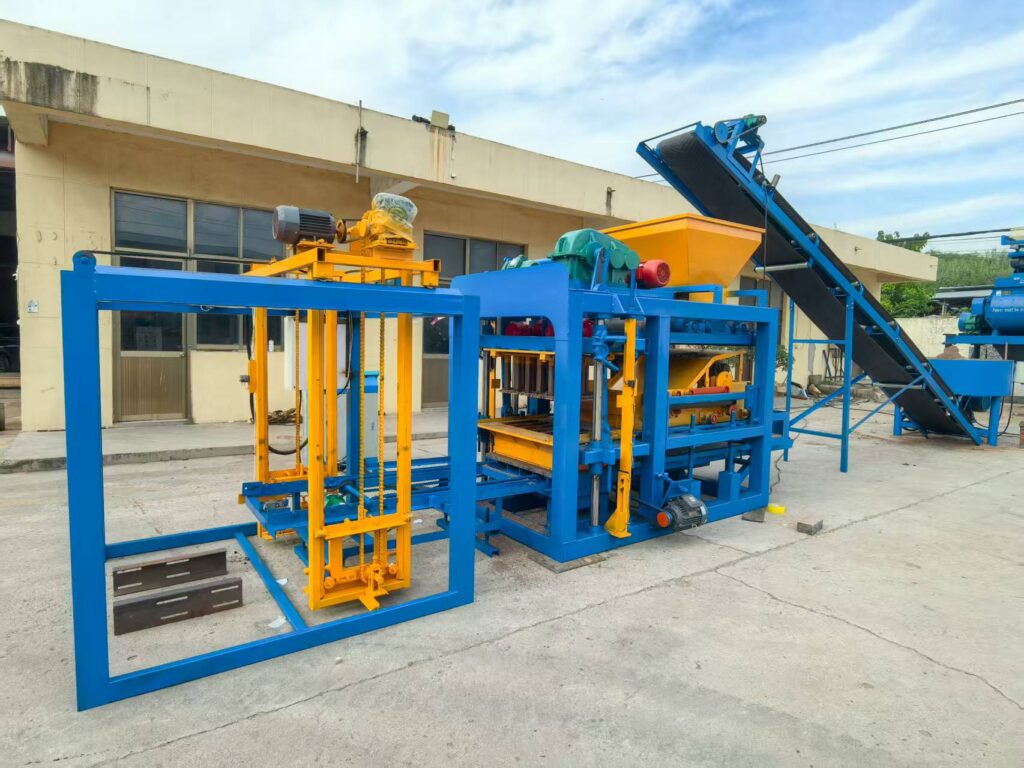
From Reactive to Predictive: A Tiered Maintenance Philosophy
Effective servicing is not a singular event but a layered strategy combining scheduled actions with condition-based monitoring. Adopting this multi-tiered approach minimizes unplanned downtime.
- 1.1. Foundational: Daily and Weekly Preventative Checks
These are routine, operator-level activities crucial for catching issues before they escalate.- Daily Tasks: This includes visual inspection for loose bolts or hydraulic leaks, cleaning excess concrete from the mold, pallet feeder, and rack, and verifying lubrication points are accessible. Checking and cleaning the mixer discharge and conveyor systems is also vital to prevent material buildup that can cause block height variations.
- Weekly Tasks: A more thorough inspection of key wear components like mold liners, pallet surfaces for warping, and the compaction head should be conducted. Belt tensions on conveyors and the vibroframe’s spring assemblies should be checked.
- 1.2. Scheduled Core Services: The Backbone of Reliability
These are planned interventions based on running hours or production cycles, as recommended by the equipment manufacturer.- Gidrawlik ulgam: Regular oil and filter changes are paramount. Contaminated hydraulic fluid is a leading cause of valve and pump failure. The service interval depends on the system’s duty cycle and environmental conditions but typically ranges from 1,000 to 2,000 operating hours.
- Titreşim Sistemi: Bearings and motors within the vibration unit endure extreme stress. Scheduled inspection for bearing wear, lubrication (if not sealed), and checking motor mount integrity is critical. Misalignment or failing bearings here directly cause poor block density and surface finish.
- Electrical Components: Periodic inspection and tightening of electrical connections, particularly on high-vibration areas like motor starters and control panel terminals, prevent arcing and component failure.
2. Key Factors Influencing Service Interval Frequency
The ideal service schedule is not universal; it must be calibrated to specific operating conditions.
- 2.1. Production Intensity and Environment
- High-Volume vs. Batch Production: A machine running 20 hours per day, 6 days a week requires more frequent service than one used for intermittent batch production. Components experience wear proportionate to their cycle count.
- Abrasive Operating Conditions: A plant environment with high concrete dust infiltration accelerates wear on cylinder seals, bearings, and electrical contacts, necessitating more frequent cleaning and inspection intervals.
- 2.2. Material Input and Machine Load
- Aggregate Abrasiveness: Using hard, highly abrasive aggregates can accelerate wear on the mixer blades, mold liners, and feed hopper, requiring more frequent inspection of these components.
- Product Type: Producing dense, heavy solid blocks places higher stress on the hydraulic system and vibration table than producing lighter hollow blocks. This increased load factor should be considered when scheduling major hydraulic services.
3. The High Cost of Neglect: Implications for the Supply Chain
For a distributor or a procurement manager overseeing a production facility, deferred maintenance is a strategic risk with tangible consequences.
- 3.1. Direct Financial and Operational Impacts
- Catastrophic Failure vs. Planned Cost: The cost of replacing a failed hydraulic pump or a cracked vibroframe is an order of magnitude higher than the planned cost of regular oil changes and inspections. Unplanned downtime halts revenue generation entirely.
- Product Quality Degradation: A poorly serviced machine produces inferior blocks. Worn mold liners cause dimensional inaccuracies. A weak vibration system leads to low-density, structurally unsound units. This damages the producer’s reputation and can lead to costly rejections from job sites.
- 3.2. Long-Term Asset Value and Safety
- Ýene satuw bahasy: A well-documented, consistent service history significantly enhances the resale value of the machinery, protecting the capital investment.
- Operator Safety: Loose components, hydraulic leaks, or unguarded moving parts due to poor maintenance create serious workplace hazards. A disciplined service schedule is a cornerstone of a safe production environment.
Netije
Establishing a “how often” for block machine servicing is not about finding a single magical number, but about implementing a dynamic, condition-aware maintenance culture. It requires a commitment to foundational daily care, adherence to manufacturer-guided scheduled services, and intelligent adaptation to specific production demands. For professionals in the construction materials supply chain, advocating for and implementing such a regimen is not an operational expense but a strategic investment. It ensures the machine—the engine of production—operates as a reliable, precision asset, delivering consistent quality, maximizing uptime, and securing a strong return on investment for years to come.
FAQ
Q1: Is following the manufacturer’s service manual sufficient?
A: The manufacturer’s manual provides the essential baseline schedule and is non-negotiable. However, it should be considered the minimum standard. Intelligent operators will adjust intervals based on their specific, often harsher, operating conditions, potentially servicing critical systems more frequently than the manual suggests.
Q2: What are the most commonly overlooked service items that cause major problems?
A: Two critical items are often neglected:
- Hydraulic Oil Temperature: Consistently high oil temperature (above 150°F/65°C) drastically reduces oil life and component longevity. Checking and maintaining the cooler and using the correct oil viscosity is crucial.
- Pallets: Failure to regularly inspect, clean, and repair pallets leads to poor block formation, sticking, and damage to the mold cores during stripping.
Q3: Should we service based on calendar time or operating hours?
A: Operating hours are the superior metric. A machine that sits idle for months does not require the same service as one in constant use. Modern machines often have an hour meter for this purpose. Use calendar time only for very infrequent tasks or for components that degrade with age regardless of use (e.g., certain rubber seals).
Q4: What are the signs that a machine needs immediate servicing outside the planned schedule?
A: Key warning signs include: unusual noises from the vibration system or hydraulic pumps, a drop in block density or strength, inconsistent block heights, visible hydraulic leaks, slower cycle times, or excessive overheating of any component. These symptoms demand immediate investigation.
Q5: How does proper servicing affect the warranty of a new machine?
A: Absolutely. Manufacturers require proof of adherence to prescribed maintenance schedules (often via a logged service book) to uphold warranty claims. Failure to perform documented, regular servicing will almost certainly void the equipment warranty, leaving the owner fully liable for any repair costs.
