
Максатлаштырылган Гипс Кирпич Машиналарының Толук Гид: Амалдама, Артықчылықтар жана Сайлау
Giriş
Siz pudakçy, gurluşykçy ýa-da telekeçimiňiz? Satyn alynýan kerpiçleriň ýokary bahasy we durnukly däldiginden ejiz çekýärsiňiz? Belki, gurluşyk materiallarynyň ygtybarly bolmadyk üpjünçiligi sebäpli gijä galmalar we büdjetiň artykmaçlygy yzygiderli kelläğaşygyňyz bolan orta we kiçi ölçegli gurluşyk taslamasyny dolandyryp oturyňyz. Meseläniň esasy köplenç öndürişde ýatýar: el bilen kerpiç ýasamak iş güjüne köp sarp edilýär we deň däl netijeler berýär, şol wagt doly awtomatlaşdyrylan zawod goýmak bolsa örän gymmat.
Giriňвибрациялык стол кирпич машинасы—bu boşlugy doldurýan güýçli, ýöne zerurlyk bilen ýönekeý bir inženerlik eseri. Bu kiçijik, stasioner maşyn, netijelilik, elýeterlilik we ajaýyp hil kontrolunyň ideal birleşigini hödürleýär we merkezleşdirilmedik kerpiç öndürişinde öwrülişik ýagdaýyna getirýär. Ol kiçi işewürleri we taslama menedžerlerine öndürişi öz eline almagy mümkin edýär, zerur ýerlerde ýokary dykyzlykda we berk bloklary döretmäge kömek edýär.
This comprehensive guide is designed to be your definitive resource. Drawing on industry knowledge and practical insights, we will demystify this essential equipment. You will learn exactly how a table vibrator brick machine works, its undeniable advantages, and the critical factors to consider when selecting one. We’ll also cover best practices for operation and maintenance to ensure your investment delivers maximum return. Let’s build a solid foundation of knowledge.
What is a Table Vibrator Brick Machine? (Core Function & Definition)
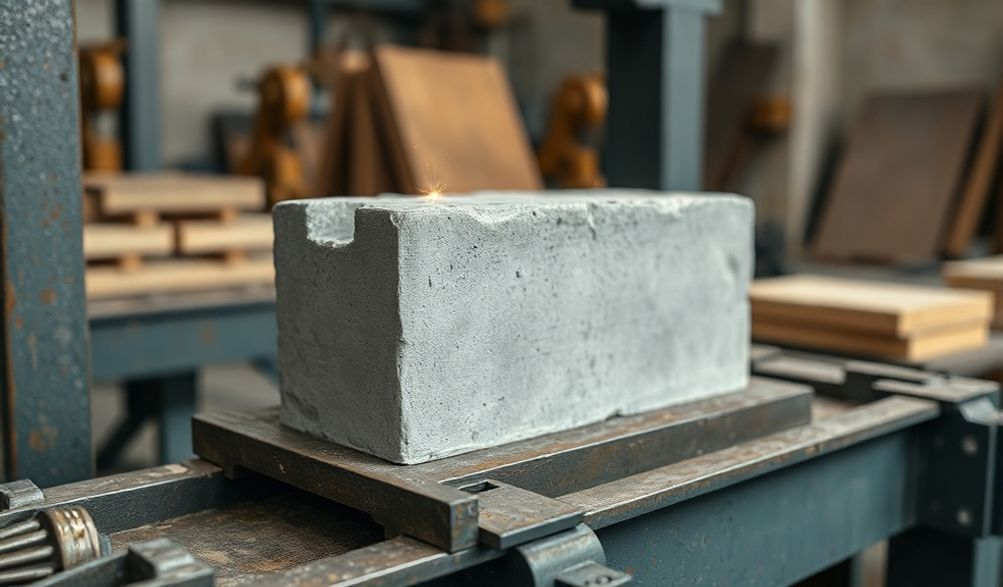
At its heart, a вибрациялык стол кирпич машинасы is a type of stationary block-making equipment designed for the production of concrete bricks, hollow blocks, pavers, and interlocking blocks. Its primary function is to compact a semi-dry concrete or stabilized earth mix into a mold using high-frequency vibration. This process eliminates air voids, resulting in a densely packed, strong, and dimensionally precise building unit.
To understand its place in the market, it’s important to distinguish it from other machines:
- Vs. Fully Automatic Stationary Plants: These are large, complex, and expensive systems with conveyor belts, automated mixers, and pallet handling. A table vibrator machine is manually or semi-automatically operated, making it far more accessible and suitable for lower-volume production.
- Vs. Mobile Egg-Layer Machines: While also mobile, “egg-layers” produce blocks directly on the ground. A table vibrator is a stationary unit; blocks are formed on its table and then removed for curing, often allowing for better surface finish and more consistent quality.
This machine is the champion of decentralized, small-to-medium enterprise (SME) production. It’s the ideal workhorse for:
* On-site construction projects.
* Small brick-making businesses.
* Production of interlocking blocks for affordable housing.
* Making pavers for landscaping projects.
How Does a Table Vibrator Brick Machine Work? (The Process Explained)
The genius of this machine lies in its simplicity and effective use of physics. Here’s a breakdown of its operation.
The Core Components
Understanding the key parts is the first step:
* Vibrating Table & Motor: The heart of the machine. An electric motor drives an eccentric weight, creating high-frequency, low-amplitude vibrations that are transferred to the entire steel table.
* Gödek (ýa-da Kalyp): A precision-made steel box that defines the shape and size of the final block (e.g., 4″, 6″, hollow block, paver). Molds are interchangeable.
* Frame and Stand: A robust steel structure that supports the vibrating table, provides stability during operation, and is often designed at an ergonomic height.
* Demolding Mechanism: This can be a simple manual lever system or a more advanced hydraulic/pneumatic lift that raises the mold off the compacted block.
The Step-by-Step Operating Cycle
The production cycle is straightforward but requires methodical practice:
-
Kalypanyň taýýarlanmagy we doldurylmagy: The chosen mold is securely placed or clamped onto the vibrating table. The semi-dry concrete mix (a carefully proportioned blend of cement, sand, and aggregate with minimal water) is then poured into the mold cavities, slightly overfilling them.
-
Titreşim we Gatylyk: The vibrator motor is switched on. The high-frequency shaking causes the material particles to settle closely together, expelling trapped air. This compaction is what gives the blocks their high density and strength. Vibration typically lasts 10-30 seconds, depending on the mix and block type.
-
Surface Leveling: Once vibration is complete, a straight metal or wooden strike-off bar is used to scrape across the top of the mold, removing any excess material and creating a smooth, level surface.
-
Гыпдан айыру: This is the critical step. The mold is carefully lifted vertically, either manually or via the mechanized system, leaving the freshly formed, green block standing on the table or a pallet below. A well-compacted block will hold its shape perfectly.
-
Gowulama: The block is then gently transferred to a curing area. It is not yet strong! Proper curing—keeping the blocks moist and under cover for a minimum of 7-14 days—is essential for the cement to hydrate fully and achieve its designed compressive strength.
Key Advantages of Using a Table Vibrator Machine
Why should you consider this machine? The benefits are tangible and directly impact your project’s bottom line and quality.
Superior Product Quality
- High Density & Strength: The vibration process ensures optimal particle packing, leading to bricks with superior compressive strength compared to many manually tamped alternatives.
- Excellent Surface Finish: Blocks come out with smooth faces and sharp, precise edges, reducing the need for plaster and improving aesthetic appeal.
- Pes suw siňdiriş: Effective compaction reduces porosity, resulting in blocks that absorb less water. This improves durability, especially in freeze-thaw cycles, and leads to better thermal insulation.
Cost-Effectiveness & ROI
- Başlangyçda az sarp ediň: It is significantly cheaper than automated production lines, putting professional-grade block production within reach of small businesses.
- Minimal Operational Cost: Power consumption is low (only running a single vibrator motor), and it can be operated with a small team of 2-3 people.
- High Profitability: By producing blocks on-demand and on-site, you eliminate middlemen, reduce transport costs, and can create a valuable revenue stream by selling surplus blocks.
Operational Flexibility & Simplicity
- Aňsat Dolandyryşly: No highly specialized technical skills are required. Training is quick, focusing on mix design and the operational cycle.
- Multi-Product Ability: By simply swapping molds, one machine can produce a variety of products: solid bricks, hollow blocks, paving slabs, and interlocking blocks for dry-stack construction.
- Ideal for On-Site Production: Set up the machine where the blocks are needed. This drastically cuts logistics costs, storage space, and material waste from transport breakage.
Critical Factors for Choosing the Right Machine
Selecting the correct machine is crucial for success. Don’t just buy the cheapest option; buy the right tool for your specific job.
Öndürijilik Talapynyzy Bahalandyrmak
Start by asking yourself:
* Output Required: How many blocks do you need per day or week? (e.g., 500 blocks/day for a housing project).
* Blok Görnüşleri: What products will you make most often? (Solid bricks for walls, pavers for driveways, hollow blocks for insulation?).
* Site Constraints: What is your available space, and what is your power supply (Voltage, Phase)?
Machine Specifications to Scrutinize
When comparing models, pay close attention to:
* Vibration Motor Power & Frequency: Power (e.g., 1.1 kW, 1.5 kW) and vibration frequency (RPM) directly determine compaction force. A more powerful motor handles denser mixes and larger molds better.
* Table Size & Mold Capacity: The table must comfortably fit your chosen mold(s). Some machines offer multi-cavity molds (producing 2-4 blocks per cycle) for higher output.
* Gurluşyk Hil we Material: Inspect the frame and table thickness. Are they made from reinforced steel? Are welds clean and robust? The mold should be made from high-grade, abrasion-resistant steel plate.
* Ease of Mold Change & Maintenance: Look for features like quick-release clamps for molds. Are lubrication points easily accessible? Is the design simple to clean?
Supplier Evaluation for Trustworthiness
Your relationship with the supplier is as important as the machine itself.
* Reputation & Experience: Choose an established manufacturer or distributor with a proven track record.
* Certifications & Warranty: Does the machine come with a clear warranty (e.g., 1 year on motor, 6 months on parts)? Are there any quality certifications?
* Satyn alandan soňky hyzmat: This is critical. Do they offer installation guidance, operational training, and technical support? Can they supply spare parts (like mold liners, motor) promptly?
* References & Demos: Always ask for customer testimonials or, better yet, visit an existing installation. Request a live demonstration using a mix similar to yours.
Best Practices for Operation & Maintenance
To ensure longevity, safety, and consistent quality, adhere to these operational guidelines.
Optimal Raw Material Mix Design
The machine can only compact what you put in it. A good mix is non-negotiable.
* Standard Ratio: A common starting point is a 1:3:6 mix (Cement: Sand: Aggregate by volume), but this varies based on desired strength.
* Çyglylyk Mukdary: The mix should be semi-dry—it should hold its shape when squeezed in your hand but leave no moisture residue. Too wet causes sticking; too dry leads to poor compaction.
* Materialyň hil we taýýarlygy: Use clean, well-graded sand and aggregate (typically 6-10mm). Avoid clay or silt contamination.
Daily Operational Checklist
- Safety First: Operators must wear safety shoes, gloves, and hearing protection. Ensure all safety guards are in place.
- Pre-Operation Inspection: Check that all bolts and nuts on the frame and mold are tight. Inspect the electrical cable and plug for damage. Ensure the mold is clean and lightly oiled.
- Correct Technique: Fill the mold consistently. Find the optimal vibration time through testing—stop when the material no longer settles. Lift the mold vertically in a smooth, steady motion.
Routine Maintenance Schedule
A little maintenance prevents major downtime.
* Daily: Clean the machine and mold thoroughly after use to prevent concrete buildup.
* Weekly: Lubricate all moving parts and pivot points as per the manual. Check and re-tighten all bolts.
* Monthly: Inspect the vibration motor mounts for cracks or wear. Check electrical connections for tightness. Inspect the mold for wear or deformation.
* Storage: If storing, clean and oil all steel surfaces to prevent rust. Cover the machine.
Frequently Asked Questions (FAQ)
Q1: What is the production capacity of a typical table vibrator brick machine?
A: Capacity depends heavily on block type, operator skill, and work organization. A realistic range for a single-cavity mold operated by a 2-person team is 300-500 blocks in an 8-hour shift. Using a multi-cavity mold and an efficient workflow can push this to 800-1000+ blocks per shift.
Q2: Can it use raw materials other than concrete, like soil or fly ash?
A: Absolutely. These machines are excellent for producing Compressed Stabilized Earth Blocks (CSEB) using local soil stabilized with a small percentage of cement or lime. They are also perfectly suited for fly ash brick production, where fly ash is mixed with sand, stone dust, and cement. The key is achieving the correct, semi-dry mix consistency.
Q3: Is special training required to operate this machine?
A: The machine is designed for simplicity. However, basic training from the supplier on three key areas is highly recommended: 1) Mix Design, 2) The Operational Cycle (timing, demolding technique), and 3) Basic Safety and Maintenance. This small investment in training drastically improves output quality and machine lifespan.
Q4: How does it compare to a hydraulic press brick machine?
A: The core difference is the compaction method. A vibrator uses high-frequency shaking to settle particles, often resulting in a smoother-faced block. A gidroýumly pres uses immense vertical pressure (tons) to compress the mix, which can create a different texture. Vibrator machines generally have a lower initial cost and simpler maintenance, while hydraulic presses may achieve very high densities for specific applications.
Q5: What are the most common problems and how can I troubleshoot them?
A:
* Problem: Blocks breaking during demolding.
* Cause: Insufficient vibration time, incorrect (too dry) mix, or worn mold.
* Solution: Increase vibration, adjust moisture content, inspect/replace mold.
* Problem: Poor surface finish or rough edges.
* Cause: Worn mold liners, insufficient lubrication on mold, or overly wet mix.
* Solution: Replace mold liners, apply a thin film of oil, reduce water in mix.
* Problem: Machine vibrates excessively or noisily.
* Cause: Loose bolts on motor or frame, damaged motor bearings.
* Solution: Power off and check/tighten all bolts. If noise persists, consult supplier for motor inspection.
Netije
Theвибрациялык стол кирпич машинасы stands out as a remarkably versatile and economical solution for anyone serious about producing high-quality construction blocks on a manageable scale. It transforms raw materials into precise, durable building units, putting control over cost, quality, and supply directly in your hands.
Success with this technology hinges on a three-pillar approach: selecting the right machine for your specific output and product needs, partnering with a credible and supportive supplierжанаadhering to disciplined operational and maintenance practices. When these elements align, the machine ceases to be just a piece of equipment and becomes a cornerstone for profitable business growth and efficient project execution.
Whether you are an entrepreneur launching a block-making venture, a contractor aiming to slash material costs, or part of a development project promoting sustainable, local building solutions, this machine represents a smart and empowering investment. Your next step is clear: define your requirements, consult with reputable suppliers for detailed specifications, and, wherever possible, see a machine in action. Start building your future, one solid block at a time.
<