
Кил бирикдирме машиналарының Кил Керипич Гурлушыгы үчін Толук Гидеси
Nesiller boýy, kerpiç bilen gurluşyk sungaty, daşçynyň ritmik we ussat zähmeti bilen kesgitlenip gelýär. Emma, bu däp edilmiş senet häzirki zaman basyşlaryna duçar: ussat işçi güýjüniň dowamly ýetmezçiligi, taslamanyň bahalarynyň artmagy, möhletleriň gysgalmagy we işiň fiziki agyrlygy. Netije? Taslamalar durýar, büdjetler artýar we kerpiçiň gadymy çekiciligi, az sanly adamynyň netijeli gurup biljek gymmatly harydy bolup galýar.
Gilli kiremit güýjendiriji maşynyna giriň - bu gurluşyk pudagynda esasly üýtgeşmeler getirýän tehnologiýa. Bu awtomatlaşdyryş indi geljek gözlegi däl, asyl problemleri çözýär we maýa goýum üçin çekiji peýda getirýär. Bu doly gollanma öňüni görýän pudakçylar, gurluşykçylar we işewürler üçin niýetlenendir. Biz bu maşynlaryň nädip işleýändigine, olaryň hakyky peýdalaryna we maýa goýmazdan öň göz öňünde tutmaly ähmiýetli faktorlara hünärli we anyk seretmek üçin reklamalary aýryp görkezeris. Ahyrsoňy, gilli kiremit taslamalaryňyzda has ýokary öndürijilik, yzygiderlilik we peýdalylyk gazanmak üçin gilli kiremit güýjendiriji maşynynyň açarydygyny kesgitlemek üçin bilim alarsyňyz.
Кирпич Дөзөлеý Машинасы Näme? Гылымжы Кирпич Ишини Тасландырмак
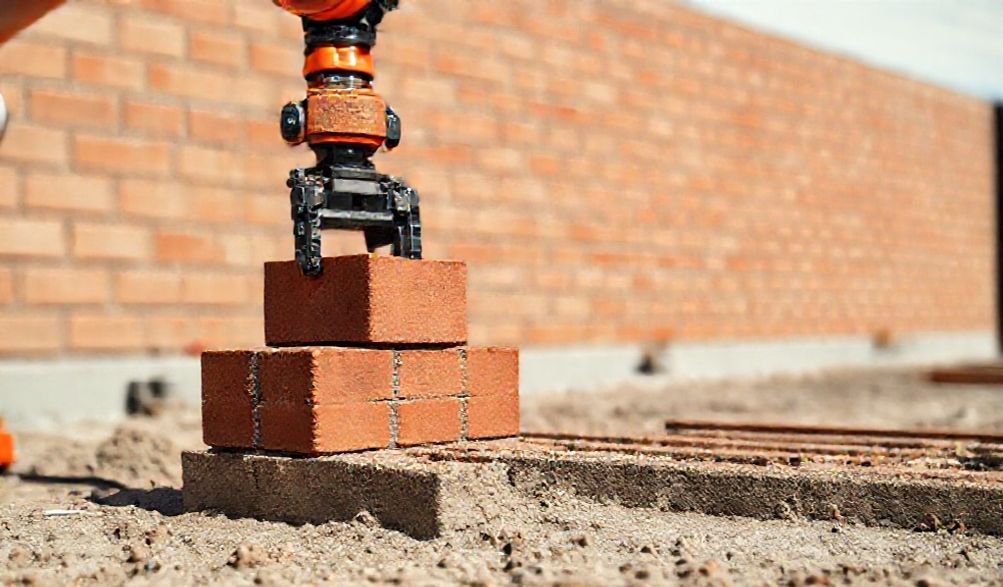
Onuň esasynda, kerpiç goýujy maşyna kerpiççilik işiniň iň gaýtalanýan we fiziki taýdan agyr ugurlaryny: kerpiçleri goýmagy we harç ýapmagy awtomatlaşdyrýar. Bu, bu wezipeleri adamyň güýjünden üstün tizlik, yzygiderlilik we takyklyk bilen ýerine ýetirmek üçin döredilen mehanizirlenen ulgam bolup, gol güýjüni gönüden-göni güýçlendirýär ýa-da ornuny alyp biler.
Esasy Düşünje we Wezipeleri
Bir güýjeli garyndy goýujy maşyn, adaty garyndylary goýmak işini awtomatlaşdyrýan bir gural bolup, ol ýardam berýän guraldan tutaw awtonom robot çemelesine çenli dürli görnüşlerde bolup biler. Onuň esasy wezipeleri şulardyr:
* Мортир колдонуу:Bir takyk we yzygiderli harç gatlagyny çykarmak.
* Kerpçi Goýulyşy:Her bir garyşy özüne degişli ýerine goýmak.
* DüzmekHer bir garyşyň gorizontal we vertikal taýdan mukammal ýerleşdirilýändigine göz ýetirmek.
Ony bir toprak kerpiç gurluşynyň hilini peseltmän, kiçijik toparyňyzyň has uly toparyň önümini ýetirip biljek güýç köpeldijisi hökmünde düşüň.
Gysgaça Taryhy we Tehnologiýanyň Ösüşi
Кирпич дөшөмөклөөни механикалашдырмак ишлери бир асырдан ашык убактдан бери дөвүр алып барат, бирок акыркы онйылларда буйсада тезлешиш байкалды.
* Ilkinji Synanşlar:Kerpiç goýuş gurallary üçin ilkinji patentler 1800-nji ýyllaryň ahyrynda peýda boldy, ýöne olaryň köpüsi agyr we amaly däl.
* Ýary-awtomatik Kömek:20-njy asyryň ahyrynda giremeni geçiriji nasoslar we ýönekeý mehaniki ýerleşdirijiler girizildi, olar iş prosesine kömek etdi, ýöne rewolýusiýa döretmedi.
* Robotika Döwri:21-nji asyr, robot tehnologiýasy, kompýuter kömeginde dizaýn (CAD) we sensor tehnologiýasyndaky ösüşler bilen hereket edip, bizeConstruction Robotics-nyň SAM (Ýarym-awtomatlaşdyrylan Gürrüňçi)һәмFBR-иң Хадиан Х. These machines can interpret digital blueprints and execute complex laying patterns with minimal human intervention, marking a true paradigm shift.
How It Works: The Basic Process
While models vary, the fundamental automated process is a marvel of engineering simplicity:
1. Iýmitlenme: Bricks and mortar are loaded into the machine’s supply system. Some systems use pre-loaded pallets; others are fed continuously.
2. Мортир колдонуу: A nozzle or spreading mechanism lays down a perfectly even layer of mortar on the course or the brick itself.
3. Pick and Place: A robotic arm or placement head, guided by lasers and sensors, picks up a brick, butters its end (if needed), and places it with pinpoint accuracy.
4. Alignment & Compression: The machine gently presses the brick into the mortar bed, ensuring proper alignment and a uniform joint. The system constantly self-checks against digital plans for wall position, plumb, and level.
Key Benefits of Using a Machine for Clay Brick Laying
Investing in a brick layer machine isn’t just about buying a tool; it’s about upgrading your entire operational capability. The benefits cascade across your business.
Unmatched Speed and Increased Productivity
This is the most immediate and dramatic advantage. While a highly productive human mason might lay 300-500 bricks in a day, a machine operates relentlessly.
* Ýary-awtomatik maşynlar can help a small crew double or triple their daily output.
* Fully robotic systems can lay 1,000 to 2,000+ bricks per day, effectively working at 3x to 10x the pace of a human crew. This directly translates to shorter project timelines and the ability to take on more work.
Significant Reduction in Labor Costs and Strain
The construction industry’s skilled labor crisis is real. Machines provide a powerful solution.
* Labor Mitigation: One machine, operated by 1-2 trained individuals, can replace the output of several masons, dramatically reducing labor costs on large-scale projects.
* Ergonomic Revolution: It eliminates the back-breaking, repetitive motions of bending, lifting, and troweling. This reduces workplace injuries, lowers insurance costs, and helps retain valuable workers by transitioning them into less physically taxing operator and supervisor roles.
Superior Consistency, Precision, and Quality
Human fatigue leads to variation. A machine does not tire, ensuring every single brick is laid to the same exacting standard.
* Perfect Mortar Beds: Eliminates voids and ensures consistent mortar thickness, which is critical for structural integrity and weather resistance.
* Uniform Joints: Creates perfectly even horizontal and vertical joints, enhancing the aesthetic appeal and structural uniformity of the wall.
* Plumb and Level Walls: Laser-guided placement results in walls that are perfectly straight, reducing the need for time-consuming corrections and minimizing material waste from errors.
Long-Term Cost Savings and ROI
View the machine as a capital investment with a calculable return, not an expense.
* Reduced Direct Labor Costs: The savings on wages and benefits for multiple masons can quickly offset the machine’s cost.
* Lower Indirect Costs: Faster completion means lower site overhead, earlier project monetization, and reduced financing costs.
* Fewer Callbacks: Higher build quality means fewer defects and warranty issues, protecting your reputation and bottom line.
Types of Brick Laying Machines for Clay Bricks
Not all machines are created equal. Understanding the categories is key to matching the technology to your needs.
Semi-Automatic Mortar Spreaders and Brick Placers
These machines augment the mason rather than replace them. An operator guides the machine, which automates specific, strenuous tasks.
* Mysallar: Mortar pumping and spreading units, mechanical brick feeders and placers.
* Iň gowy bolýar: Small to medium-sized contractors, specialty contractors, or companies looking to automate a specific bottleneck (like mortar application) without a massive capital outlay or workflow overhaul.
Doly Awtomatlaşdyrylan Robot Gürrüňçi Sistemalary
These are the “game-changers.” Programmable, often CAD-driven, they operate with a high degree of autonomy.
* Mysallar: SAM (works alongside masons to lay bricks), Hadrian X (a fully robotic system that builds structural walls from a truck-mounted boom).
* Olar nädip işleýär: They upload a 3D digital model of the structure and execute the bricklaying plan with minimal human intervention, handling both mortar and brick placement.
* Iň gowy bolýar: Large-scale commercial, industrial, and residential projects (like apartment complexes) with long, repetitive wall sections. They offer the highest potential for labor savings and speed.
Mobile On-Site Machines vs. Static Factory Systems
This distinction is about nirede the building happens.
* Mobile On-Site Machines: These are brought to the traditional construction site. They build the walls in place, just like a human crew, but much faster. Most robotic systems (SAM, Hadrian X) fall into this category.
* Static Factory Systems: These are used in Modular or Panelized Construction (DfMA – Design for Manufacture and Assembly). The machine builds entire clay brick wall panels in a controlled factory environment. These panels are then shipped to the site and craned into position. This method offers the highest quality control and weather-independent production.
How to Choose the Right Brick Layer Machine
Selecting a machine is a major decision. A systematic evaluation will ensure you choose a partner, not just a piece of equipment.
Assess Your Project Scale and Brick Type
Start with your core business.
* Project Volume: Are you consistently working on large, multi-thousand-brick projects, or is your work more varied? High, consistent volume justifies a larger robotic investment.
* Clay Brick Compatibility: This is critical. Not all machines handle all bricks. You must verify:
* Brick Size & Tolerances: Machines often require bricks with very consistent dimensions.
* Texture: Extremely rough or irregular handmade bricks may pose feeding or gripping challenges.
* Special Shapes: Standard modular bricks are ideal. Corners, bullnoses, or other specials may need to be placed manually.
Key Machine Specifications to Evaluate
Look beyond the marketing brochure. Key specs include:
* Laying Speed: Bricks per hour (BPH) under real-world conditions.
* Positioning Accuracy: Measured in millimeters. Tighter tolerance means higher quality.
* Required Crew Size: How many people are needed to operate and support the machine?
* Güýç Çeşmesi: Electric, diesel, hybrid? Impacts operating cost and site suitability.
* Footprint & Mobility: How much space does it need? Can it move easily around a site?
Total Cost of Ownership Analysis
The purchase price is just the beginning. A responsible analysis includes:
* Purchase Price / Lease Cost
* Training: Vendor and in-house training for your crew.
* Maintenance & Parts: Regular service costs and the price/availability of wear parts (nozzles, grippers).
* Potential Downtime: What is the vendor’s service response time? Downtime is lost revenue.
Vendor Reputation and Support
Your relationship with the manufacturer is paramount. Do your due diligence:
* History & Track Record: How long have they been in business? Can they provide verifiable case studies?
* Satyn alandan soňky hyzmat: Is there a dedicated support line? What is their onsite service network like?
* Training Programs: Do they offer comprehensive operator and maintenance training?
* Community & Reviews: Talk to other contractors who own the machine. Their firsthand experience is invaluable.
Operational Insights and Best Practices
Success with a brick layer machine depends as much on process as on the technology itself.
Site and Foundation Preparation
Machines often require a higher standard of site readiness.
* Foundation/Footing Tolerance: The starting course is critical. Foundations need to be exceptionally level and true to provide a perfect starting point for the machine.
* Clear Access & Layout: Ensure a clear, stable path for the machine and its material delivery systems. Plan for where bricks and mortar silos will be placed.
Crew Training and Workflow Integration
This is a cultural shift. Your masons become machine operators, supervisors, and quality controllers.
* Emphasize Upskilling: Frame training as a career advancement opportunity.
* Formal Training is Key: Leverage the vendor’s training program. Don’t try to learn entirely on the job.
* Redefine Roles: Crew members will handle machine feeding, operation, detail work (corners, openings), and constant quality checks. Planning this workflow in advance is crucial.
Routine Maintenance for Longevity
Treat the machine like the precision asset it is. Daily and weekly maintenance prevents major issues.
* Clean Thoroughly: Mortar residue is the enemy. Clean all dispensing nozzles, grippers, and sensors at the end of every shift.
* Lubricate: Follow the manual’s lubrication schedule for all moving parts.
* Inspect Wear Parts: Regularly check nozzles, gaskets, and brick grippers for wear and replace them proactively.
* Calibrate Sensors: Periodically verify the calibration of lasers and positioning sensors to maintain accuracy.
Addressing Common Challenges and Limitations
A realistic view acknowledges that no technology is a magic bullet. Planning for these challenges is a sign of expert implementation.
Handling Complex Designs and Corners
Most machines excel at long, straight runs. Complexity requires planning.
* The 80/20 Rule: Often, the machine handles 80% of the straightforward wall, while your skilled masons focus on the 20% of complex details: corners, arches, lintels, and intricate patterns. This is an efficient division of labor.
* Software Solutions: Some advanced systems have software that can plan for certain corners and openings, but manual finishing is often still required.
Weather and On-Site Conditions
Robotics prefer the controlled environment humans often lack.
* Extreme Weather: High winds can affect precision. Heavy rain can stop mortar setting and operation. Most machines have operational limits.
* Site Terrain: Highly uneven or muddy sites can pose mobility challenges for larger machine platforms.
Initial Investment and Financing Options
The upfront cost is the single biggest barrier. Frame it strategically.
* Honest Budgeting: Calculate the ROI based on your specific project pipeline.
* Explore Pathways: Many vendors offer leasing programs to reduce upfront capital. Equipment rental is an option for a one-off large project. Some contractors explore co-op ownership models.
FAQ: Brick Layer Machines for Clay Bricks
Q1: How many bricks can a machine lay compared to a human mason?
A: It varies significantly by machine type. A semi-automatic system might help a crew lay 800-1,200 bricks per day. A fully robotic system can consistently lay 1,000 to 2,000+ bricks in an 8-hour shift, which is 3 to 10 times the output of a single highly productive mason.
Q2: Can these machines work with all types of clay bricks?
A: Not automatically. Most are engineered for standard, modular clay bricks with consistent dimensions and tolerances. Special shapes, extremely rough textures, or oversized bricks may require custom grippers or may not be compatible. Always test your specific brick with the manufacturer before purchasing.
Q3: What is the typical payback period for such an investment?
A: There’s no one-size-fits-all answer, but a well-utilized machine on appropriate projects can see a payback period of 1 to 4 years. This depends entirely on the machine’s cost, the local cost of labor you’re offsetting, and how consistently you can keep it working on suitable projects.
Q4: Do I still need skilled masons if I have a machine?
A: Absolutely, but their role evolves. You will need fewer masons for the repetitive laying, but you critically need skilled personnel to:
* Operate and maintain the machine.
* Supervise the process and perform quality control.
* Handle all complex detailing, corners, and finishing work.
* Set up the site and foundation to machine-grade tolerances.
Q5: Are robotic bricklayers a threat to jobs in the construction industry?
A: They are better viewed as a necessary evolution of the job. The industry faces a severe skilled labor shortage. These machines don’t eliminate jobs; they shift them. They take over the most physically taxing and repetitive tasks, allowing the existing workforce to focus on higher-skill areas like machine operation, supervision, complex detailing, and project management. They make careers in masonry more sustainable and attractive.
Netije
The brick layer machine for clay brick construction represents more than just a new tool; it signifies a smarter, more sustainable future for the masonry trade. By directly addressing the critical challenges of labor scarcity, cost inflation, and physical demand, this technology empowers builders to preserve the timeless quality and beauty of clay brick in a modern, competitive market.
The future points toward even greater integration—machines with enhanced AI for handling complexity, improved mobility for difficult sites, and broader accessibility for mid-sized contractors. For the forward-thinking construction business, the question is no longer eger this technology will become standard, but whenһәмnähili to adopt it strategically.
Embrace this evolution as an opportunity. Assess your upcoming projects, engage with reputable manufacturers for demonstrations, and run the numbers for your business. The investment in a brick layer machine is ultimately an investment in building better, faster, and more profitably with one of humanity’s most enduring and beloved building materials.
Ready to explore how automation can transform your clay brick projects? Start by researching specific models, reach out to manufacturers for a site demo, and talk to fellow contractors who have made the leap. The foundation for your company’s next evolution is ready to be laid.
<