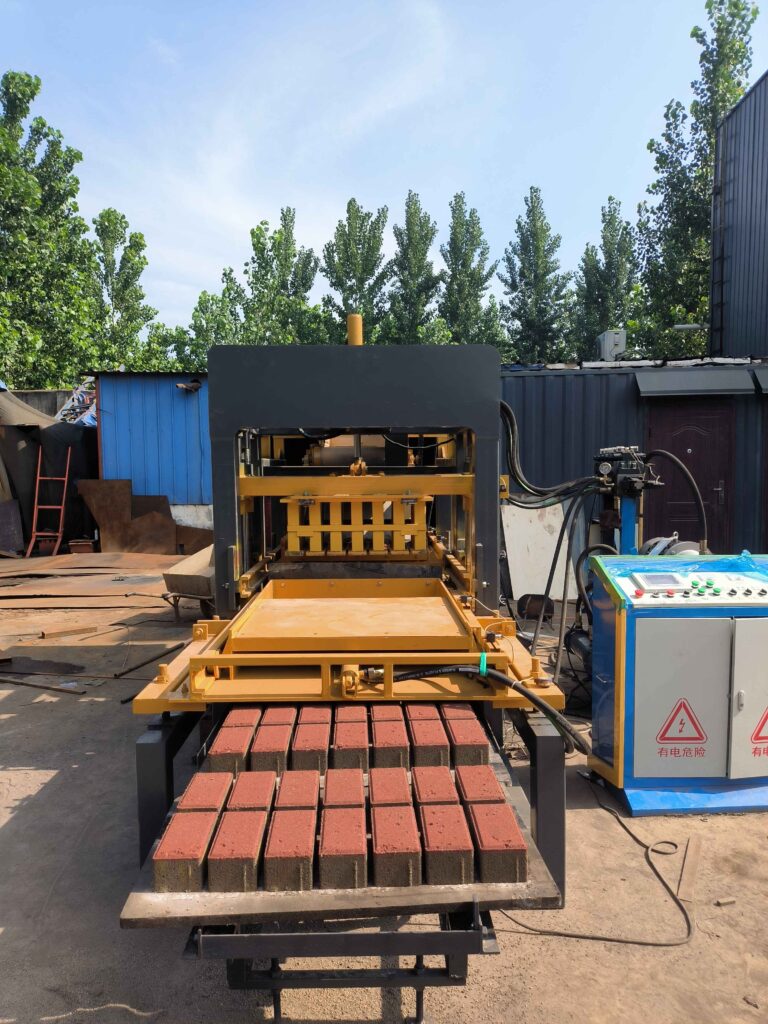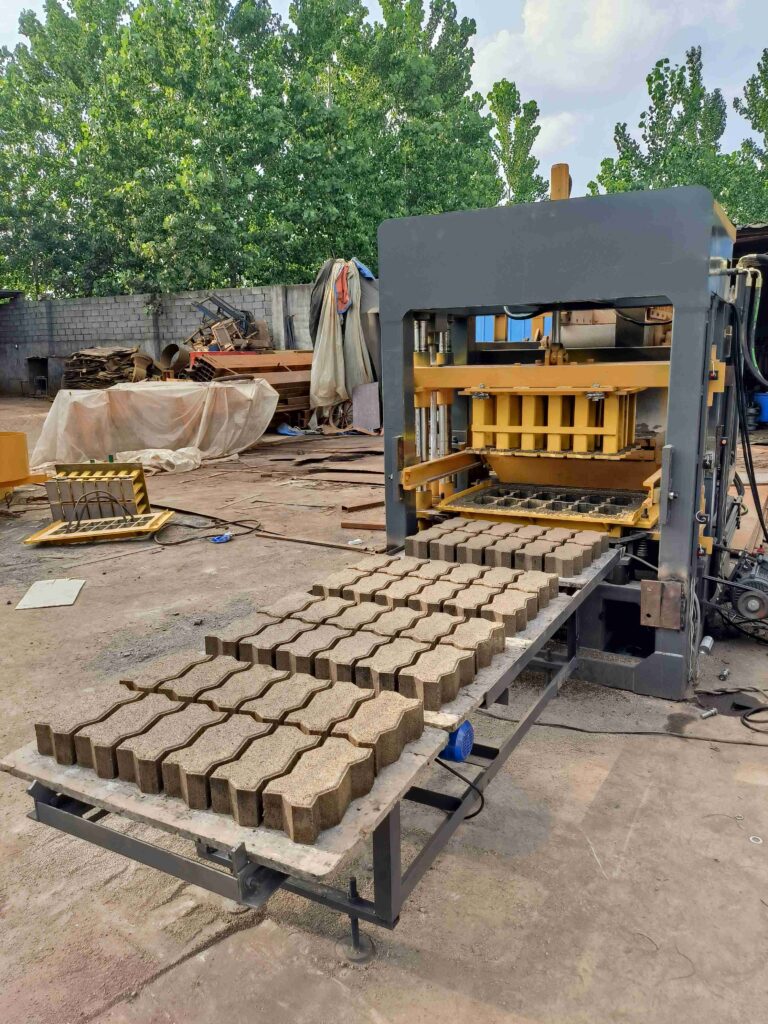
Paver bilen Adaty Bloklaryň Arasyndaky Tapawut
Titreşim we gysyş ýörelgesi umumy bolsa-da, biri-birine baglanyp ýapyşan düşeg daşlary düýbünden başga bir önüm kategoriýasy bolup, özüne mahsus talaplara eýedir.
A. Işleýiş Spesifikasiýalary
- Aşgabatlylyk:Road we agyr paverler diwar bloklaryndan ep-esli ýokary gysyş güýçlerine çydamaly, köplenç 50 MPa ýa-da ondan hem ýokary güýş güýjüni we ajaýyp dyrnaşma garşylygyny talap edýär.
- Takyk Ölçeg Toleransiýalary:Baglanyk mehanizmi millimetrlik mukemmellik geometriýasyna esaslanýar. Birmeňzeş uzynlyk, giňişlik, galyňlyk we çamfer dogry oturma, ýük paýlaşma we tekiz ýer üçin hökmanydyr.
- Üst Ýüziniň Gurluşy we Reňkiniň Birmeňzeşligi:Estetiki ulanylyşlar üçin, üst ýüzüniň görnüşi birmeňzeş bolmalydyr, köplenç açyk-aggregatly ýa-da tekstürli ýüz görnüşi bilen, we reňk ähli partiýalar boýunça yzygiderli bolmalydyr.
B. Dizaýn çylşyrymlylygy
- Çylşyrymly galyp dizaýny:Paver gyplary inçe torlary, çuň gabişmeleri we köplenç köp bölekleri bolan çylşyrymly geometriýalar bilen tapawutlanýar. Olar takyklyk üçin döredilip, ýokary derejede geýilmeýän polat garyndylaryny talap edýär.
- Berk ýykylma talaby:Güýç we aýazlyga garşylyk üçin zerur dykyzlygy gazanmak, has güýçli we takyk dolandyrylýan titreme we basyşy talap edýär.
II. Paver önümçiligi üçin maşyn talaplary
Not all block machines are created equal. Producing quality pavers requires specific mechanical features.
A. Enhanced Vibration and Compaction System
- Multi-Directional Vibration: While vertical vibration is standard, high-end paver production often benefits from dual or multi-directional (e.g., polygonal) vibration systems. This ensures the stiff concrete mix flows perfectly into every intricate detail of the mold cavity, eliminating voids.
- High-Pressure Capability: The hydraulic system must be capable of delivering and sustaining significantly higher pressing forces (often 200+ tons) to achieve the ultra-low water-cement ratios and high densities required for paver strength.
B. Precision Handling and Automation
- Gentle Product Handling: The green (freshly molded) pavers are delicate due to their thin webs. Automated handling systems from the mold to the curing rack must be precisely calibrated to avoid chipping or cracking.
- Stable and Level Pallet System: The use of extremely flat, rigid, and well-maintained steel pallets is critical. Any pallet warp will directly translate into variations in paver thickness, compromising the final paved surface.
C. Advanced Control Systems
- Recipe Management: The PLC must allow for storing and recalling specific vibration profiles, pressure settings, and cycle times for different paver designs and mix types.
- Process Monitoring: Real-time monitoring of pressure curves and vibration frequency is essential for diagnosing inconsistencies in real-time.
III. Material and Process Imperatives
The machine is only one part of the equation. The mix design and curing process are equally specialized.
A. Specialized Mix Design
- Aggregate Grading: A tightly controlled, gap-graded aggregate blend with high-quality, hard stone (e.g., granite, traprock) is typical. The sand component is critical for achieving a smooth, compact surface.
- Low Water-Cement Ratio: Paver mixes are very dry and harsh, requiring precise moisture control to achieve maximum density under high pressure without sticking to the mold.
- Pigments and Admixtures: High-quality, UV-stable oxide pigments and potent water-reducing plasticizers are standard to ensure color fastness and workability of the stiff mix.
B. Curing and Post-Production
- Controlled Curing: Pavers require meticulous curing under controlled temperature and humidity to develop their full strength and durability without cracking.
- Quality Testing: A professional production setup includes regular testing for compressive strength, abrasion resistance (e.g., Bohme or Wide Wheel test), and dimensional conformity to relevant standards (e.g., ASTM, EN).
Netije
Modern block making machines, when specifically configured and equipped, are not only capable of producing interlocking paving blocks but can excel at it, opening lucrative markets in hardscape construction, municipal projects, and commercial landscaping. For the equipment supplier, this represents a significant value-add: it demonstrates deep product knowledge and allows clients to diversify their product offerings. The key takeaway is that successful paver production is a system—integrating a robust and precise machine, a rigorously controlled raw material recipe, and a disciplined production process. By guiding clients through these requirements, you position them to enter a higher-margin segment of the market, building not just walls, but durable, aesthetically pleasing, and load-bearing surfaces.
FAQ
Q1: Can we simply buy a paver mold and install it on our existing standard block machine?
A: This is possible only if your existing machine meets the specific requirements. You must verify that your machine’s vibration system (power and type), hydraulic pressure (tonnage), control system (for recipe storage), and pallet system are suitable for paver production. Retrofitting may require significant upgrades. Consulting the original equipment manufacturer is essential.
Q2: What are the main reasons for pavers chipping or breaking during demolding or handling?
A: Chipping is typically caused by: 1) A concrete mix that is too dry or lacks plasticity, making it brittle; 2) Incorrect vibration/compaction leaving weak points; 3) Misaligned or worn mold components catching on the block; or 4) Handling equipment that is too aggressive or misaligned for the delicate green product.
Q3: Is the profit margin better for interlocking pavers compared to standard blocks?
A: Generally, yes. Interlocking pavers are a value-added product. They command a higher price per unit due to their higher performance specifications, more complex manufacturing process, and frequent use in aesthetic applications. However, they also may have higher raw material costs (pigments, hard aggregate) and require more precise production control.
Q4: What kind of market demand exists for these products?
A: Demand is strong and diverse, including: municipal roadways (especially in permeable pavement systems), commercial parking lots, residential driveways and walkways, industrial flooring, port and logistics yards, and decorative landscaping projects. It is a growth market driven by durability and aesthetic appeal.
Q5: Are there different standards we need to test our pavers against?
A: Absolutely. Pavers are governed by different, often more stringent, standards than building blocks. Key international standards include ASTM C936 (Standard Specification for Solid Concrete Interlocking Paving Units) and the European EN 1338 series. These define requirements for compressive strength, dimensions, water absorption, and abrasion resistance. Compliance is crucial for specification in major projects.