
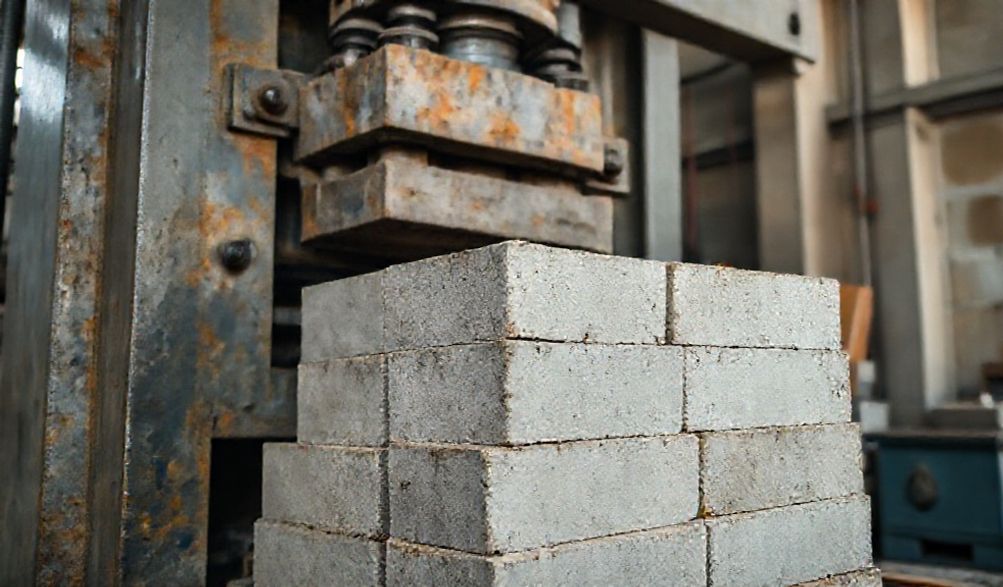
QTJ4-40 Blok Ýasama Maşyny: Gurluşçylar we Telekeçiler Üçin Doly Gollanma
Giriş
Gurlaryjy we telekeçiler üçin, her bir taslamanyň esasynyň—sözüň hakyky we göçme manylarynda—köplenç düşnüksiz ikilem bilen gelýändigi. Ýokary hilli gurluşyk bloklaryny alyp gelmek, üýtgeýän bazarlaryň bahalary, durnuksyz materiallaryň hili we üpjün ediş zynjyrynyň gijikmeleri bilen ýol tutmagy aňladýar. Kiçi ölçegli gurluşyk işini başlatmak arzuw edýänler üçin, her bir iş üçin materiallary satyn almak üçin zerur bolan kapital, girip bolmazlyk üçin uly päsgelçilik bolup biler.
Eger bu ähmiýetli komponenti dolandyryp bilseňiz näme bolardy? Eger berk we yzygiderli beton bloklary talaba görä öndürip, taslamanyň döwletini peseltseňiz we hatta täze girdeji çeşmesi döretseňiz näme bolardy? Bu diňe teoriýa däl; QTJ4-40 blok ýasama maşyny ýaly enjamlaryň ýardamy bilne amala aşyrylýan amaly hakykatyň özi.
Bu gollap beriji gollanma senagat bilimi, jikme-jik tehniki analiz we amaly işleýiş tejribelerine esaslanýar. Biz satuw broşýuralaryndan daşary çykyp, size QTJ4-40-yň nädip işleýändigini, näme üçin peýdaly bolandygyny we kime niýetlendigini anyk we dogry suratda görkezeris. Ahyrsoňy, bu maşynyň gurluşyk maksatlaryňyz ýa-da iş ösüşiňiz üçin dogry motormy ýokmy diýip kesgitläp bilmek üçin zerur maglumatlara eýe bolarsyňyz.
QTJ4-40 blok ýasama maşyny näme?
Onuň esasynda, QTJ4-40 kiçi we orta ölçegli gurluş materiallary öndürmegiň işgäri bolup durýar. Ol dürli beton önümlerini öndürmek üçin titreme we gysma güýjünden peýdalanyan stasionar, gidrawlik ýa-da mehaniki hereketli presdir.
Modelyň adyny dekodirleýäris, sebäbi ol esasy aýratynlyklary açýar:
* QTJ: This is a common prefix in Chinese block machine nomenclature, typically denoting a series of stationary, egg-laying (blocks are produced in place) type machines.
* 4: This often indicates the number of standard-sized hollow blocks (e.g., 400x200x200mm) the machine can produce in a single cycle.
* 40: This usually refers to the pressure system, suggesting a hydraulic pressure of around 40 tons, which is responsible for the high compaction and density of the final blocks.
Its primary function is elegantly simple: it transforms a raw mix of cement, sand, gravel (aggregate), and water into precisely formed, dense, and strong construction blocks. Unlike manual molding, this machine ensures each block is a near-perfect replica of the last, providing the structural reliability that modern construction demands.
Key Features and Technical Specifications
Understanding the specs is key to matching the machine to your needs. Here’s a breakdown of what the QTJ4-40 typically offers.
Önümçilik Kuwwaty we Önüm
This is the most critical factor for your business calculations.
* Sikl başyna bloklar: 4 pieces of standard 400x200x200mm hollow blocks.
* Sikl wagty: Approximately 15-25 seconds, depending on the operator’s speed and the mix consistency.
* Daily Output Potential: Under optimal conditions (good workflow, no major delays), a single 8-hour shift can produce between 2,000 to 4,000 blocks. The wide range accounts for different block types (solid blocks take more mix), operator efficiency, and curing area logistics.
Machine Design & Build
The durability of the machine hinges on its construction.
* Gurluşyk: Features a heavy-duty steel frame and chassis designed to withstand constant vibration and pressure.
* Titreşim Sistemi: Employs a powerful table vibration system (where the entire mold table vibrates) driven by an eccentric shaft and vibrator motors. This ensures even compaction throughout the mold cavity.
* Galyplaýyş Ulgamy: Uses high-strength steel or alloy molds. A key advantage is the relatively simple mold changeover system, allowing you to switch between producing hollow blocks, solid blocks, and paving stones.
* Güýç Çeşmesi:Adaty bir uly güýçli motor bilen işleýär.7.5 kW (10 HP) electric motor, running on standard industrial voltage (380V/415V, 3-phase is common). Always verify voltage requirements for your region.
Block Dimensions & Types
Versatility adds value to your investment.
* Standart Boş Bloklar: 400x200x200mm, 400x150x200mm are most common.
* Gaty Bloklar: Available in similar dimensions for applications requiring full density.
* Özelleşdirme: The real power lies in interchangeable molds. Many suppliers offer molds for kerbstones, interlocking paving slabs, and even decorative garden blocks, allowing you to diversify your product line.
Advantages of Using the QTJ4-40 Machine
The specs tell one story, but the real-world benefits are what impact your bottom line and project quality.
Cost-Effectiveness & ROI
For builders, the ROI can be swift.
* Material Çykdajylaryny Azaltmak: Producing blocks on-site for a housing project can reduce material costs by 30-50% compared to buying retail.
* Create Revenue: For entrepreneurs, selling blocks provides a steady income stream. The machine pays for itself by turning low-cost raw materials into high-value finished goods.
* Low Overheads: Operational costs are primarily electricity and routine maintenance, making it an efficient production model.
Quality & Consistency Control
You are no longer at the mercy of supplier quality.
* Birmeňzetlik: Every block has identical dimensions, ensuring straight walls and easier, faster construction.
* Kontrol edilen Güýç: By managing the concrete mix design (cement ratio, aggregate size, water content), you directly control the final compressive strength, ensuring it meets or exceeds local building codes (like ASTM C90).
* Dayanıklılık: High compaction from the 40-ton pressure results in low-porosity blocks with better weather resistance and longevity.
Operational Simplicity & Durability
It’s designed for real-world conditions.
* Semi-Automatic Operation: The process is straightforward—feeding, molding, ejection—requiring semi-skilled labor rather than highly trained engineers.
* Built to Last: With a robust design and simple mechanics, these machines are known for longevity, often operating for decades with proper care.
* Site Flexibility: It doesn’t require a massive factory. A simple shed or covered workspace with a firm, level concrete floor is sufficient.
How to Operate the QTJ4-40: A Step-by-Step Overview
Safety and process knowledge are non-negotiable. Always prioritize the manufacturer’s official manual.
Pre-Operation Setup & Safety
- Site: Ensure a level, solid concrete foundation. The machine must be bolted down to counteract vibration forces.
- Power & Safety: Verify electrical connections match the machine’s requirements. Operators must wear safety glasses, gloves, and steel-toe boots. Ensure all safety guards are in place.
- Gollanma: Read it thoroughly. This cannot be overstated.
Production Process Cycle
- Çig materiallary taýýarlamak: This is where quality is born. A common challenge for new operators is achieving the perfect moisture content. A standard mix ratio might be 1 part cement : 3 parts sand : 4 parts aggregate (by volume). Use a pan or compulsory mixer for consistency. The mix should be cohesive, not soupy.
- Feeding the Hopper: The prepared concrete is fed into the machine’s hopper. Consistency in feeding amount and speed leads to consistent block weight.
- Molding and Compaction: The mix is drawn into the mold cavity. The hydraulic system presses down while the table vibrates intensely for 3-5 seconds. This dual action removes air pockets and creates extreme density.
- Demolding and Block Ejection: The press head retracts, and the mold box rises, leaving the freshly formed block on the production pallet or the ground (depending on model). The block is then manually or mechanically moved to the curing area. It is fragile at this stage!
- Gowulama: This is the most critical post-production process. Blocks must be kept moist and covered with plastic sheeting for at least 24-48 hours, followed by 7-14 days of air curing before use. Proper curing increases final strength by over 50%.
Essential Maintenance Tips
Neglect is the fastest way to downtime.
* Daily: Clean all concrete residue from the mold, hopper, and press head with water and a brush. Never let concrete harden on the machine.
* Weekly: Lubricate all moving parts—guide rods, bearings, pivot points—with recommended grease.
* Monthly: Inspect molds for wear or damage. Check the tightness of all bolts and nuts shaken loose by vibration. Listen for unusual sounds from the vibrator motors.
Applications and Project Suitability
The QTJ4-40 isn’t for every scenario, but where it fits, it excels.
Ideal Üçin:
- Small/Medium Construction Firms: Perfect for producing blocks in-house for your own projects, ensuring supply and quality control.
- Start-up Block Yards: An excellent entry-level machine for entrepreneurs due to its manageable investment and output.
- Individual Homebuilders: For someone building their own home or multiple rental units, the cost savings are substantial.
- Community Projects: Ideal for rural development, building schools, clinics, or housing where transporting blocks is expensive.
Types of Projects It Supports:
- Jaý-ýaşaý jaýlary: Its primary use, for load-bearing and non-load-bearing walls.
- Boundary Walls & Fencing: Producing blocks for perimeter security walls.
- Pavements & Walkways: Using paving stone molds for hard landscaping.
- Low-Rise Commercial Buildings: Shops, warehouses, and workshops.
Choosing the Right Block Machine: QTJ4-40 vs. Alternatives
A balanced comparison ensures you don’t over or under-buy.
When the QTJ4-40 is the Perfect Fit
Choose this machine if:
* Your daily demand is steady at 2,000-4,000 blocks.
* Your capital budget is limited.
* You have access to reliable semi-skilled labor.
* You value simplicity and mechanical robustness over full automation.
Considering Larger or Fully Automatic Models
- Higher Output (e.g., QT6 Series): If you need 6,000-10,000+ blocks per day, a larger stationary model with more cavities per cycle is the logical step up.
- Doly Awtomatik ýollary: These include automatic mixers, conveyors, and stackers. They are for mass production (15,000+ blocks/day) but require a much higher investment, more space, and technical expertise.
Important Purchasing Considerations
- Supplier Reputation: This is paramount. Choose a supplier known for quality and, crucially, after-sales service. Ask about spare parts availability and technical support.
- Total Cost of Ownership: Factor in machine price, shipping, import duties (if applicable), installation, and the cost of extra molds.
- Ussatlyk Verify that the blocks produced will meet the compressive strength and dimensional standards required by your local building authorities.
FAQ Section
Q1: What is the average production output of the QTJ4-40 per day?
A: A realistic range is 2,000 to 4,000 standard hollow blocks in an 8-hour shift. Output depends heavily on operator speed, block type, and workflow efficiency for curing and pallet cycling.
Q2: What concrete mix design is recommended for optimal results?
A: A good starting point is a ratio of 1 part Portland cement : 3 parts clean, sharp sand : 4 parts 3/8″ gravel aggregate. The water-cement ratio is critical; aim for a stiff, moldable mix. Too much water drastically reduces final strength.
Q3: Can I produce interlocking paving stones with this machine?
A: Absolutely. By purchasing the appropriate interchangeable molds, you can produce a wide variety of paving stones, kerbs, and garden edging, allowing you to tap into the landscaping market.
Q4: Is technical training provided with the machine?
A: Reputable suppliers provide a detailed operation and maintenance manual. Many also offer basic installation guidance and operational training via video call or, ideally, through their local agent. Always confirm what support is included before purchasing.
Q5: What are the most common maintenance issues?
A: The most frequent issues are wear and tear on mold liners, loose bolts due to vibration, clogged vibrator mounts from concrete dust, and hydraulic leaks from worn seals. A disciplined daily cleaning and weekly inspection routine prevents 95% of major problems.
Netije
The QTJ4-40 block making machine stands out as a reliable, cost-effective, and empowering piece of equipment. It democratizes the production of high-quality building materials, placing control directly in the hands of builders and savvy entrepreneurs. It may not be the fastest or most automated machine on the market, but its simplicity, durability, and strong output make it an ideal workhorse for small to medium-scale operations.
If your goals involve reducing construction costs, starting a local block supply business, or gaining independence from material suppliers, the QTJ4-40 deserves serious consideration. Your next step should be to contact several reputable suppliers. Request detailed quotations, ask for customer references, and if possible, visit an existing installation to see the machine in action. Prioritize suppliers who offer clear warranties and demonstrate a commitment to after-sales support. Investing in a block making machine is an investment in long-term capability and growth—choose your partner in that endeavor wisely.
<