
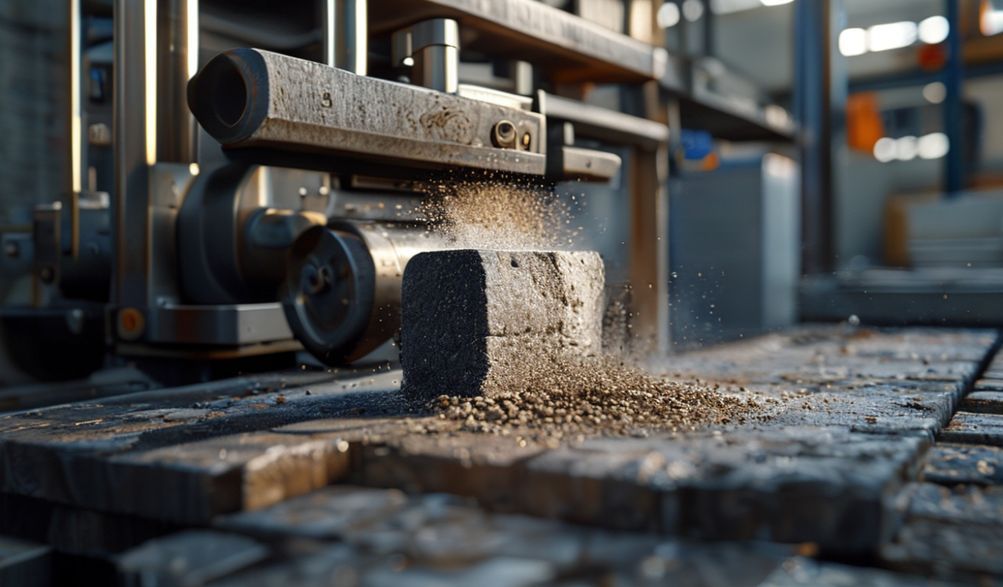
The Ultimate Guide to Brick Maker Machines: Powering Modern Construction
Giriş
In the world of construction and manufacturing, the humble brick remains a foundational building block. From ancient sun-dried clay to today’s precision-engineered blocks, the evolution of brickmaking mirrors the progress of civilization itself. The leap from manual labor to sophisticated mechanization represents one of the most significant efficiency gains in the industry. At the heart of this transformation is the kiremit ýasama maşyny.
A brick maker machine is a pivotal piece of equipment that automates the mixing, molding, and compacting of raw materials into uniform bricks, blocks, and pavers. It offers unparalleled efficiency, consistency, and scalability for projects ranging from a backyard patio to a city-spanning infrastructure development.
This comprehensive guide is crafted from years of industry experience and technical expertise. It is designed to be your authoritative, practical, and trustworthy resource. Whether you’re a construction business owner, a civil engineer, a DIY enthusiast, or an entrepreneur launching a brick-making venture, understanding these machines is crucial.
Making an informed investment can optimize your production process, control costs, and ensure the quality of your output. We will delve into the core technology, various types, critical selection criteria, and operational best practices to build a solid foundation for your success.
Understanding Brick Maker Machines: Core Technology and Process
To make an intelligent purchase, you must first understand what you’re buying. This section breaks down the fundamental technology and process, establishing the expertise behind the equipment.
What is a Brick Maker Machine?
A brick maker machine is a device that automates the production of building blocks. It takes raw materials—such as concrete, clay, fly ash, soil, or a mixture of these—and processes them through stages of mixing, molding, and compaction to produce bricks of consistent size, shape, and density.
- Contrast with Traditional Methods: Historically, brickmaking was labor-intensive, relying on manual molding, sun-drying, and wood-fired kilns. This process was weather-dependent, slow, and produced variable quality.
- The Modern Advantage: The modern machine standardizes quality, exponentially increases output, reduces labor costs, and allows for the use of diverse, often more sustainable, raw materials. It is the engine of scalable, reliable construction material production.
The Brick Production Cycle: From Raw Material to Finished Product
The magic of a brick maker machine lies in its systematization of a once-artisanal process. Here’s a step-by-step look at the typical production cycle.
Material Preparation and Mixing
The journey of a perfect brick begins long before the mold. Proper material preparation is non-negotiable for quality.
- Aggregate Sizing: The size and gradation of sand, gravel, or crushed stone must be consistent. Well-graded aggregates fill voids, requiring less cement paste and creating a denser, stronger brick.
- Çyglylyk Mukdary: This is critical. Too little water, and the mix won’t bind properly during compaction. Too much, and the brick will slump, crack during drying, or have reduced strength. The ideal moisture content is typically between 8-12% for concrete mixes.
- Homogeneous Mixing: A uniform blend of cement (or other binder), aggregates, and water is essential. Inconsistent mixing leads to weak spots and failure points in the final product. Modern machines often feature integrated pan or forced-action mixers.
Molding and Compaction
This is the core function where the machine earns its keep. The prepared material is fed into a mold cavity.
- The Role of Molds: Interchangeable molds define the brick’s shape—solid, hollow, paver, or interlocking. High-quality, hardened steel molds ensure precision and longevity.
- Titreşim we Sıkma: Most machines use a combination of high-frequency vibration and hydraulic or mechanical pressure. Vibration helps the mixture flow into every corner of the mold and releases air pockets, while compression packs the material to a high density. This dual action is what gives machine-made bricks their superior and consistent compressive strength compared to handmade ones.
Curing and Drying
Once released from the mold (a process called “stripping”), the “green” brick is not yet ready for use. It must gain strength through curing.
- Sun Drying: Used primarily for clay bricks (Adobe/CSEB). It’s low-cost but slow and weather-dependent.
- Steam Curing (Curing Chamber): Common for concrete blocks. Fresh bricks are placed in a chamber where controlled heat and humidity accelerate the cement hydration process. This can produce transport-strength bricks in 24 hours or less.
- Autoclaving (AAC Blocks): For lightweight aerated concrete blocks. Curing is done in a high-pressure steam autoclave, which creates unique chemical reactions for high strength and insulation properties.
Types of Brick Maker Machines
The market offers a diverse range of machines tailored to different scales, budgets, and products. Understanding these categories is key to narrowing your search.
Голланма, Ýary-awtomatiki we Doly Awtomatiki Maşynlar
The level of automation directly impacts output, labor needs, and investment.
- Elderly Machines: Operated entirely by hand levers for filling, compacting, and stripping. Ideal for very small-scale projects, community initiatives, or DIY use. They have the lowest output (500-1,500 bricks per day) and lowest cost but the highest physical labor requirement.
- Ýary-awtomatik maşynlar: These machines use mechanical or hydraulic systems for compaction and stripping, but material feeding and brick removal are often manual. They offer a excellent balance, providing higher output (2,000-6,000 bricks per day) with moderate investment and reduced labor. Perfect for small to medium businesses.
- Doly Awtomatik Maşynlar: The pinnacle of production. These computer-controlled or PLC-operated systems automate the entire process: feeding, mixing, molding, compaction, stacking, and sometimes palletizing. They require minimal human intervention, produce very high volumes (10,000+ bricks per hour), ensure exceptional consistency, but come with a significant capital cost. They are the choice for large-scale commercial plants.
Stationary Block Machines vs. Mobile Brick Making Plants
This distinction is about mobility and application.
- Стационар блок машинкалары: These are set up in a fixed location, typically a factory or dedicated production yard. They are designed for high-volume, continuous production and are often integrated into a full production line with conveyor belts and stackers. They are the backbone of permanent brick supply businesses.
- Mobile Brick Making Plants: Mounted on a trailer or truck bed, these machines are designed for on-site production. They eliminate transport costs for finished bricks, ideal for large, remote construction projects (e.g., dams, rural housing projects). While offering great flexibility, their output is generally lower than large stationary plants.
Key Machine Variants by Output and Function
Beyond automation, machines are specialized for different end products.
Concrete Hollow Block Machines
The workhorses of the construction industry. They are specifically engineered to produce standard hollow blocks used in load-bearing and non-load-bearing walls. Their design focuses on creating the precise cavities that reduce weight and improve insulation while maintaining structural integrity.
Paver and Interlocking Block Machines
These machines feature specialized molds for producing:
* Paving Stones:Ýollary, ýolaklar we aýlawlar üçin.
* Gapmaç Bloklar: Designed to lock together without mortar, used for retaining walls, landscaping, and even some building systems. They often require very high compaction pressure to achieve the necessary strength and precision fit.
Lýag Kerpiç Ýasama Maşynlary
For producing traditional fired clay bricks. They typically involve an extrusion process, where a plastic clay mixture is forced through a die to form a continuous column of clay, which is then wire-cut into individual bricks. These “green” bricks must then be dried and fired in a kiln—a separate but essential part of the clay brick production line.
Critical Factors for Choosing the Right Brick Maker Machine
This is the heart of the decision-making process. Choosing wisely requires honest assessment and careful evaluation.
Öndürijilik Talapalaryňyzy Bahalandyrmak
Start by looking inward at your own needs before looking at machines.
- Required Output Capacity (Bricks Per Hour/Day): Be realistic. Calculate based on current project demands and near-future growth. Don’t over-invest in massive capacity you won’t use, but allow for a 20-30% buffer for peak periods. A machine running at 80% capacity is healthier than one constantly maxed out or idle.
- Brick Type, Size, and Specifications: What are you selling or using? Standard 6″ hollow blocks? Decorative pavers? Interlocking soil blocks? Your primary product dictates the machine type and the range of molds you’ll need to purchase upfront.
Evaluating Machine Specifications and Build Quality
Now, scrutinize the machine itself. This is where quality separates itself from junk.
-
Power Source (Electric, Diesel, Hydraulic):
- Elektrik: Clean, quiet, and efficient for fixed locations with reliable grid power. Lower operating cost but dependent on electricity supply.
- Дизель: Offers mobility and independence from the power grid, crucial for remote sites or mobile plants. Higher fuel costs and noise.
- Gidrawlik ulgam: The heart of compaction. Look for reliable, brand-name hydraulic pumps and cylinders. A robust hydraulic system ensures consistent pressure and fewer failures.
-
Esasy Bölümler:
- Titreşim Sistemi: High-frequency, amplitude-adjustable vibration motors are essential for proper compaction. Multiple motors are better than one.
- Kalıp Sıypaty: Molds should be made from hardened, wear-resistant steel (e.g., CH-1, Cr12). A poorly made mold will wear quickly, leading to misshapen bricks and frequent, costly replacements.
- Frame Durability: The frame must be heavy-duty steel, fully welded (not just bolted), to withstand constant vibration and pressure without cracking or warping.
-
Automation Level and Ease of Operation: Match the machine’s complexity to your operators’ skill level. A fully automatic machine requires technical knowledge for maintenance and troubleshooting. A good supplier will offer comprehensive training regardless of the machine type.
Total Cost of Ownership and Supplier Viability
The purchase price is just the entry ticket. The long-term cost is what matters.
-
Beyond the Sticker Price: Factor in:
- Installation & Foundation: Does the supplier provide installation? You’ll need a perfectly level, reinforced concrete foundation.
- Maintenance: Regular oil changes, part inspections.
- Böleklikleriň elýeterliligi: How quickly and cheaply can you get a replacement hydraulic hose, vibration motor, or mold? This is a major hidden cost of choosing an obscure brand.
-
Verifying Manufacturer Expertise and After-Sales Support: This is paramount for yşançlylyk.
- History & Reputation: How long have they been in business? Look for client testimonials and visit existing installations if possible.
- Satyn alandan soňky hyzmat: Do they have service engineers? What is the warranty period (1-2 years is standard)? Do they provide detailed operation and maintenance manuals?
- Local Agent vs. Direct Manufacturer: A local agent can provide faster service, but ensure they are authorized and carry genuine parts.
Operational Best Practices and Maintenance
A machine is a long-term investment. Proper care ensures it pays for itself many times over.
Essential Safety Protocols for Machine Operation
- Always wear appropriate Personal Protective Equipment (PPE): safety glasses, gloves, and steel-toe boots.
- Never place hands in the mold area or under the compaction head while the machine is powered on.
- Ensure all safety guards and emergency stop buttons are in place and functional.
- Lock-out/Tag-out procedures must be followed during any maintenance.
Routine Maintenance Checklist for Peak Performance
- Daily: Clean the machine thoroughly to prevent material buildup. Check hydraulic oil levels and for leaks. Inspect molds for wear or damage.
- Weekly: Grease all moving parts and bearings as per the manual. Tighten any loose bolts and nuts shaken by vibration.
- Monthly: Change hydraulic oil filters. Conduct a thorough inspection of the vibration motors, electrical connections, and hydraulic hoses.
Troubleshooting Common Operational Issues
- Poor Compaction/Weak Bricks: Check moisture content of mix. Ensure vibration motors are working and set to correct amplitude. Verify hydraulic pressure.
- Surface Defects/Sticking in Mold: Mold may be worn or need lubrication (use a recommended mold release agent). Moisture content could be too high.
- Machine Jam: Immediately power off. Never force it. Clear jammed material manually, checking for foreign objects that may have entered the mix.
The Business and Sustainability Case for Brick Maker Machines
Investing in this technology isn’t just about making bricks; it’s about building a smarter, more responsible business.
ROI Analysis: Cost Savings and Efficiency Gains
Automation directly attacks the largest cost centers:
* Labor Cost Reduction: One semi-automatic machine can replace 15-20 manual laborers.
* Material Ululygy: Precise mixing and molding minimize waste of raw materials.
* Tizlik: Faster production means quicker project completion and the ability to take on more work.
* Ylalaşyklylyk: Uniform, high-quality bricks reduce construction errors and callbacks, protecting your reputation.
Environmental Benefits: Using Fly Ash and Recycled Materials
Modern brick maker machines are allies in green construction.
* Fly Ash Utilization: They can use fly ash, a by-product of coal power plants, as a partial replacement for cement. This reduces cement consumption (a major CO2 emitter) and solves a waste disposal problem.
* Recycled Aggregates: Crushed construction waste can often be incorporated into the mix.
* Серме сержелилиги On-site mobile plants eliminate the carbon footprint associated with transporting heavy bricks over long distances.
Frequently Asked Questions (FAQ)
Q1: What is the average production capacity of a standard brick maker machine?
A: There is no true “standard.” Capacities vary astronomically. A small manual machine might produce 500-1,000 bricks in an 8-hour day. A large, fully automatic plant can produce over 10,000 high-quality blocks per hour. Your required capacity is the defining starting point for your search.
Q2: Can one machine produce different types and sizes of bricks?
A: Yes, this is a key feature. Most machines are designed for use with interchangeable molds. You can typically switch from producing solid blocks to hollow blocks to pavers by changing the mold box. Always confirm mold compatibility, changeover time, and the cost of additional molds with your supplier.
Q3: What is the typical lead time for setting up a brick production line?
A: For a standard machine, expect 4 to 12 weeks from order to operation. This includes manufacturing, shipping, customs clearance, and installation. Crucially, site preparation—pouring a level, reinforced concrete foundation—must be completed before the machine arrives and can add several weeks to your timeline.
Q4: How important is after-sales service when choosing a supplier?
A: It is critically important—often more so than a slightly lower purchase price. A reputable supplier with strong after-sales support provides operator training, readily available spare parts, and technical assistance for troubleshooting. This support is your primary defense against costly, prolonged downtime and is a key indicator of a trustworthy partner.
Q5: Are bricks made with these machines as strong as traditional fired clay bricks?
A: Yes, and frequently stronger. The compressive strength of a concrete block is determined by the mix design (cement-to-aggregate ratio) and the compaction force of the machine. Properly produced concrete blocks can easily meet and exceed the strength standards required for load-bearing construction. They also offer benefits like better fire resistance and dimensional consistency.
Netije
Investing in a brick maker machine is a significant decision that impacts the efficiency, cost, and quality of your construction projects or business venture. It is a commitment to progress, consistency, and scalability. By thoroughly understanding the different types of machines, meticulously evaluating your specific production needs against technical specifications, and—most importantly—choosing a reputable supplier with proven after-sales support, you can make an investment that delivers lasting value.
This technology is more than a productivity tool; it’s a gateway to more sustainable and profitable building practices. Use this guide as your foundational resource. We strongly encourage you to take the next step: contact multiple suppliers, request detailed quotations, ask for client references, and, if possible, arrange for a live machine demonstration. With the right knowledge and a reliable partner, your brick maker machine will lay a solid foundation for success for years to come.
<