
Brik Maşynyňyz Üçin Iň Soňky Gollanma: Işletme, Serişde we Kynçylyklaryň Çözülişi
Giriş
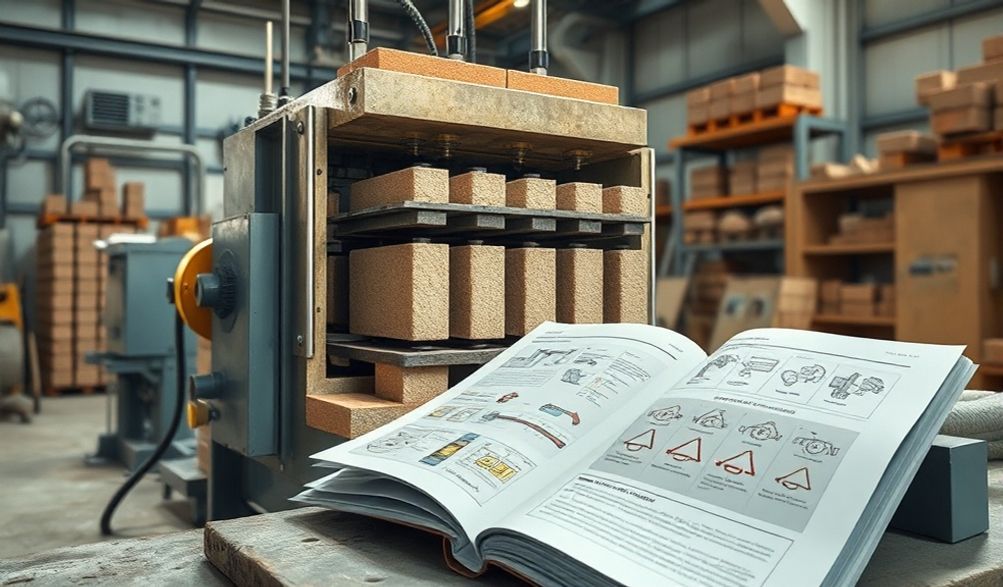
"Кирпич Машинасының Колдонмосу" diýlip atlandyrylan şol kagyzyň ýa-da PDF faýlyň ýygyndysy, gaty tehniki okamak ýaly görünüp bilse-de, gürrüňsiz, siziň kirpiç öndürýän kärhanäňyzdaky iň gymmatly aktivdir. Bu kesgitläp beriji gollanma, şol resminamany düşünmek we peýdalanmak üçin siziň hünärmen ýoldaşyňyz hökmünde hyzmat edýär. Täjirçilik tejribäňiz bolsun, täze işewür boluň ýa-da serişde tehniki işgäri boluň, howpsuzlyk, netijelilik we peýdalylyk üçin maşynyňyzyň gollanmasyna doly düşünmek hökman şertdir.
Biz onlarca ýyllyk jemlenen senagat tejribesine esaslanýarys we tehniki resminamalary hereketli bilimlere öwürýäris. Köplenç, ofislerde tozan ýygnamagyna goýberilen gollanmalary krizis ýagdaýynda görenimiz bolýar. Bu gollanma, şol krizisleriň öňüni almagyňyza, maşynyňyzyň iş möhletini we önümçiligini iň ýokary derejä ýetirmegiňize we zawodda işleýän her bir adam üçin howpsuz iş gurşawyny üpjün etmäge kömek eder. Bu, kerpiç öndüriş işiňizde iň möhüm resminamany özleşdirmek üçin ygtybarly ýol görkezijiňiz hökmünde kabul ediň. Näme üçin onuň şeýle möhüm bolşy bilen başlalyň.
Siziň Kerpiç Maşynyňyzyň Elýeterliligiňiz Üçin Nädip Gerekli Bolýar
Siziň kerpiç maşynyňyz uly serişde goýumdyr. Okuw kitaby şol goýumy goramagyň açarýdyr. Ol teklipler kitaby däl, eýsem, şu enjamyňyz üçin taslanyp düzülen gurluş planydyr. Ony gözden gaçyrmak iş we maliýe howpydyr.
Howly işlemek üçin gurnama
Bu, gollanyň esasy, çekişmeli bolmadyk wezipesidir. Ol aşakdakylary görkezýär:
* Kritiki Howpsuzlyk Protokollary:Howpy başlamak, işlemek we gutarmak üçin ädim-ädim tertibi.
* Howply zolaklaryny kesgitlemek:Açyk diagrammalar, çymylyş nokatlary, kesiş nokatlary, ýokary basyşly gidrawulik hatlary we elektrik howplary görkezýär.
* ŞHS talap edýän zatlar:Артиллериялық шовундан сақлану үшін құлаққаптардан бастап, темір тумшуқлы етіктер және қорғаныш көзілдіріктерге дейін әртүрлі тапсырмалар үшін міндетті жеке қорғаныш жабдықтары.
Biz tejribämize görä, iş ýerindäki öňüni alary bolýan heläkçilikleriň köpüsi, bu resmi tassyk edilen howpsuzlyk tertipleri "ýeňillik" ýa-da çaltlyk üçin geçilende ýüze çykýar.
Maşynlaryň ömrüni we investisiýanyň gaýtargysyny iň ýokary derejä ýetirmek
Siziň investisiýaňyzyň gelirliliği (ROI) elýeteri nusgawy nädip ýerine ýetirýändigiňize baglydyr. Ol şu nusgawy görkezýär:
* Оптимал ишлеý tertipleri:Maşynyň kesgitlenen parametrlerinden daşary (meselem, tizlik, basyş) işletmek, artykmaç ýypranmaga sebäp bolýar.
* Öňüni alýany saklamak tertipleri:Olar inženerler tarapyndan düzümleriniň ýadawlygy we ýypranma derejesi esas alnyp hasaplanylýar. Olara boýun bolmak, kiçi we arzan meseleleriň betbagtçylykly we gymmat bahaly döwüklere öwrülmeginiň öňüni alýar.
Gollanma boýunça işlemek harajat däl; bu, maşynyňyzyň ýyllar dowamynda kerpiç we peýda öndürmegini üpjün etmegiň iň tygşytly usulydyr.
Haryşly Önüm Sypatynyň Ylalaşyklylygyny Üpjün Etmek
Ygtybarly garyşykly garynjylar partiýalaryny ret etmäge, müşderileriň nägile bolmagyna we materiallaryň isrip edilmegine sebäp bolýar. Elýeterli gollanma siziň hil kontrol gollanmanyňyzdyr.
* Doly Sazlamalar:Ол сығу күчі, дүңклөө жиіліги жана цикл уақыты үчін так калибровканы камсыз кылат.
* Materiallaryň Düzümi:Ол цемент, агрегат we suw nãmleginiň dogry garyndy gatnaşyklaryny jikme-jik beýan edýär.
* КӨПҮК ВЕ ПОДДОН ЫЙГАРЫСЫ:Кӯклеме артдырмагыны тазаламак ве палеталары дӯзетмек буйруҗылары, һәр бир керпиҹиң таза ачылмасыны ве бирдей ӧлҹелери ве беркдигини еминят эдер.
Стандарт кирпич машинасының колдонмасының негизги бөлүмлеринин кодларын ачмак
A well-structured manual can be navigated efficiently. Knowing what to look for and where turns it from a daunting tome into a useful tool.
Safety Instructions and Hazard Identification
This is always Chapter 1. Pay utmost attention to:
* Safety Pictograms: Universal symbols for crushing, electrical shock, and hearing damage.
* Ключ-Белги (LOTO) Процедуралары: The legally-required process to ensure a machine is de-energized and cannot be started during maintenance.
* Emergency Stop Protocols: The location of all E-stop buttons and the correct response sequence for different types of failures.
Technical Specifications and Component Glossary
This is your machine’s “birth certificate.” Key details include:
* Capacity: Output (bricks per hour), mold sizes, and maximum pressure.
* Güýç talap edýän zatlar: Voltage, phase, and amperage to ensure correct electrical supply.
* Hydraulic System Data: Required oil type, reservoir capacity, and operating pressure ranges.
* Component Glossary: A labeled diagram with the official names for every major part (hopper, mixer, conveyor, hydraulic ram, control panel). Using the correct terminology is crucial when ordering parts or describing a problem to a technician.
Step-by-Step Operational Procedures
This is the core “how-to” section. It should be linear and clear:
1. Initial Setup & Installation: Foundation requirements, leveling, and initial connection.
2. Power-On Sequence: The correct order to energize systems (e.g., main power, then hydraulics, then control system).
3. Daily Production Run: Loading material, starting the cycle, and monitoring operation.
4. Proper Shutdown Process: The reverse of startup, often including a cleaning cycle. An improper shutdown is a common cause of morning-startup jams.
The Proactive Maintenance Schedule: Your Manual’s Most Valuable Plan
Think of the maintenance schedule as a personalized health plan for your machine. Proactive care is infinitely cheaper than reactive repair.
Daily Checklists: The 10-Minute Ritual
These quick inspections prevent 80% of common issues.
* Pre-Start: Check hydraulic oil levels, inspect for loose bolts or leaks, ensure guards are in place, and verify the hopper is clear of debris.
* Post-Shutdown: Clean excess material from the mold, mixer, and conveyor. Lubricate all designated points (grease nipples) as specified. A clean machine is a reliable machine.
Weekly & Monthly Maintenance Tasks
These slightly more involved tasks sustain long-term health.
* Weekly: Check and clean hydraulic filters (if indicated), inspect mold liners for wear or damage, and verify conveyor belt tension and alignment.
* Monthly: Perform a more thorough bolt-tightening check on vibrating tables and frames. Inspect electrical connections for corrosion. Test emergency stop functions.
Seasonal and Annual Overhauls
This is “deep care” time, often requiring more technical skill or a professional.
* Seasonal: Tasks like changing hydraulic oil filters and checking the system for water contamination (especially in humid climates).
* Annual/Recommended Hourly: Major servicing such as replacing hydraulic oil entirely, inspecting and potentially replacing wear parts like seals and gaskets, and having a certified technician calibrate pressure sensors and the control system.
Advanced Troubleshooting: Using Your Manual to Diagnose Common Issues
When problems arise, your first move should be to grab the manual, not a wrench. It contains the diagnostic logic designed by the machine’s engineers.
Problem: Inconsistent Brick Density or Cracking
- Symptoms: Bricks are crumbly, have low strength, or exhibit surface or internal cracking.
- Manual Reference: Go to the Material SpecificationsһәмCalibration sections.
- Likely Causes & Checks:
- Incorrect material mix ratio (too much sand, not enough cement).
- Improper moisture content (too wet or too dry).
- Incorrect compression force or vibration time setting.
- Worn mold liners allowing too much “give.”
Problem: Machine Jamming or Hydraulic Issues
- Symptoms: Machine stalls mid-cycle, unusual noises from the hydraulic pump, slow ram movement.
- Manual Reference: Consult the Hydraulic System Diagram, Pressure ChartsжанаClearing Blockages procedure.
- Likely Causes & Checks:
- Low hydraulic oil level or contaminated oil.
- Clogged hydraulic filter causing pressure drop.
- A physical blockage in the mold or feed hopper.
- Faulty pressure relief valve (refer to error codes if equipped).
Problem: Electrical Faults or Control Panel Errors
- Symptoms: Machine won’t start, panel displays an error code, or a specific function (like the mixer) is inoperative.
- Manual Reference: Find the Error Code GlossaryһәмElectrical Schematic appendix.
- Likely Causes & Checks:
- Tripped circuit breaker or blown fuse (manual lists locations and ratings).
- Loose wire connection at a sensor or solenoid.
- Faulty sensor (e.g., limit switch) triggering a safety lockout.
- Crucial: Always follow LOTO procedures before inspecting electrical components.
Sourcing, Preserving, and Updating Your Manual
Your relationship with the manual is ongoing. Managing the document itself is part of professional operations.
How to Find a Lost or Replacement Manual
If the physical copy is lost, act quickly:
1. Manufacturer/Dealer: Contact them directly with your machine’s model and serial number. This is the most authoritative source.
2. Official Online Portals: Many manufacturers now host digital libraries on their websites.
3. Industry Forums & Archives: Sites for construction equipment can be helpful, but always verify information against an official source, especially for safety details.
Best Practices for Manual Preservation
- Create a Digital Backup: Scan a physical manual or save the official PDF to a cloud drive and a local computer. Ensure your team knows how to access it.
- Protect Physical Copies: Keep the original in a protective binder in the site office. A weather-resistant, marked copy on the shop floor can be useful for quick reference.
- Maintain a Logbook: Attach a simple notebook to the manual for operators to jot down recurring issues, part numbers replaced, or minor procedure tweaks. This creates invaluable site-specific knowledge.
Handling Manual Revisions and Factory Updates
Manufacturers occasionally issue updates to address newly discovered safety concerns or improve procedures.
* Register Your Equipment: Always complete the warranty/registration card. This puts you on the manufacturer’s list to receive technical bulletins.
* Check for Updates: Periodically check the manufacturer’s website using your model number.
* Integrate Revisions: Print and securely attach any official updates to your manual. Discard outdated pages to avoid confusion.
FAQ Section
Q1: My brick machine manual is in a foreign language. What should I do?
A: Your first and best step is to contact the manufacturer or an authorized dealer to request an official translation. As a temporary, high-caution measure, you can use a reputable professional translation service for key safety and operational sections. However, never rely solely on unofficial translations for complex calibration or repair procedures, as technical nuance can be lost.
Q2: Can I skip the daily maintenance if the machine seems to be running fine?
A: Absolutely not. Daily checks are preventative, not corrective. They are designed to catch issues öň they affect performance. Skipping them is akin to ignoring the “check engine” light in your car. The schedule is engineered based on wear patterns; adhering to it is the most cost-effective operational practice you can follow.
Q3: Is it safe to perform repairs myself using only the manual?
A: The manual should clearly distinguish between operator-level maintenance (e.g., cleaning, lubricating, simple part swaps) and technician-level repairs. You can safely perform the former. For any task involving hydraulics, high-voltage electrical systems, structural welding, or complex disassembly, the manual itself will likely advise contacting qualified personnel. Heed these warnings for your safety and to avoid voiding warranties.
Q4: The manual for my older machine is outdated. Are procedures still valid?
A: Core mechanical principles and fundamental safety protocols (like LOTO) remain timeless and valid. However, for part replacements, always strive to source current information from the manufacturer, as materials and specifications may have improved. Most critically, research online or contact the manufacturer to see if any official Safety BulletinsжеTechnical Service Updates were issued after your manual’s publication date.
Netije
Your brick machine manual is far more than a booklet that comes in the box—it is the foundational document for a safe, efficient, and profitable operation. It embodies the engineering wisdom of its creators. By treating it as an essential, living tool and investing time to understand its instructions, schedules, and diagrams, you actively protect your team, your significant investment, and your business’s future.
Revisit it regularly, keep it accessible and updated, and never hesitate to consult with the manufacturer or a certified expert when in doubt. Let this guide and your official manual work in tandem to build a stronger, more reliable foundation for your success, one perfectly formed brick at a time.
<