
The Ultimate Guide to Block Moulder Machines: Types, Prices & How to Choose
Panimula
The global demand for affordable, durable housing and infrastructure has never been higher. From urban developments to rural community projects, the need for reliable, cost-effective building materials is universal. At the heart of this construction boom lies a fundamental component: the humble concrete block. Prized for its strength, fire resistance, and thermal mass, it remains a cornerstone of modern building. However, meeting today’s scale and quality demands with traditional, manual block-making methods is a significant challenge. These methods are notoriously labor-intensive, slow, and prone to producing inconsistent blocks that can compromise structural integrity.
Enter the block moulder machine: the engineered solution that transforms raw concrete mix into precise, high-quality building elements with remarkable efficiency. For contractors, builders, and entrepreneurs, investing in the right block-making equipment isn’t just a purchase—it’s a strategic decision that impacts productivity, profit margins, and project success.
This ultimate guide is crafted from deep industry insights, technical analysis, and practical operational knowledge. Our goal is to demystify block moulder machines, providing you with a comprehensive resource to navigate types, features, costs, and selection criteria. Whether you’re launching a block supply business or scaling up your construction company’s capabilities, this guide will equip you to make a confident, informed investment.
What is a Block Moulder Machine? Understanding the Core Technology
Basic Definition and Function
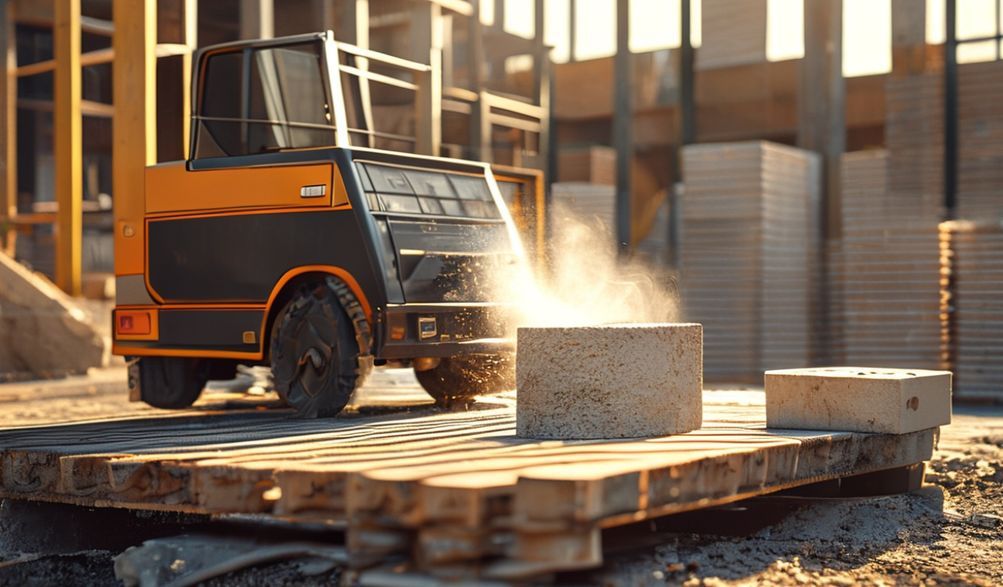
A block moulder machine is a mechanical or electro-hydraulic device designed to compact a semi-dry concrete mix into specific, reusable molds. By applying precise pressure and vibration, it produces uniform solid or hollow blocks, bricks, pavers, and other concrete products. Essentially, it automates and perfects the age-old process of molding concrete, ensuring each unit meets consistent size, density, and strength standards.
The Block Production Process (Step-by-Step)
Understanding the core cycle demystifies the machine’s operation. While details vary by model, the fundamental process is:
- Pagpapakain: The prepared concrete mix (a blend of cement, sand, aggregates, and minimal water) is loaded into the machine’s hopper or feeding chamber.
- Pagpapatibay at Pagyanig: The mix is transferred into the mold box. Here, a combination of hydraulic pressure and high-frequency vibration forces the mix into every corner of the mold. This critical step eliminates air pockets and achieves the required block density.
- Paghuhulma: While under compaction, the mix takes the exact shape of the mold cavity, which defines the block’s final form (e.g., hollow, solid, interlocking).
- Ejection/Stripping: The mold box is lifted or moved away, and the newly formed, stable block is pushed out onto a pallet, steel plate, or the ground for curing.
Key Outputs: What Can You Produce?
A single machine, often with interchangeable molds, can produce a variety of products:
* Hollow Blocks: The most common, used for load-bearing and non-load-bearing walls. Their hollow cores reduce weight and improve insulation.
* Masinsing Bloke: Dense and strong, used for foundations, pavements, and areas requiring high structural integrity.
* Mga Batong Pambakod at Interlocking Blocks: For driveways, walkways, and patios. Interlocking designs create stable surfaces without mortar.
* Kerbstones & Landscape Blocks: For road edging, garden walls, and decorative landscaping features.
Types of Block Moulding Machines: Choosing the Right Model
Mga Makina para sa Paggawa ng Bloke sa Pamamagitan ng Kamay
- Operasyon: Entirely human-powered. Operators manually fill the mold, compress the lever, and strip the block.
- Mga Kalamangan:
- Lowest upfront cost and simplest design.
- No electricity or fuel required.
- Easy to maintain and repair.
- Mga Disbentahe:
- Very low output (typically 200-500 blocks per 8-hour day).
- High physical labor leads to fatigue and inconsistency.
- Block density and strength can vary significantly.
- Pinakamainam Para Sa: Micro-businesses, very small personal projects, or regions with extremely limited infrastructure.
Semi-Automatikong Makina ng Paggawa ng Bloke
- Operasyon: A hybrid model. Feeding is often manual or semi-mechanized, but the core functions of compaction, vibration, and ejection are powered (electric or diesel). Many use a vibrating table.
- Mga Kalamangan:
- Good balance between cost and output (1,000 – 3,000 blocks per day).
- Significantly better block consistency and strength than manual machines.
- Reduced physical strain on operators.
- Mga Disbentahe:
- Requires a power source.
- Mas mataas ang paunang puhunan kaysa sa mga manuwal na makina.
- Pinakamainam Para Sa: Small to medium-scale businesses, growing block yards, and contractors with steady project demand.
Ganap na Awtomatikong Makina sa Paggawa ng Bloke
- Operasyon: These are sophisticated production lines. They automate the entire process: batching, mixing, conveying, molding, curing, and even stacking. Controlled by PLC (Programmable Logic Controller) systems.
- Mga Kalamangan:
- Very high output (8,000 – 20,000+ blocks per 8-hour shift).
- Exceptional, unwavering product quality and uniformity.
- Dramatically reduced direct labor costs.
- Mga Disbentahe:
- Highest capital investment.
- Requires significant space, stable high-power supply, and skilled maintenance.
- Complex installation and setup.
- Pinakamainam Para Sa: Large-scale commercial block manufacturing plants supplying major construction projects or distributors.
Mobile vs. Nakatigil na Makina ng Bloke
- Mga Makinang Mobile: Mounted on a trailer or wheels, these can be towed directly to a construction site. Ideal for producing blocks on-location, eliminating transport costs for the final product. Typically smaller in scale.
- Nakatigil na Makinarya: Fixed installations meant for a dedicated production yard or factory. They are generally more robust, offer higher outputs, and form the core of a permanent business setup.
Critical Features to Evaluate in a Block Moulding Machine
Kapasidad sa Produksiyon (Mga Bloke Bawat Oras/Araw)
Don’t just look at the maximum theoretical output. Consider sustainable daily production. Match this number to your current project volume and factor in at least 25-50% growth capacity for your business. Overbuying leads to idle capital; underbuying creates bottlenecks.
Power Source & Consumption
- Kuryente: Clean, quiet, and cost-effective to run if grid power is reliable. Requires a stable connection, often three-phase for larger models.
- Diesel: Offers complete independence from the electrical grid, crucial for remote sites. Higher fuel costs and maintenance, with noise and emissions.
- Hybrid (Electric/Diesel): Provides flexibility to switch between power sources based on availability and cost.
Mold Type & Customization
Molds are the heart of the machine. Key considerations:
* Kalidad ng Bakal Opt for hardened, high-chrome steel molds. They resist wear from abrasive concrete, ensuring longer life and consistent block dimensions.
* Changeover Time: How quickly can you switch molds to produce a different block type? Quick-change systems minimize downtime.
* Pasadyang Molde: Can the supplier manufacture custom molds for unique block designs or special profiles? This opens niche market opportunities.
Sistema ng Pagyanig
This is critical for block strength. A powerful, well-distributed vibration system ensures optimal compaction.
* Single Vibration: Usually a vibrating table. Effective for standard blocks.
* Dual Vibration (Table and Mold Head): Provides superior compaction from both top and bottom, essential for producing high-density, high-strength blocks (e.g., for ASTM C90 standards) and intricate designs like pavers.
Durability & Build Quality
Inspect the machine’s core structure:
* Kuwadro Look for heavy-duty, welded steel frames that can withstand constant vibration without stress fractures.
* Sistema ng Haydroliko: Reliable, branded pumps and cylinders with proper filtration reduce breakdowns. Ask about pressure ratings.
* Proteksyon Laban sa Korosyon: Painted or powder-coated surfaces, especially in humid or coastal environments, extend machine life.
Understanding Block Moulder Machine Prices: A Realistic Breakdown
Primary Cost Factors
Price is driven by several interconnected factors:
1. Antas ng Automation: This is the biggest driver. A jump from manual to semi-automatic, and again to fully automatic, represents a significant cost increase.
2. Kapasidad sa Produksiyon: Higher output machines command higher prices due to larger components and more complex engineering.
3. Tatak & Pinagmulan: Established international brands often carry a premium over newer or regional manufacturers, typically reflecting R&D, material quality, and global service networks.
4. Build Quality & Features: Machines with dual vibration, premium hydraulics, and robust frames cost more upfront but offer lower lifetime costs.
5. After-Sales Package: Inclusion of training, warranty length, and proximity of service support are value-adds reflected in the price.
Price Range Estimates (General Guidance)
It is crucial to treat these as illustrative ranges. Always request detailed, current quotations from suppliers.
* Mga Makina ng Manual na Bloke: Can start from as low as $1,000 to $4,000, depending on size and build.
* Semi-Automatikong Makina: A significant range exists, typically from $5,000 to $30,000+, based on output capacity and level of automation.
* Ganap na Awtomatikong mga Linya: These are major capital investments. Prices begin around $50,000 and can easily exceed $250,000 for high-output, integrated production lines.
The Total Cost of Ownership
The purchase price is just the beginning. A responsible budget must include:
* Pagkakabit at Pagkakomisyon: Especially critical for automatic lines.
* Pagsasanay sa Operator Proper training prevents damage and ensures quality output.
* Preventive Maintenance: Regular costs for lubricants, filters, and wear parts.
* Spare Parts Inventory: Budget for a starter kit of common spare parts to minimize downtime.
* Energy/Fuel Costs: A major ongoing operational expense.
* Mold Investment: Additional molds for different products are an extra cost.
How to Choose the Best Block Machine for Your Project: A Practical Checklist
Assess Your Production Needs
- What is your current average daily block requirement?
- What types of blocks (hollow, solid, paver) do you need to produce, and in what ratio?
- What are your business growth projections for the next 3-5 years?
Evaluate Your Site & Infrastructure
- Kosmos: Do you have adequate space for the machine, raw material storage, a curing area, and finished product stockpiling?
- Kapangyarihan: What is your available power supply (Voltage, Phase)? Is it stable?
- Mga Hilaw na Materyales: Do you have consistent, cost-effective access to quality cement, sand, and aggregates?
Research Manufacturers & Suppliers
- Reputation & History: How long has the company been in business? Search for independent customer reviews and testimonials.
- Portfolio: Ask for photos/videos of their machines in operation and a list of client references.
- Suportang Teknikal: What does the warranty cover? Is there a local service technician? What is the typical response time for spare parts?
The Importance of After-Sales Service
The relationship with your supplier begins after the sale. Reliable access to technical advice, genuine spare parts, and prompt repair service is non-negotiable. A slightly cheaper machine from a supplier with poor support can become the most expensive asset you own.
Operating and Maintaining Your Block Moulder Machine for Longevity
Best Practices for Optimal Operation
- Mix Design: The machine is only as good as the mix. Use clean, well-graded aggregates. The water-cement ratio is critical—too wet causes block deformation; too dry leads to poor compaction. A common starting ratio for hollow blocks is 1 part cement to 6 parts sand to 4 parts aggregate, but always test with local materials.
- Consistent Feeding: Ensure the feed hopper is never overfilled or empty. Consistent feed volume is key to uniform block weight and density.
- Pre-Operation Checks: Before starting each shift, check hydraulic oil levels, tighten any visible loose bolts, and ensure the mold and pallets are clean.
Essential Daily & Periodic Maintenance
Adhere to the manufacturer’s manual, but a general schedule includes:
* Daily: Clean the machine thoroughly, especially the mold cavity and vibration table. Lubricate all moving points as specified.
* Weekly: Check and tighten all bolts and nuts. Inspect hydraulic hoses for leaks. Clean the hydraulic oil filter.
* Monthly: Check wear parts like mold liners, springs, and vibration motor mounts. Test hydraulic system pressure.
Troubleshooting Common Issues
- Blocks Sticking in Mold: Usually caused by a worn mold, insufficient vibration, or an overly wet mix. Check mold condition and adjust mix design.
- Poor Surface Finish/Rough Edges: Often due to a dirty or damaged mold, or insufficient compaction pressure. Clean the mold thoroughly and check hydraulic pressure.
- Blocks Breaking Easily (Low Density): Caused by weak vibration, incorrect mix design (too little cement or too dry), or insufficient compaction time. Address the vibration system and revisit your mix ratios.
Frequently Asked Questions (FAQ) About Block Moulder Machines
Q1: What is the average production output of a standard block machine?
Isalin ang teksto sa Filipino. I-output LAMANG ang isinalin na teksto. There is no “standard” output—it varies dramatically by type. A manual machine may produce 200-500 blocks per day, a semi-automatic model 1,000-4,000, and a fully automatic line 8,000-20,000+ per 8-hour shift. Always refer to the specific model’s technical specifications for accurate figures.
Q2: Can I use a block moulder machine to start a business?
Isalin ang teksto sa Filipino. I-output LAMANG ang isinalin na teksto. Absolutely. Manufacturing concrete blocks is a proven and viable business opportunity. You can supply local builders, contractors, and retailers, or even secure contracts for specific projects. Success requires a solid business plan, understanding your local market demand and competition, and starting with a machine that allows for growth.
Q3: What raw materials are needed, and what is the ideal mix ratio?
Isalin ang teksto sa Filipino. I-output LAMANG ang isinalin na teksto. You need Portland cement, clean sand (river or crushed), an aggregate (like stone dust or gravel 3/8″), and water. The “ideal” ratio depends on the target block strength (e.g., N/mm²) and your local material properties. A common baseline for hollow blocks is a cement:sand:aggregate ratio of 1:6:4. We strongly recommend conducting small trial batches to calibrate the mix for your specific machine and materials.
Q4: How much space is required to set up a block-making yard?
Isalin ang teksto sa Filipino. I-output LAMANG ang isinalin na teksto. For a small to medium semi-automatic operation, you should plan for at least 2,000 to 5,000 square feet. This accommodates the machine, raw material bays (protected from rain), a curing area (where blocks gain strength for 7-14 days), and storage for finished blocks ready for sale.
Q5: Where can I find a reliable supplier or manufacturer?
Isalin ang teksto sa Filipino. I-output LAMANG ang isinalin na teksto. Research established industry players with a strong track record. Attend international construction and machinery expos, seek referrals from existing block manufacturers, and explore reputable online B2B platforms. Always vet suppliers thoroughly—request factory audits, customer lists, and detailed service agreements. The cheapest option is rarely the most reliable in the long run.
Konklusyon
Choosing the right block moulder machine is a pivotal decision that hinges on carefully aligning technology with your specific goals. The journey involves matching the machine type—manual, semi-automatic, or fully automatic—to your true production scale and growth trajectory. It requires looking beyond the initial price tag to evaluate critical features like vibration systems and build quality, and planning for the total cost of ownership, including maintenance and support.
View this purchase not as an expense, but as a strategic investment in the quality, efficiency, and scalability of your construction or manufacturing business. The most successful operations are built on a foundation of reliable equipment backed by an even more reliable supplier partnership.
Ready to discuss your specific block production needs? Contact our expert team today for a personalized consultation and detailed quotation.
Want to be fully prepared? Download our free comprehensive checklist: “10 Essential Questions to Ask Before Buying a Block Moulder Machine.”
We are committed to providing trustworthy, expert-backed information to empower your decision-making in the construction industry. Your success in building the future begins with choosing the right tools today.
<