
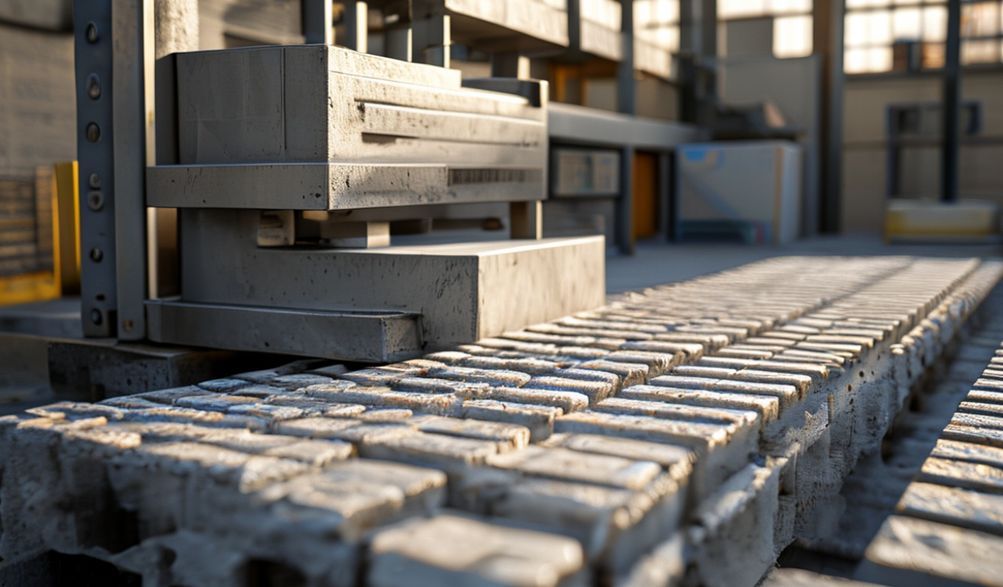
Presyo ng Makina sa Paggawa ng Concrete Blocks: Isang Gabay at Detalye ng Gastos para sa Mamimili sa 2026
Panimula
Sa wakas, nagpasya ka nang kontrolin ang iyong supply chain. Bilang isang kontratista, sawang-sawa ka na sa pabagu-bagong iskedyul ng paghahatid at mga tubong napapawi ng gastos sa transportasyon. Bilang isang nagsisimulang negosyante, nakikita mo ang tuluy-tuloy na pangangailangan para sa mga materyales sa konstruksiyon sa iyong lumalagong rehiyon. Ang solusyon ay tila malinaw: mamuhunan sa sarili mong makina ng paggawa ng bloke ng semento. Ngunit ang isang mabilis na online na paghahanap para sa "presyo ng makina sa paggawa ng bloke ng semento" ay lalo kang naguluhan. Ang mga presyo ay mula sa ilang libo hanggang sa ilang daang libong dolyar. Paano mo ito mauunawaan?
Nilalampasan ng gabay na ito ang ingay. Buhat sa datos ng industriya, direktang mga espesipikasyon ng tagagawa, at praktikal na mga pananaw mula sa mga may-ari ng negosyo, ilalahad namin ang mga gastos para sa iyo. Higit pa sa mga saklaw ng presyo ang iyong matututunan. Bubusisiin natin ang mga pangunahing salik na nagtatakda ng gastos, kung paano itugma ang isang makina sa iyong partikular na pangangailangan sa negosyo, at—nang napakahalaga—ang kabuuang halaga ng pagmamay-ari na higit na lampas sa paunang presyo sa tag. Sa huli, magiging handa ka upang makagawa ng isang nakabatay sa kaalamang pamumuhunan na magpapatatag sa iyong negosyo, hindi magpapabigat dito.
Pag-unawa sa mga Makina ng Paggawa ng Concrete Block: Mga Uri at Kakayahan
Bago pag-usapan ang presyo, mahalagang maunawaan mo kung ano ang iyong binibili. Ang uri ng makina na kailangan mo ang pinakamalaking salik sa halaga. Ang pagpili ng maling uri para sa iyong operasyon ang pinakamabilis na paraan upang masira ang iyong return on investment.
Manual at Semi-Awtomatikong Makina
- Paglalarawan:Ito ang mga pinakamahahawakang makina. Ang mga manual na modelo ay nangangailangan ng operator na maglagay ng materyal sa hulma, mag-activate ng mekanismo ng pagpiga (karaniwang isang lever), at mag-alis ng tapos na bloke. Ang mga semi-awtomatikong bersyon ay may karagdagang mga de-kuryenteng tungkulin, tulad ng panginginig o haydrolikong pagpiga, ngunit malaki pa rin ang pag-asa sa operator para sa paglalagay ng materyal at pag-aalis ng bloke.
- Angkop Para Sa:Napakaliit na proyekto, mga DIY enthusiast, mga startup na sumusubok sa merkado nang may minimal na puhunan, o gumagawa ng mga espesyalidad na bloke sa napakababang dami.
- Key Price Influencers: The brand’s market position, the complexity and size of the molds (a standard hollow block mold is cheaper than a complex interlocking paver mold), and the level of automation in semi-automatic models.
Ganap na Awtomatikong Nakatigil na Makinarya
- Paglalarawan: These are the workhorses of dedicated block yards. They are fixed installations that automate the entire process: material batching, mixing, molding, high-frequency vibration, curing, and sometimes even pallet circulation and stacking. Output is measured in blocks per hour.
- Angkop Para Sa: Medium to large-scale production businesses supplying local hardware stores, contractors, or housing developments. They require a dedicated space and proper foundation.
- Key Price Influencers: Production capacity is paramount. A machine producing 1,000 blocks per hour costs significantly less than one producing 5,000. The degree of integration (e.g., having an automatic mixer feeder) and the reputation of the brand (often tied to reliability and durability) also heavily influence price.
Mobile Block Making Machines
- Paglalarawan: Built on a trailer or skid frame, these machines are designed for portability. They can be towed directly to a large construction site, producing blocks on-demand and slashing transportation costs for the final product.
- Angkop Para Sa: Large infrastructure projects, remote site construction, or businesses that service multiple large job sites from a central base.
- Key Price Influencers: The engineering for mobility (robust axles, braking systems) and the inclusion of an onboard diesel engine or power plant add cost. Production capacity remains a key factor.
Specialized Machines: Hollow Block, Paver, Interlocking
- Paglalarawan: While many machines are versatile with mold changes, some are engineered specifically for high-volume production of a single block type, like hollow blocks, paving stones, or interlocking soil blocks.
- Key Price Influencers: The sophistication of the mold and the hydraulic system. A machine designed to produce intricate, high-tolerance paving stones with multiple colors requires more precise and expensive technology than one producing basic construction blocks.
Breaking Down the Costs: From Sticker Price to Operation
Now, let’s translate machine types into actual numbers and explore all the costs involved. Industry practice shows that focusing solely on the purchase price is the most common mistake new buyers make.
The Machine Price Spectrum (2026 Estimates)
- Entry-Level (Manual/Semi-Auto): $1,000 – $15,000. This range covers basic manual machines up to semi-automatic models with modest output.
- Mid-Range (Fully Automatic Stationary): $15,000 – $50,000. This is the sweet spot for serious small to medium businesses, covering robust automatic machines with outputs from ~800 to 2,500 blocks per hour.
- High-Capacity/Industrial: $50,000 – $200,000+. This tier includes high-speed multi-block machines, fully integrated production lines with automatic stackers and loaders, and specialized large-format paver plants.
Mahalagang Paunawa: Prices vary wildly based on configuration, brand, and region. The figures above are 2026 estimates for guideline purposes. Always get multiple, detailed quotes.
Core Factors That Determine “Machine to Making Concrete Blocks Prices”
Why is there such a broad range? These five factors are what suppliers use to build their quotes:
- Kapasidad sa Produksiyon (Mga Bloke bawat Oras): This is the engine size. Higher output requires more powerful motors, larger hydraulics, and sturdier frames.
- Level of Automation & Technology: A basic automatic machine differs from one with a programmable logic controller (PLC), touch-screen interface, and automated pallet return system. Each upgrade adds cost but also improves consistency and reduces labor.
- Brand & Country of Origin: Established brands from Germany, Italy, or the USA often command a premium for proven engineering and reliability. Machines from India, Turkey, or China can offer excellent value but require careful supplier vetting. The “cost” here relates to perceived risk and part availability.
- Machine Type & Specialization: As outlined in the previous section, a mobile machine costs more than a stationary one of similar output due to its chassis and engine. A specialized paver machine is engineered differently than a standard block machine.
- Pagiging Kaakma ng Hilaw na Materyal Can the machine efficiently handle fly ash, slag, or various lightweight aggregates? Machines built for diverse mix designs may have more robust mixing systems.
The Hidden Costs: Total Cost of Ownership (TCO)
The true cost of your machine includes all these often-overlooked expenses:
- Installation & Foundation: A stationary machine needs a level, reinforced concrete foundation. This is a significant civil works cost that is absolutely non-negotiable for performance and safety.
- Paghahatid at Logistics: For an international order, freight, insurance, customs duties, and port handling can add 15-30% to the machine’s landed cost.
- Molds & Attachments: The machine might come with one or two standard molds. Additional molds for different block types can cost from $500 to $5,000+ each.
- Mga Pangangailangan sa Kuryente: A fully automatic machine may require a three-phase industrial power connection or a large-capacity generator, both of which are substantial investments.
- Maintenance & Spare Parts: Based on operational data, you should budget 3-7% of the machine’s initial cost annually for routine maintenance and spare parts (wear parts like springs, bolts, and hydraulic seals).
- Operator Training: An inefficient or untrained operator will waste material and produce sub-standard blocks. Factor in the cost of training or the learning curve’s impact on initial production quality.
How to Choose the Right Machine for Your Budget & Needs
With an understanding of costs, you can now make a strategic choice. Authoritative advice from seasoned owners always points to aligning the machine with your business plan, not the other way around.
Step 1: Assess Your Business Model & Demand
Be brutally honest with your projections.
* What is your realistic daily or weekly output requirement to meet demand?
* Which block types (4″, 6″, hollow, solid, pavers) are most in demand in your local market?
* Are you a startup needing to minimize risk, an expanding business needing to boost capacity, or a large contractor looking for on-site production?
Step 2: New vs. Used Equipment
This is a major budget decision.
* New Machines:
* Mga Kalamangan: Full warranty, latest technology and efficiency, reliability, and supplier support from day one.
* Mga Disbentahe: Higher upfront capital expenditure (CAPEX).
* Used Machines:
* Mga Kalamangan: Lower entry price, potentially faster availability.
* Mga Disbentahe: “As-is” condition risk, unknown maintenance history, potential difficulty sourcing obsolete parts, and little to no warranty. Always insist on an in-person inspection or a detailed video run-through.
Step 3: Key Questions to Ask Suppliers
Your relationship with the supplier is critical. Ask these questions:
* “What does your after-sales service and technical support look like in my country/region? Do you have local technicians?”
* “What is the exact warranty period and what components does it cover? (e.g., frame, hydraulics, electrical)”
* “How readily available are spare parts, and what is the typical delivery time?”
* “Do you provide installation supervision, detailed manuals, or operator training?”
Step 4: Calculating Your Return on Investment (ROI)
A simple framework to justify the purchase:
(Projected Annual Revenue from Blocks - Cost of Raw Materials & Operating Expenses) / Total Machine Investment (Purchase + Installation + Hidden Costs)
This calculation will highlight a key insight commonly reported by owners: a slightly more expensive, reliable machine with good support often delivers a faster and safer ROI than a cheap machine plagued by downtime and repair costs.
FAQ: Your Concrete Block Machine Price Questions Answered
Q1: What is the cheapest type of concrete block making machine?
A: Manual machines have the lowest upfront price. However, you must factor in high labor costs and very low output, which can make the cost-per-block higher than with a semi-automatic model.
Q2: Can I get a good automatic block machine under $20,000?
A: Yes, it is possible. In 2026, this price range should get you a basic stationary automatic machine from certain manufacturers with a capacity of around 1,000-1,500 blocks per hour. Prioritize suppliers with verifiable customer testimonials and clear warranty terms in this competitive segment.
Q3: Are Chinese block making machines a good low-cost option?
A: They can be a very cost-effective solution, and many are of good quality. Due diligence is non-negotiable. Look for suppliers with international certifications (like CE), those who offer comprehensive after-sales support, and have transparent, verified customer reviews. Always factor in potential longer lead times for parts.
Q4: Besides the machine price, what is the biggest ongoing cost?
A: Raw materials (cement, aggregates, sand) are typically 50-70% of your ongoing production cost. Following that, planned maintenance and unexpected repairs are the most significant costs related to the machine itself. Energy and labor are also major budget items.
Q5: How can I ensure my investment is protected?
A: Protect your investment by: 1) Buying from a reputable supplier with a physical address and proven track record, 2) Securing a clear, written warranty, 3) Verifying the availability of service support before you buy, and 4) Choosing a machine that matches your current verified needs with a small margin for growth—avoiding the temptation to buy an oversized, overly complex machine.
Conclusion & Final Recommendations
Navigating “machine to making concrete blocks prices” is not about finding a single magic number. It’s about understanding a spectrum defined by your specific production goals, the type of machine required, and a realistic assessment of the total cost of ownership.
Our final, most crucial recommendation is this: Prioritize total cost of ownership and supplier reputation over the lowest sticker price. Your block making machine is a profit center. Downtime is lost revenue. A reliable machine backed by a responsive supplier may have a higher initial cost but will minimize operational headaches and maximize your long-term profitability.
Ready to get specific quotes?
Download our free checklist: ’10 Must-Ask Questions for Concrete Block Machine Suppliers’ to take to your negotiations and ensure you cover all critical points.
Have more questions?
Consult with an industry expert or explore our detailed reviews of specific machine models and business planning guides for block manufacturers.