
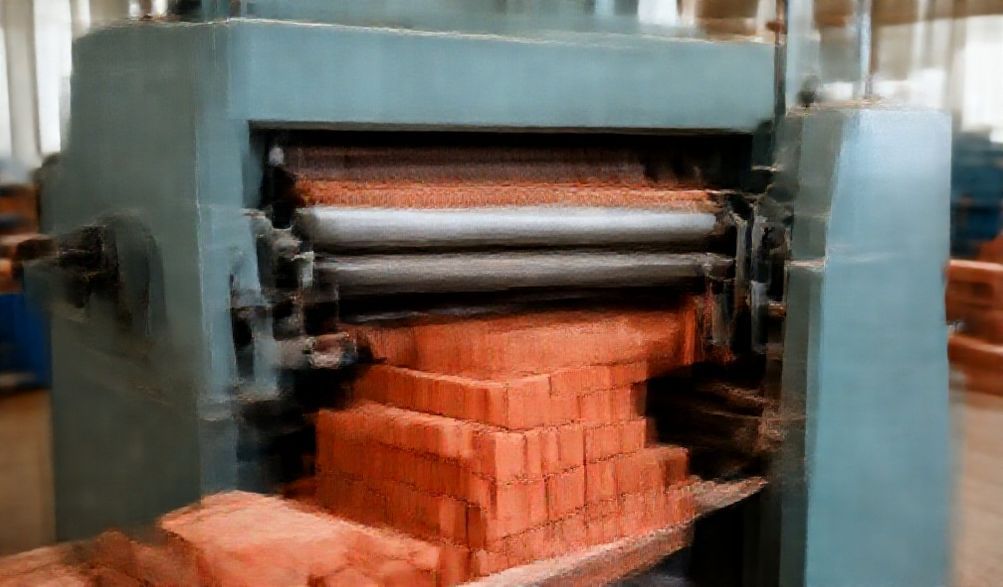
Ang Sikat na Indian-Type Clay Brick Making Machine: Isang Masusing Pagtingin sa mga Solusyon sa Pabrika ng FUDA
Sa puso ng umuunlad na industriya ng konstruksyon ng India ay isang kritikal na, madalas na hindi napapansing bayani: ang makinang gumagawa ng laryo na luwad. Sa loob ng mga dekada, ang matibay at mahusay na "Indian-type" na makina ay naging gulugod ng maliit at katamtamang produksyon ng laryo, na humuhubog sa mismong imprastruktura ng bansa.
Ang post na ito ay sumasalamin sa iconic na makinarya na ito, na nakatuon sa advanced na pagmamanupaktura at maaasahang solusyon na inaalok ng FUDA block making factory. Susuriin natin kung bakit nananatiling popular ang partikular na uri ng makina, ang mga prinsipyong operasyonal nito, at kung paano makakapagpabago ng iyong negosyong paggawa ng ladrilyo ang pakikipagsosyo sa isang ekspertong tagagawa tulad ng FUDA. Ang layunin ay tiyakin ang kalidad, kahusayan, at kakayahang kumita habang sumusunod sa mga modernong pamantayan.
Pag-unawa sa Sikat na Makinang Panggawa ng Clay Brick na Uri ng Indian
Ang Indian-type clay brick machine ay higit pa sa isang kagamitan; ito ay isang pilosopiya ng disenyo na pinahusay sa loob ng maraming henerasyon upang tugunan ang mga lokal na hamon. Ang malawakang paggamit nito sa buong subkontinente ay direktang bunga ng praktikal na inhinyeriya nito.
Ano ang Nagtatakda sa "Indian-Type" na Makina ng Laryong Lupa?
Ang pagtatalagang "Indian-type" ay tumutukoy sa isang uri ng mga makina na binuo sa paligid ng mga pangunahing prinsipyo na angkop sa rehiyonal na tanawin ng pagmamanupaktura.
- Pangunahing Pilosopiya ng DisenyoAng hallmark aykasimplehan, tibay, at kadaliang mapanatiliAng mga makinang ito ay ginawa upang tumagal sa mga mapanghamong kapaligiran na may madaling makuha na mga bahagi.
- Karaniwang Paraan ng Operasyon:Sila ay mayroong iba't ibang uri:manwal(pinapatakbo ng pingga),semi-awtomatiko (mechanically driven with manual feeding/ejection), and ganap na awtomatiko variants. The semi-automatic model is arguably the most popular balance.
- Karaniwang Output: They are primarily designed to produce standard Indian brick sizes (e.g., 9″x4″x3″), but can be adapted for solid, hollow, and perforated clay bricks, catering to diverse construction needs.
Key Components and Working Principle
Understanding the machine’s anatomy demystifies its operation. Key components include:
- Hopper/Mixer: Where prepared clay is fed into the machine.
- Mould (Die): The cavity that gives the brick its shape and size.
- Sistema ng Pagpiga The heart of the machine. In traditional types, a flywheel and cam mechanism provides the pressing force. Advanced models use mga sistemang haydroliko for more consistent pressure.
- Mekanismo ng Pag-e-eject: Pushes the formed “green brick” out of the mould.
- Sturdy Steel Frame: Provides the necessary rigidity and stability for the high-pressure operation.
The working principle is straightforward yet effective:
1. Pagpapakain: Prepared clay with optimal moisture content is placed into the hopper.
2. Palaman: The clay is drawn into the mould cavity.
3. Pagpapatigas: The flywheel (or hydraulic ram) drives a piston to apply high pressure, compacting the clay into a dense block.
4. Pag-eject: The compacted brick is pushed out of the mould onto a pallet or rack.
5. Repetition: The cycle repeats, creating a rhythmic production flow.
This mechanical reliability is specifically suited for the varied clay compositions found across India, from alluvial soils to laterite clays.
Advantages That Cement Its Popularity
Why has this design stood the test of time? The benefits are compelling:
- Pagiging Epektibo sa Gastos: It offers a significantly lower initial investment and operational cost compared to imported, high-end automated lines, making it accessible for entrepreneurs.
- Adaptability: It works efficiently with different soil and clay mixes found across India’s diverse geology, a critical factor for localized production.
- Ease of Use & Repair: Minimal technical skill is required for operation. Its simple mechanics mean local welders and mechanics can often handle repairs, minimizing downtime.
- Low Power Consumption: Many models, especially mechanical ones, are ideal for areas with intermittent or costly electricity supply, ensuring production isn’t halted by power issues.
Why Choose a FUDA Block Making Factory Machine?
While the Indian-type design is proven, the manufacturer’s expertise determines its performance and longevity. This is where FUDA Block Making Factory creates a distinct advantage.
FUDA’s Expertise in Manufacturing Robust Machinery
FUDA brings industrial discipline to this traditional design. Their experience in fabricating construction machinery translates into superior build quality.
- They employ advanced material selection, using high-grade steel for frames and wear-resistant alloys for critical parts like moulds and pistons, dramatically enhancing machine lifespan.
- Their commitment to R&D means they continuously iterate on the classic design. Improvements might include better gear systems, enhanced safety guards, and more efficient power transmission, offering modern performance in a familiar format.
Range of Models for Every Scale of Operation
FUDA understands that one size does not fit all. Their catalog typically includes:
- Manual na Makina: Perfect for micro-enterprises and start-ups, these require a higher labor input but have the lowest capital cost and are excellent for testing a market.
- Semi-Automatikong Makina:Angsweet spot for small to medium businesses. They offer a significant boost in output over manual machines while maintaining manageable costs and complexity.
- Ganap na Awtomatikong Makina: For high-volume production. These models feature advanced hydraulic systems, automated feeders, and conveyor systems for minimal manual intervention and maximum consistency.
Quality Assurance and Testing Protocols
Investing in a factory-direct machine from FUDA means investing in verified quality.
- Each machine undergoes stringent quality control checks at every stage of production—from material inspection to welding, assembly, and painting.
- Pre-dispatch testing is standard. Machines are run under load to ensure they meet specified performance metrics for pressure, cycle time, and output before they leave the factory floor.
- This process ensures compliance with relevant industrial and safety norms, giving you peace of mind regarding operational safety and reliability.
Critical Factors for Selecting Your Clay Brick Machine
Choosing the right machine is a strategic decision. Here’s a framework to guide your selection, especially when evaluating FUDA’s offerings.
Pagsusuri sa Iyong mga Pangangailangan sa Produksyon
Start by asking key questions:
* What is my required daily or annual brick output?
* What type of bricks (solid, hollow, paver) does my target market demand?
* What is my available factory space and power connection (single-phase/three-phase)?
* What is my available budget, including setup and working capital?
With these answers, a FUDA representative can help you match your needs to the correct machine model, preventing the common pitfalls of under- or over-investing in capacity.
Raw Material (Clay) Compatibility
The machine is only as good as the clay you feed it.
- Conducting a simple soil test for clay content, plasticity, and shrinkage is a non-negotiable first step. Ideal brick-making clay typically has 20-30% clay content.
- A significant advantage of dealing with an expert factory like FUDA is their ability to advise on machine adjustments or customization. This can include modifying the mould design or compression settings to optimally handle your specific local clay characteristics.
Pagsusuri ng Kabuuang Gastos sa Pagmamay-ari
Look beyond the sticker price. The true cost includes:
- Mga Gastos sa Pagpapanatili: How often do parts need lubrication or replacement?
- Spare Part Availability: Are genuine spare parts readily available at a reasonable cost? (A key FUDA advantage).
- Pagkonsumo ng Enerhiya: What is the power rating, and how will it affect your utility bills?
- Tibay: A cheaper, poorly built machine may cost less upfront but lead to frequent breakdowns and lost production.
A well-built FUDA machine presents a strong long-term value proposition, offering lower total cost of ownership through reliability and factory support.
Optimizing Your Brick Production with FUDA Machines
Owning a quality machine is the first step. Optimizing its operation is how you maximize return on investment.
Best Practices for Operation and Maintenance
Proactive care prevents costly downtime.
- Daily: Clean clay residue from the mould and hopper, check for loose bolts, and inspect for oil leaks.
- Weekly: Lubricate all moving parts as per the manual, check the condition of the mould and piston head.
- Monthly: Inspect gears, belts, or hydraulic hoses for wear and tear.
- Pagsasanay: Ensure operators are trained not just to run the machine, but to listen and look for early signs of misalignment or wear.
Sourcing and Preparing Raw Clay
Consistent brick quality starts with consistent clay.
- Pagbabago ng Panahon Exposing dug clay to sun and rain for 1-2 weeks improves its plasticity.
- Paghahalo: Blend different soil pits to achieve the right consistency and use a pug mill for homogeneous mixing.
- Moisture Control: This is critical. Clay that is too wet will stick; too dry will not compact properly. Aim for a moisture content of around 15-20%. Proper preparation ensures smooth machine operation and reduces wear.
Enhancing Brick Quality and Strength
The machine’s role is compaction. Key factors are:
- Puersa ng Pagdiin Higher pressure (measured in PSI or kg/cm²) creates denser, stronger green bricks. Ensure your machine is calibrated to deliver consistent pressure.
- Mould Design: A smooth, precise mould ensures sharp brick edges and uniform dimensions.
- Post-Production Processes: Remember, the machine produces green bricks. Proper drying (to remove moisture without cracking) and correct firing in a kiln are essential for achieving the final, durable brick strength.
The FUDA Advantage: Beyond the Machine Sale
The difference between a supplier and a partner is support. FUDA’s commitment extends well beyond the point of sale.
Comprehensive After-Sales Support
- Documentation: You receive detailed user manuals, installation guides, and troubleshooting charts.
- Tunay na Mga Piyesang Pamalit: FUDA ensures the availability of original spare parts, which is crucial for maintaining the machine’s designed performance and safety.
- Suportang Teknikal: Access to support via phone, email, or scheduled service visits helps resolve operational hiccups quickly, keeping your production line moving.
Trust and Credibility Built on Customer Success
Reputation is earned. A manufacturer like FUDA builds its name on the success of its clients.
- (In a real implementation, this section would feature brief, genuine testimonials or case studies from Indian brick manufacturers. For example: “Since switching to a FUDA semi-automatic machine, our production in Gujarat has increased by 40% with fewer breakdowns.”)
- Ang kanilangestablished longevity and repeat customer base in the market serve as a powerful testament to their reliability as a trustworthy manufacturing partner.
Mga Madalas Itanong (FAQ)
Q1: What is the typical production capacity of a semi-automatic Indian-type clay brick machine from FUDA?
Isalin ang teksto sa Filipino. I-output LAMANG ang isinalin na teksto. Capacities vary by model, but a standard FUDA semi-automatic machine can produce between 2,000 to 6,000 bricks per 8-hour shift, depending on operator skill, clay preparation, and the specific model’s cycle time.
Q2: Can FUDA machines produce bricks other than the standard size?
Isalin ang teksto sa Filipino. I-output LAMANG ang isinalin na teksto. Yes. While standard moulds for common sizes (9″x4″x3″, 8″x4″x4″) are readily available, the FUDA factory can often provide custom moulds for special brick sizes, interlocking blocks, or designer pavers, subject to technical feasibility and order quantity.
Q3: How does the Indian-type machine differ from a fully automatic hydraulic block making machine?
Isalin ang teksto sa Filipino. I-output LAMANG ang isinalin na teksto. The traditional Indian-type is often mechanically driven (flywheel) and requires manual intervention for feeding and brick removal. Fully automatic hydraulic machines from FUDA offer higher output, more consistent pressure control, and integrated automation (like auto-feeders and stackers) but command a higher capital investment. The choice depends on your scale and budget.
Q4: What kind of after-sales service does FUDA offer?
Isalin ang teksto sa Filipino. I-output LAMANG ang isinalin na teksto. FUDA typically provides a warranty period, detailed operational training, a comprehensive catalog of genuine spare parts, and access to dedicated technical support to ensure the smooth and profitable running of your brick production unit.
Q5: Is it possible to visit the FUDA block making factory?
Isalin ang teksto sa Filipino. I-output LAMANG ang isinalin na teksto. Prospective and serious clients are often encouraged to visit the factory by prior appointment. This allows you to see the manufacturing process firsthand, inspect the build quality of the machinery, and discuss your specific requirements directly with their engineering team.
Konklusyon
The enduring popularity of the Indian-type clay brick making machine is a testament to its perfect alignment with the practical needs of a dynamic market. It represents an optimal blend of simplicity, affordability, and reliable output. Choosing a machine from a reputable manufacturer like the Pabrika ng paggawa ng bloke ng FUDA elevates this inherent value by adding layers of engineering expertise, consistent quality, and dependable long-term support.
By carefully selecting the right FUDA machine for your specific needs and adhering to best practices in operation and maintenance, you are doing more than purchasing equipment—you are laying a solid, durable foundation for a productive, efficient, and profitable brick manufacturing enterprise. In an industry where reliability translates directly to revenue, partnering with an experienced and authoritative factory is the most crucial step you can take.
<